Image details
Psalteries
Ancient Greek Triangular Psaltery (Trigonon)
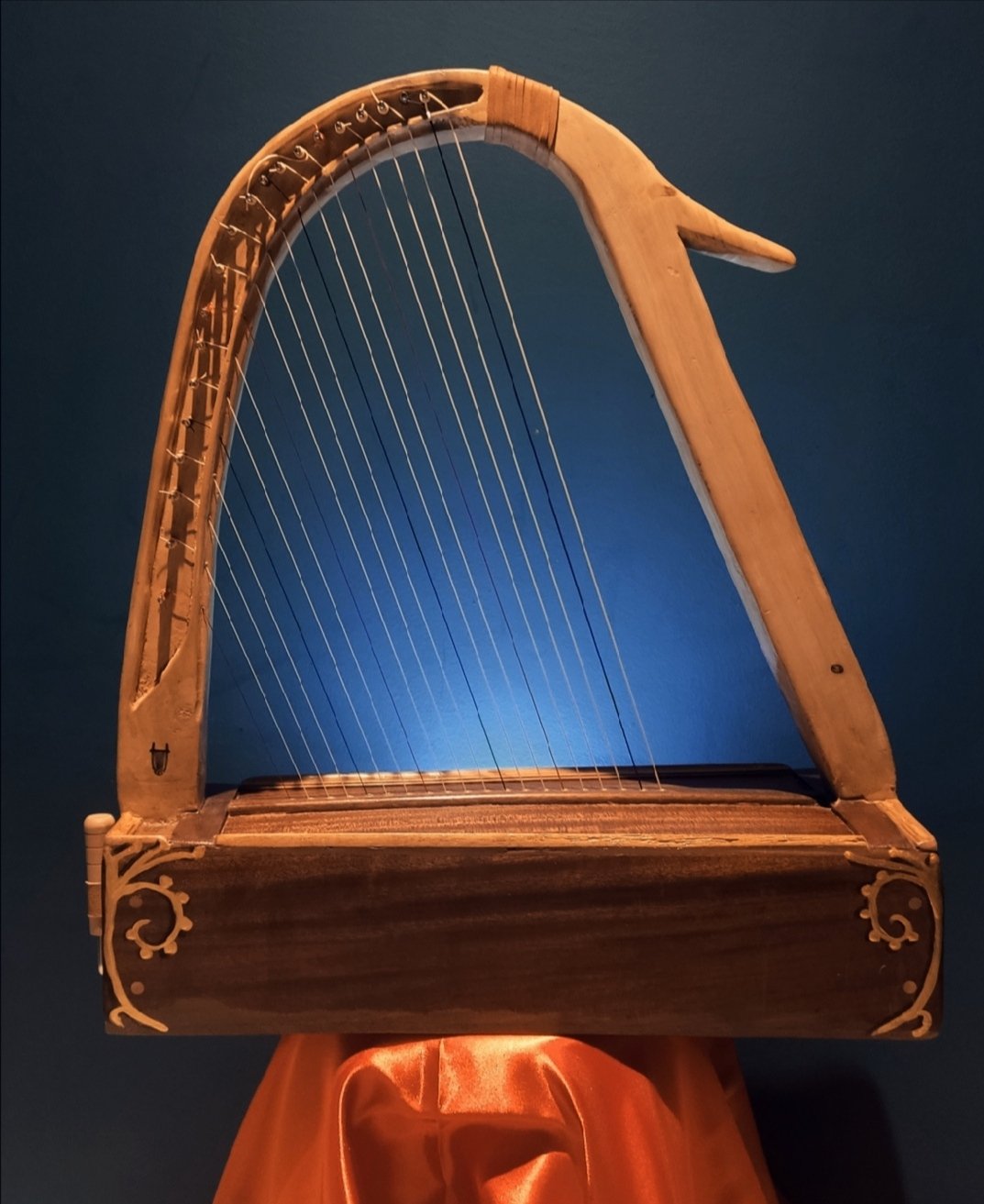
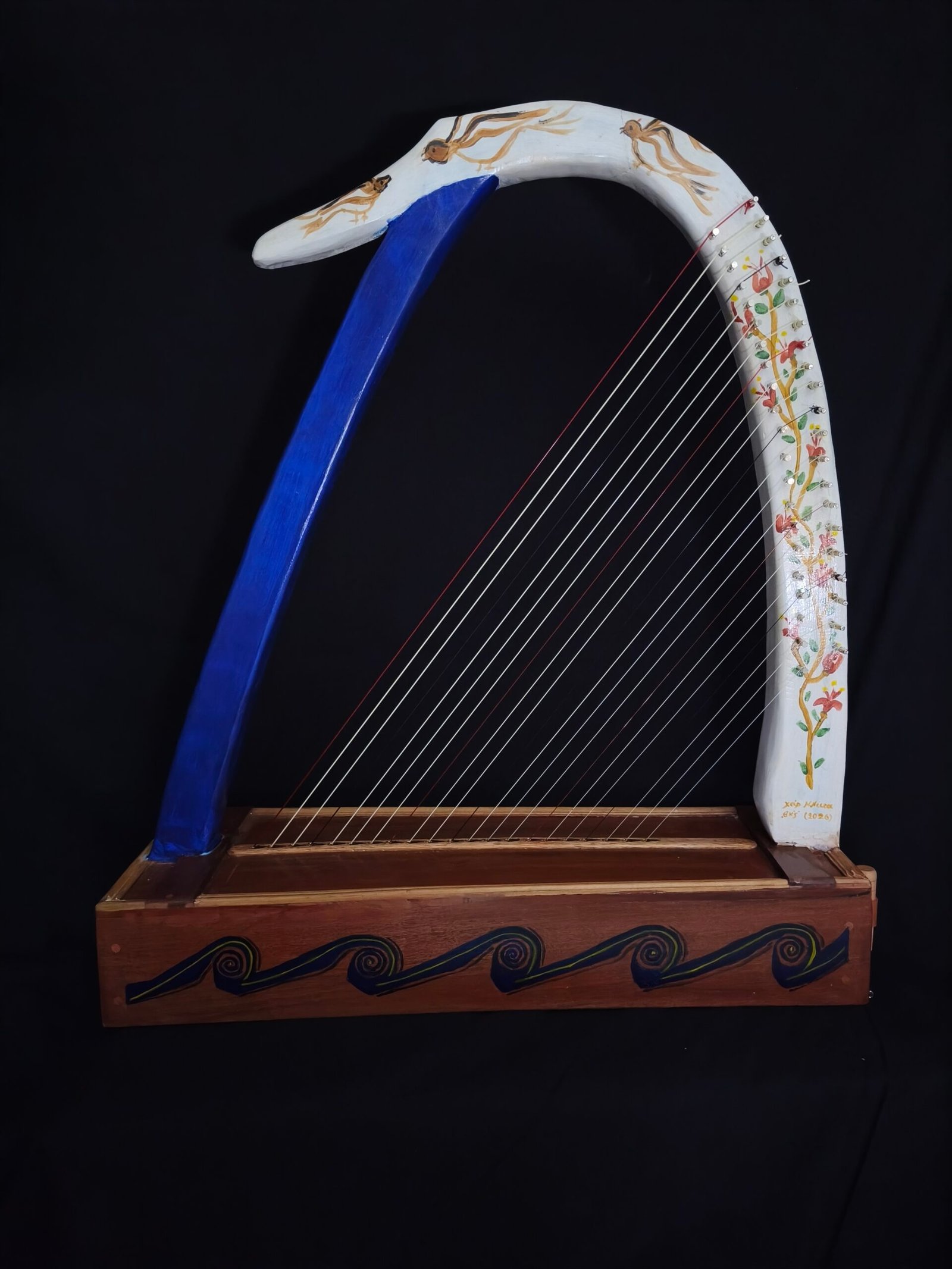
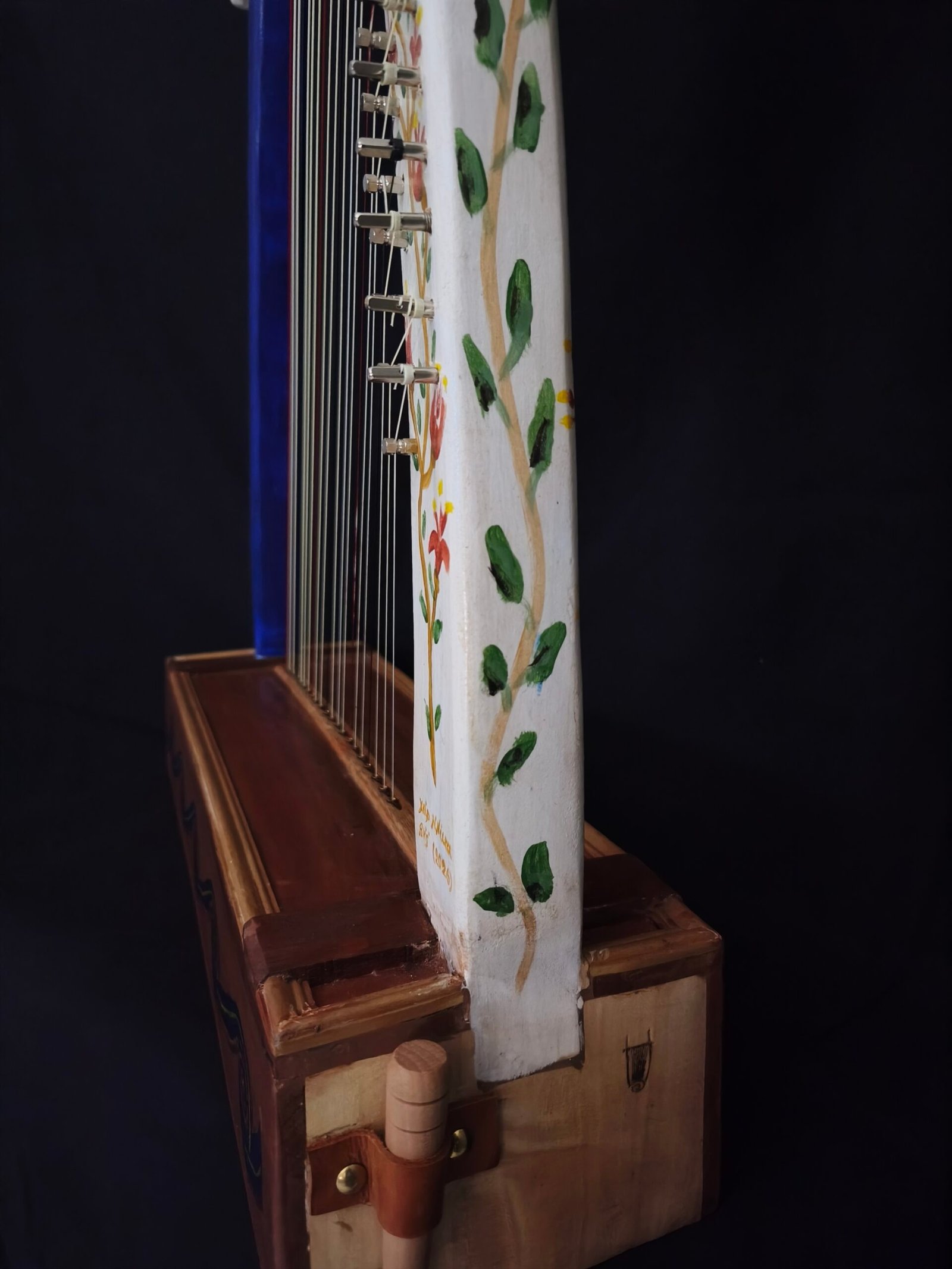
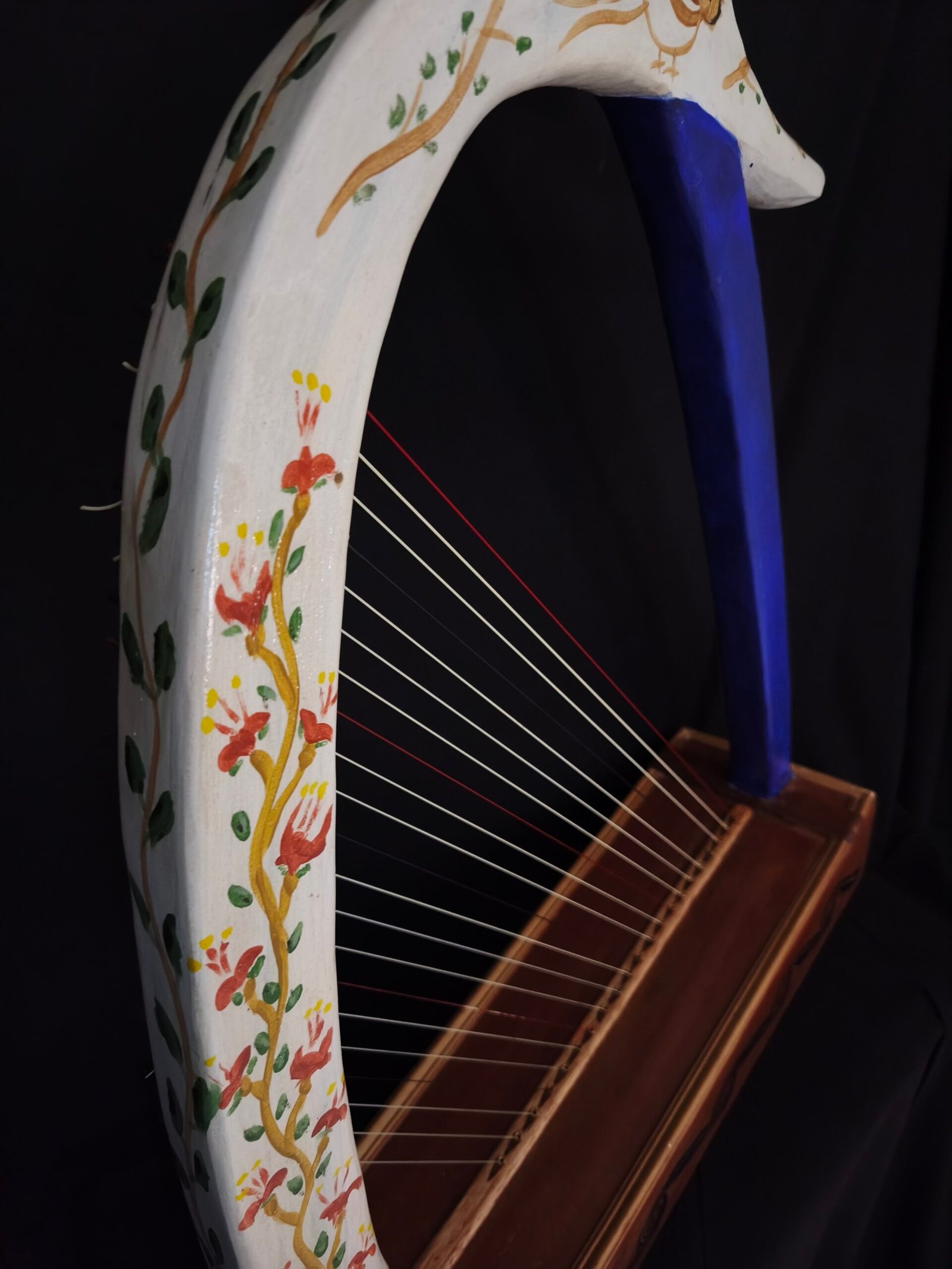
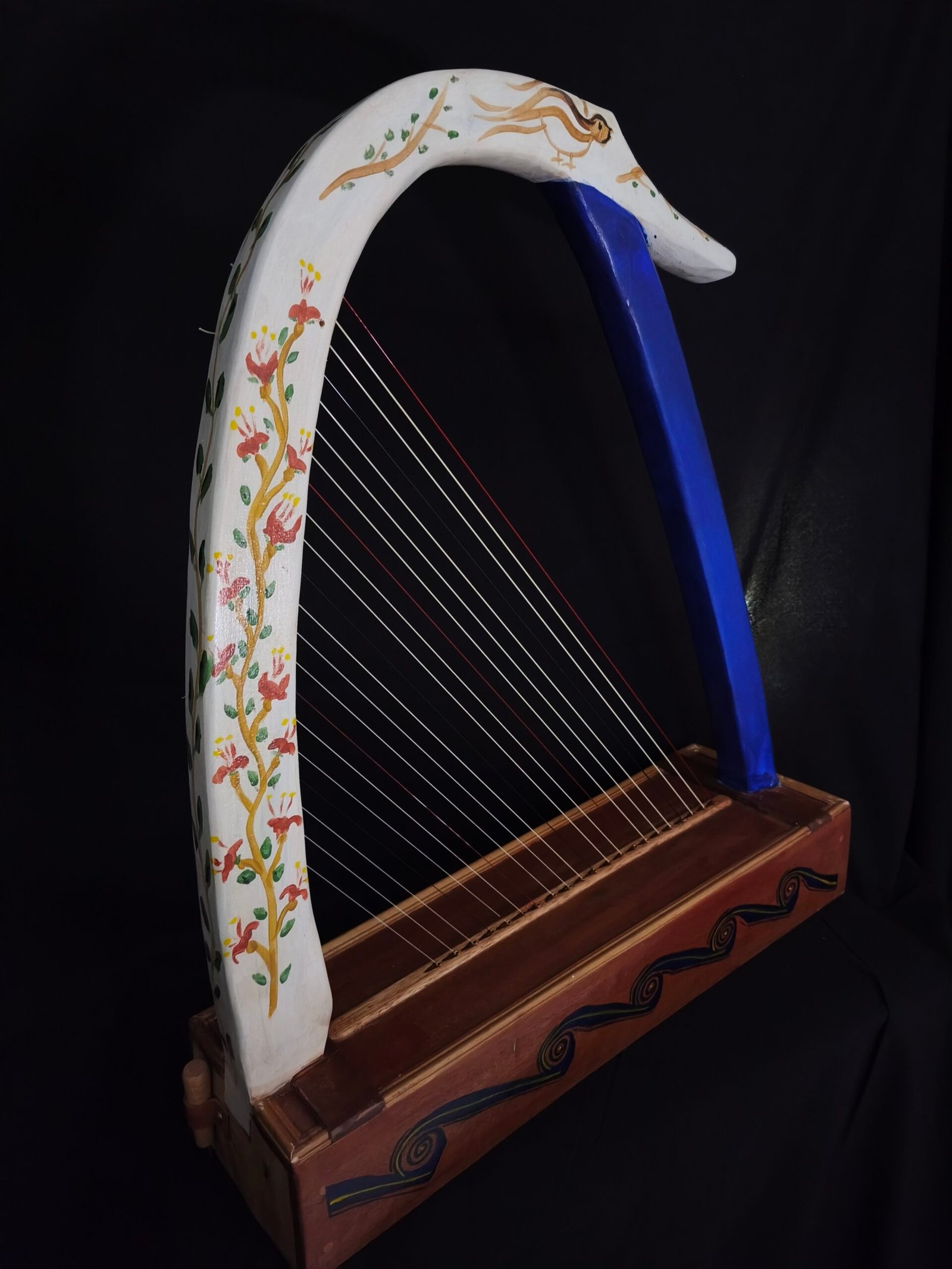
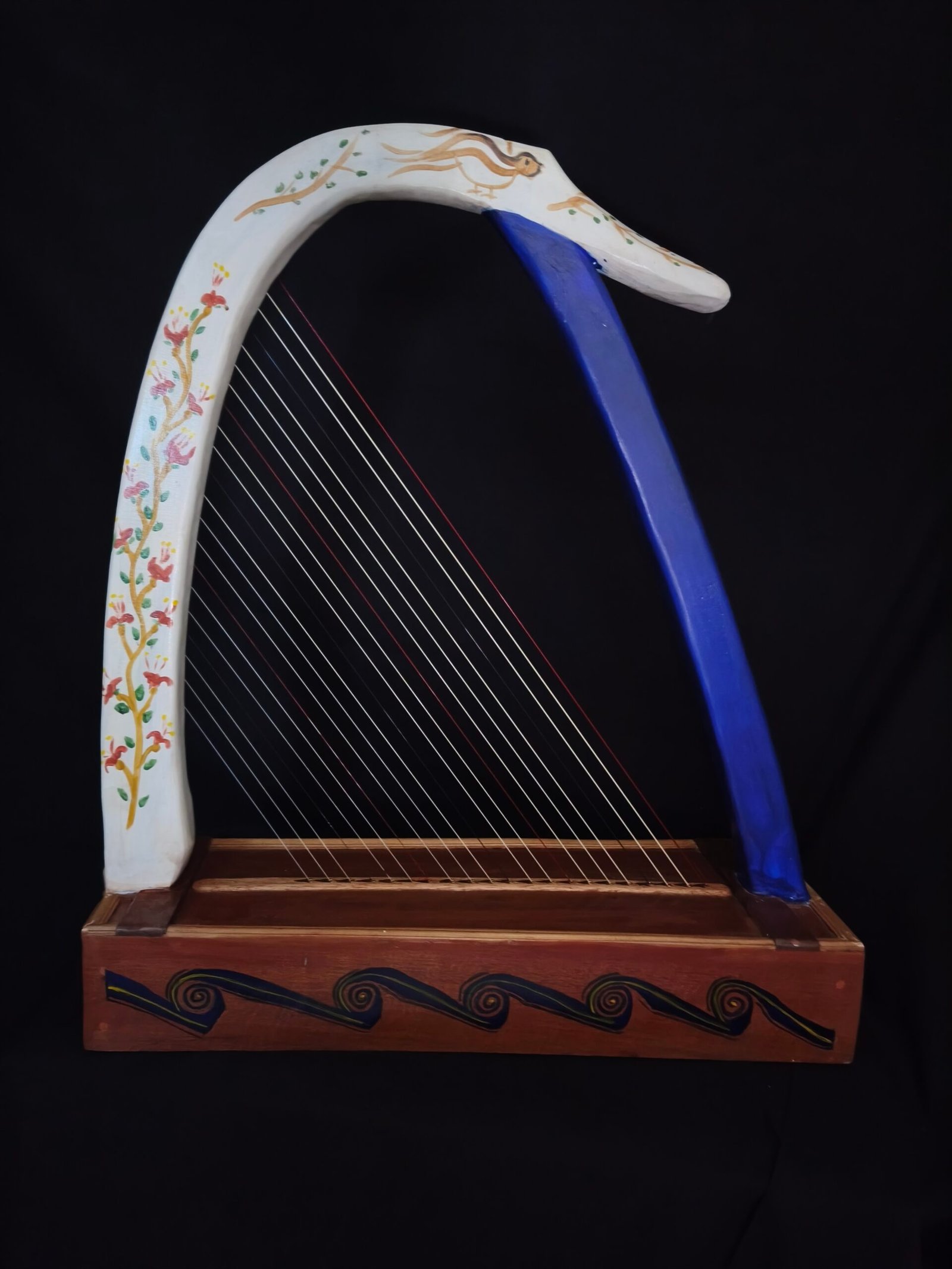
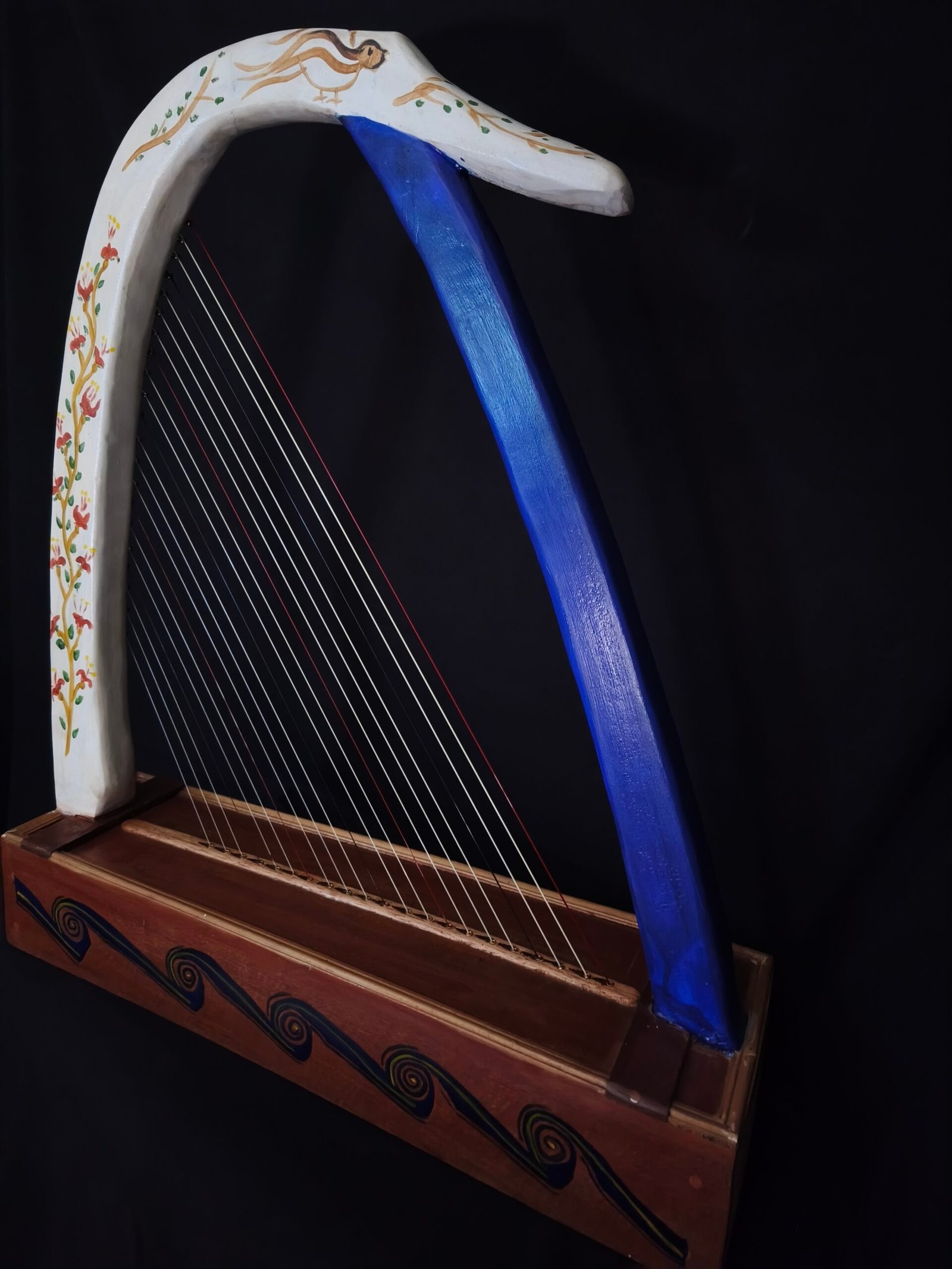
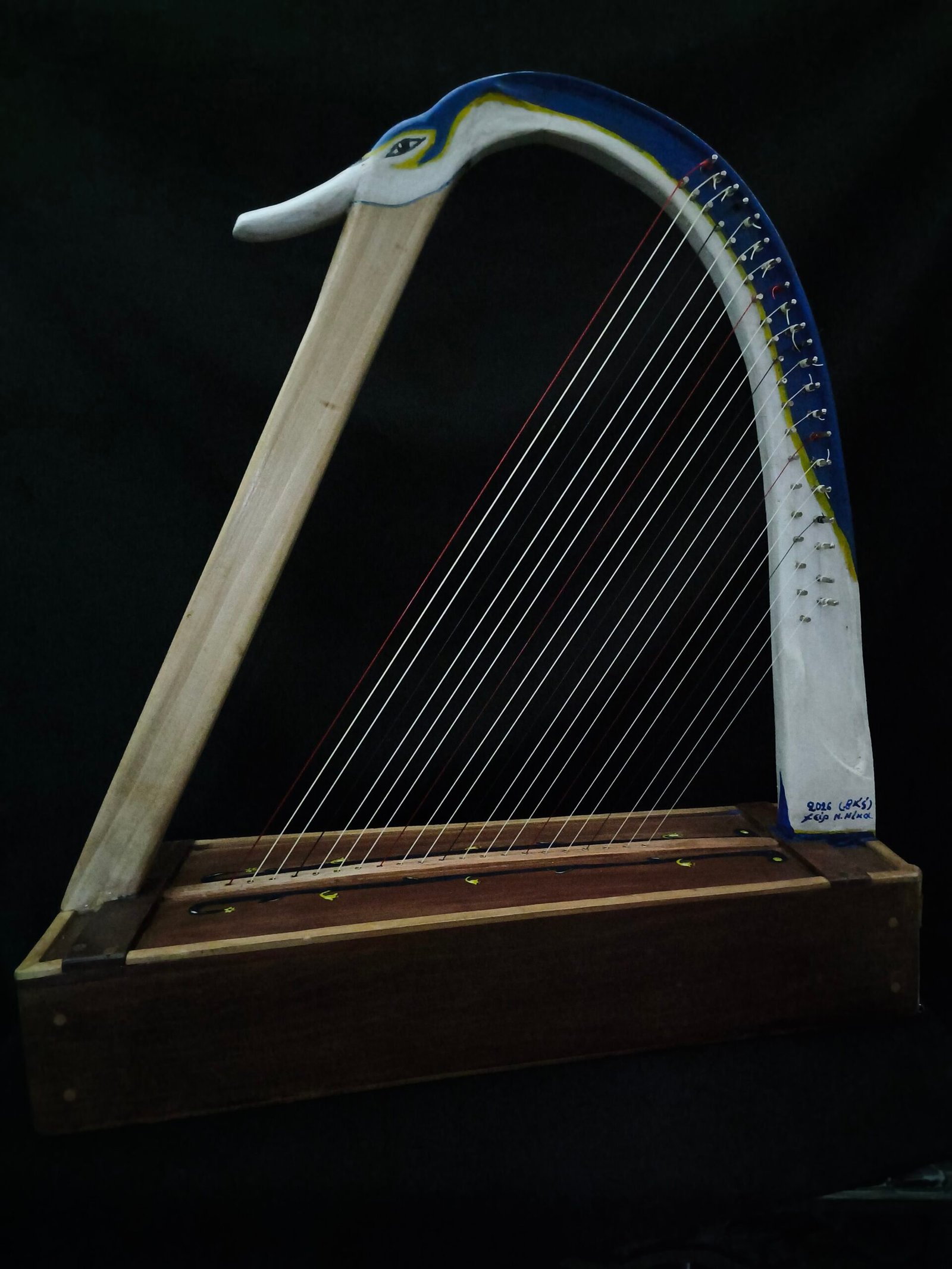
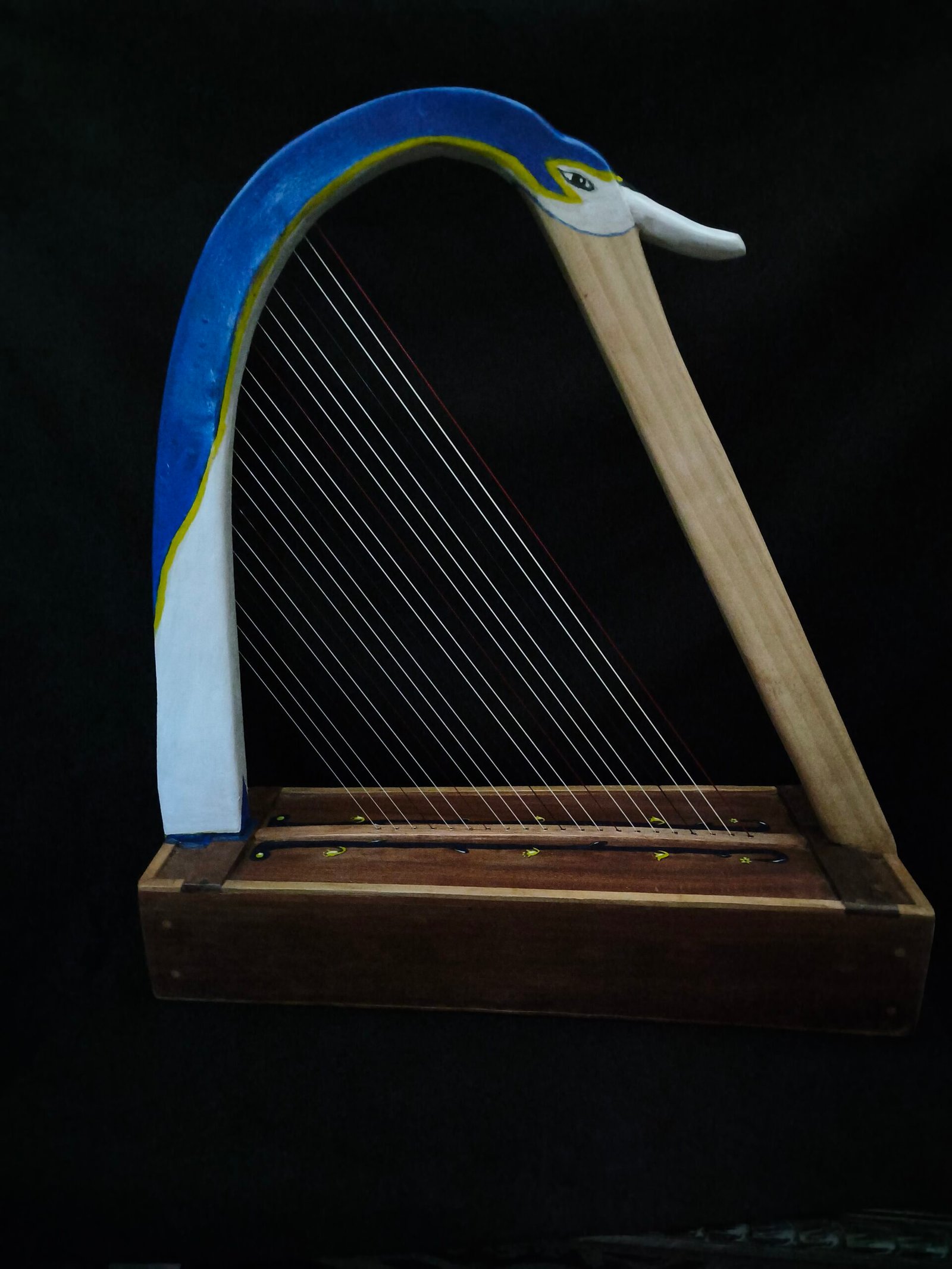
In Ancient Greece, musicians used the term psaltērion to describe plucked string instruments resembling harps or zithers. The term did not describe one fixed instrument; instead, it referred to a wider group defined by playing technique. The name comes from the Greek verb ψάλλω, which means “to pluck (with the fingers).” Several important instruments belong to this family, including the Trigonon, the Pektis, the Magadis, and the Epigonion, but probably the ancient Greek Triangular Psaltery is the most famous among them.
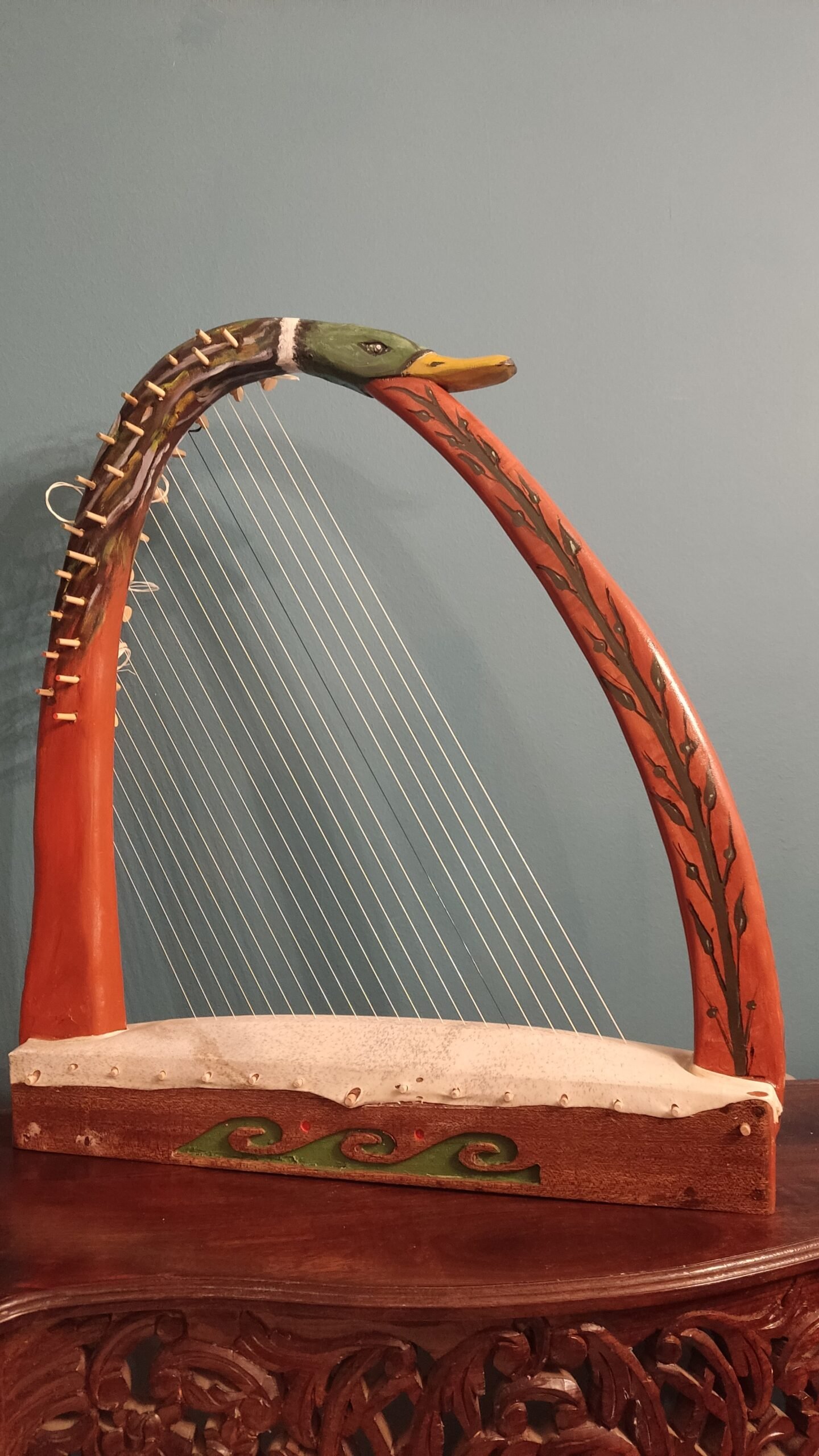
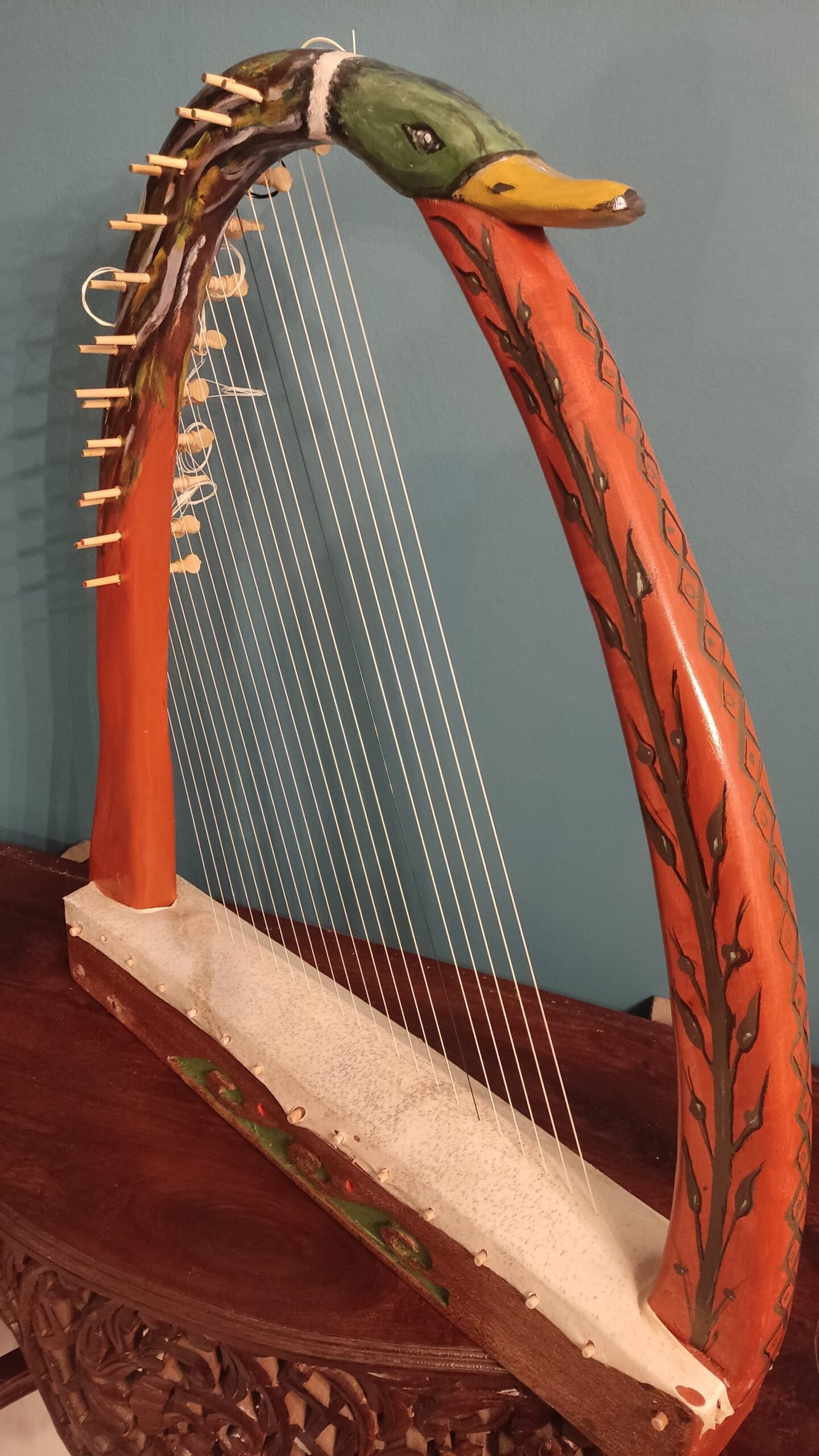
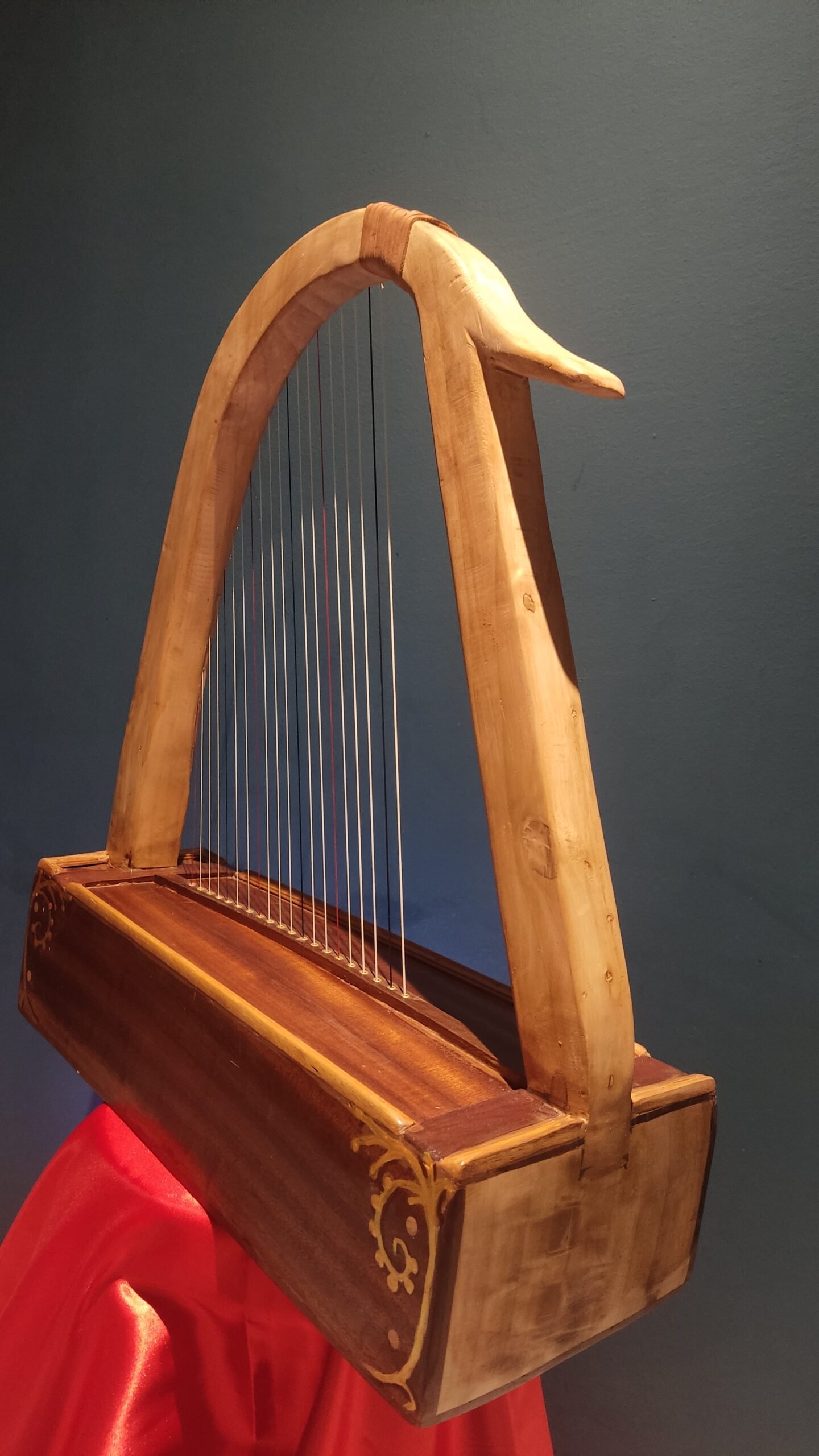
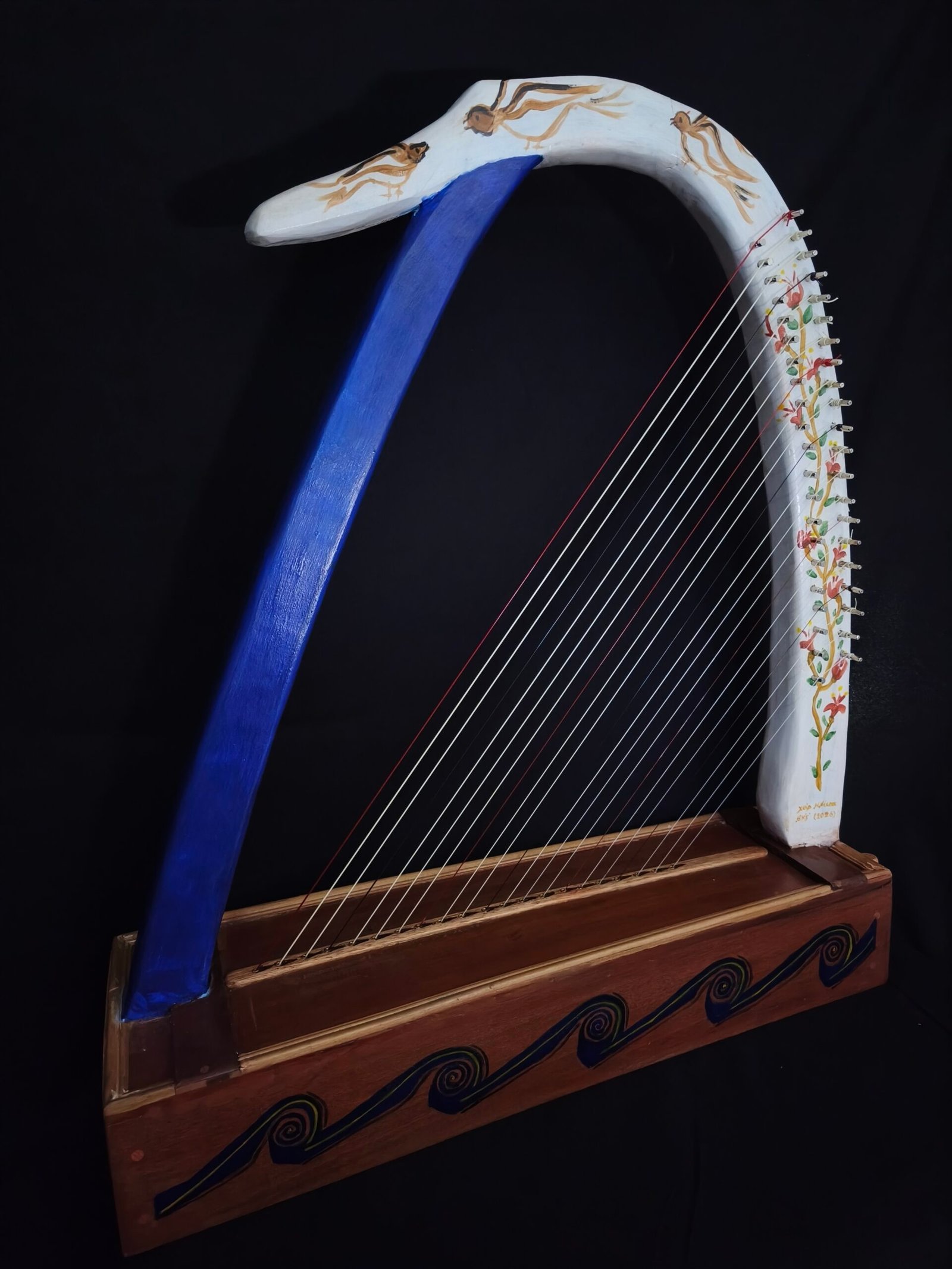
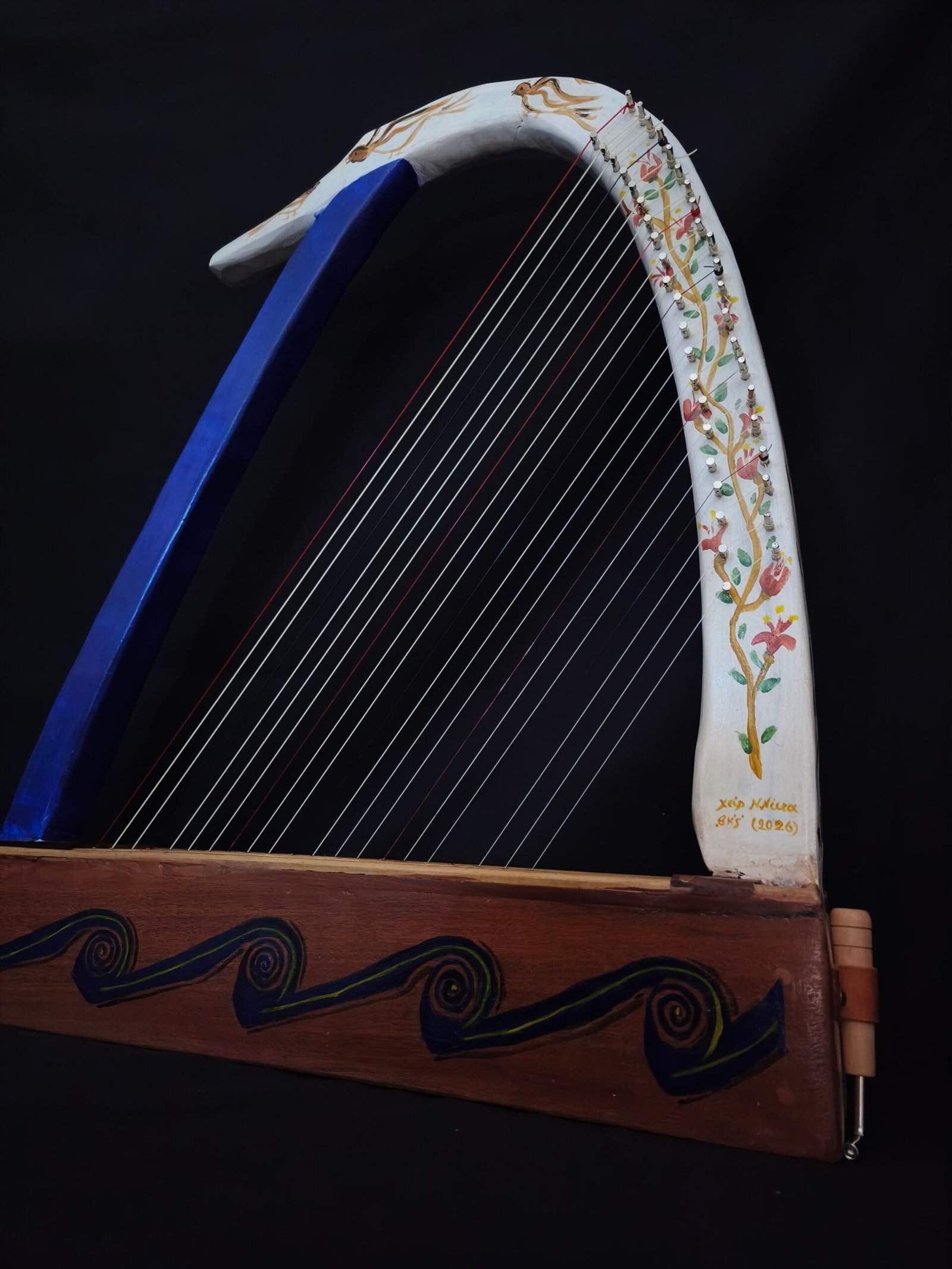
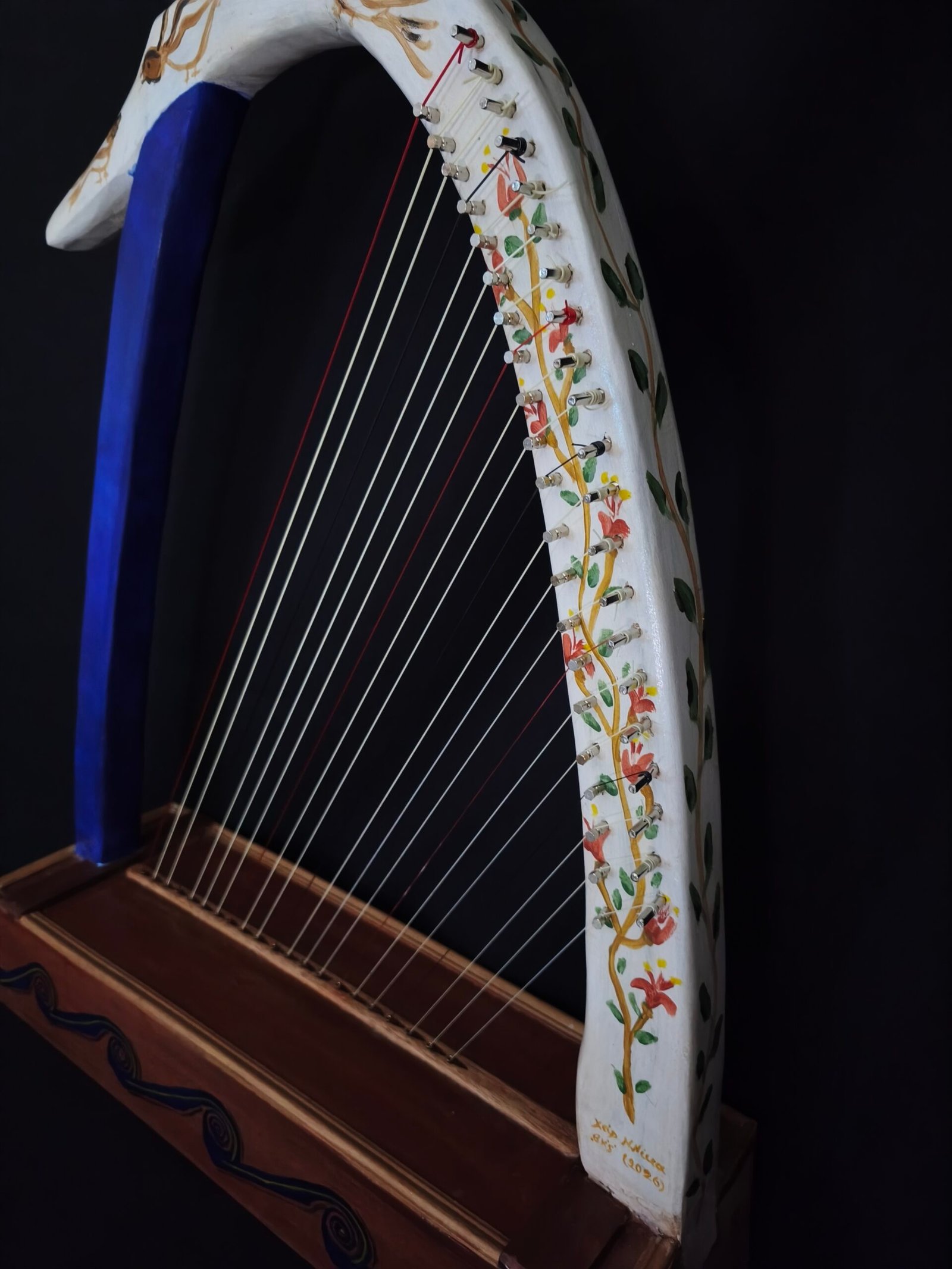
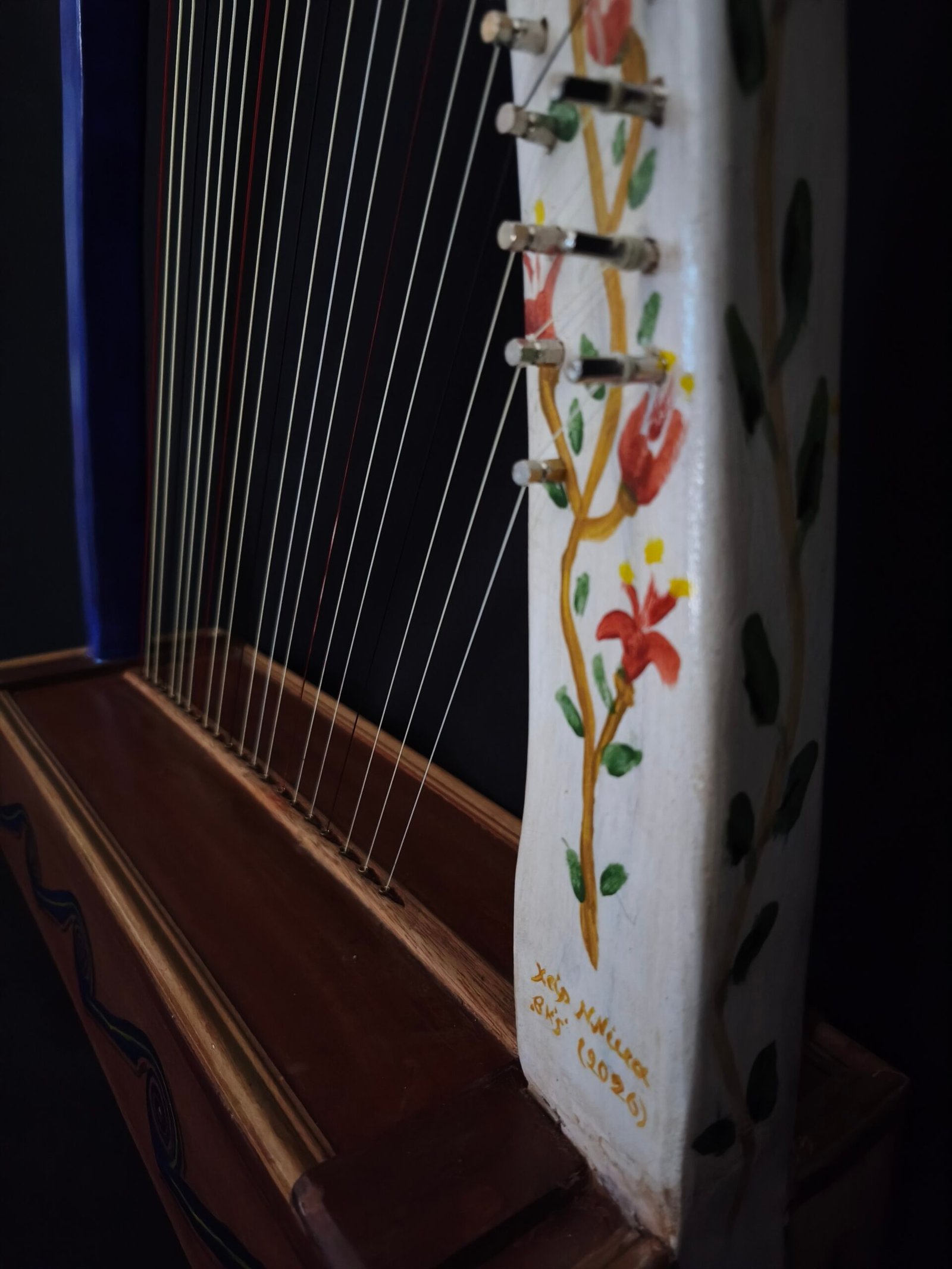
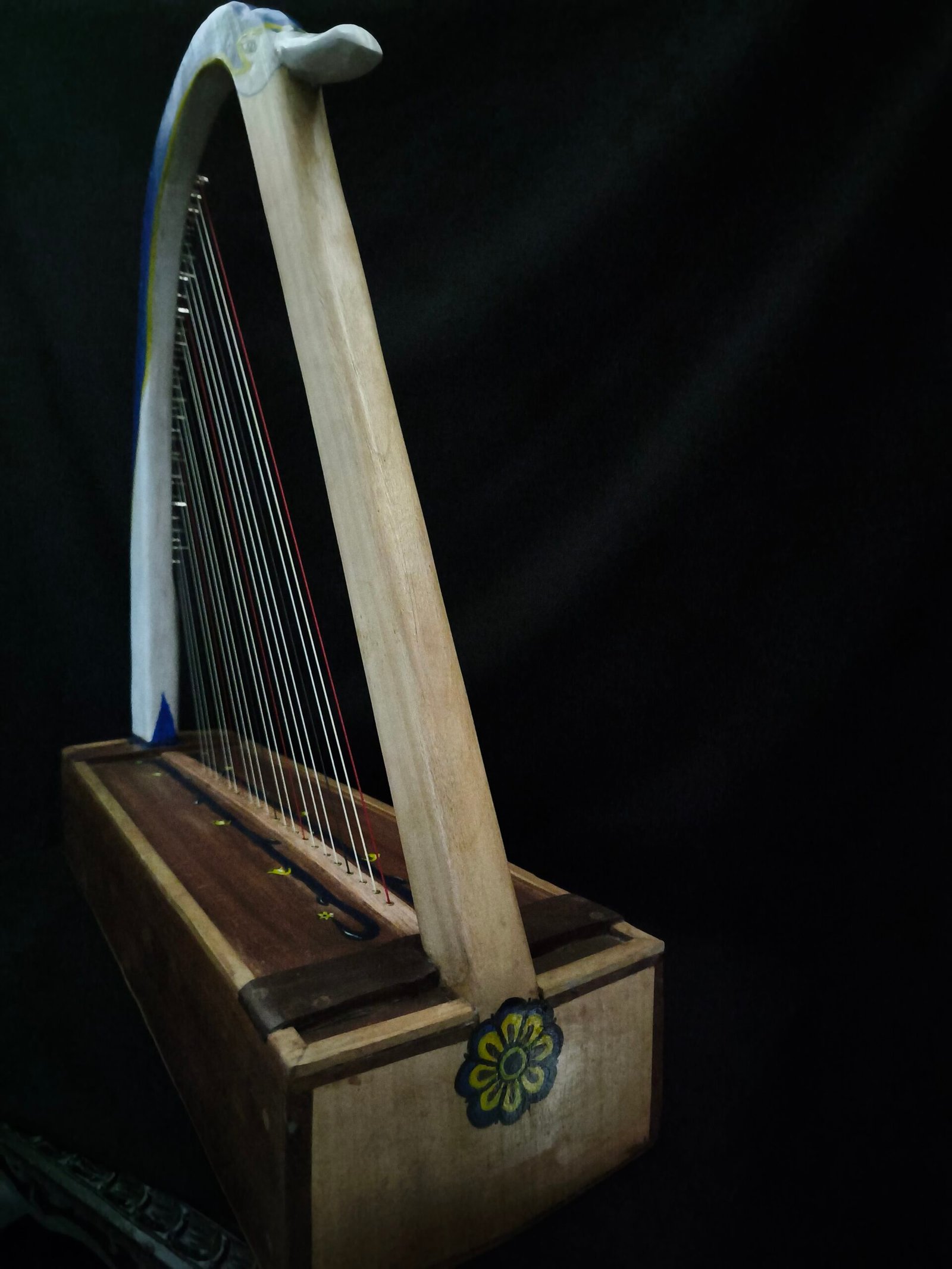
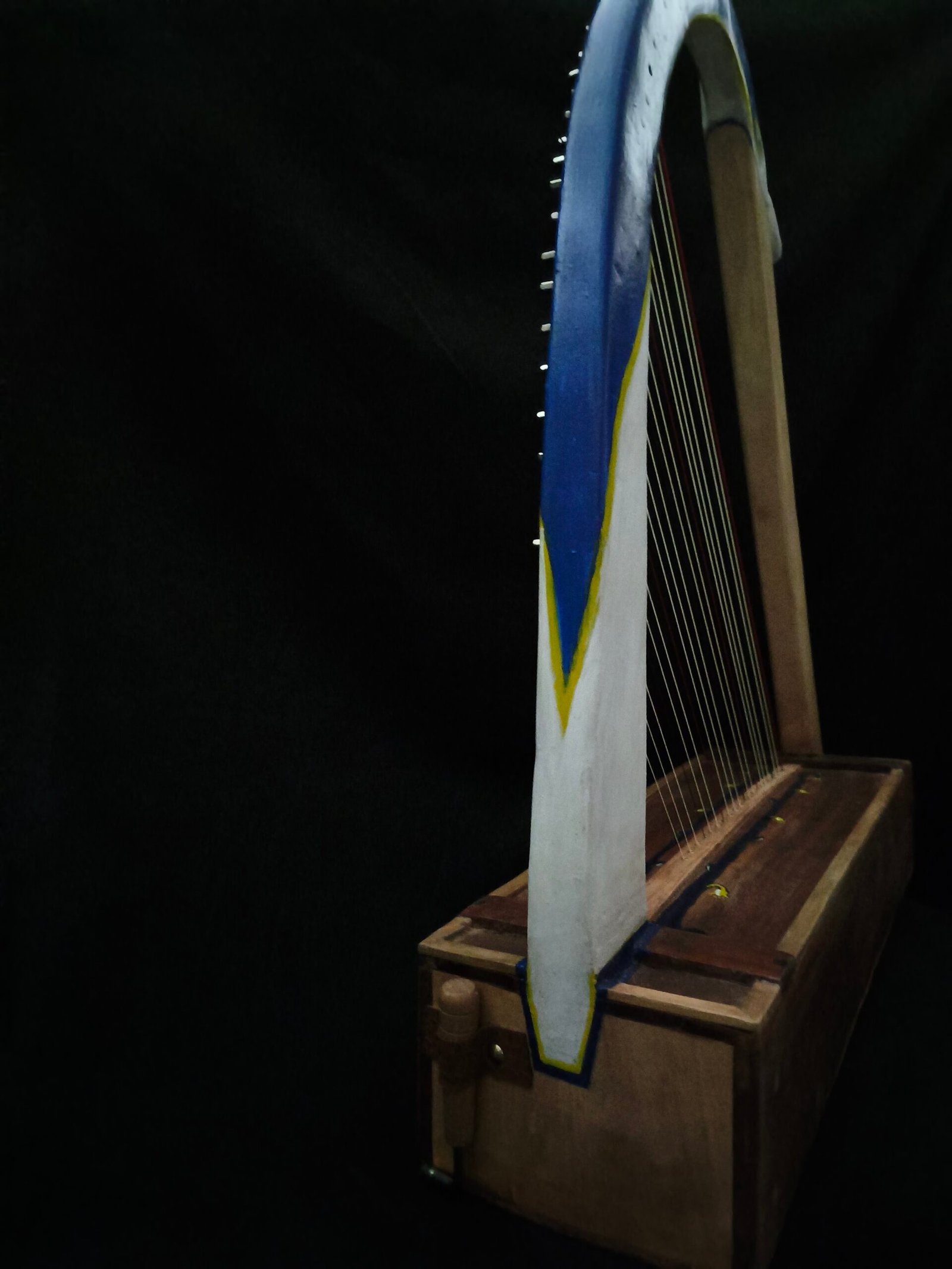
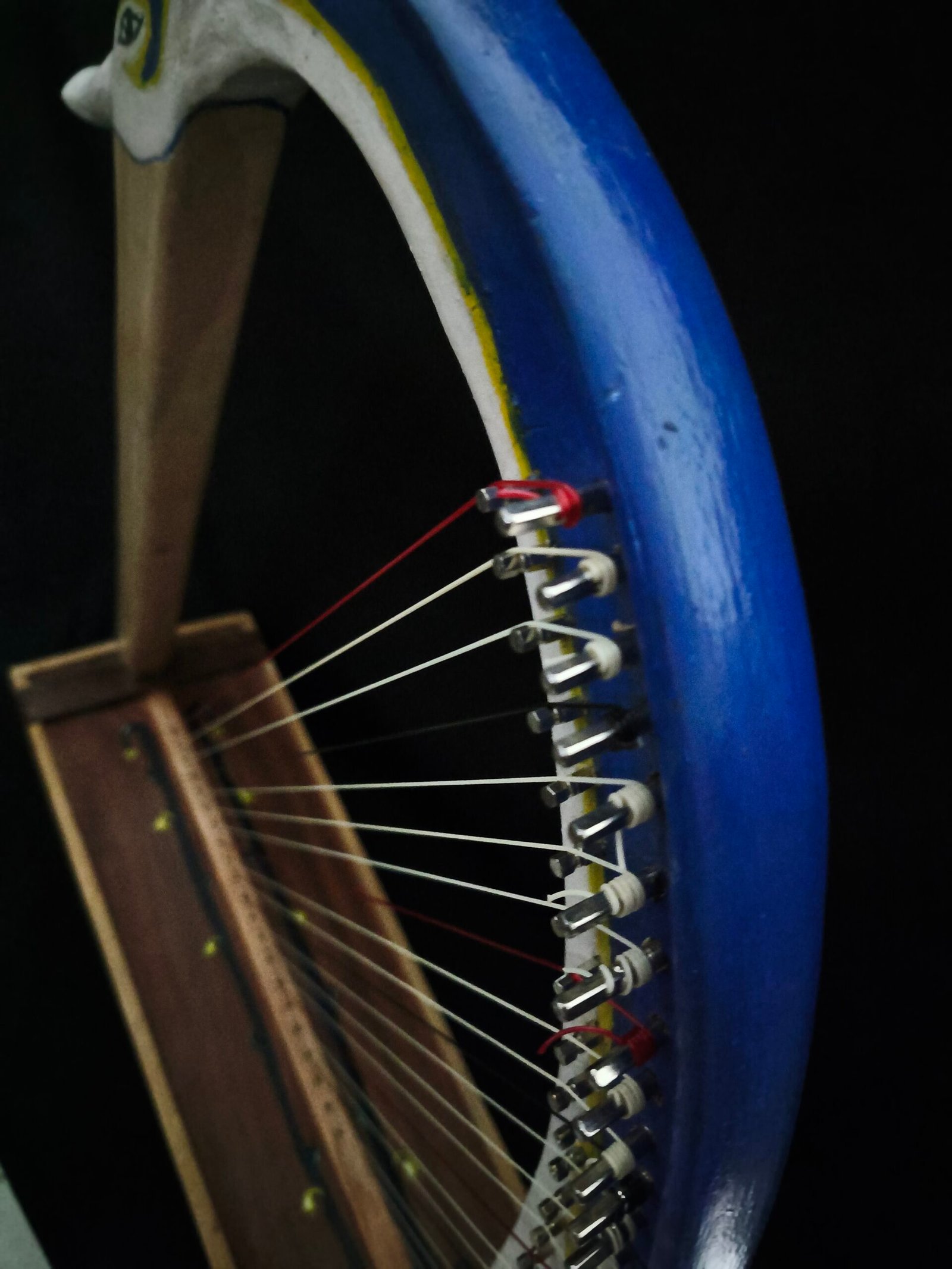
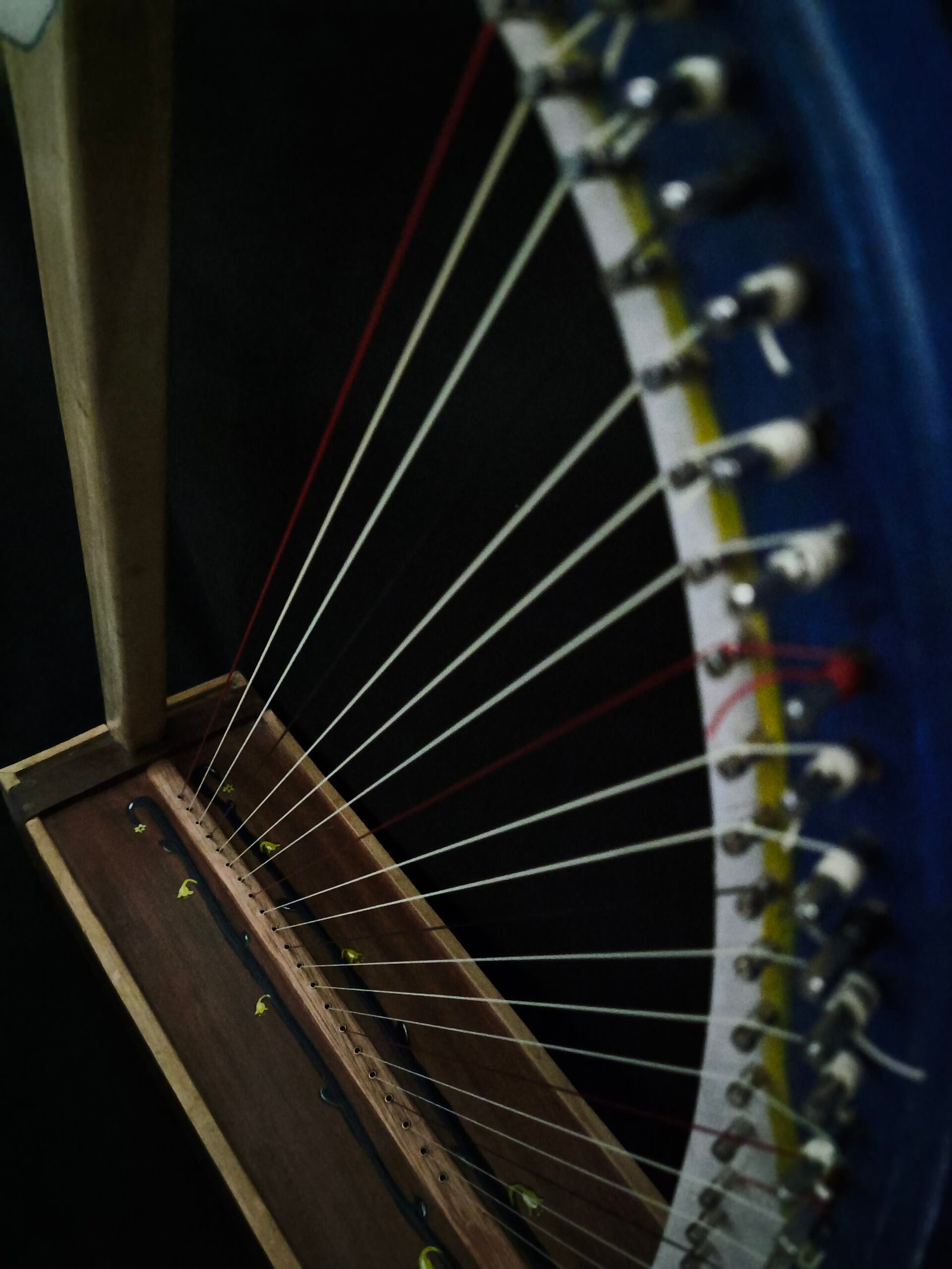
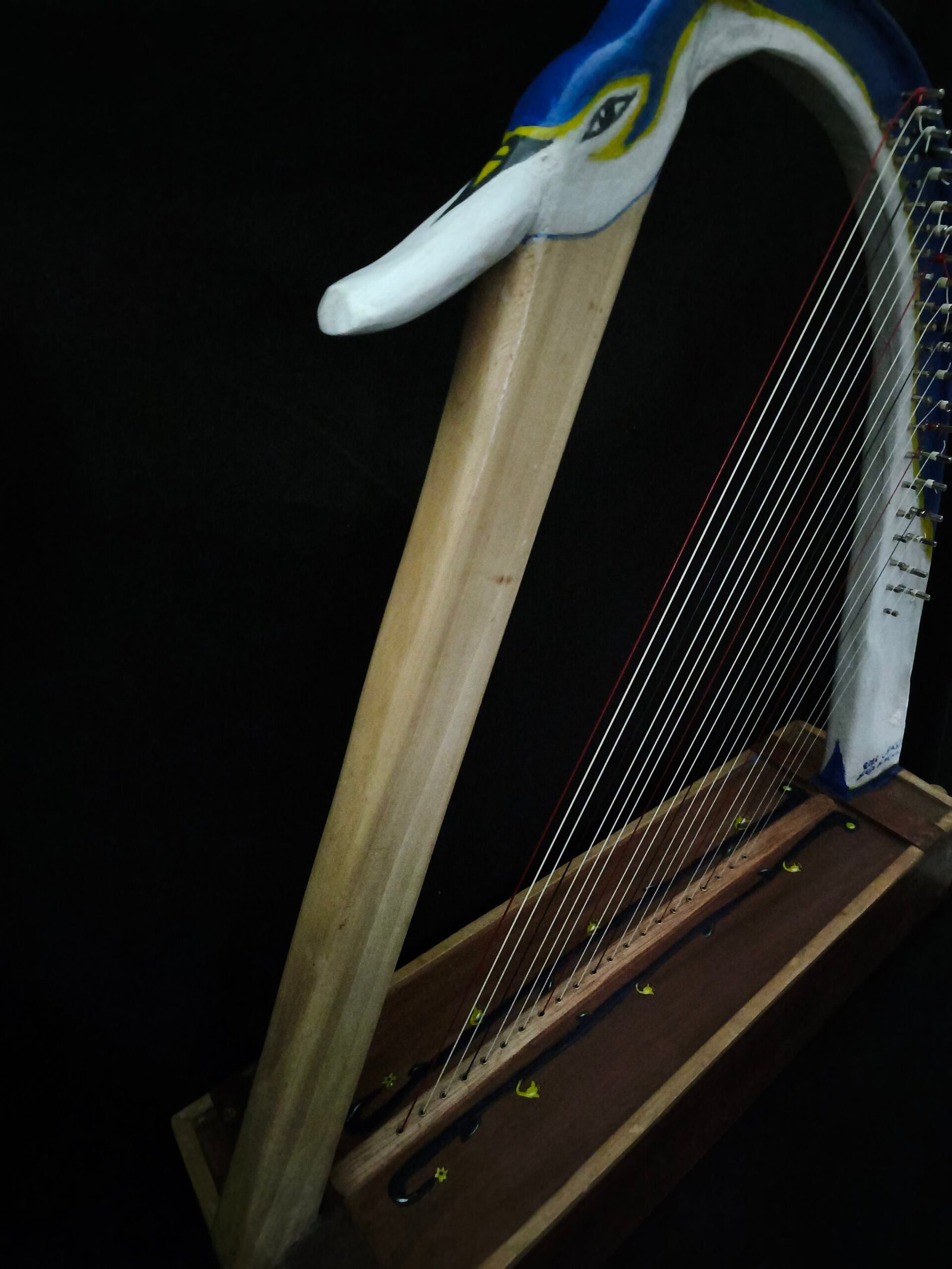
The instrument presented here is a triangular psaltery from the Cycladic period (3200 – 2000 BCE). We based its reconstruction on archaeological evidence from figurines found on the islands of Keros and Naxos. This evidence shows two main versions of the instrument: the first version is based on the figurine known as the Harpist of Keros. This figure represents one of the earliest depictions of a stringed musical instrument, dated to approximately 2800–2500 BCE. The second version follows the Harpist of Naxos, which presents another interpretation of the same musical tradition.
This reconstruction brings an early string instrument back to life. Standing at the origins of Mediterranean stringed music, the instrument no longer remains a symbolic or archaeological object. Instead, it functions as a fully playable ancient Greek musical instrument. In this way, it connects early Cycladic musical culture with modern study and performance.
Historical data of Trigonon
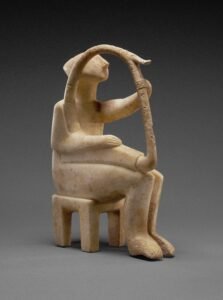
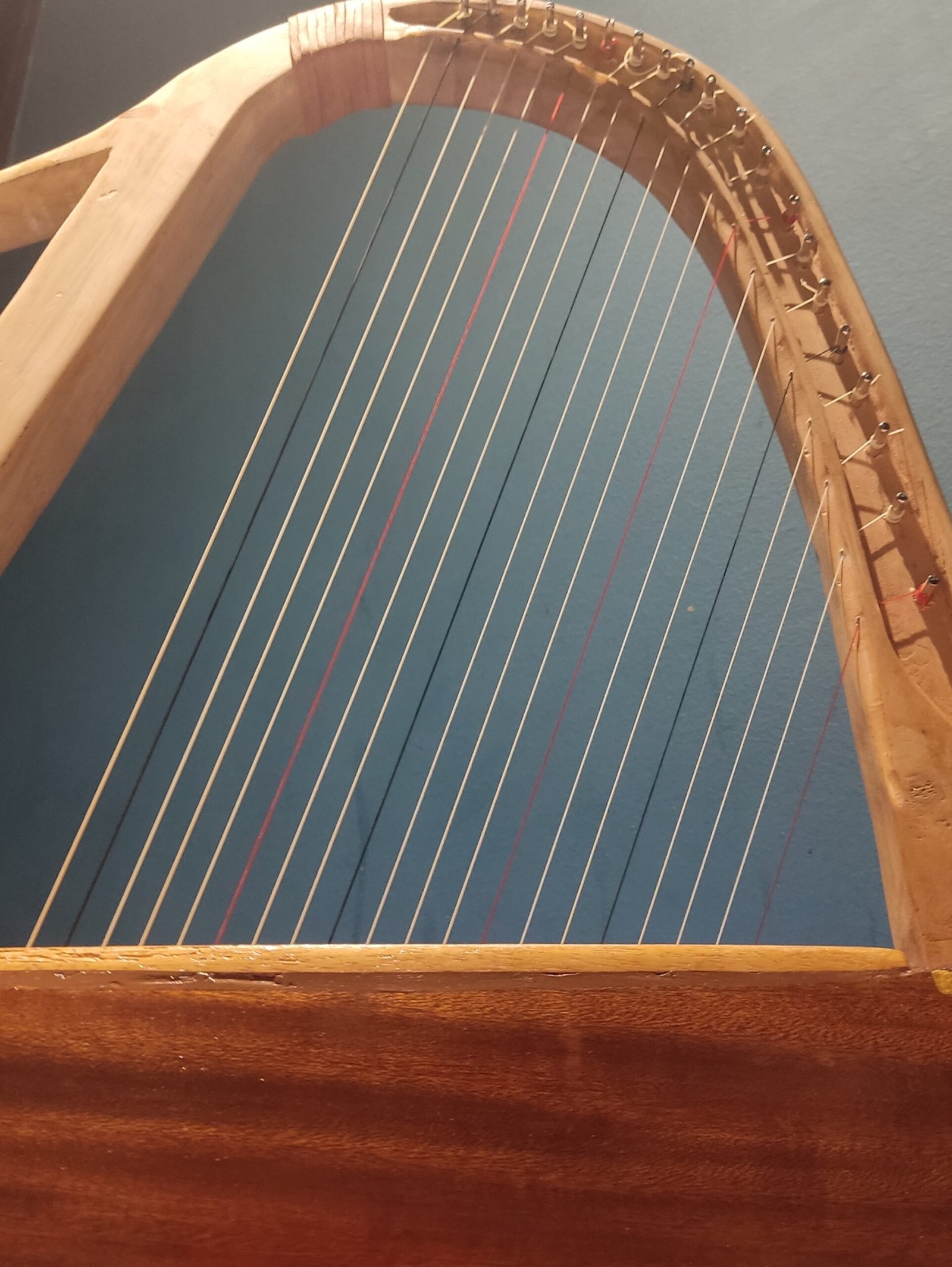
The Trigonon (Triangle) of the Cycladic period is the oldest evidence of a stringed instrument that we have in Greece. It was a multi-stringed instrument of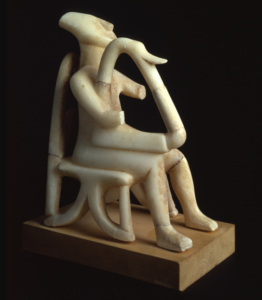 about 4,500 years old, with an ethereal sound, like the modern harp, which consisted of a wooden soundbox, an arm and a supporting side, forming a triangle. We have no information about the number of strings, which were of unequal length and stretched from the soundbox to the arm. The instrument belongs to the psaltery family and therefore we understand that it was played using the fingers.
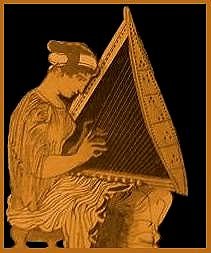
The triangle of the classical period (1,000-400 BC) resembles, at first glance, the corresponding archaic one of the Cycladic period (3,200-2,000 BC), but they have many important differences between them. In the classical triangle, the speaker is not located on the side that touches the player’s foot, but directly opposite it. Therefore, it has a fundamental difference in relation to the triangle of the Cyclades, but also to the modern harp, where in both cases the high-frequency strings are close to the player’s body. Here the bass strings are close to the harpist, as is the case with the Lyre. Therefore, the logic of the performance of the music is exactly the opposite, although the sound they produce is similar. However, in all cases of the psalteries (Trigono, Pyktis, Epigonio) the information is poor.
Testimonials
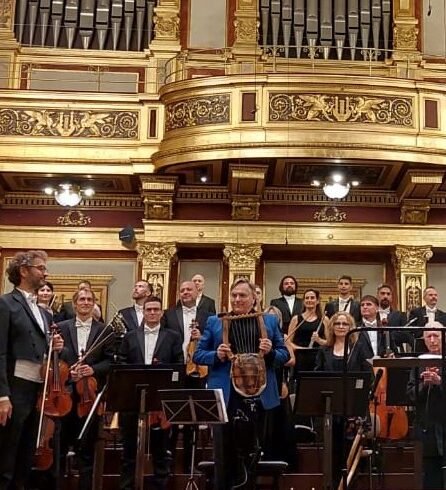
Dr. Nikos Xanthoulis, Musician & Resercher, Athens, Greece
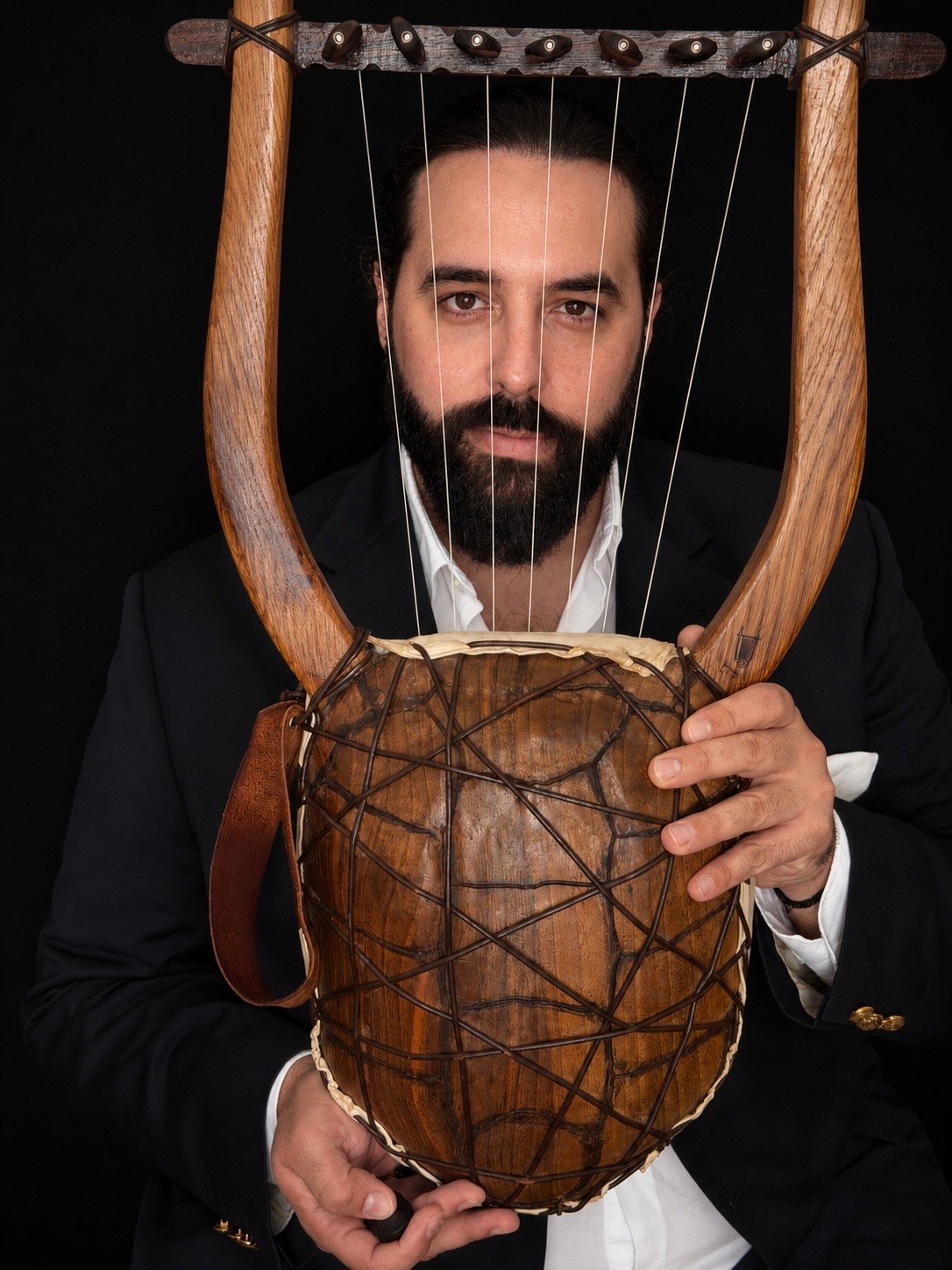
Ilias Zervas, Musician, Athens, Greece
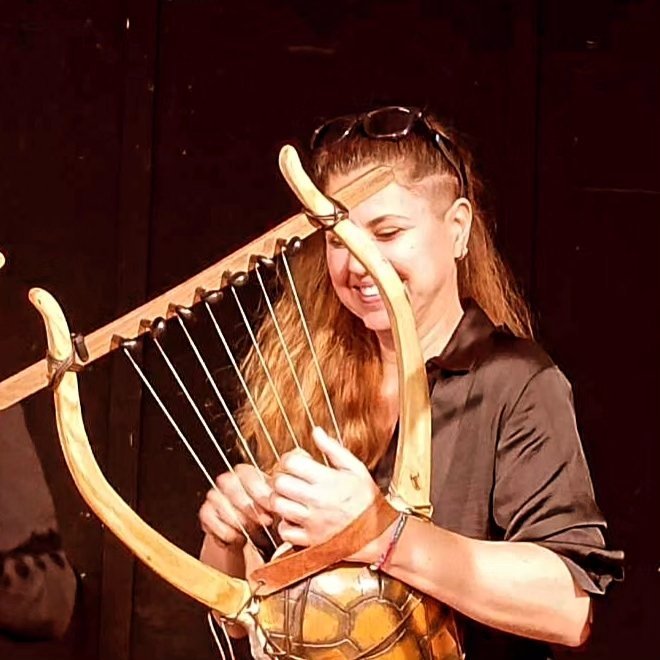
Sonia Charalampidou, Musician, Athens, Greece
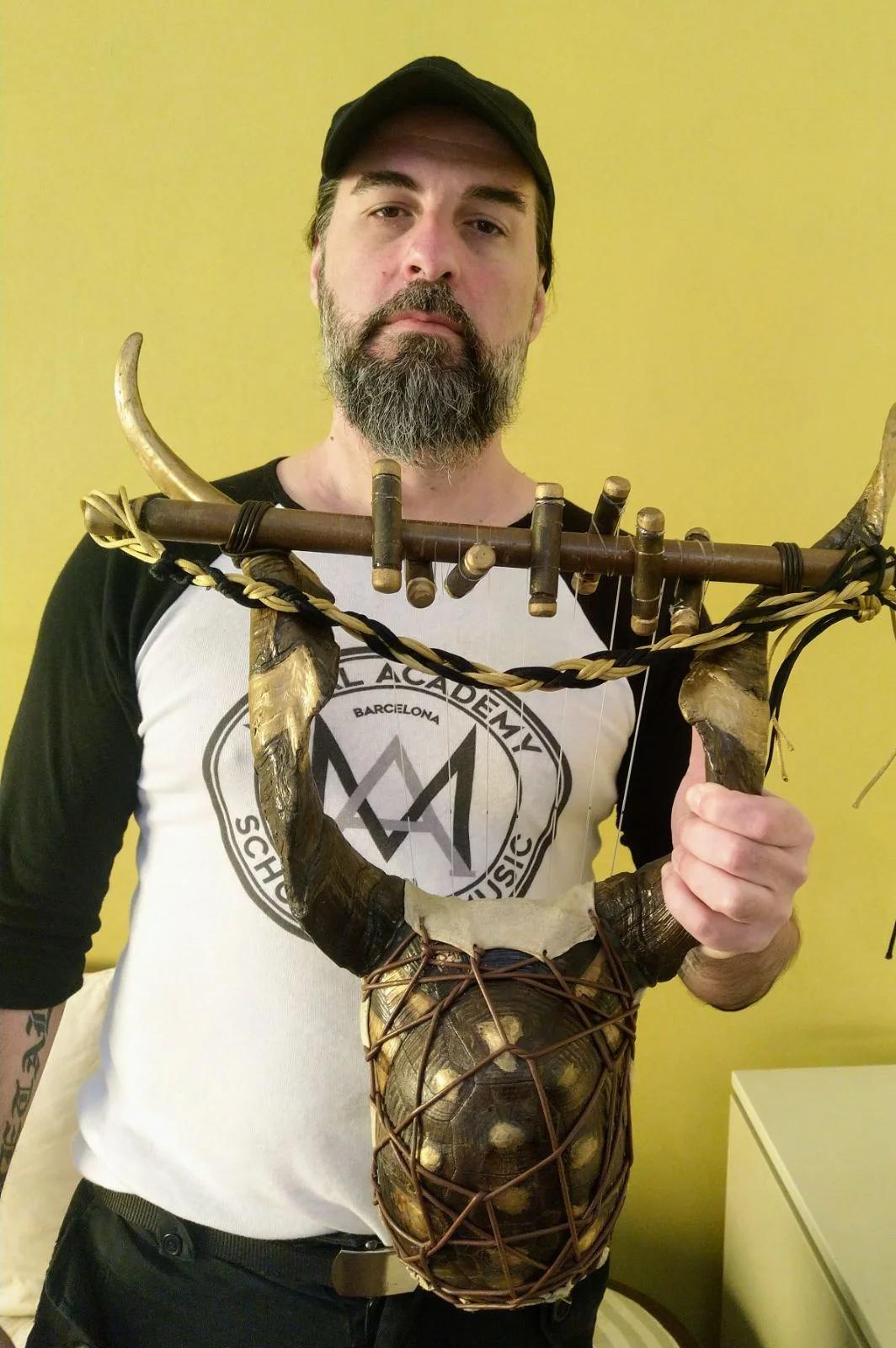
Sakis Tolis, Musician, Athens, Greece
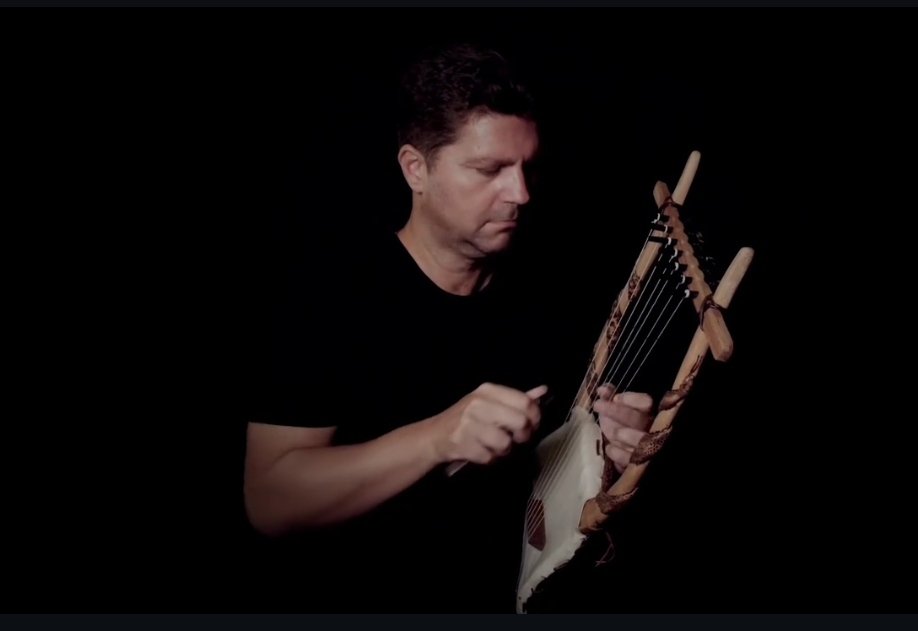
Giorgos Tabakis, Musician, Athens, Greece
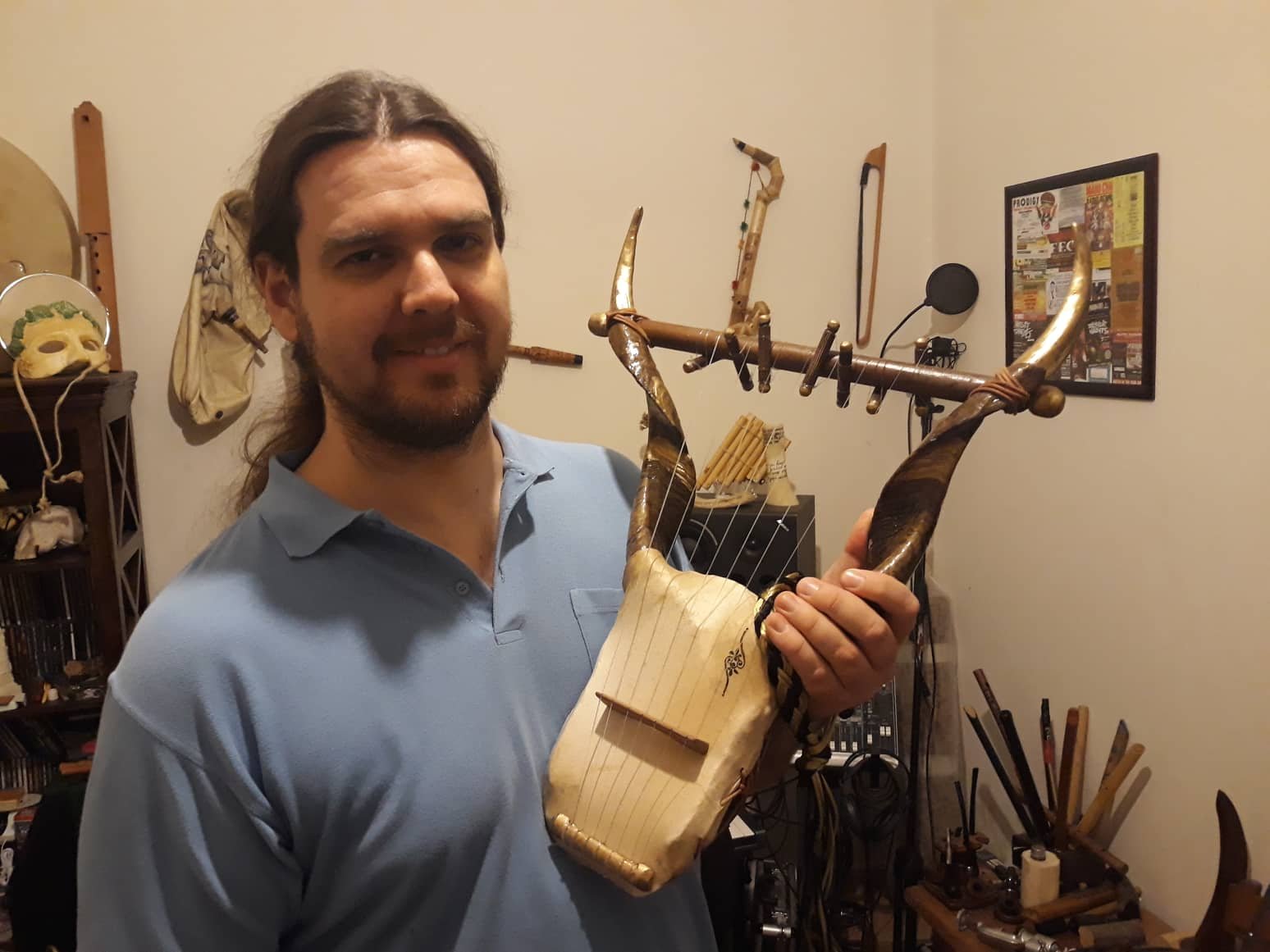
Alexandros Charalampous, Musician, Athens, Greece
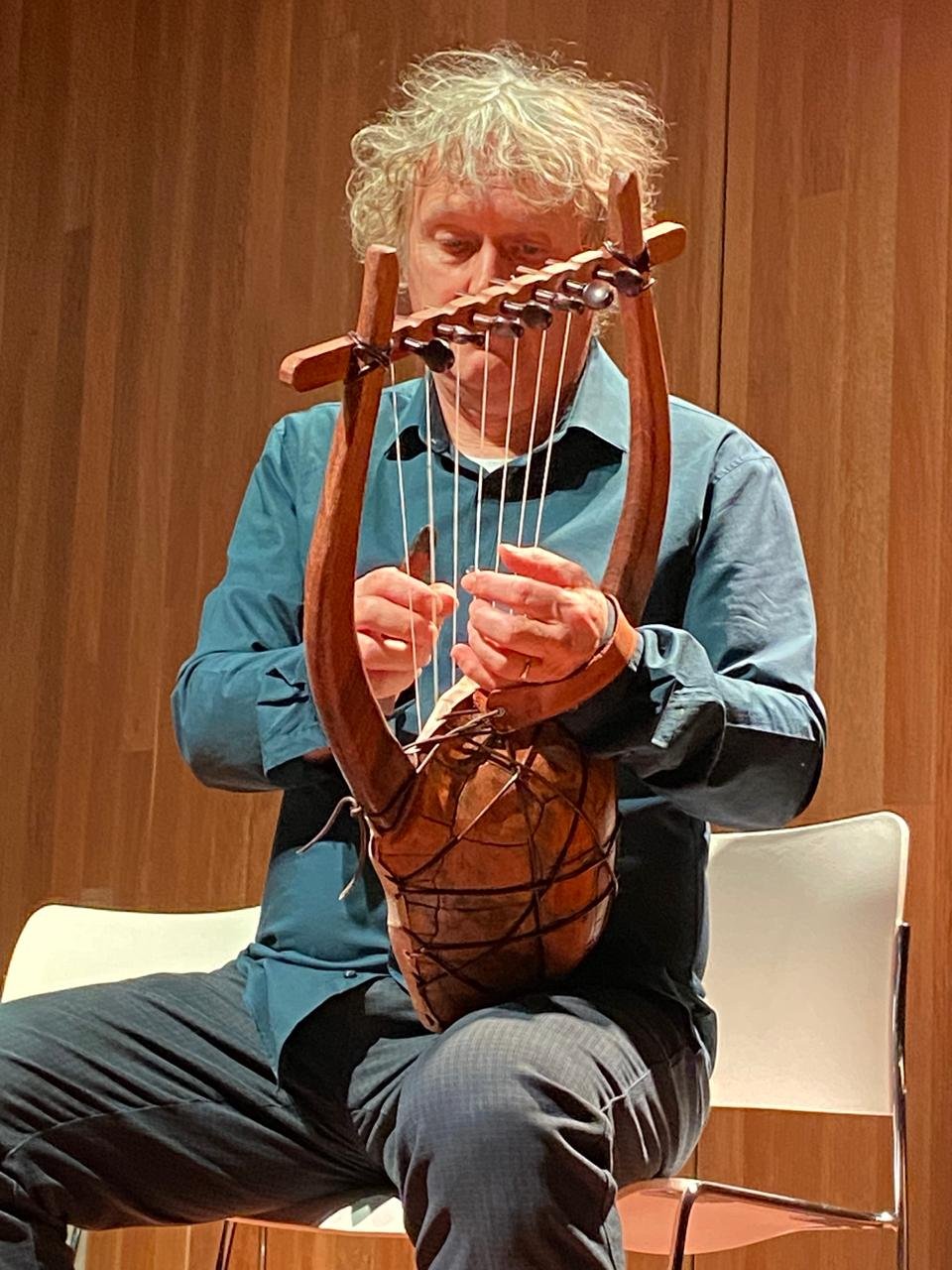
Rossano Munaretto, Musician, IT
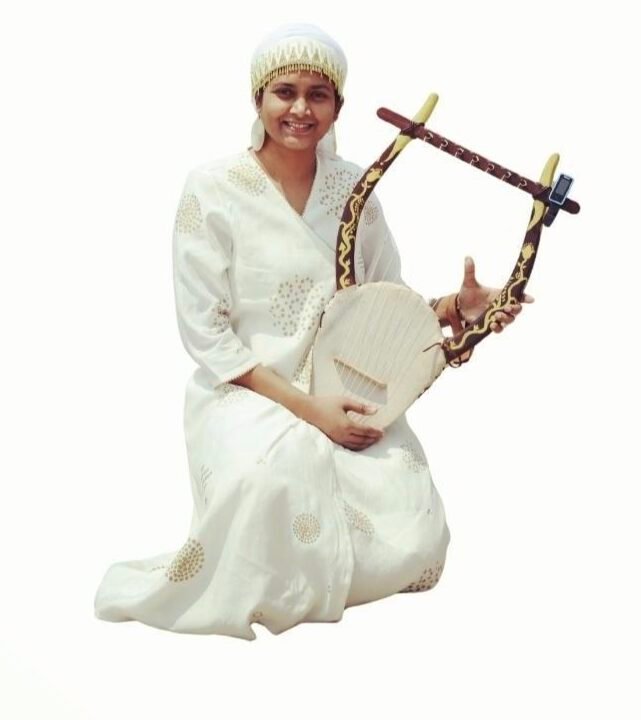
Sunitha Francis, Musician, India
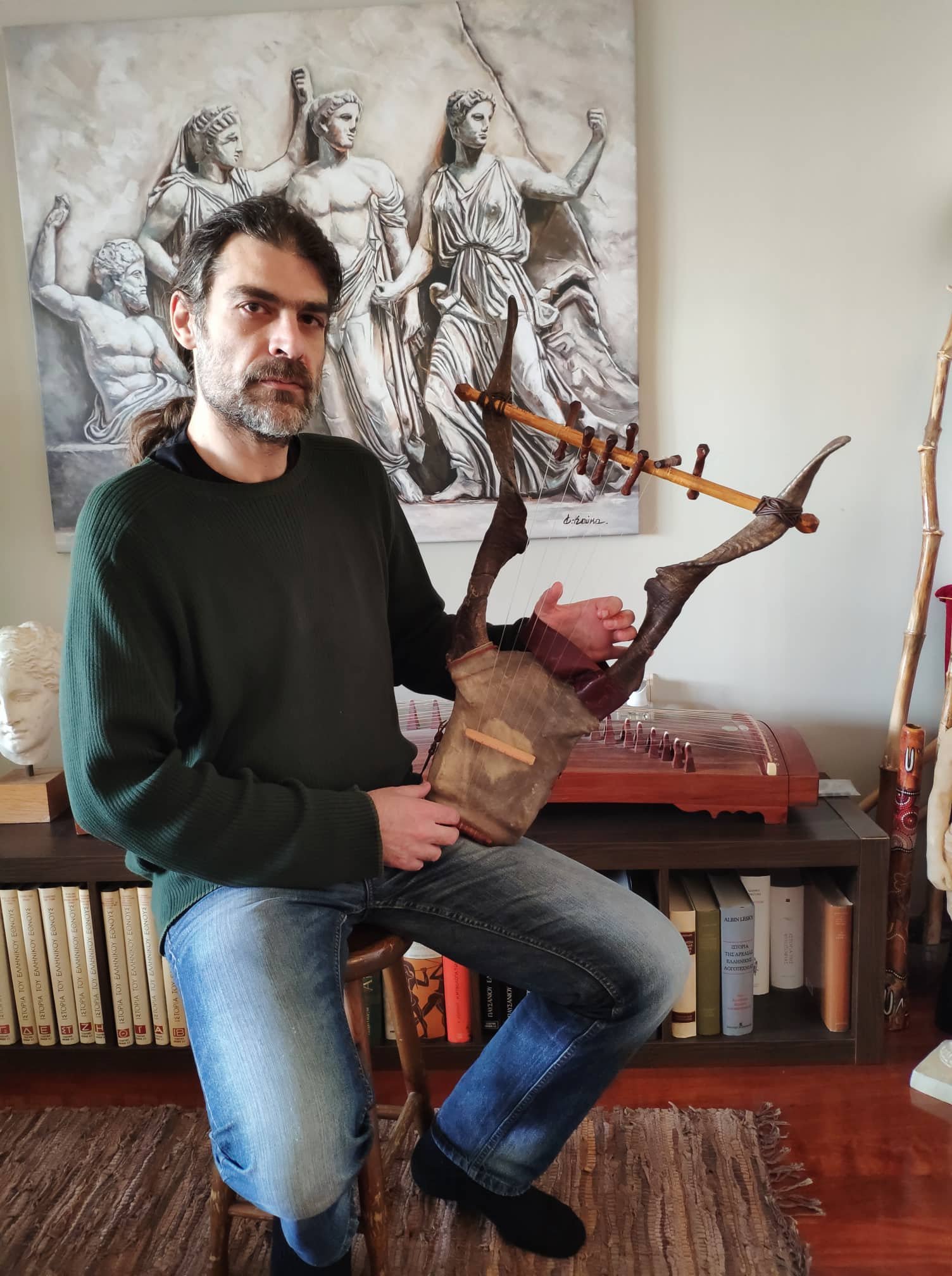
Pandion, Musician, Athens, Greece

Nicolo Manicardi, Musician, Badalona, Spain
Anthi Bozoviti, Musician, Athens, Greece