Image details
Barbitos
Ancient Greek Barbitos
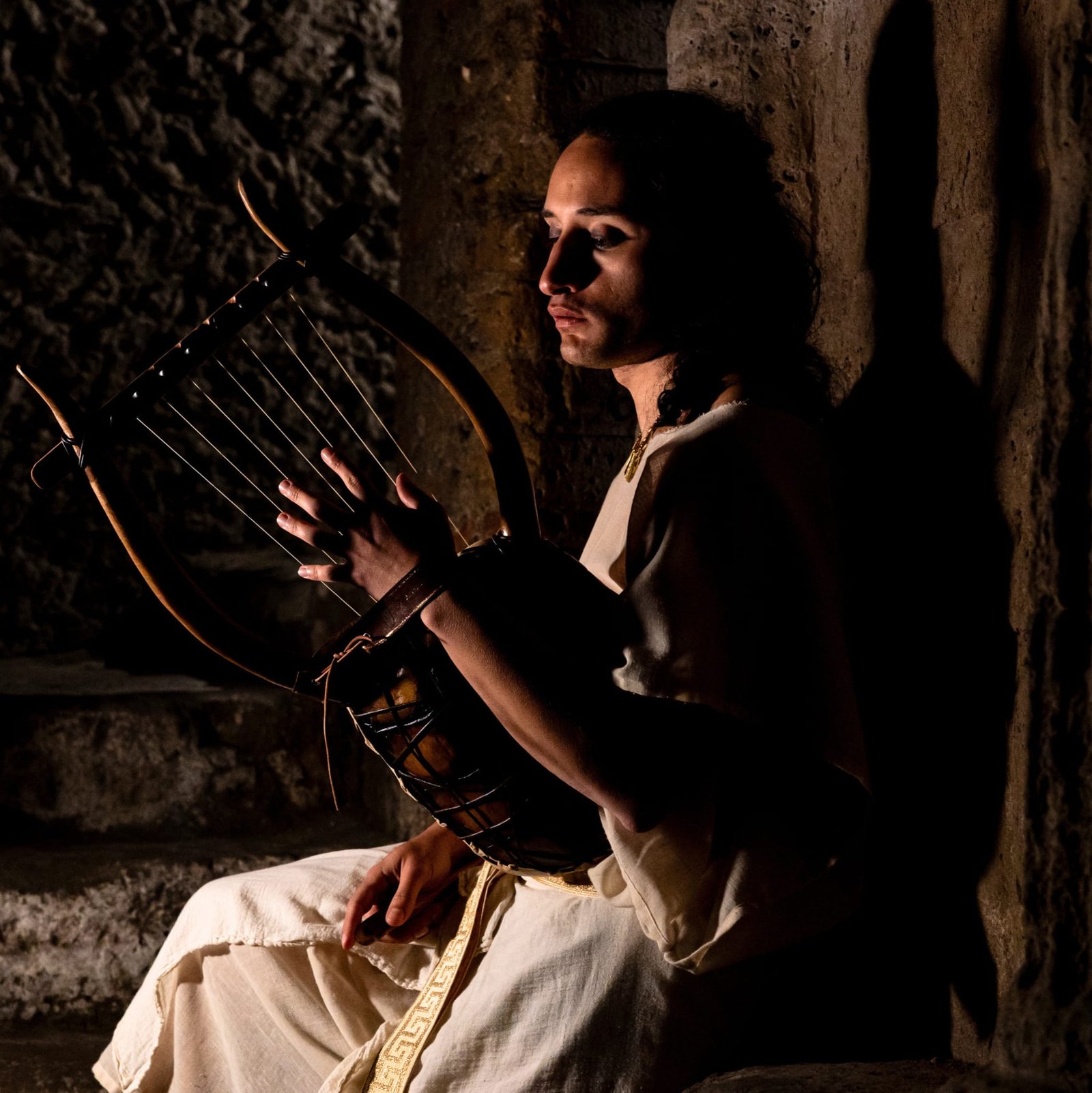
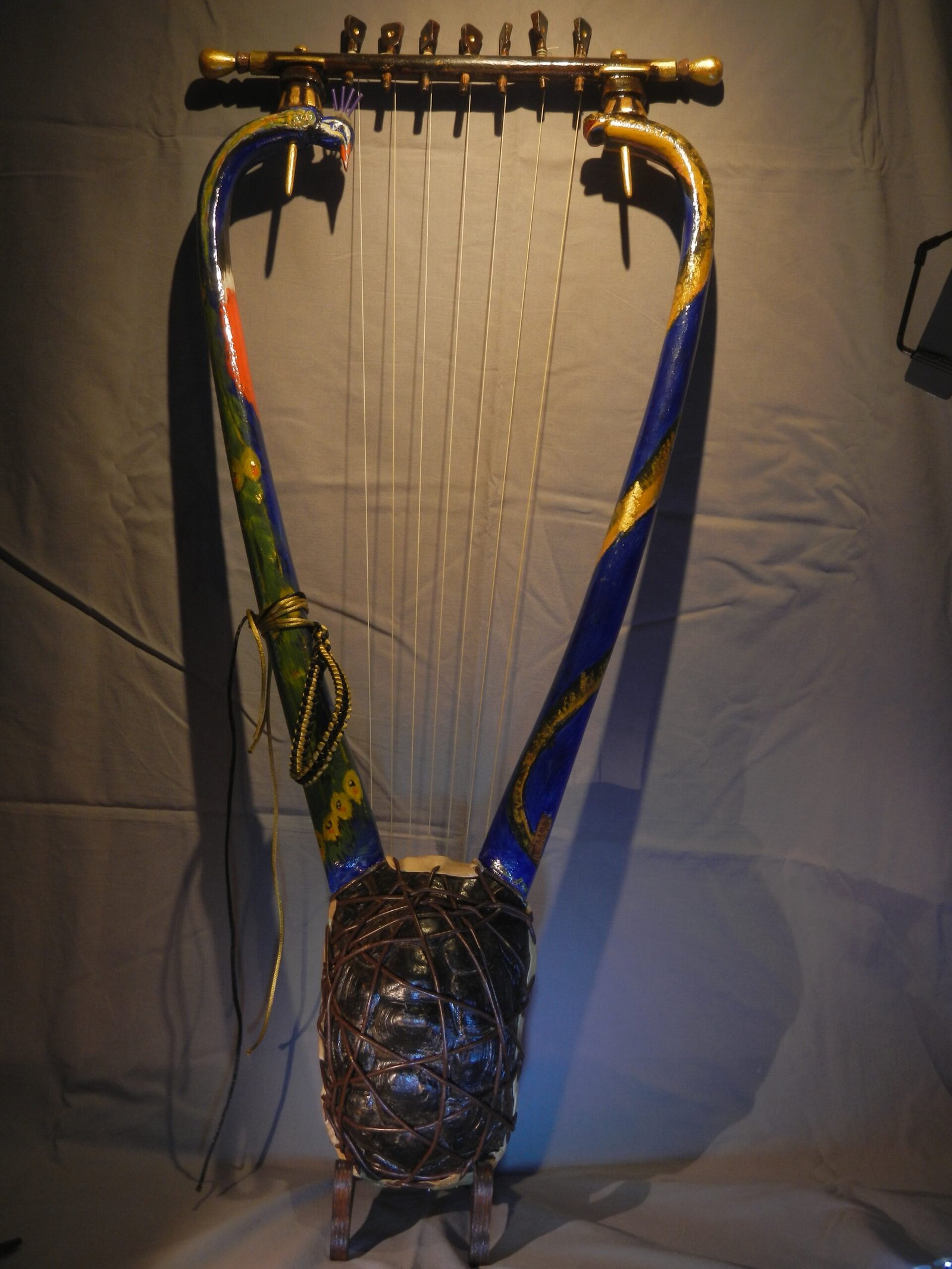
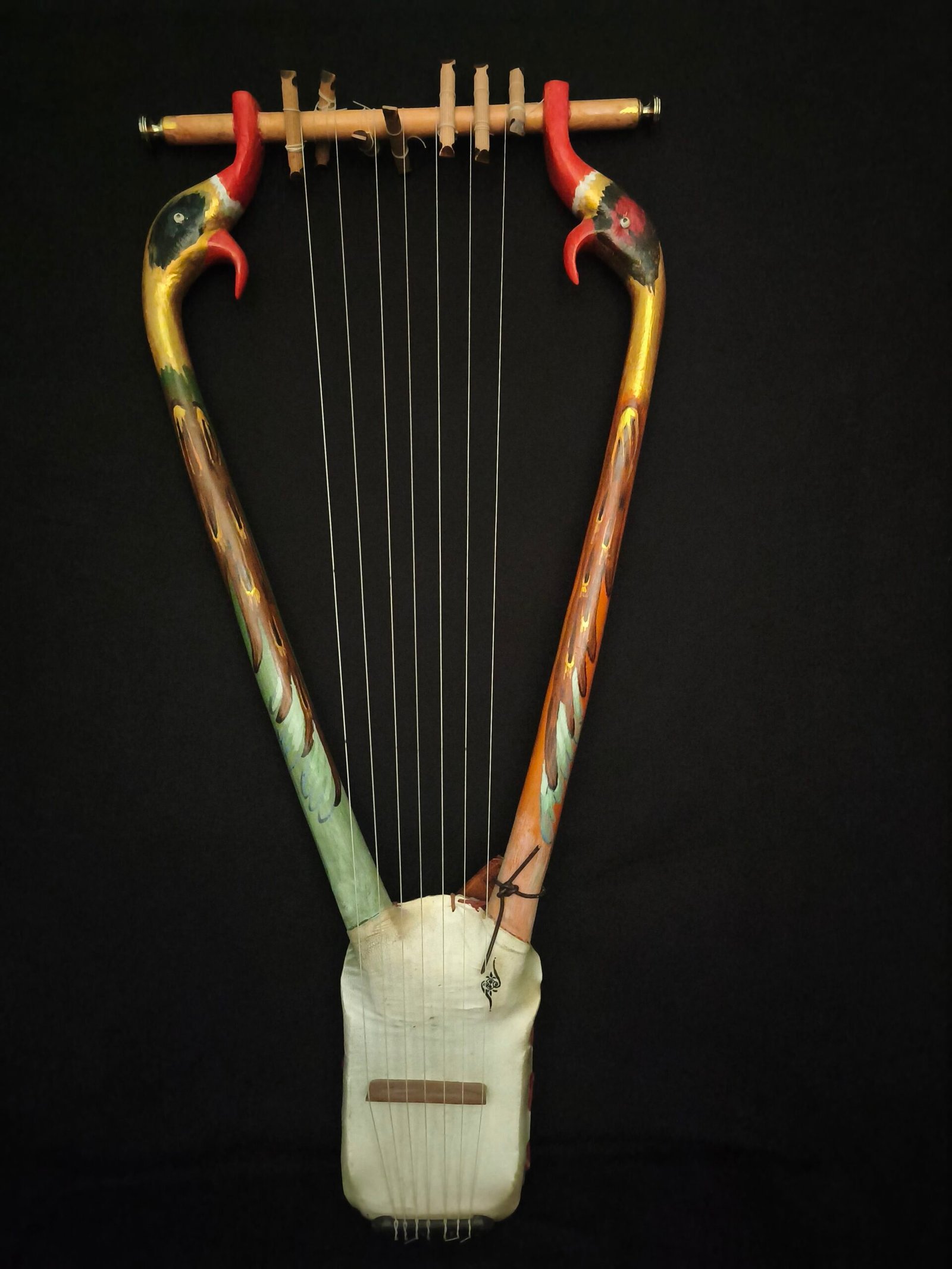
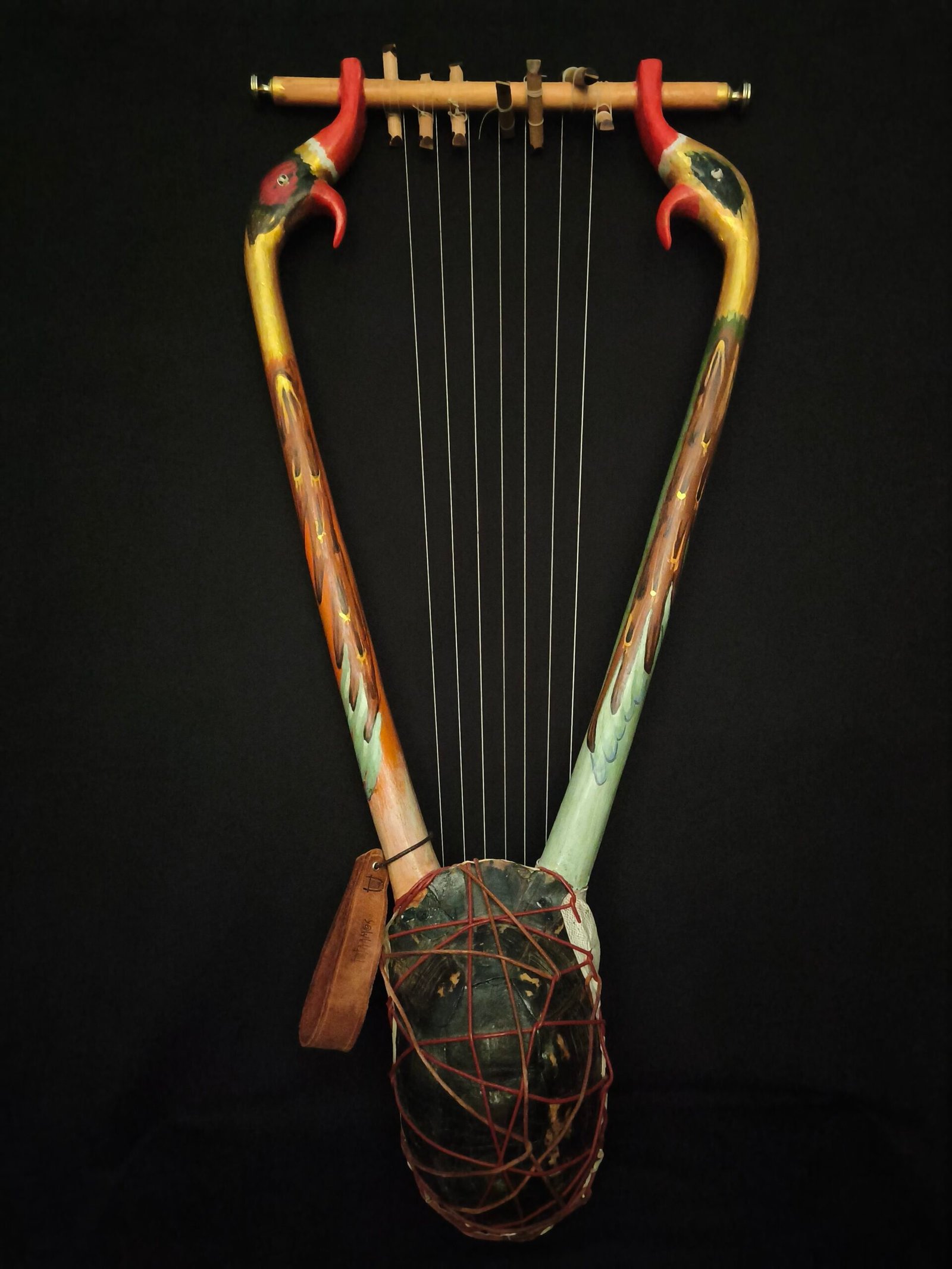
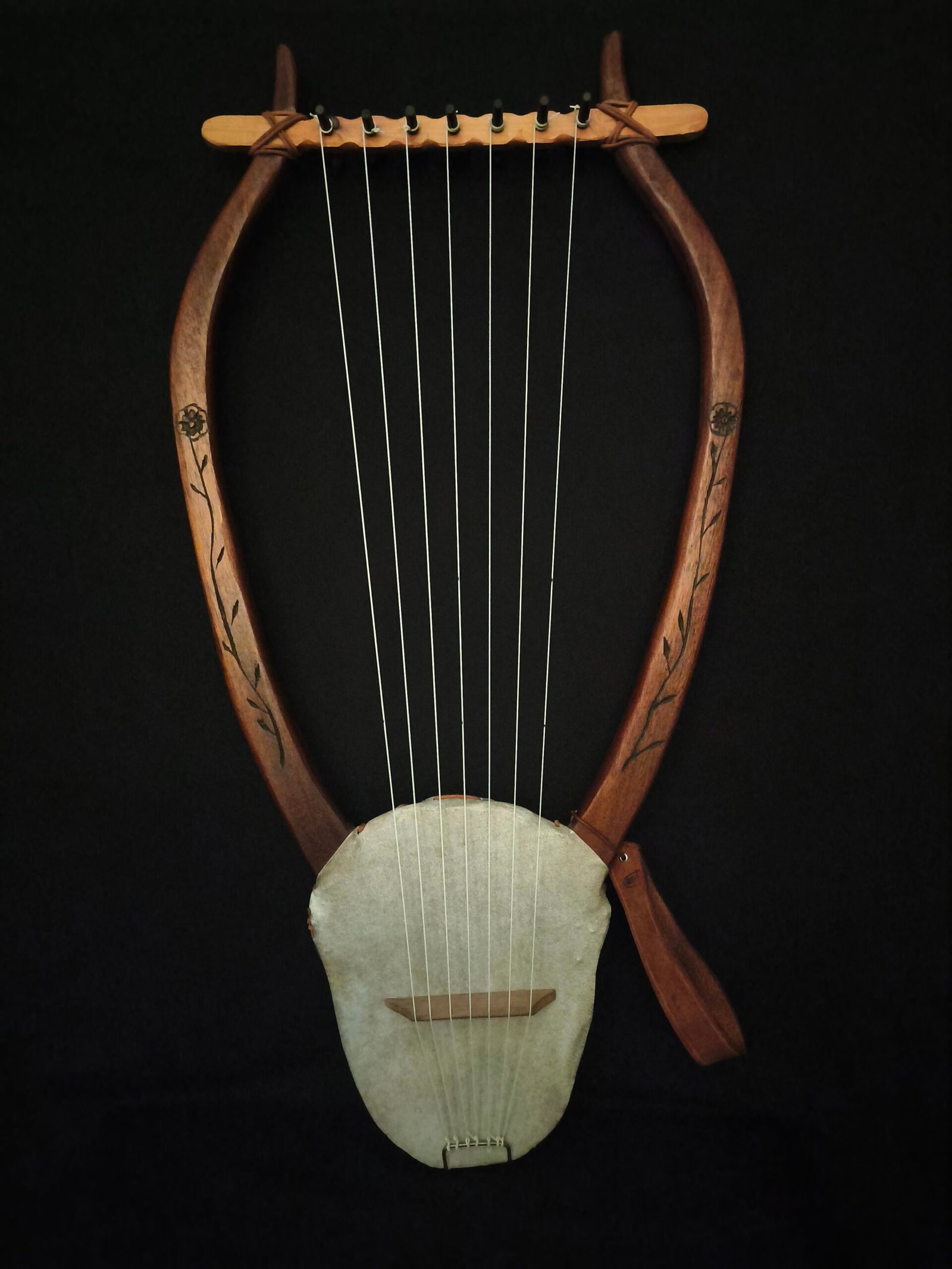
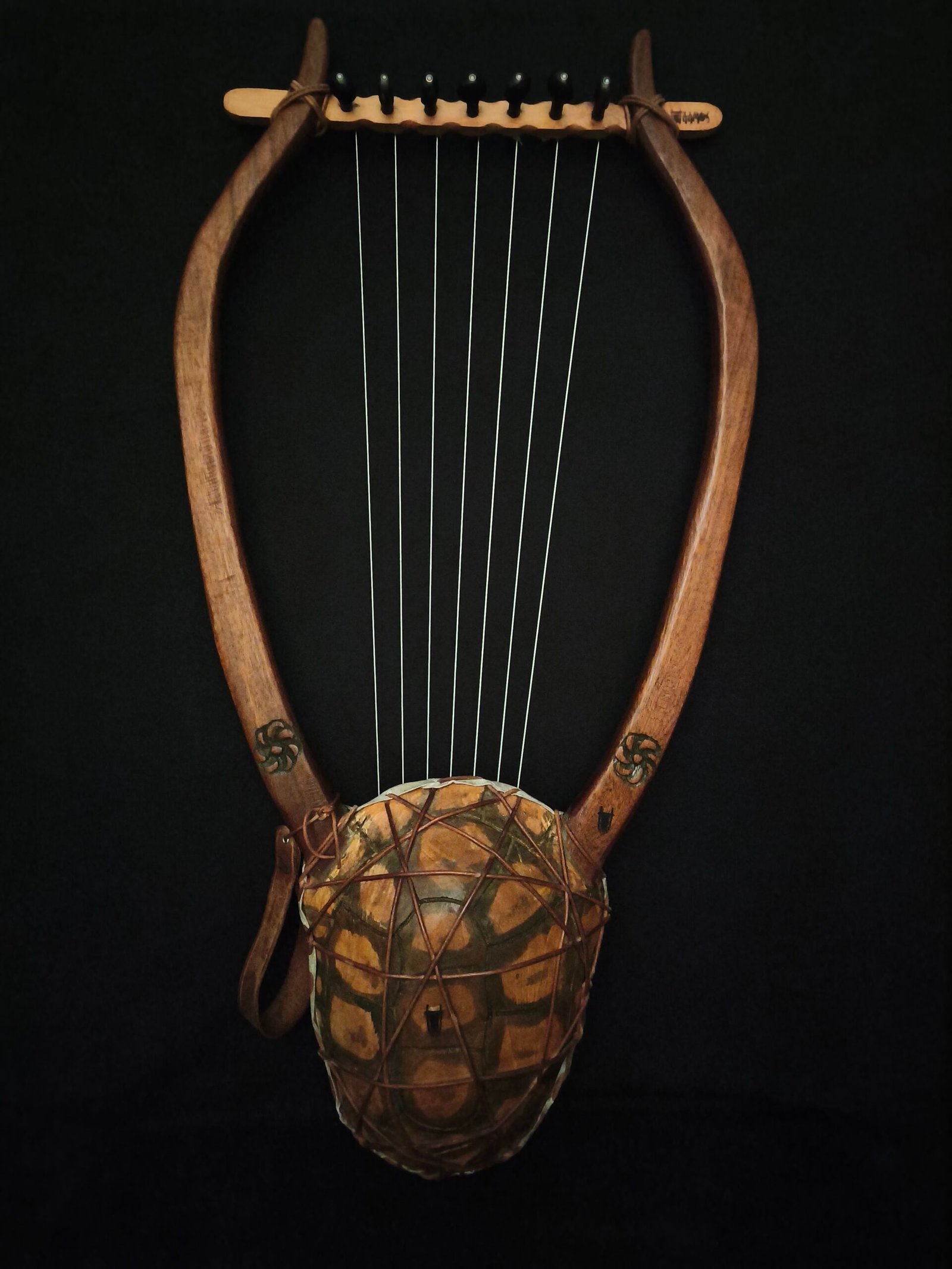
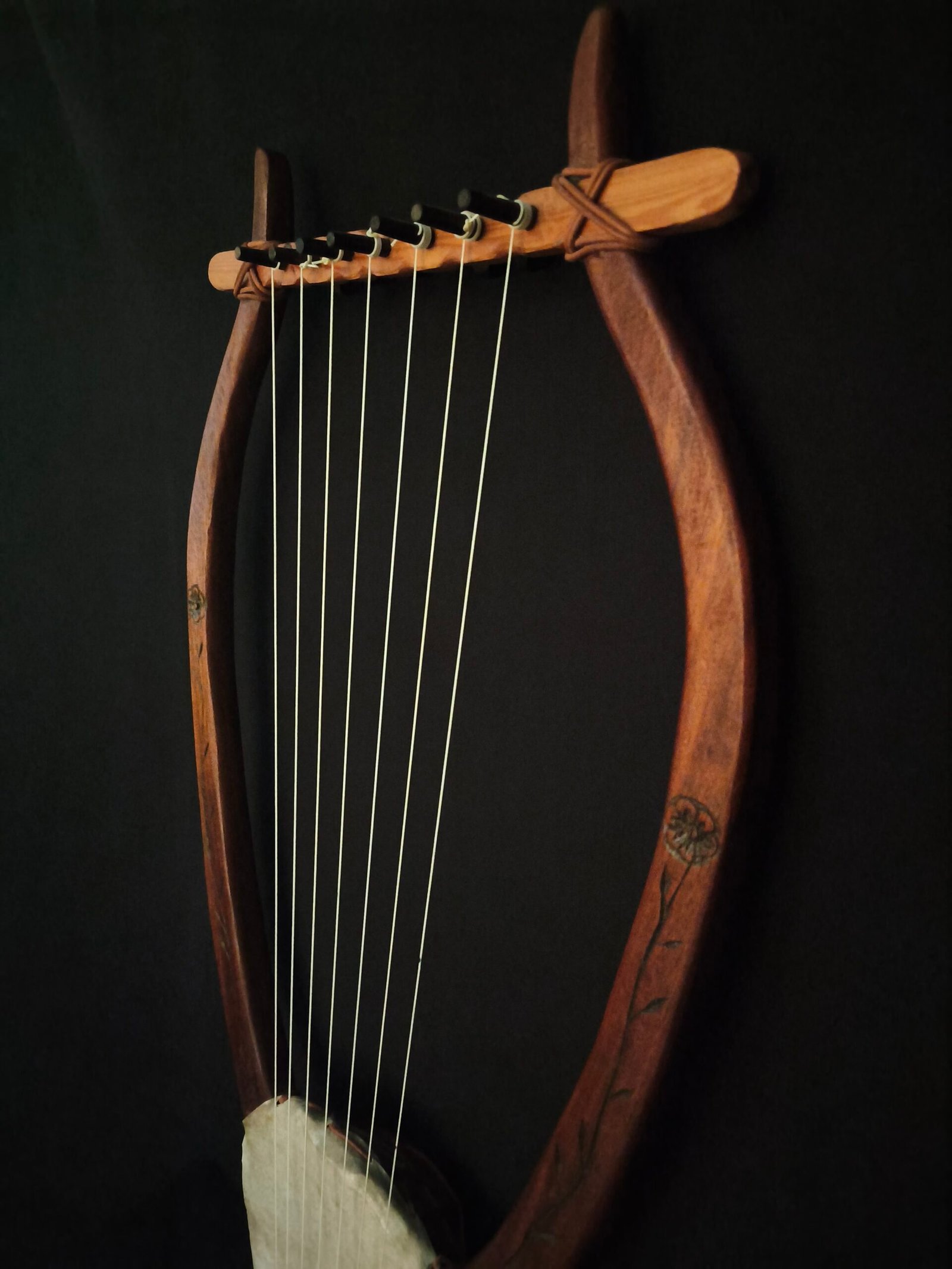
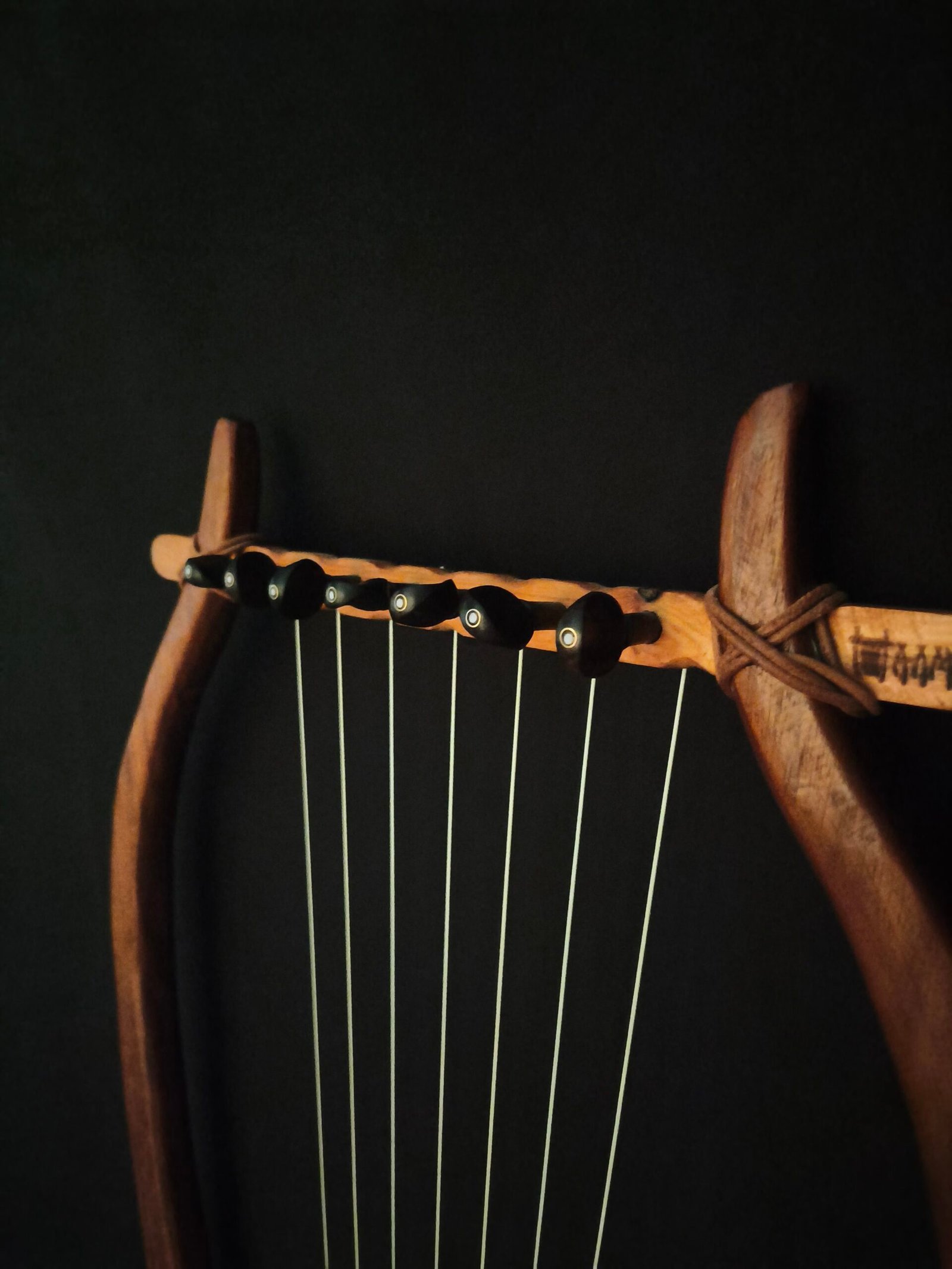
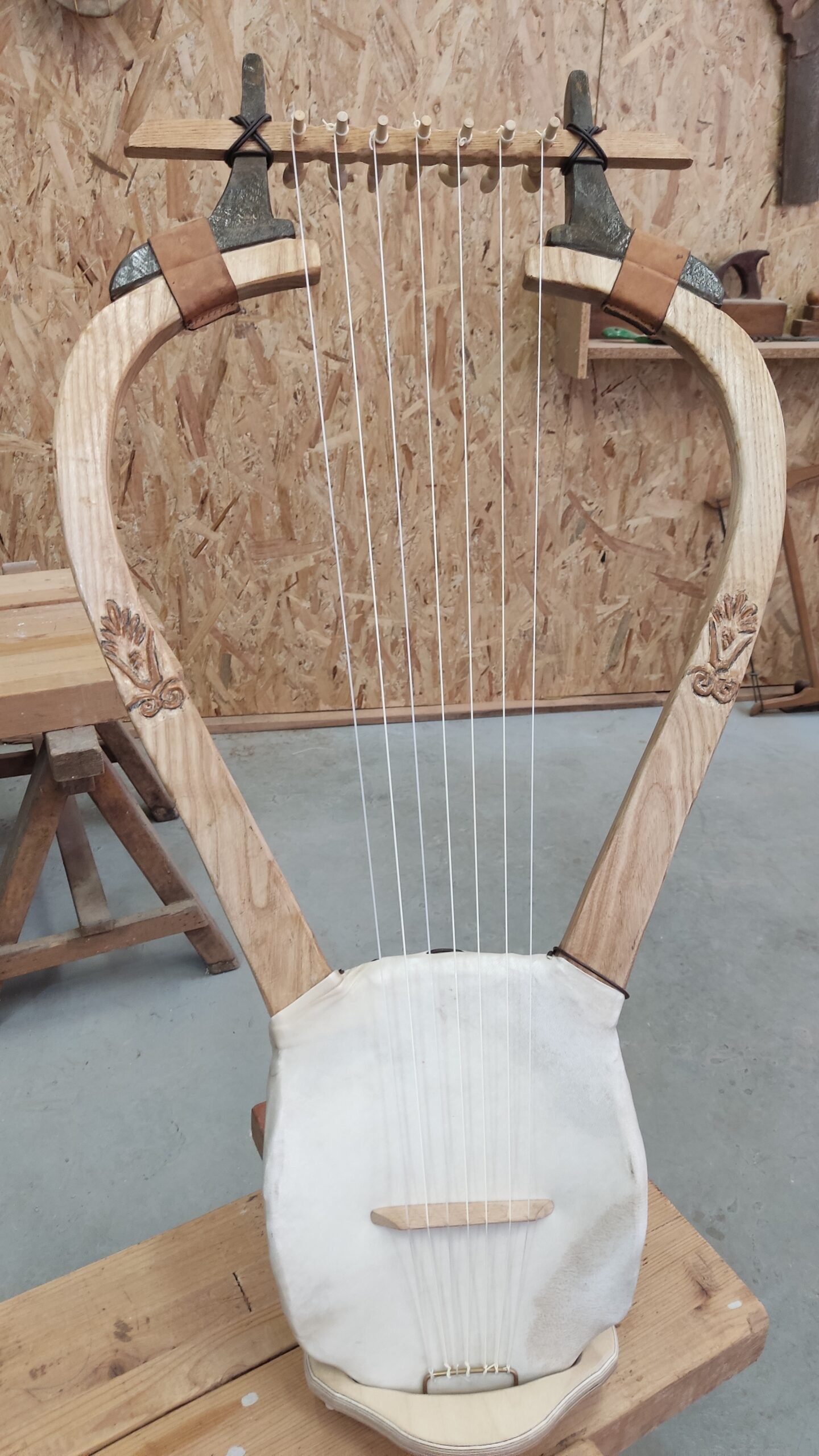
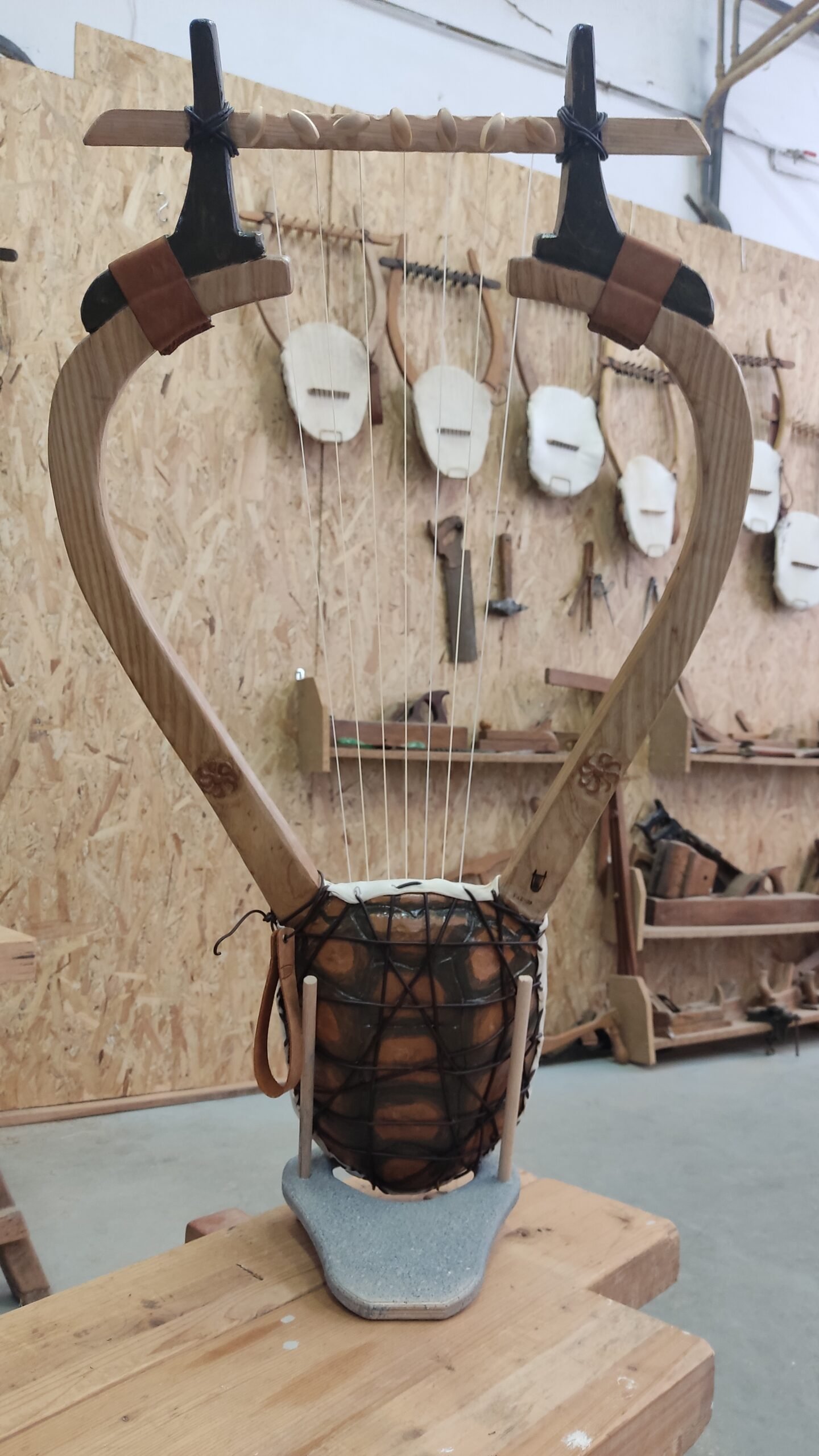
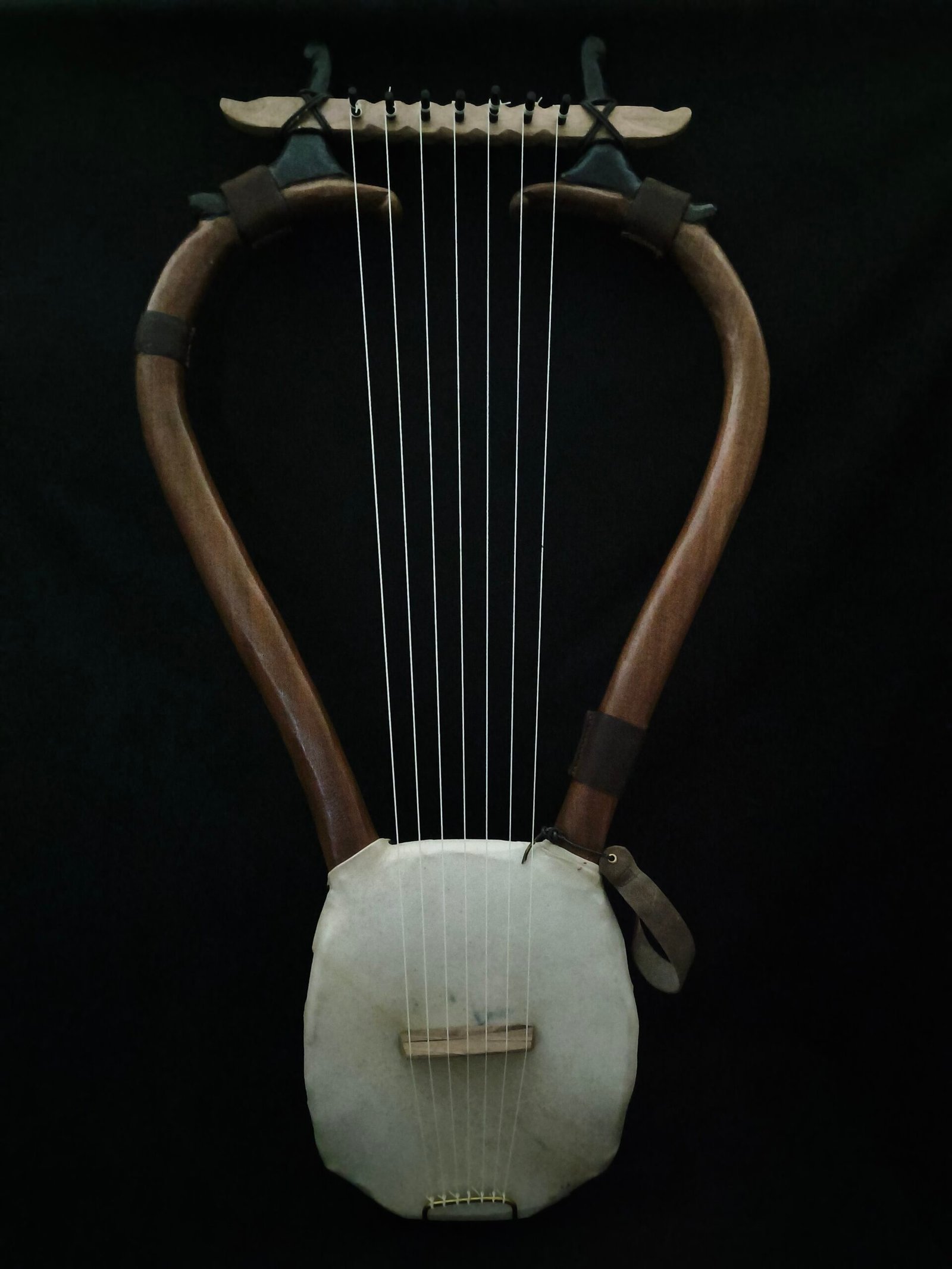
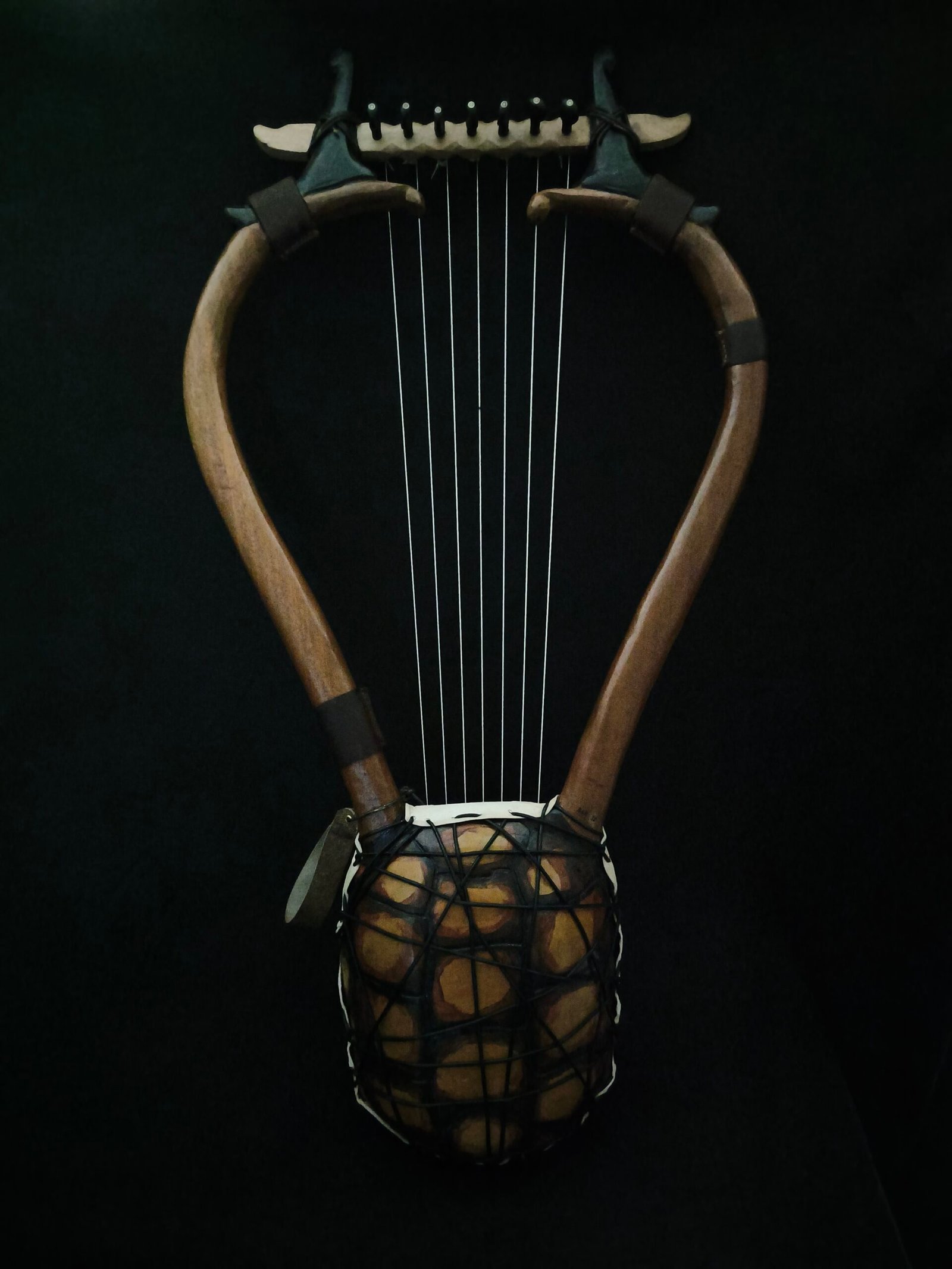
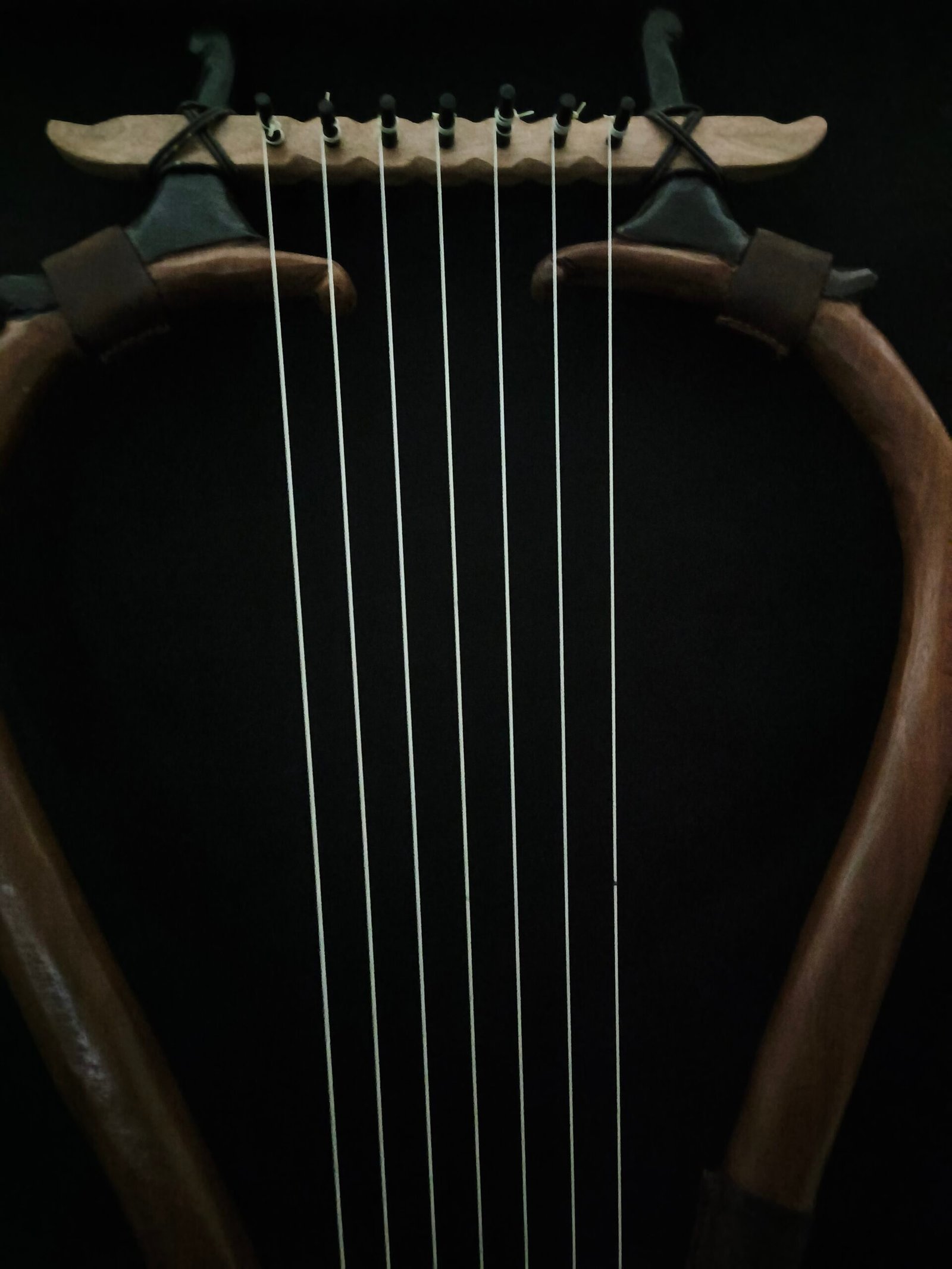
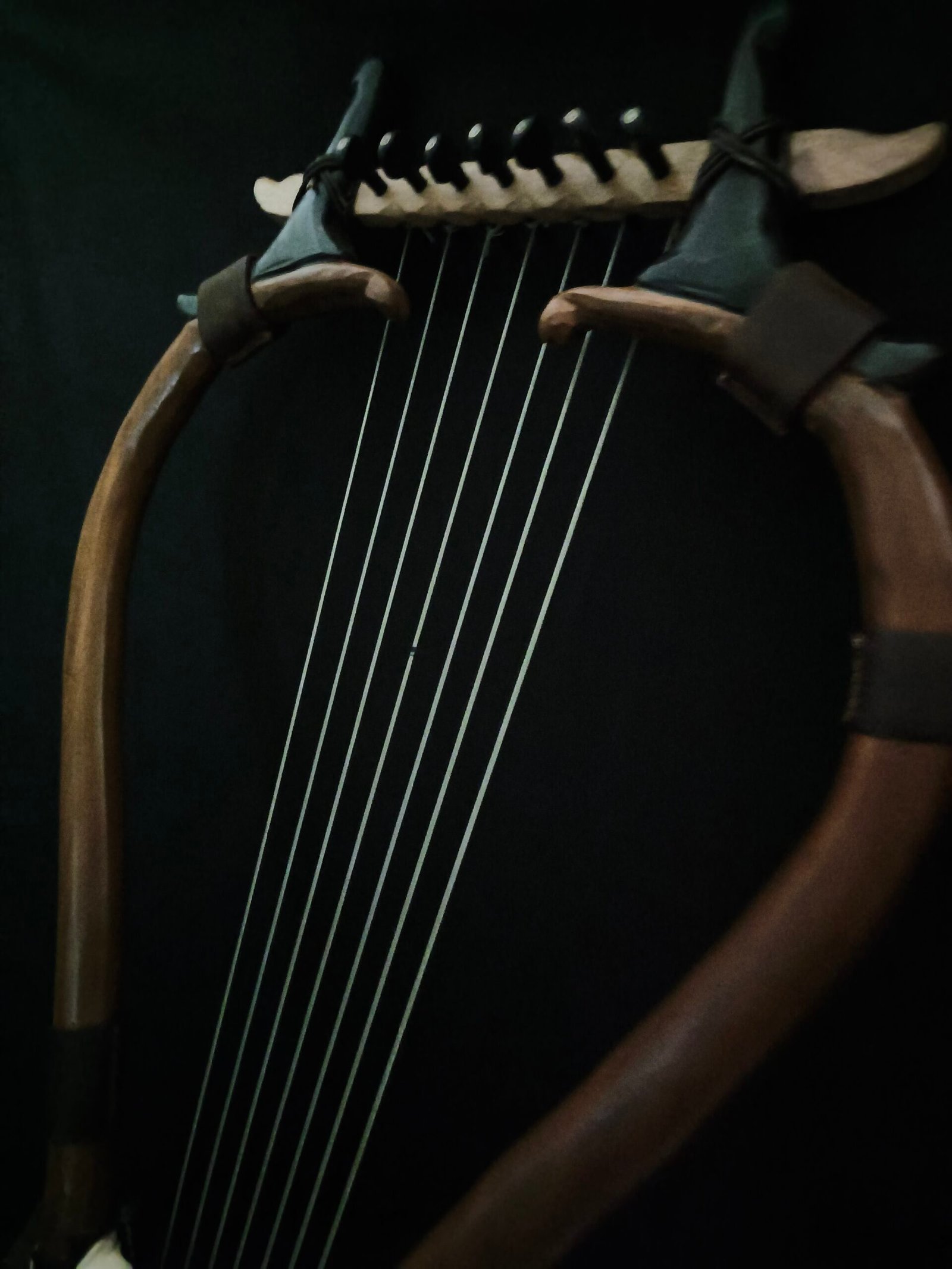
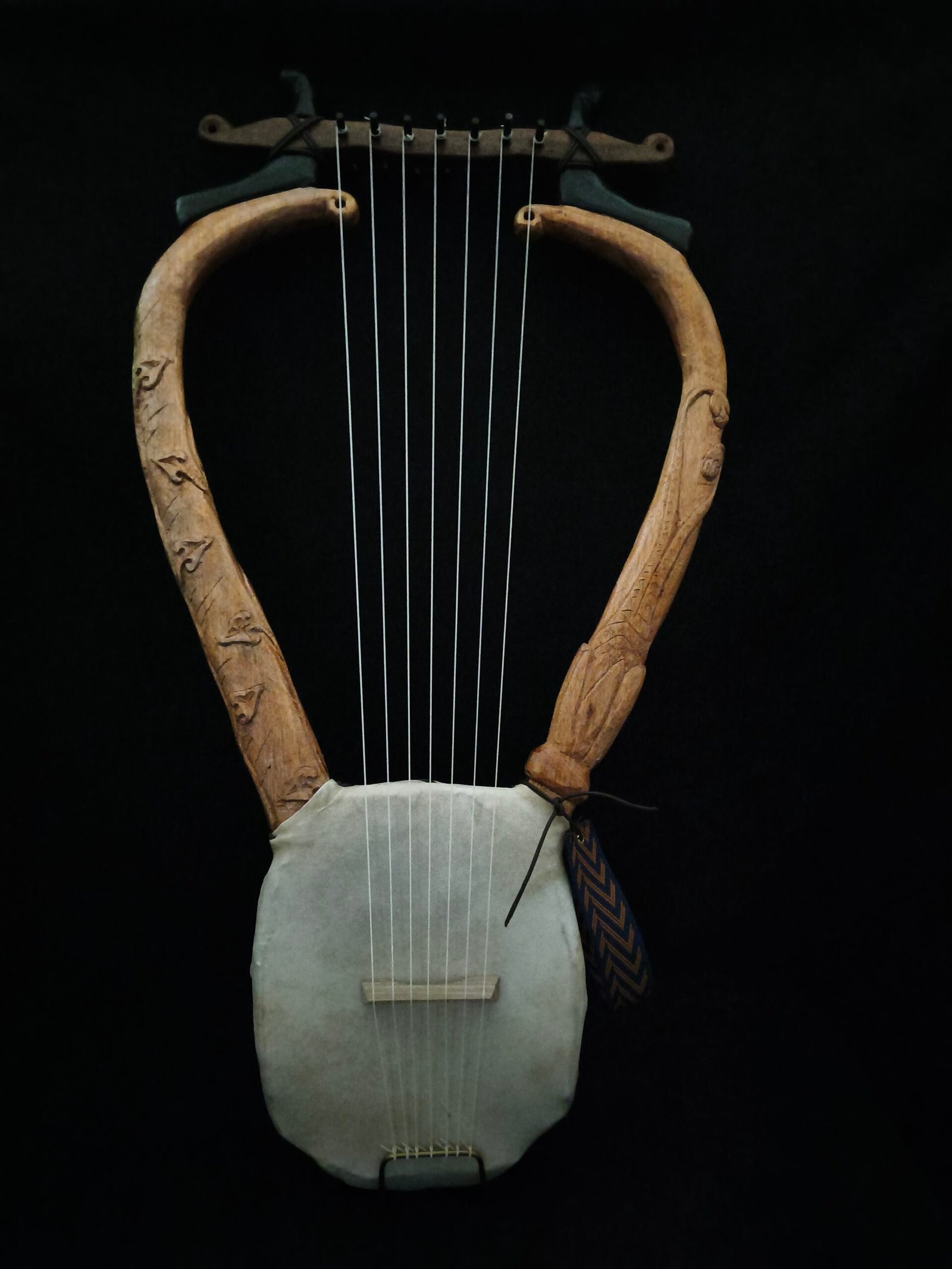
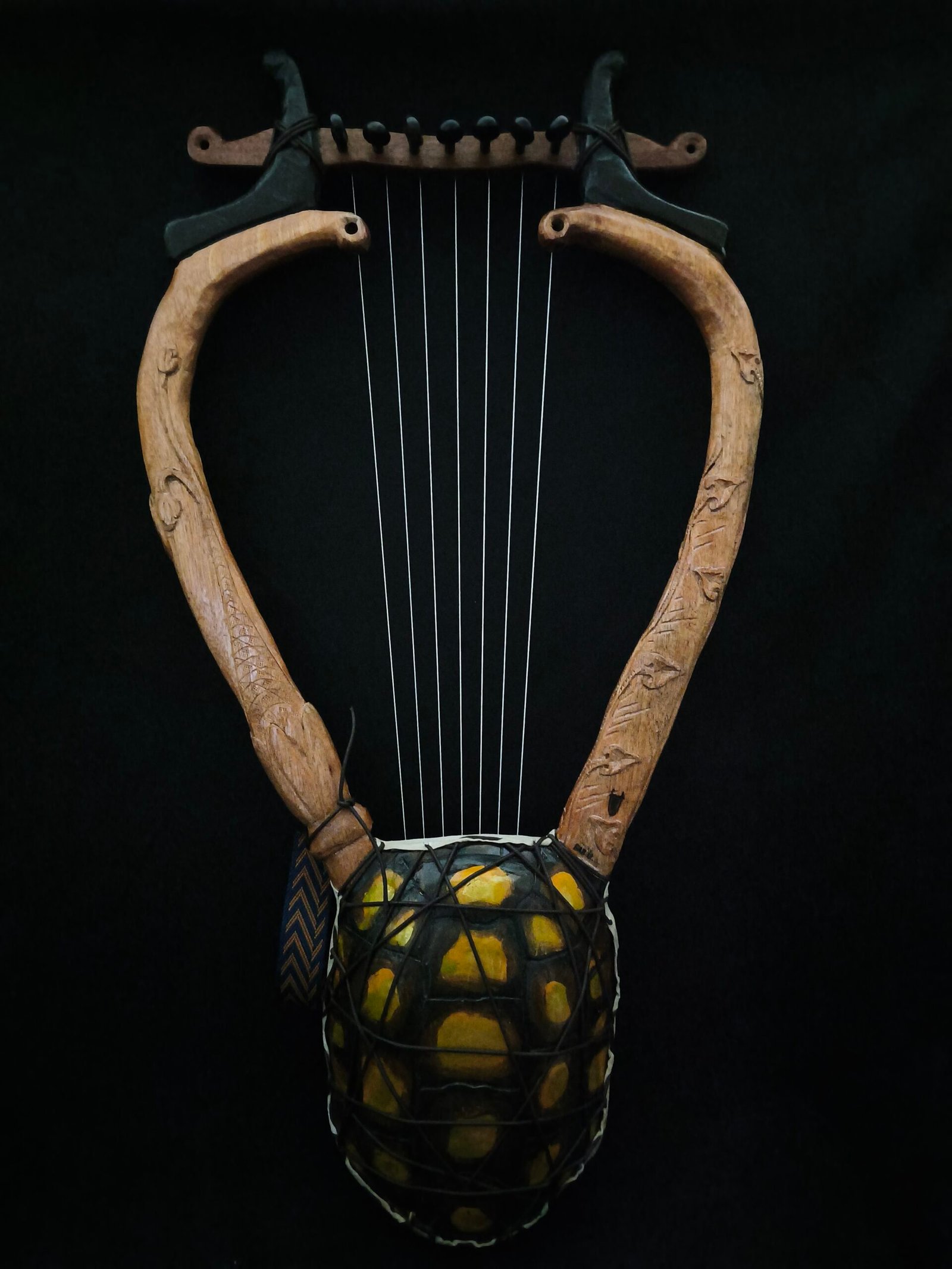
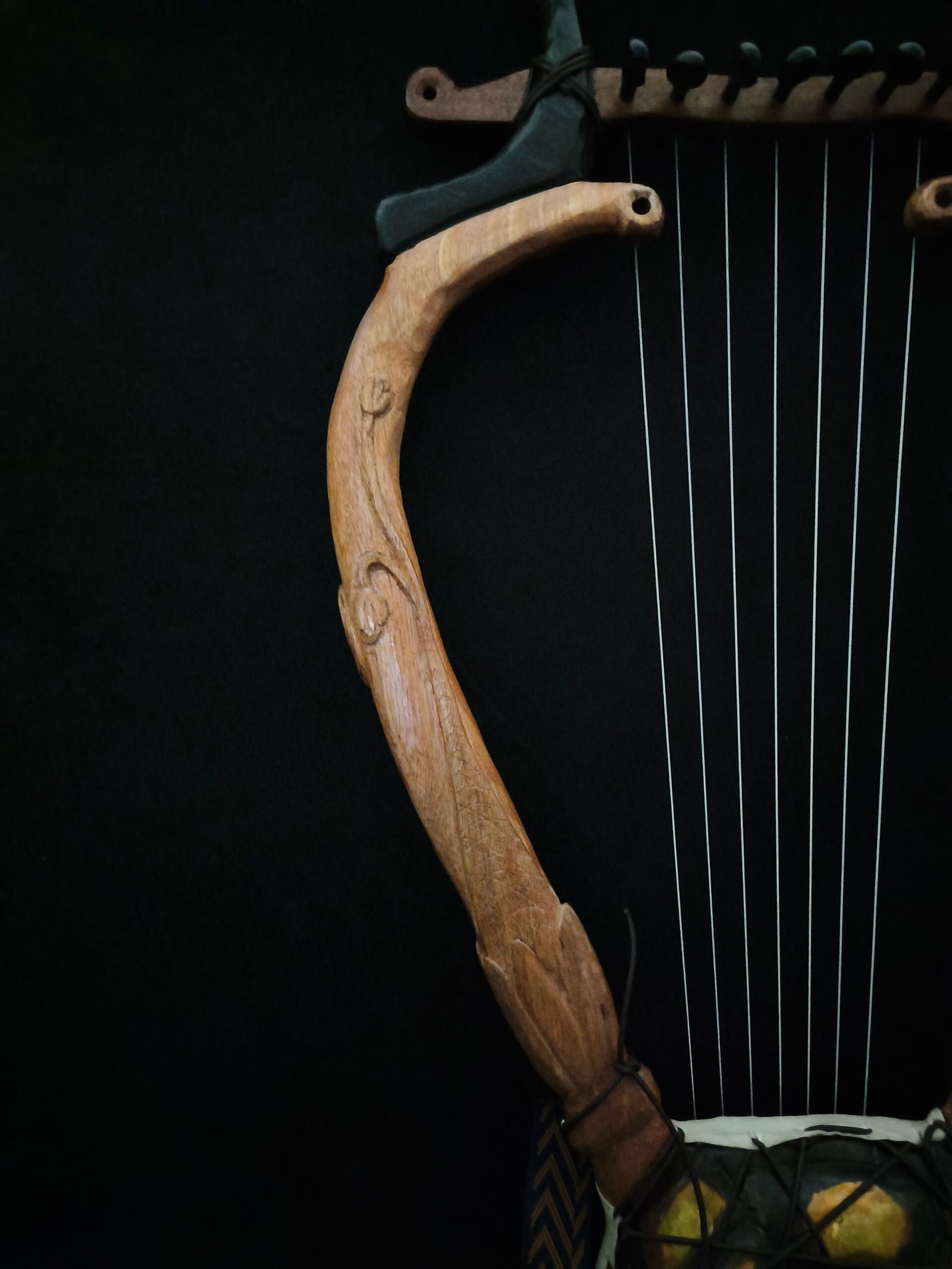
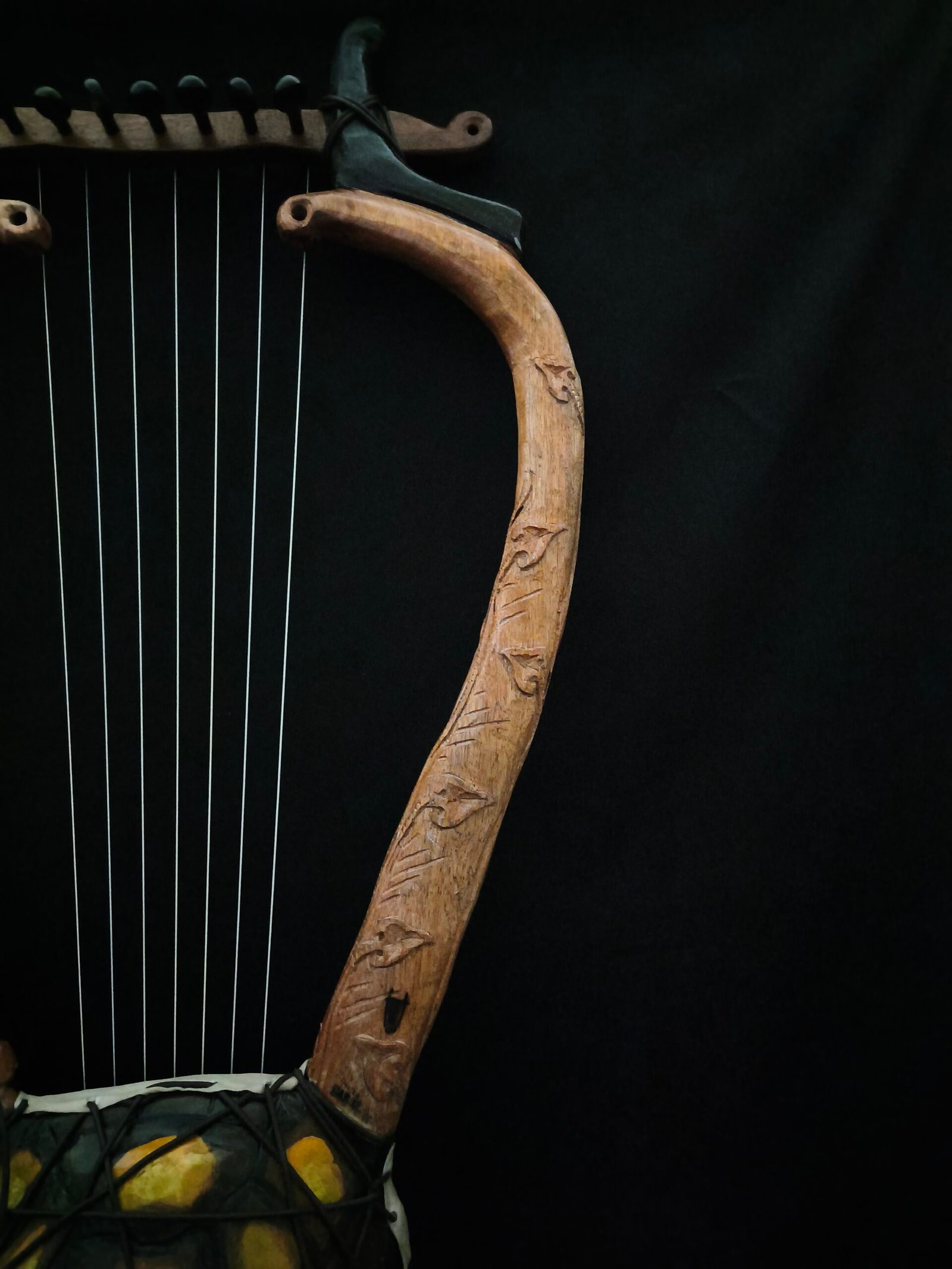
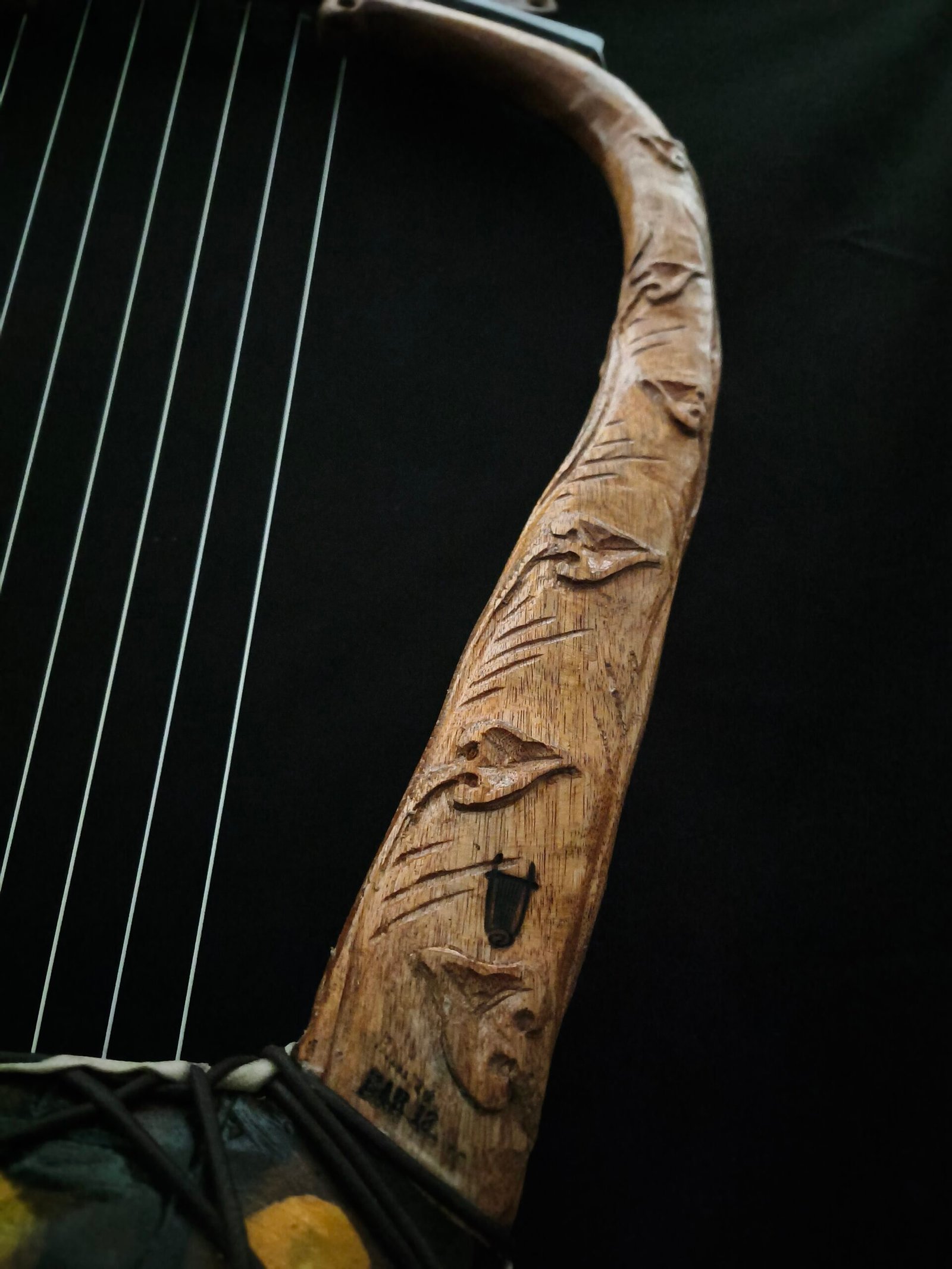
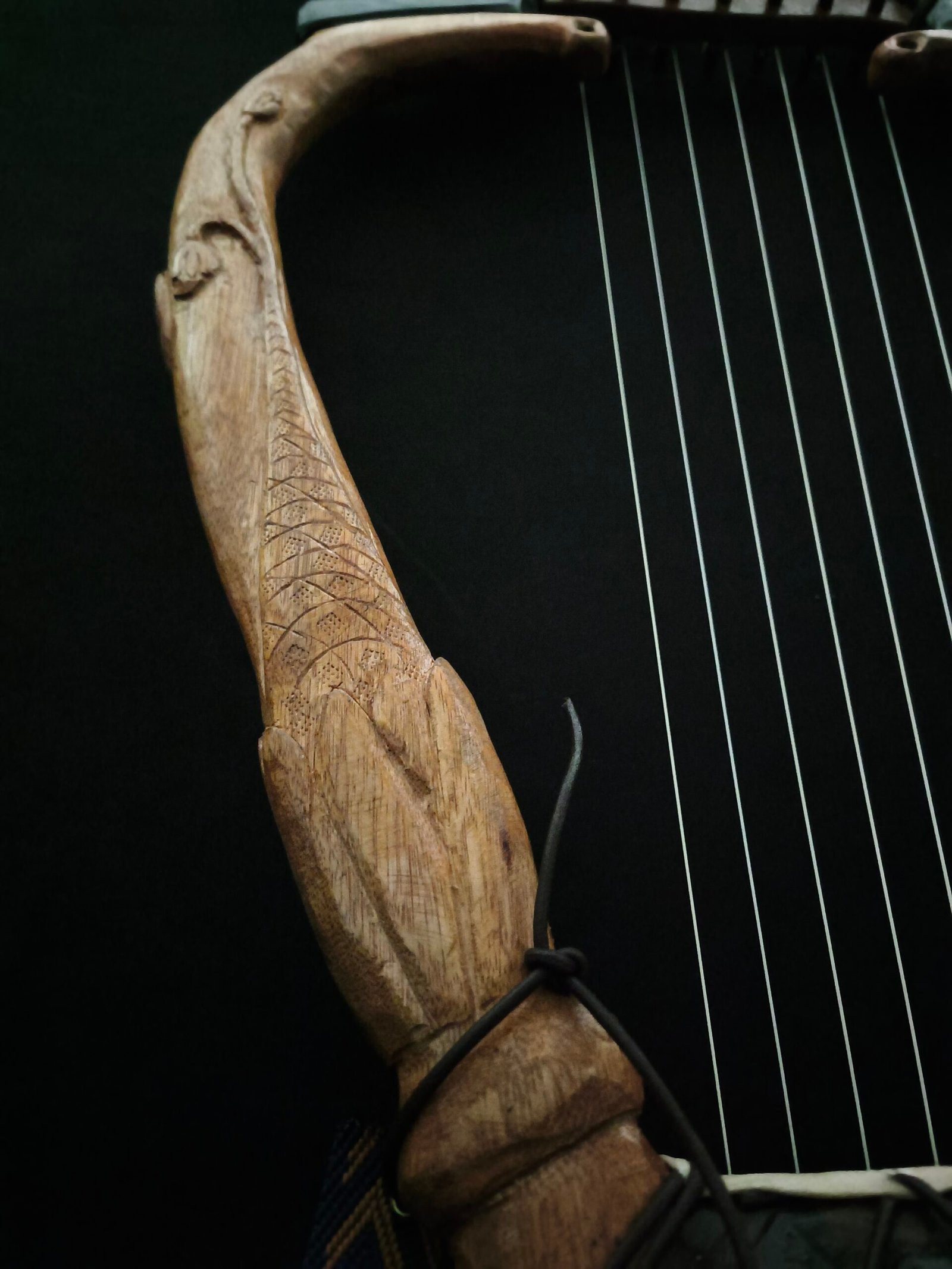
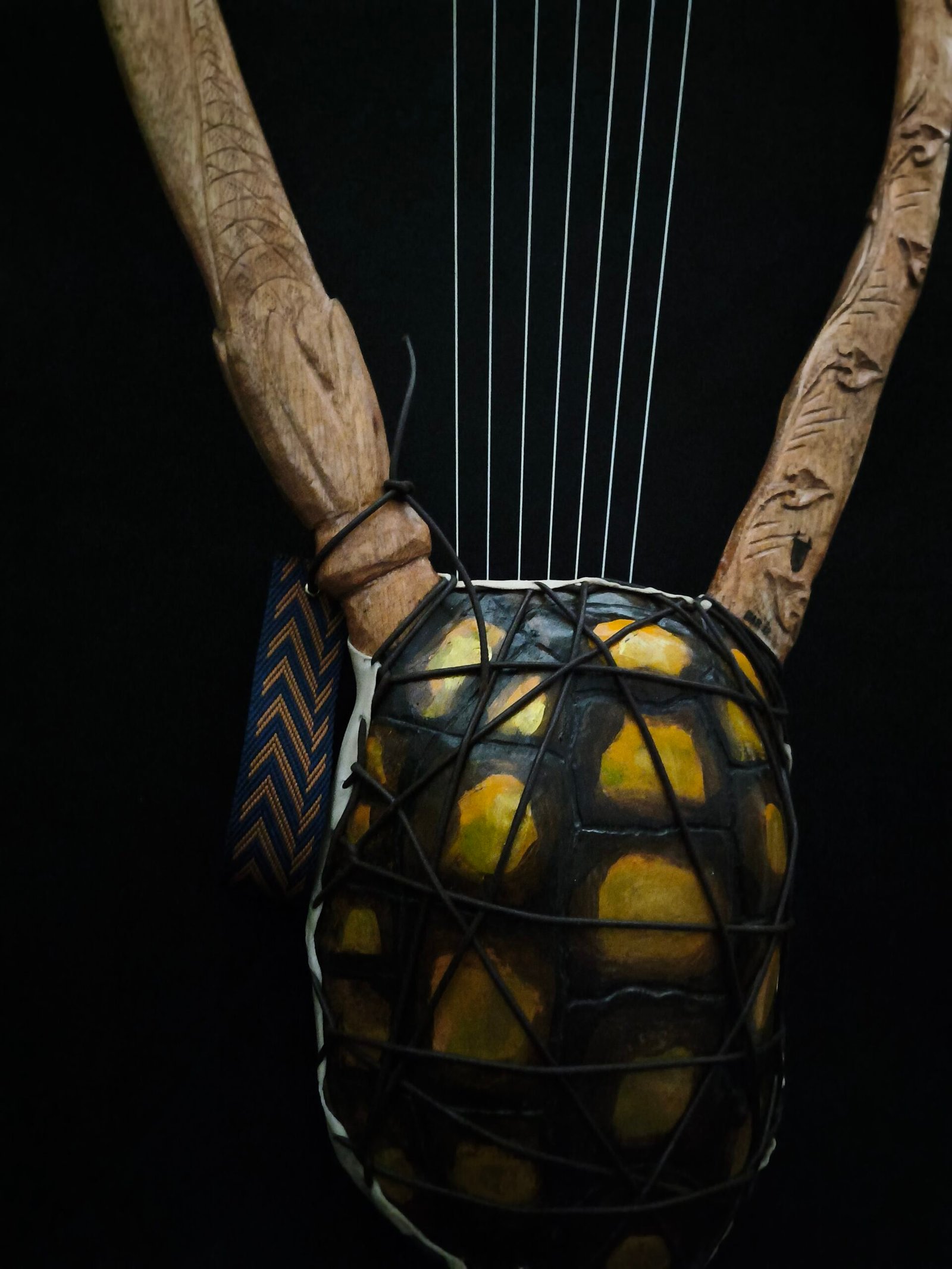
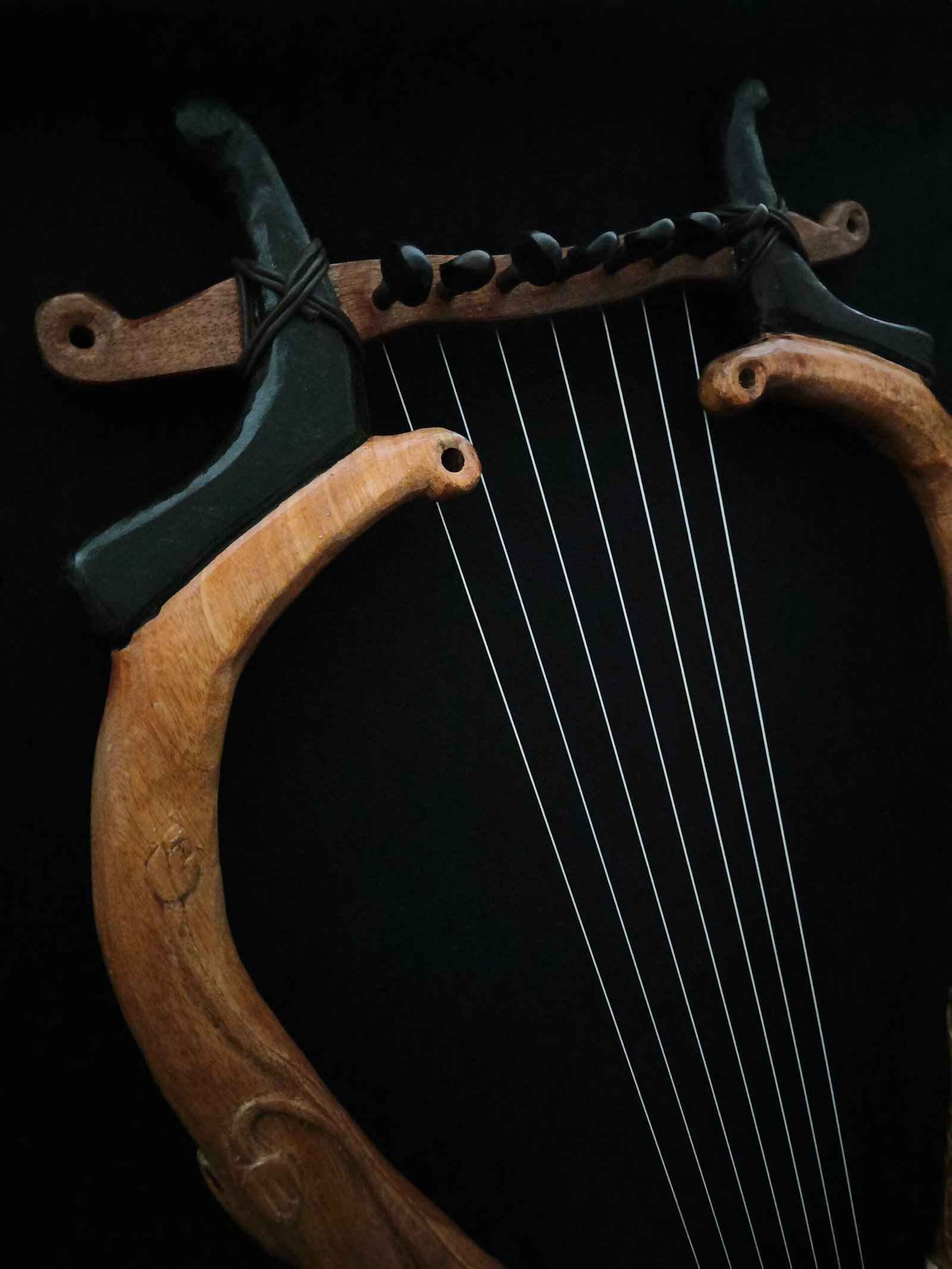
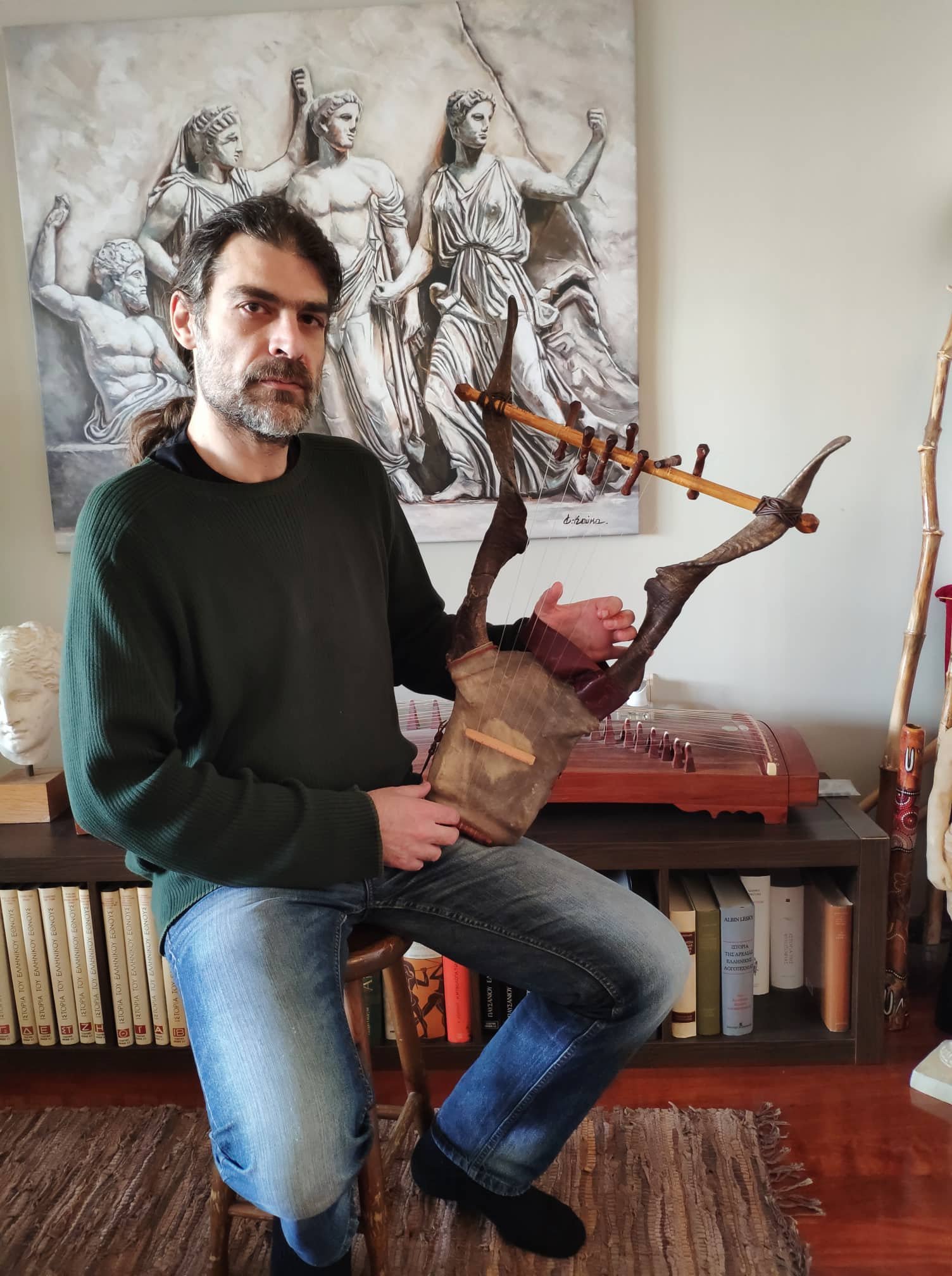
The ancient Greek Barbitos follows the same principles that guide the construction of our ancient Greek lyres, as it belongs to the same musical family and bears a close structural and acoustic relationship. However, its musical role and sonic character clearly differ; the Barbitos speaks with a deeper, warmer, and more grounded voice. For this reason, it beautifully supports both male and female voices, offering balance, richness, and sustained resonance.
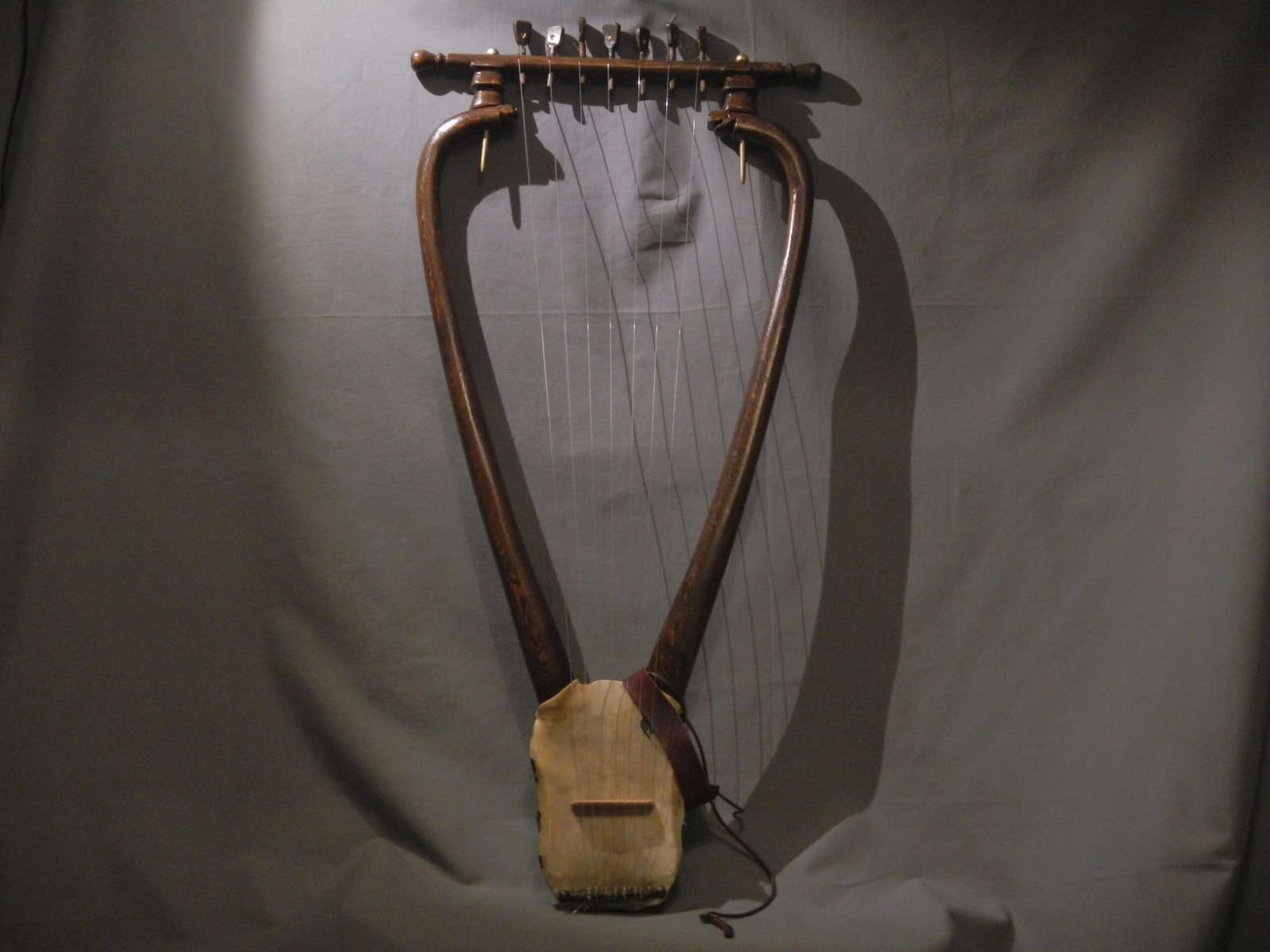
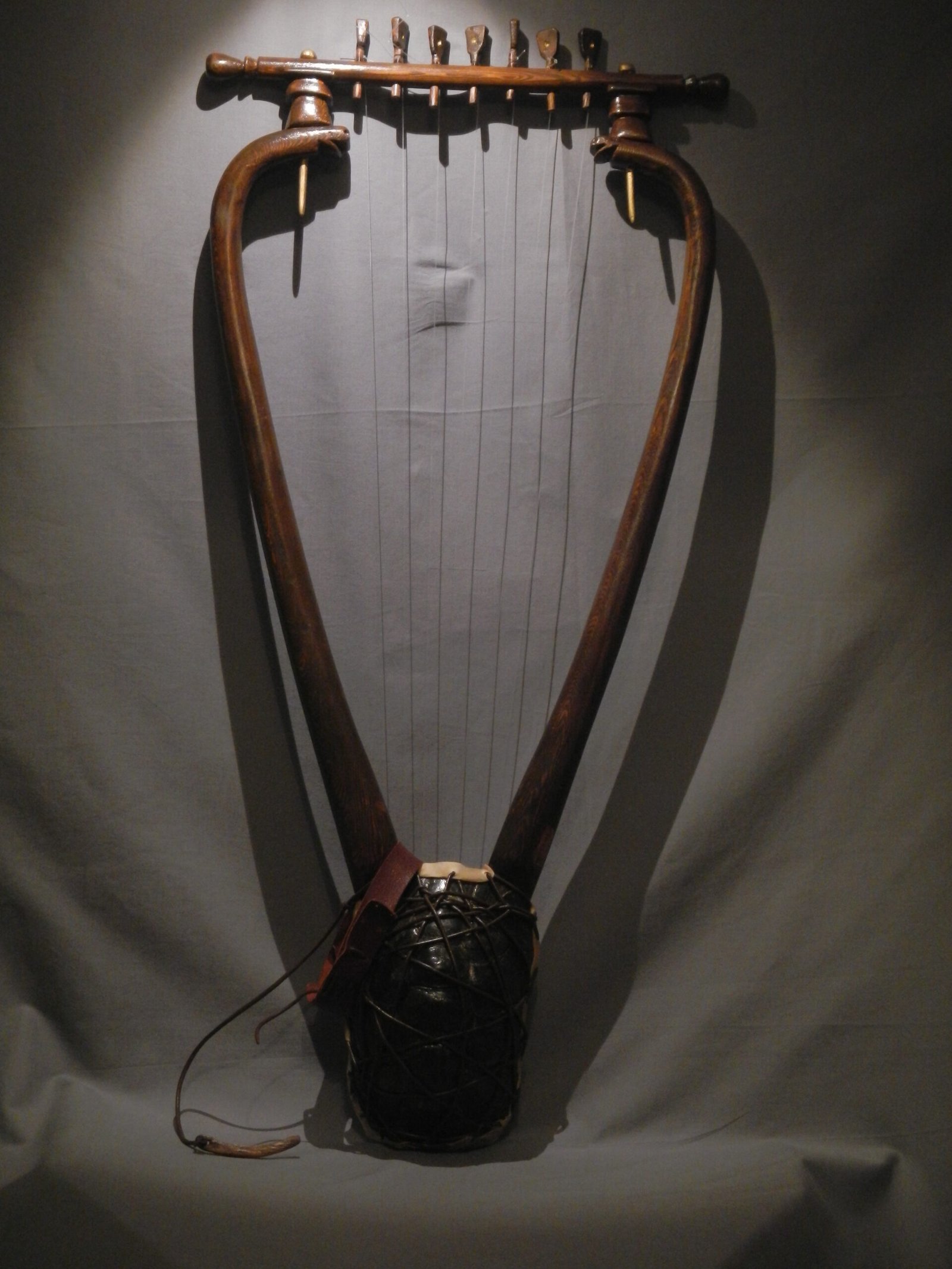
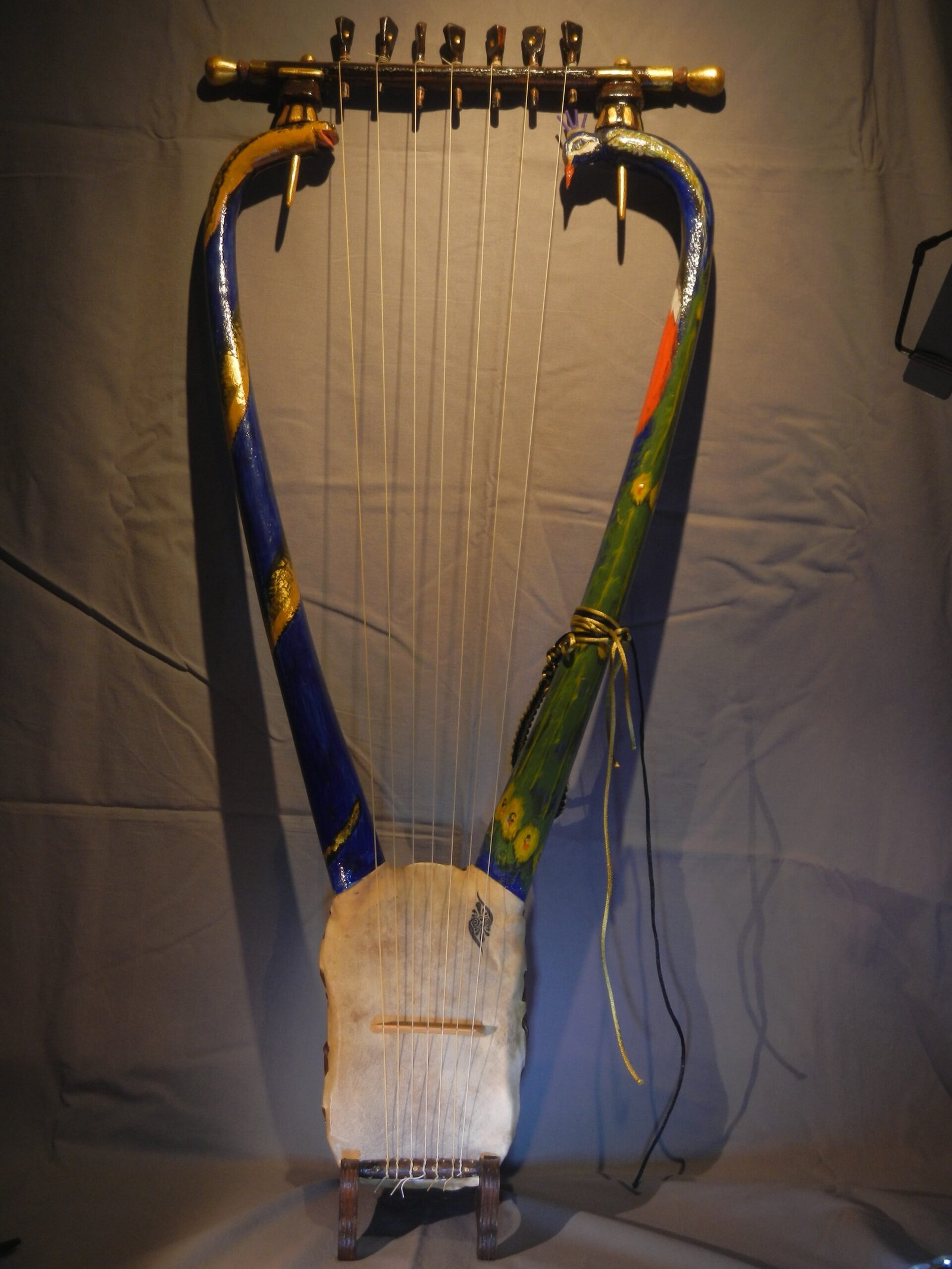
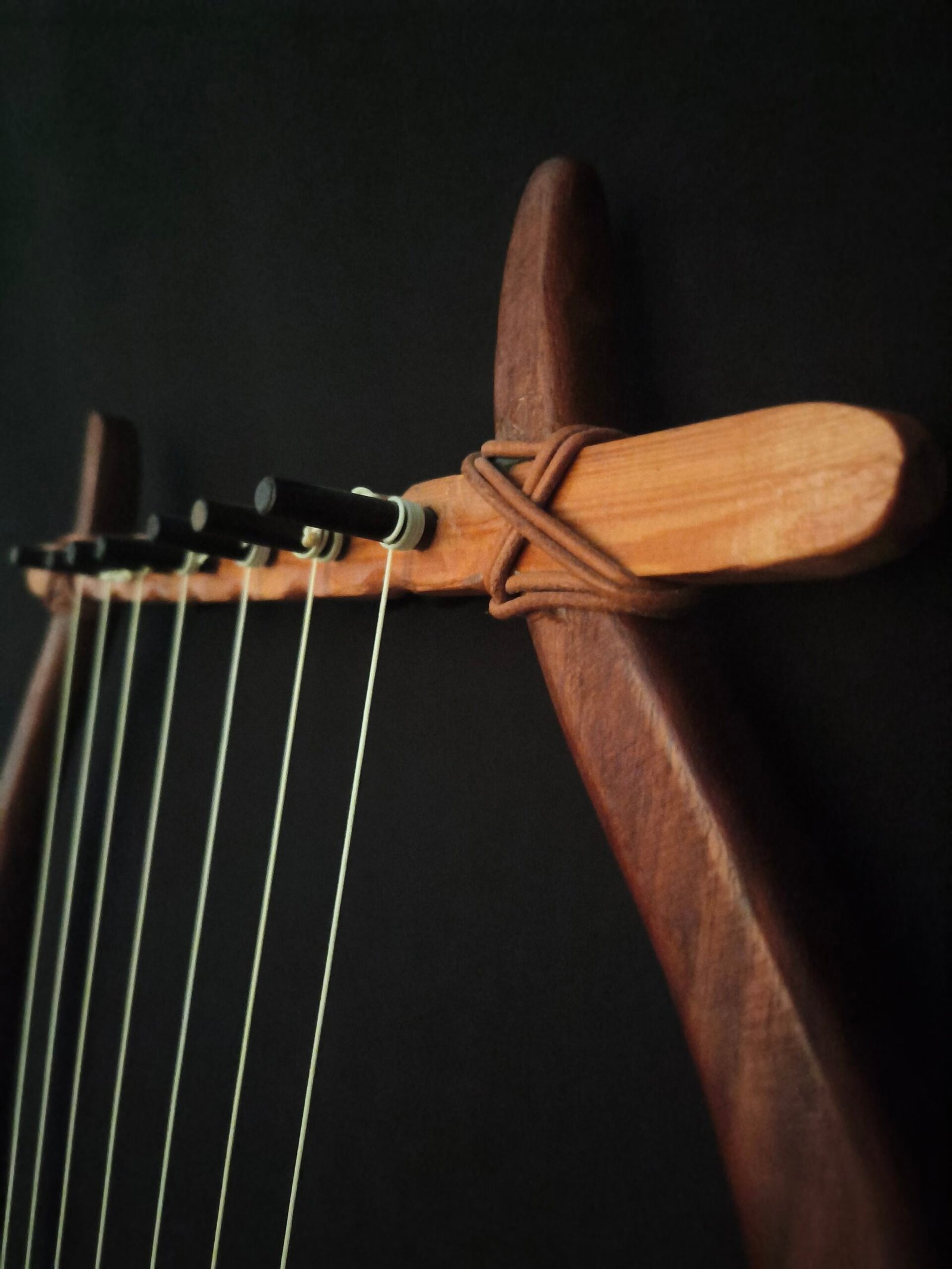
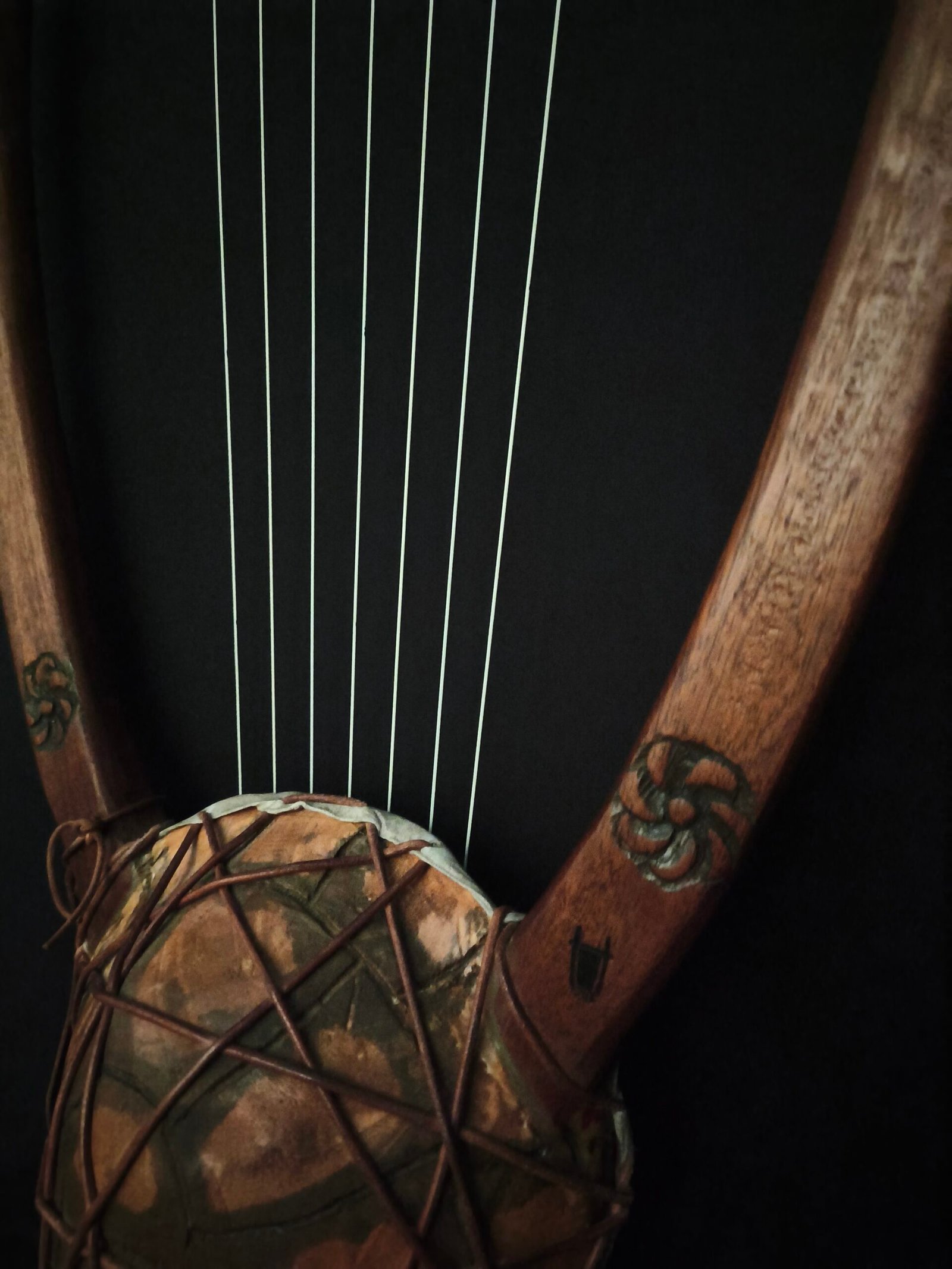
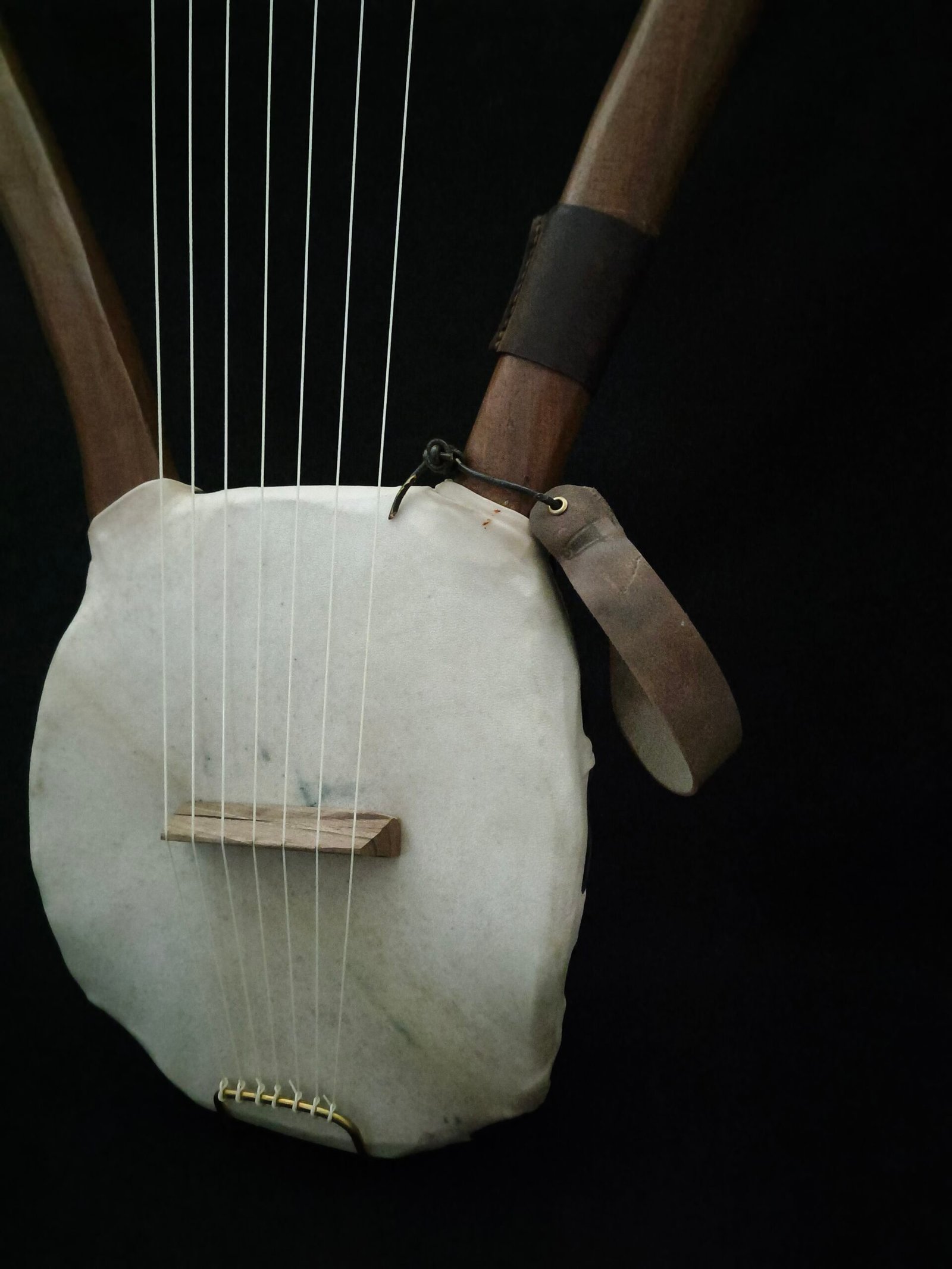
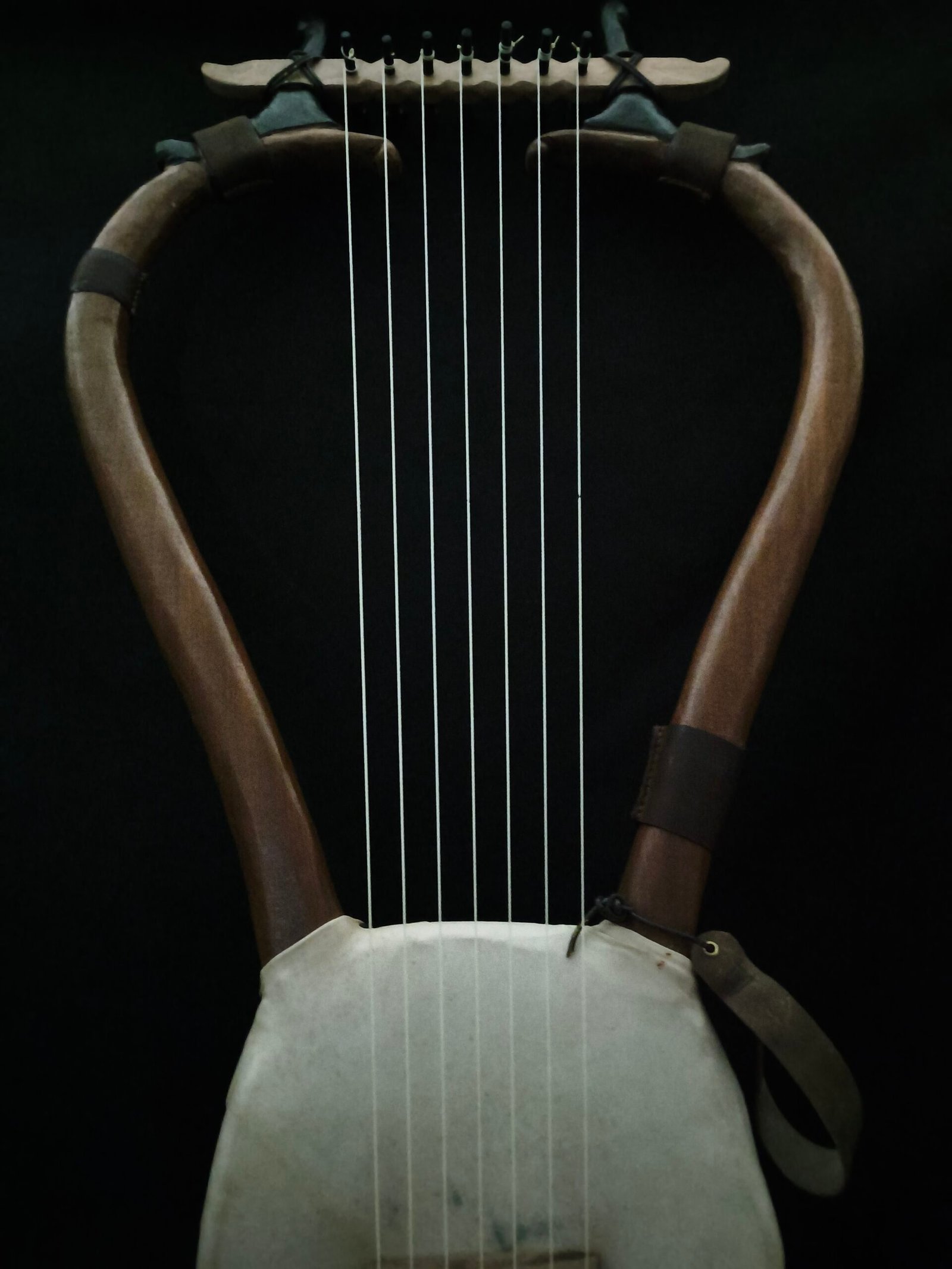
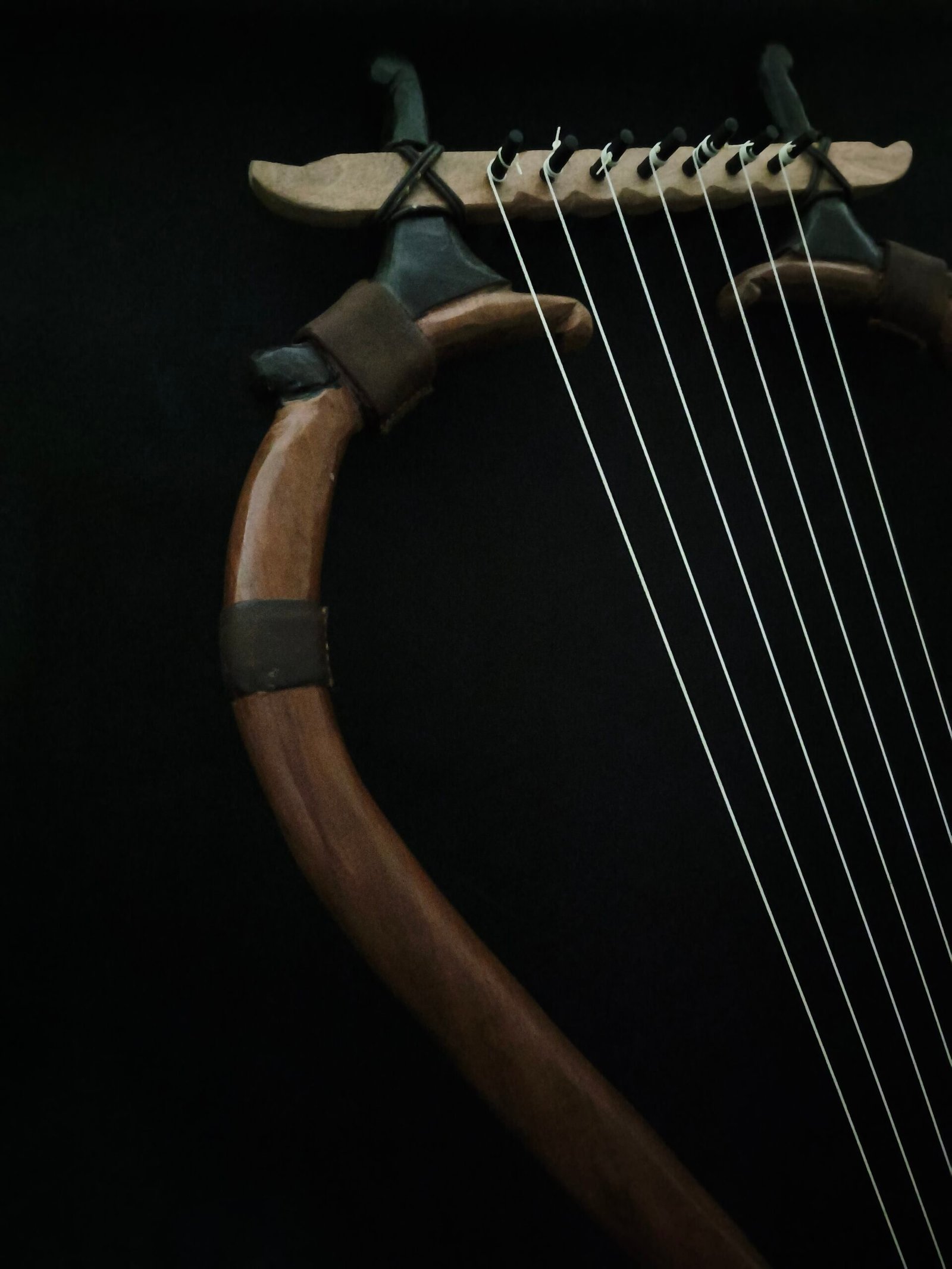
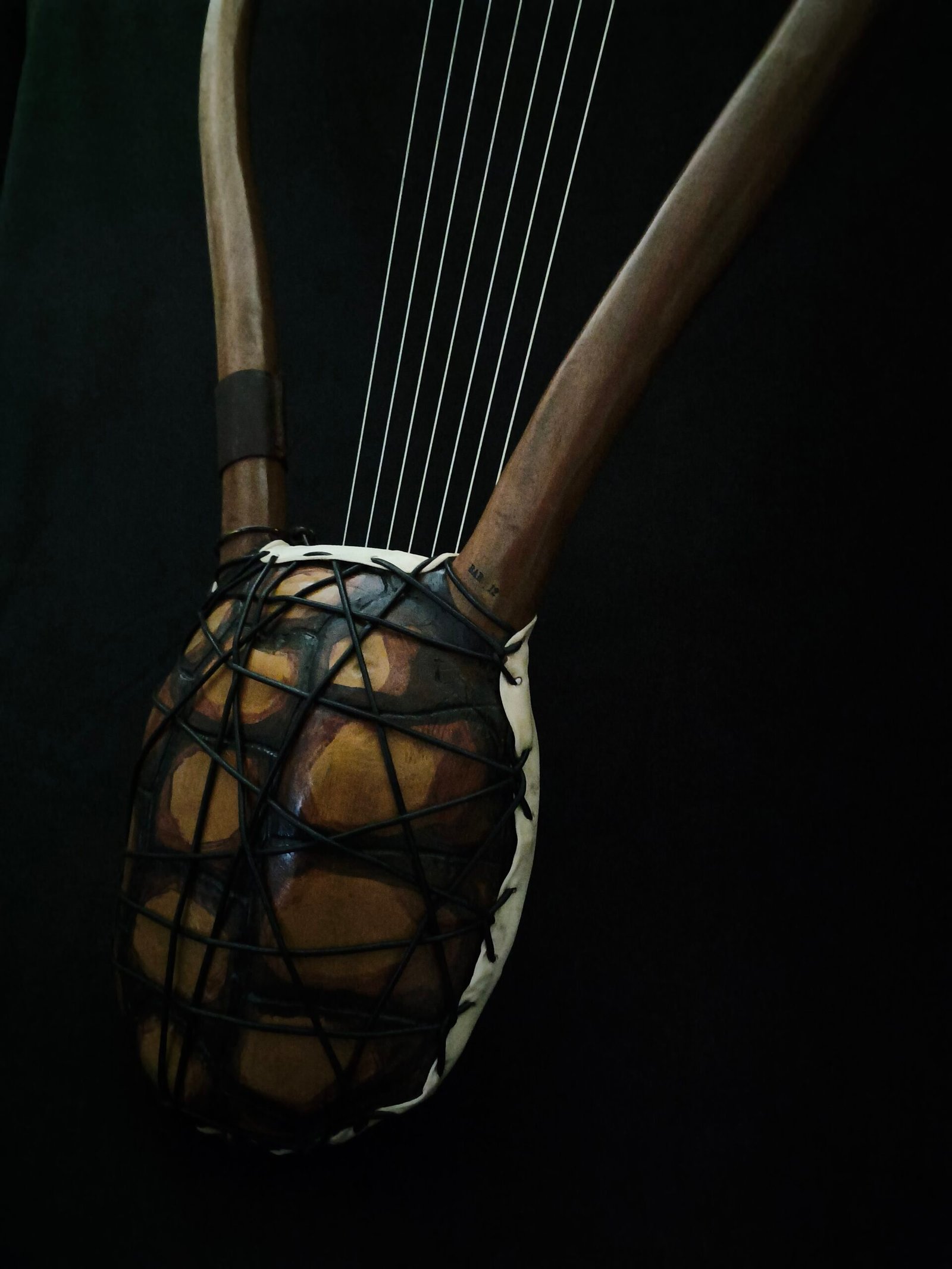
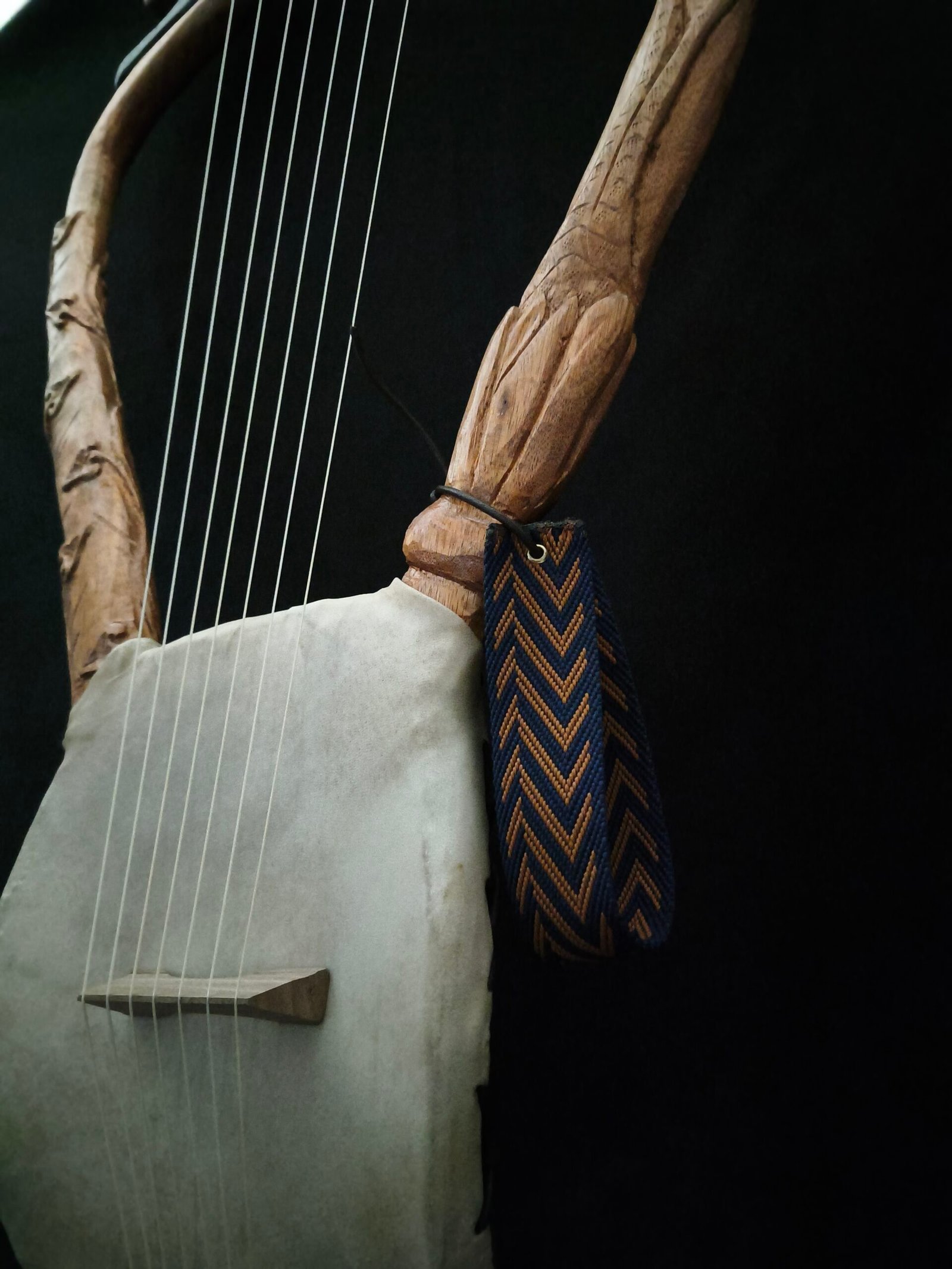
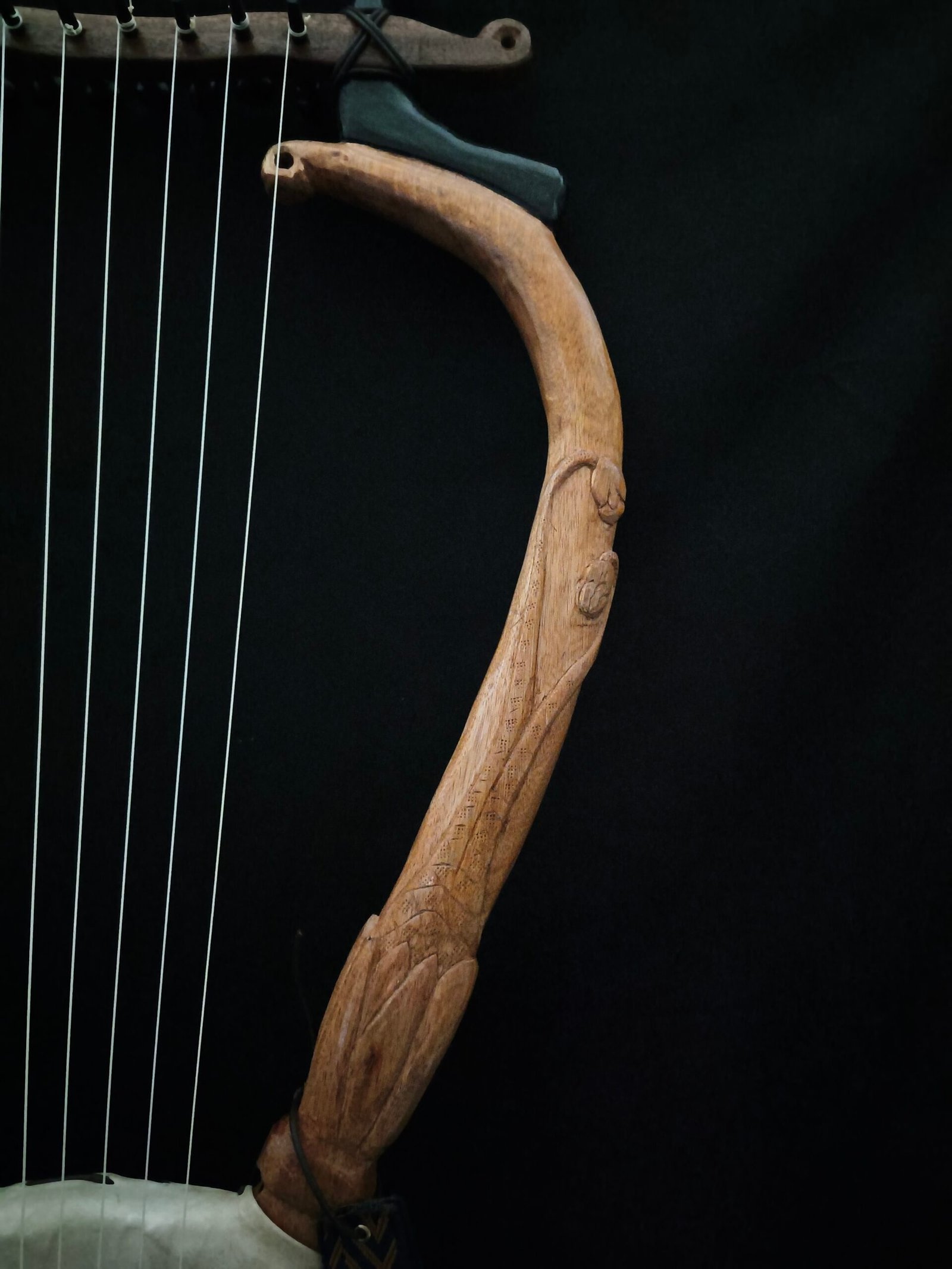
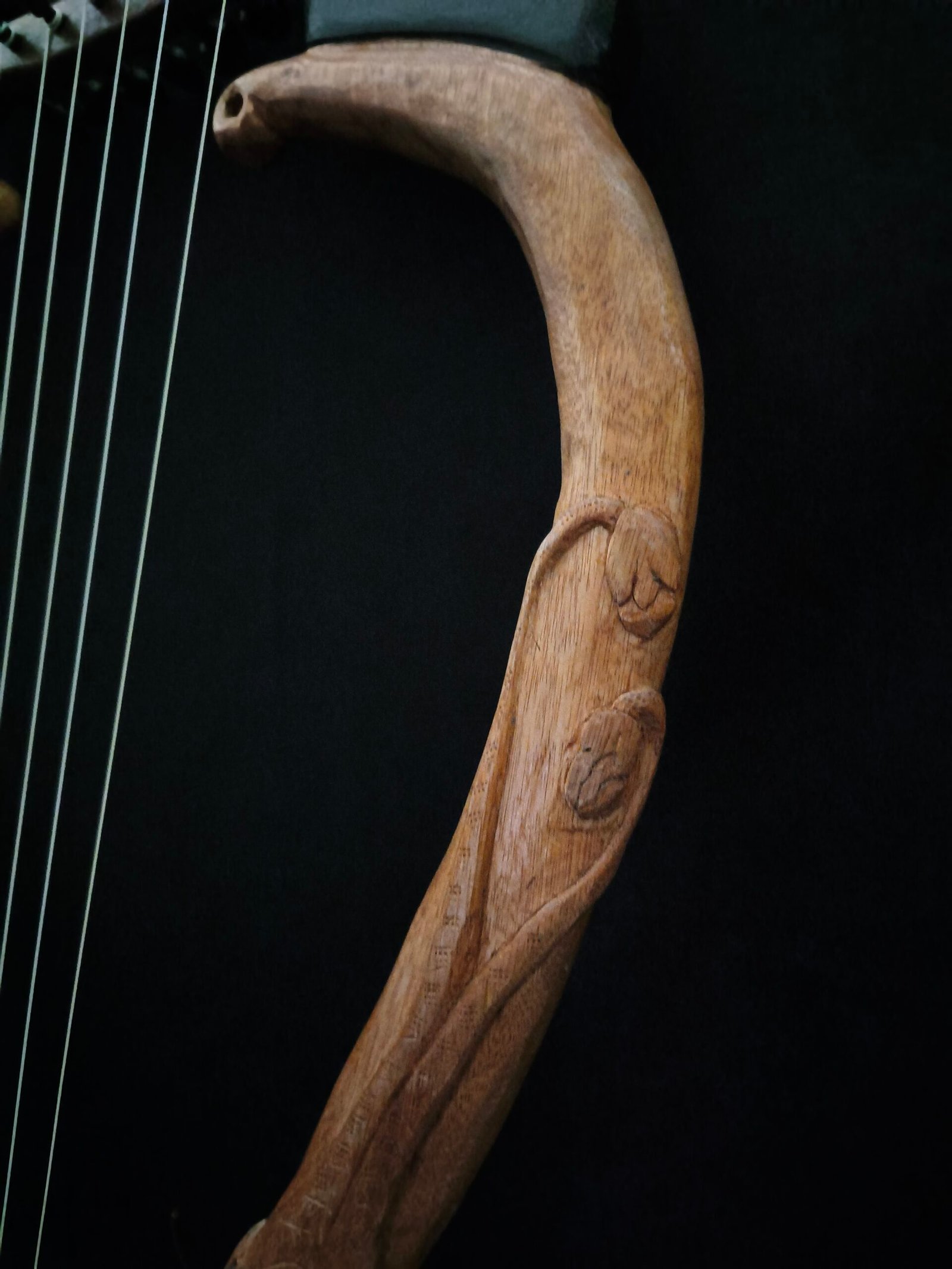
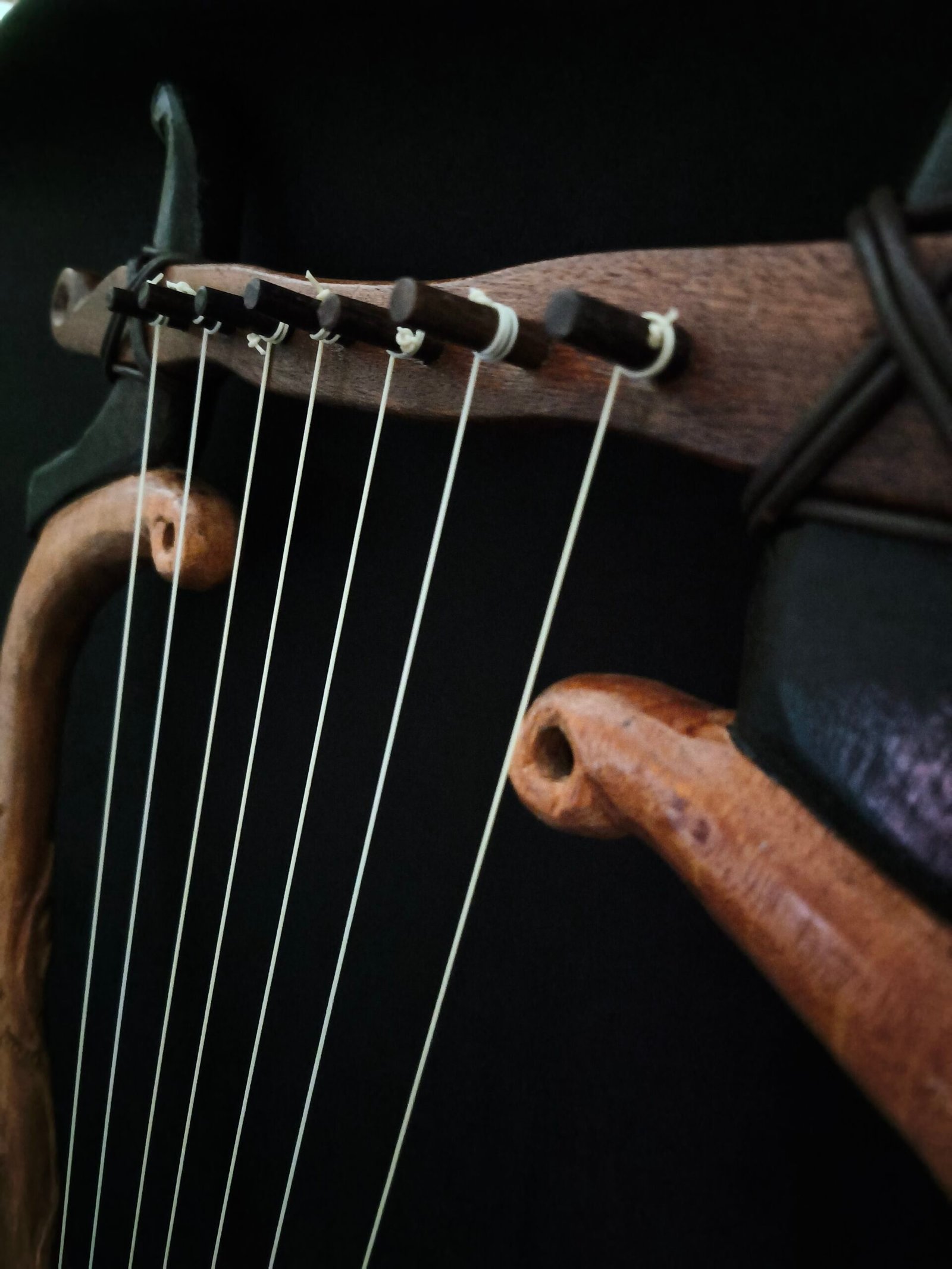
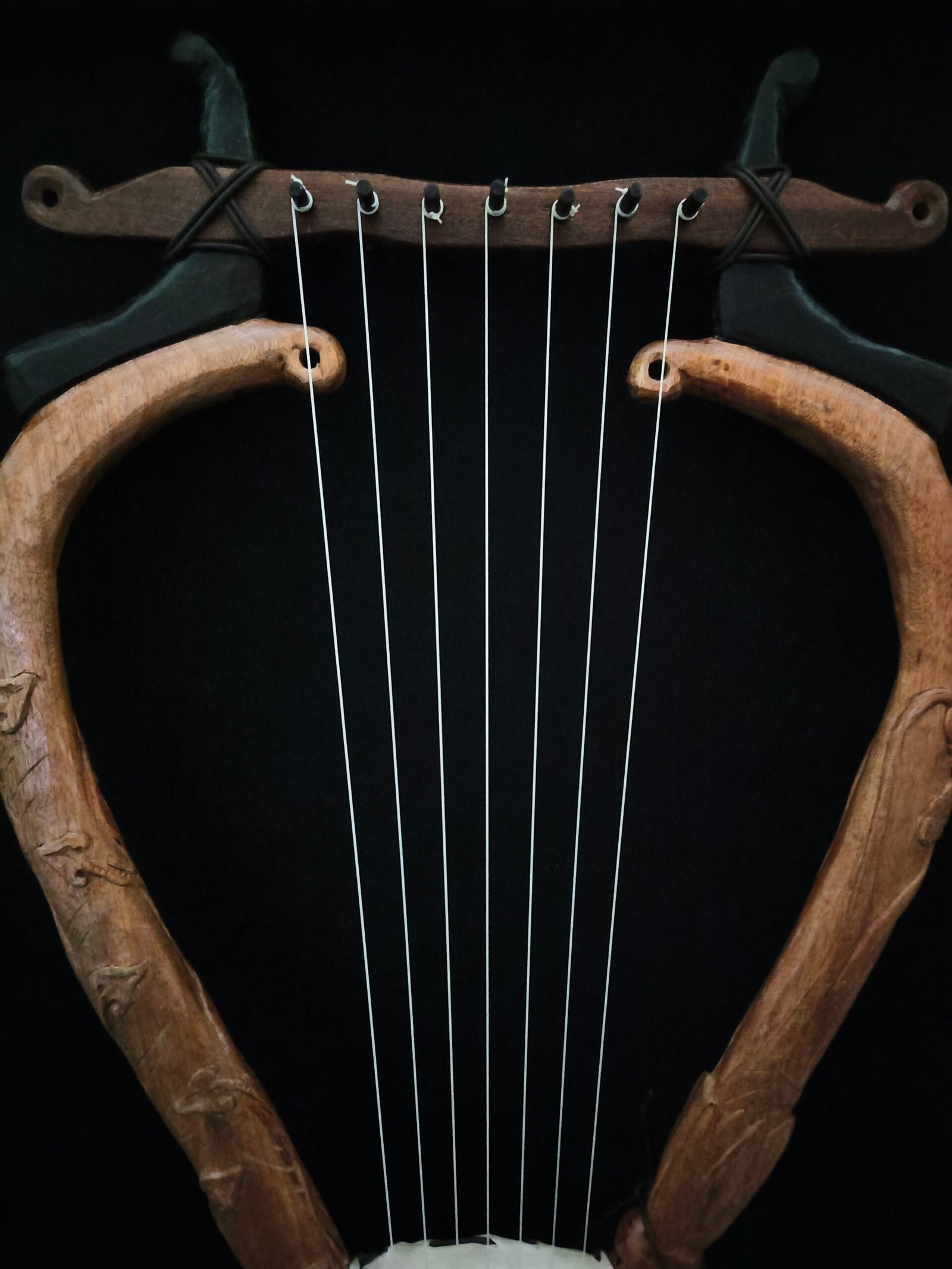
Like our lyres, we build the Barbitos using shell-inspired wooden soundboxes. Each soundbox is carefully shaped so that it functions as an efficient acoustic resonator. The overall construction respects ancient proportions while responding to modern musical demands. Compared to the lyre, the Barbitos uses significantly longer strings, and this increased string length shapes its sound and expands its lower register; but at the same time, this requires greater control and precision from the performer.
Because of these characteristics, the production of harmonics on the Barbitos demands an attentive technique. When the player achieves the necessary balance, the instrument responds generously. Harmonics emerge with clarity, depth, and stability. In turn, the Barbitos rewards the musician with a sound that combines strength, warmth, and expressive beauty. This response makes the instrument especially suitable for vocal accompaniment, where resonance and support play a central role.
The Barbitos is an instrument of “presence.” Its sound fills space without force. It remains stable, yet flexible, as ancient form and musical depth join together in a coherent whole. This instrument offers strong expressive potential for refined performance, allowing the musician to explore subtle dynamics, sustained tones, and modal nuance.
More than merely a historical reconstruction, our Barbitos exists as a fully playable ancient Greek musical instrument. Rooted in antiquity yet alive in the present, it preserves the identity of a fascinating branch of the ancient lyre family while speaking with its own distinct voice.
Historical data of Barbitos
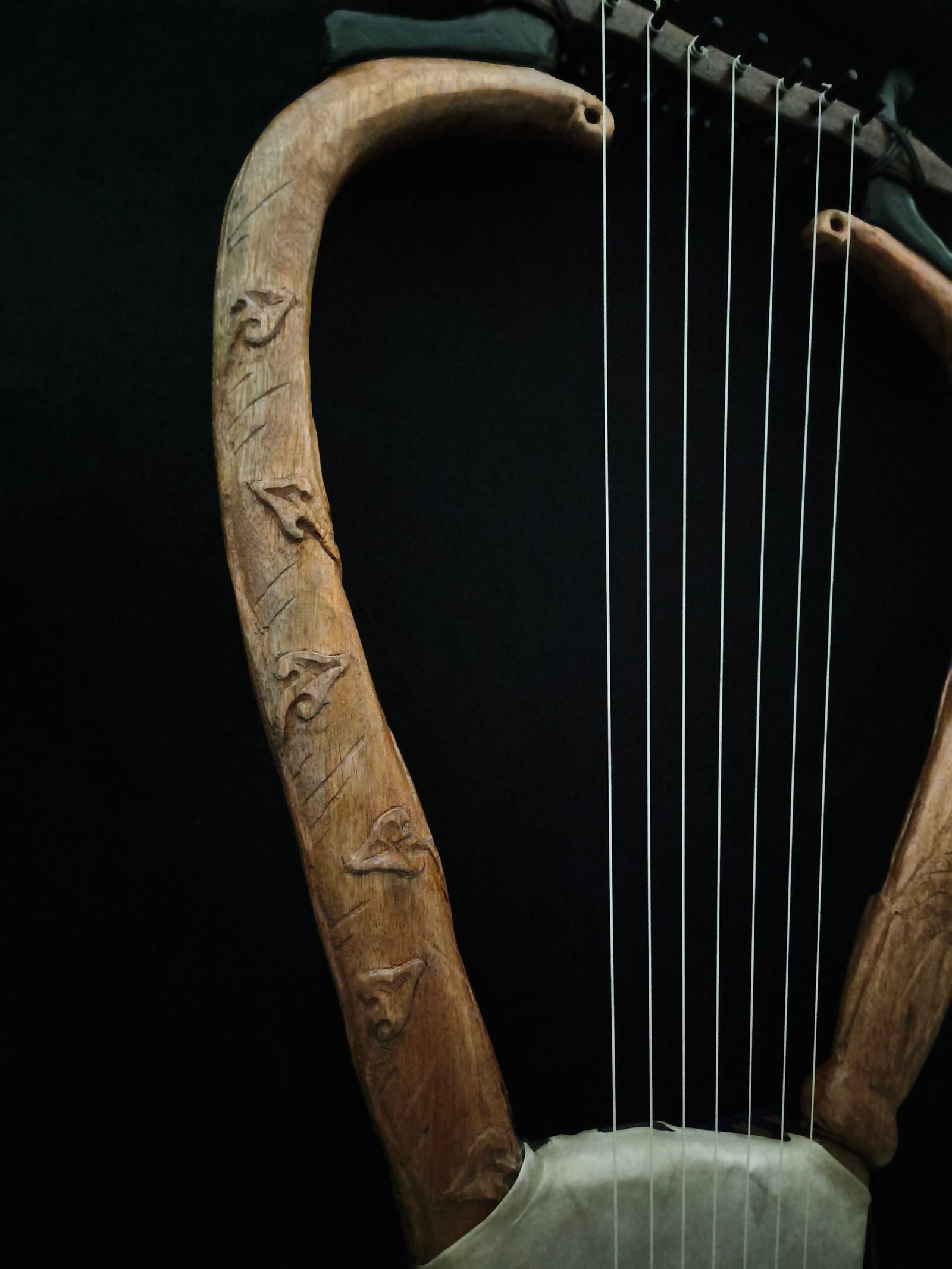
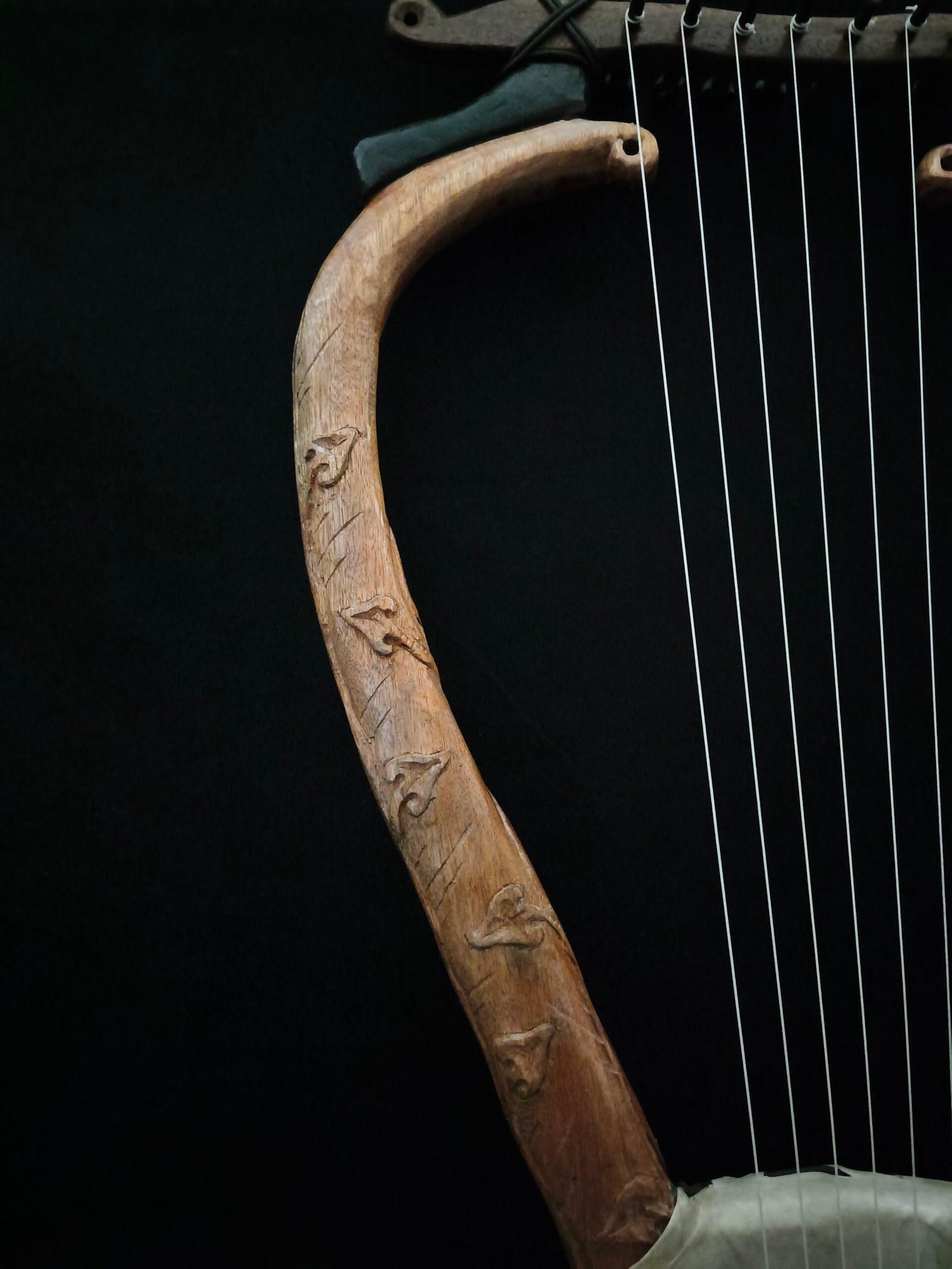
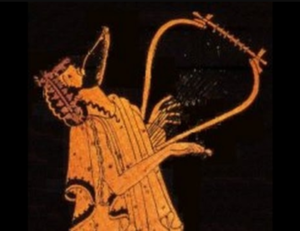
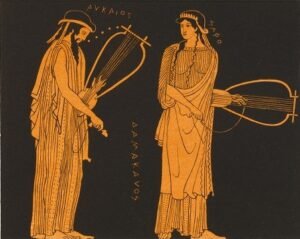 Barbitos, is typologically related to the lyre, with which it has several elements in common. The most important difference between the two instruments lies in the much longer arms (braces) of the barbitos, thanks to which it produced music of a particularly low pitch, suitable for vocal accompaniment. The barbitos is known only from performances and was particularly popular in Attic vase painting until 430 BC, accompanying comastes, symposiasts, and even female musicians, as well as divine and mythological figures associated with music, song and the symposium. Aristotle excludes the barbitos from the education of young people, as it was intended only for pleasure, and indeed the performances of music schools where playing the instrument is taught are few. What is certain is that it was an instrument that enjoyed great honor in the school of Lesvos (Terpandros, Alcaeus, Sappho, Anacreon).
Testimonials
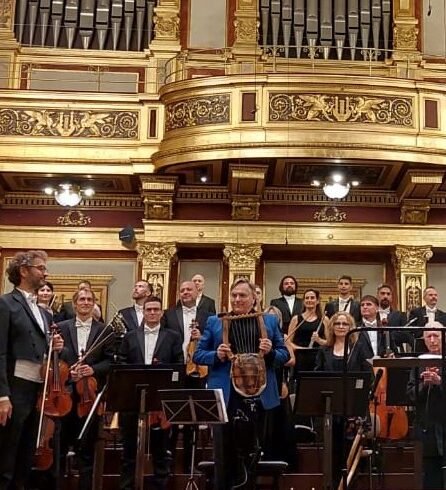
Dr. Nikos Xanthoulis, Musician & Resercher, Athens, Greece
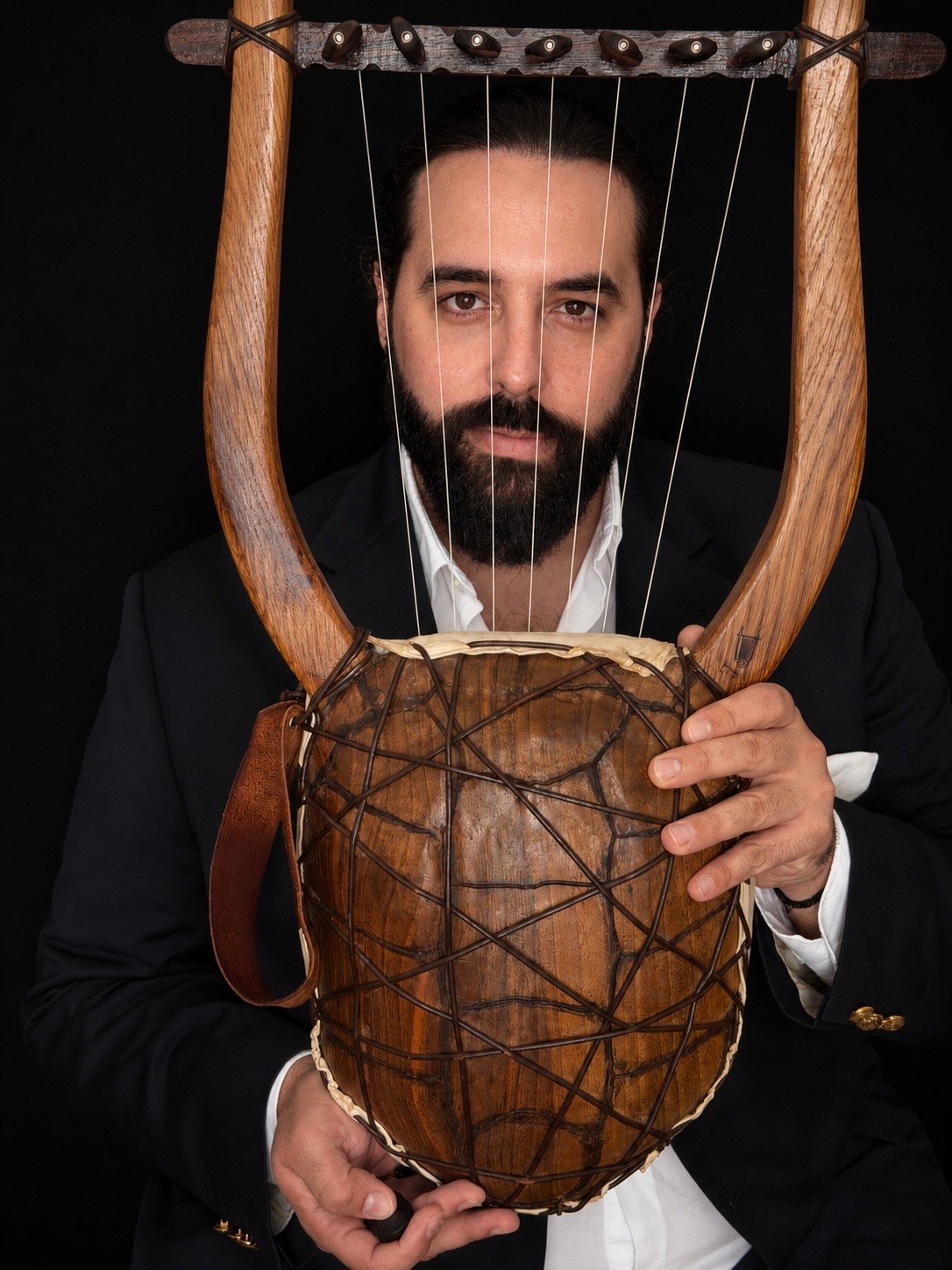
Ilias Zervas, Musician, Athens, Greece
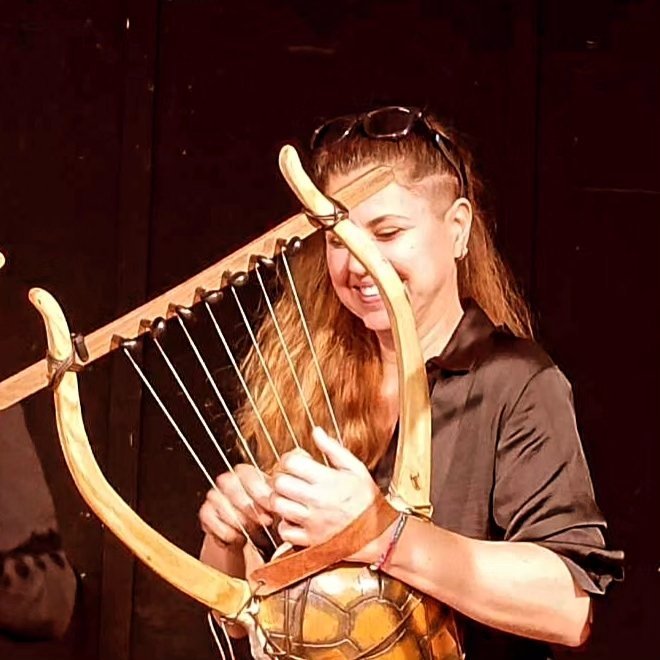
Sonia Charalampidou, Musician, Athens, Greece
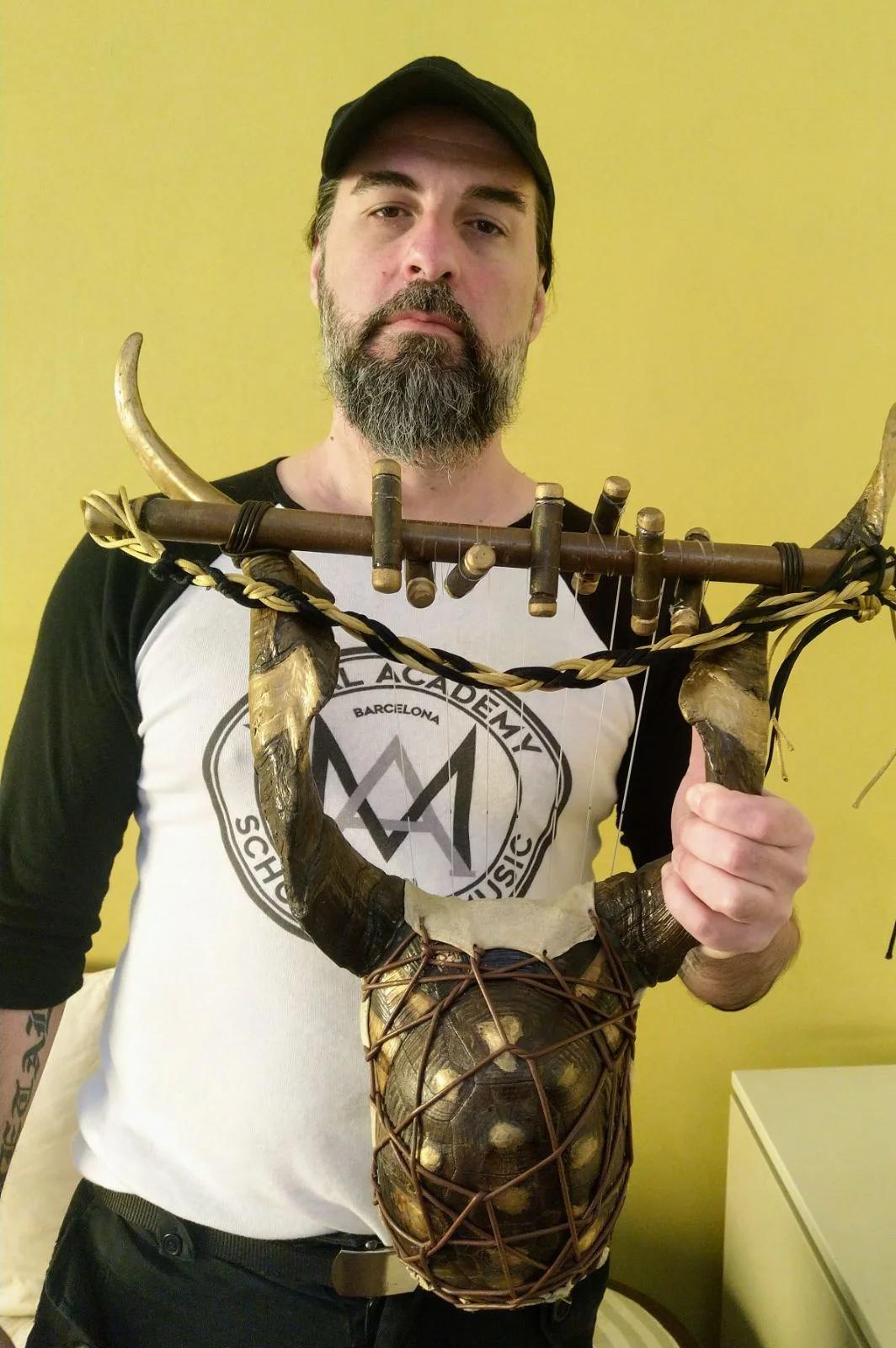
Sakis Tolis, Musician, Athens, Greece
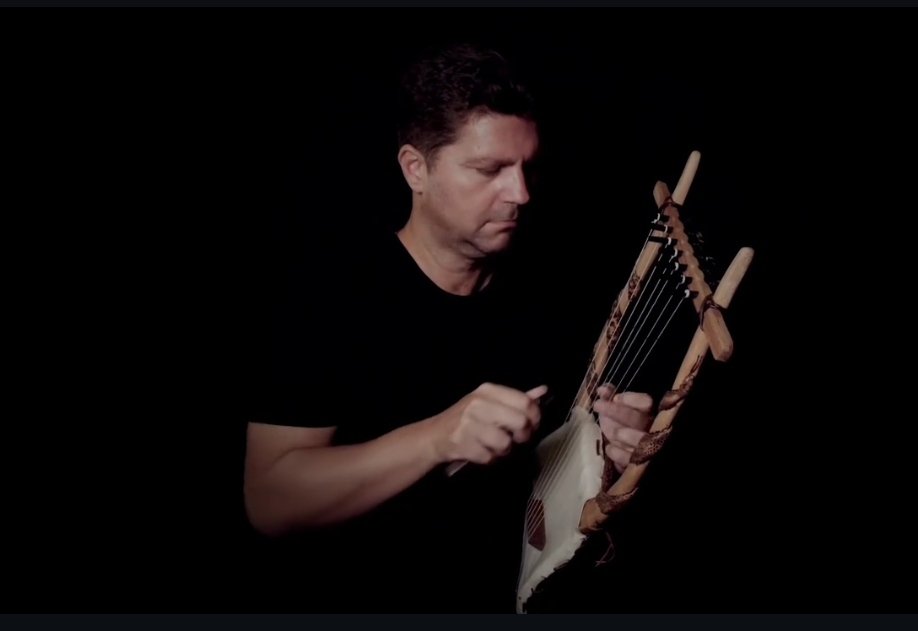
Giorgos Tabakis, Musician, Athens, Greece
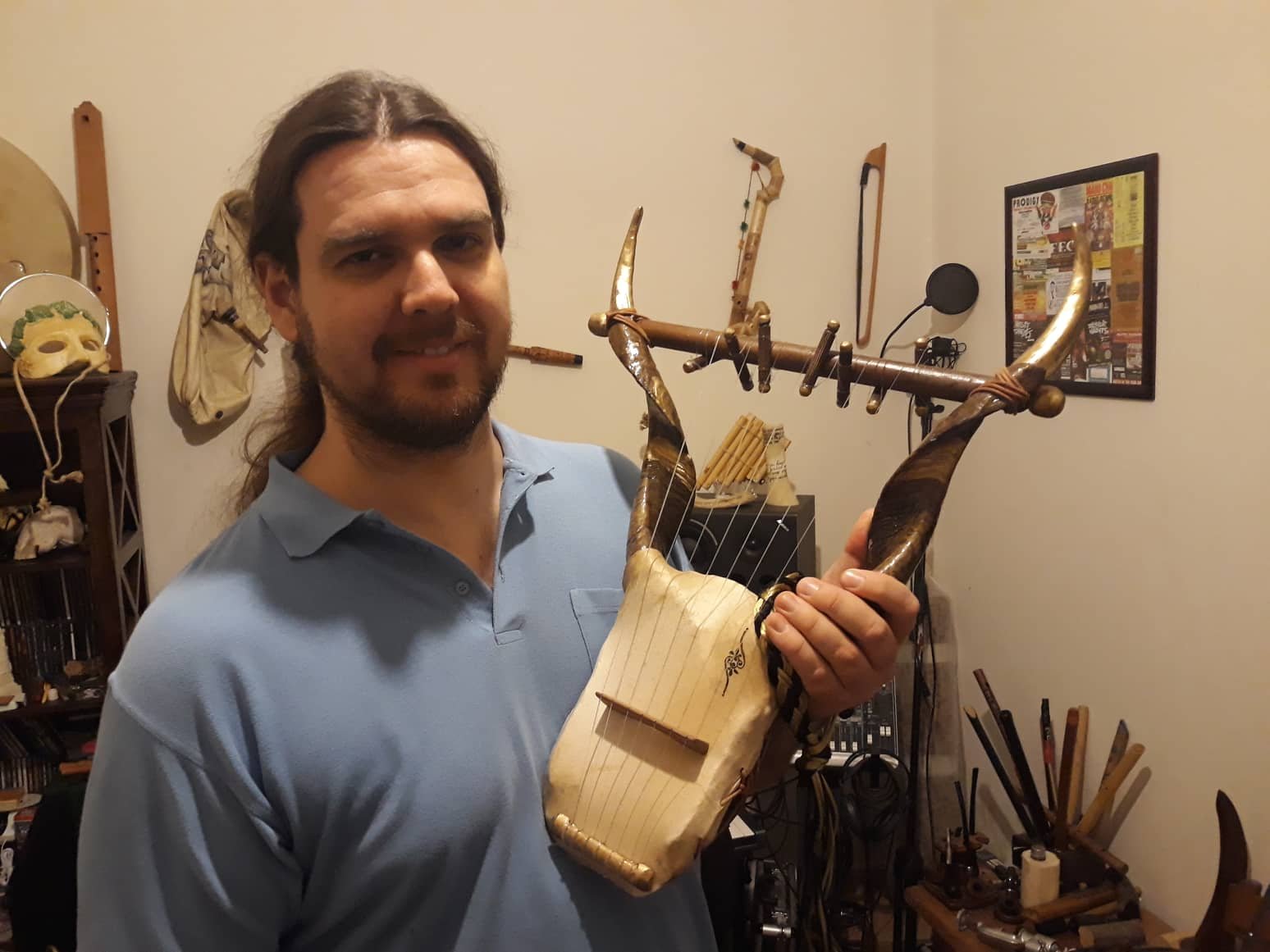
Alexandros Charalampous, Musician, Athens, Greece
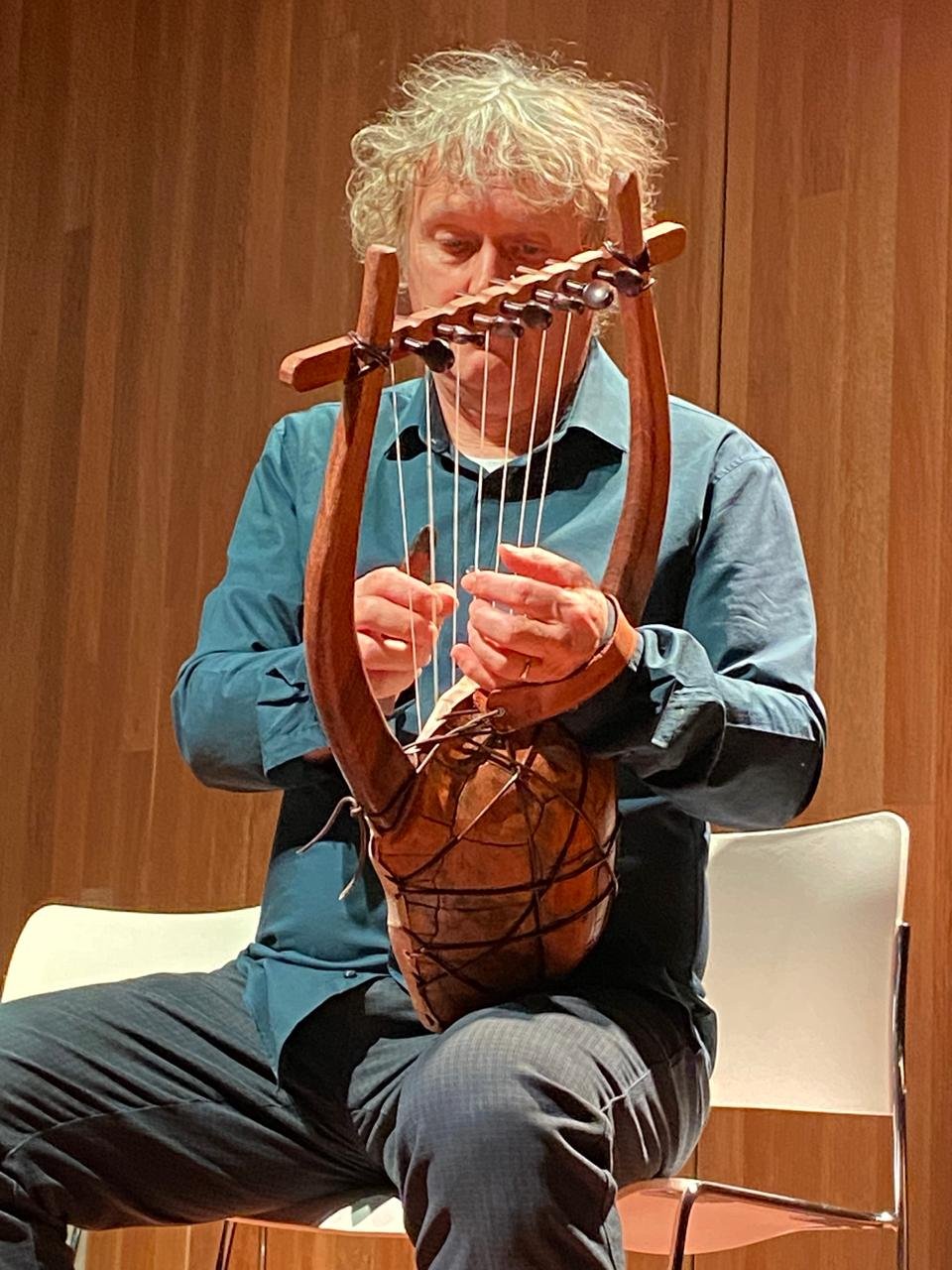
Rossano Munaretto, Musician, IT
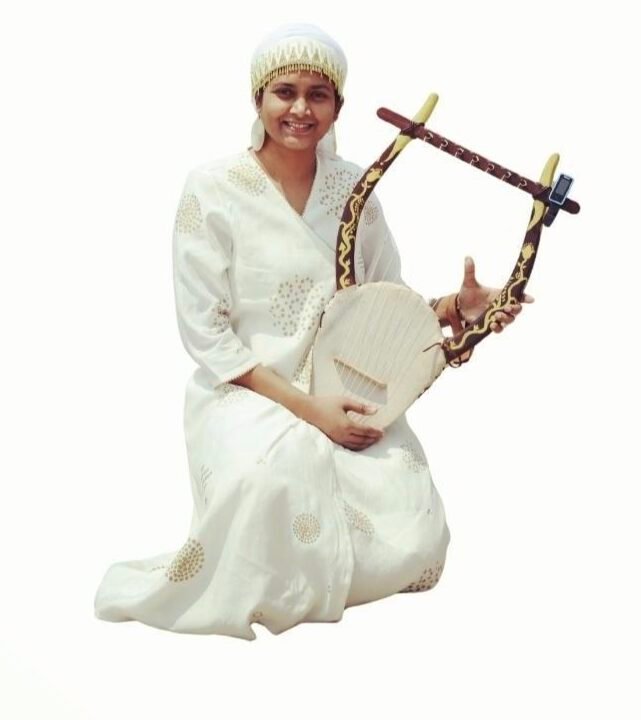
Sunitha Francis, Musician, India
Pandion, Musician, Athens, Greece

Nicolo Manicardi, Musician, Badalona, Spain

Anthi Bozoviti, Musician, Athens, Greece