Atelier
The Atelier
A Living Workshop of Ancient Greek Music
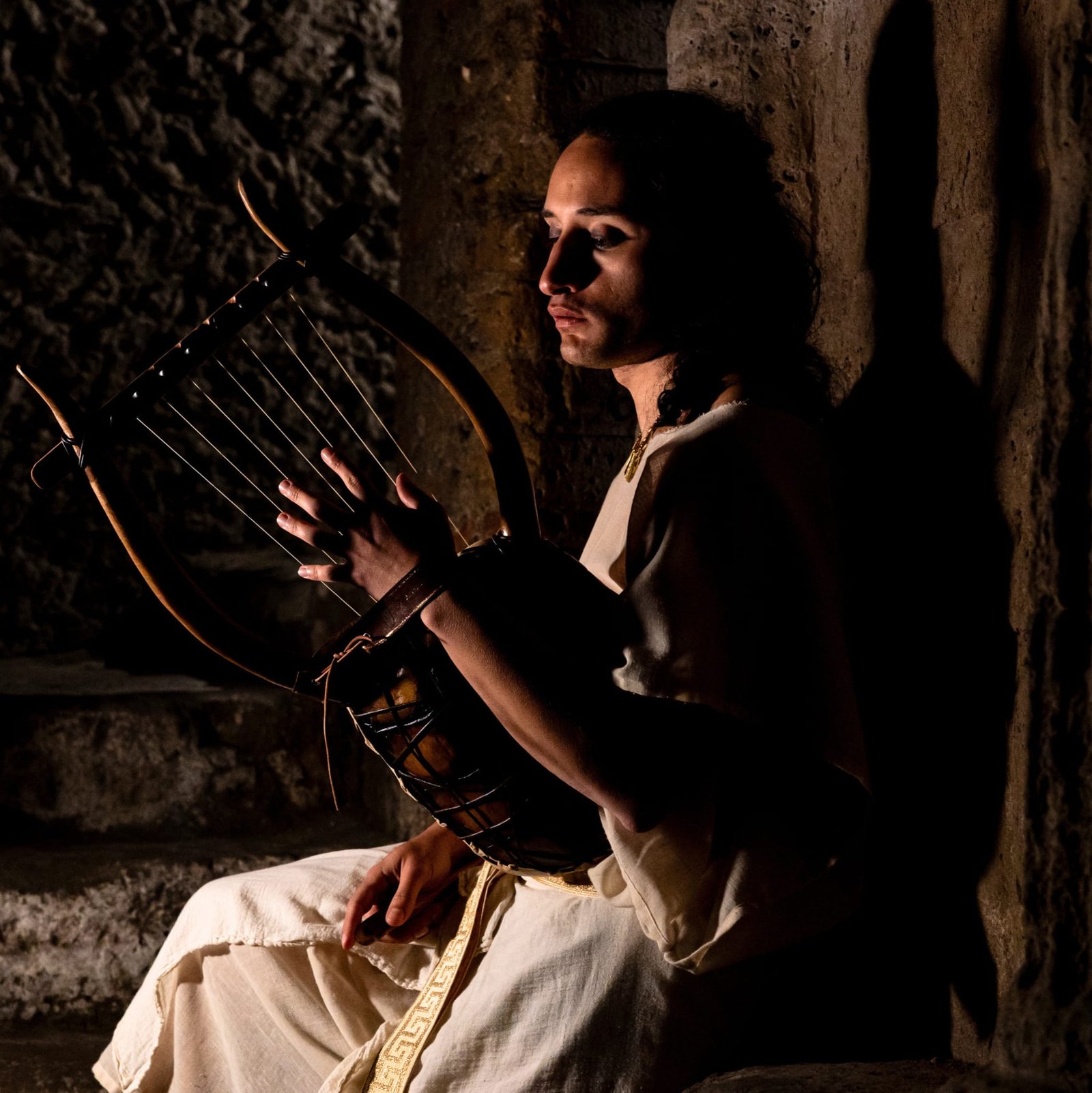
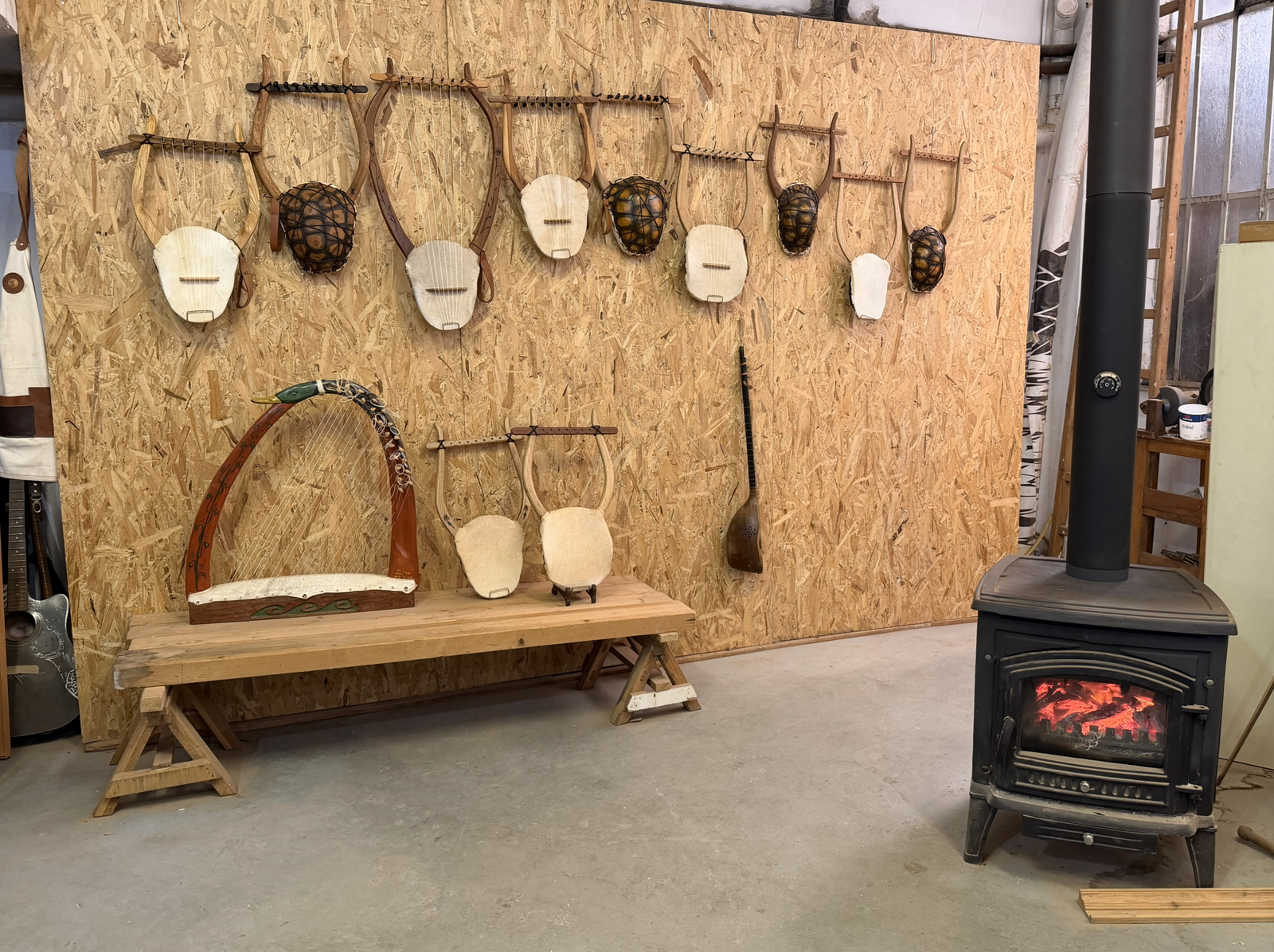
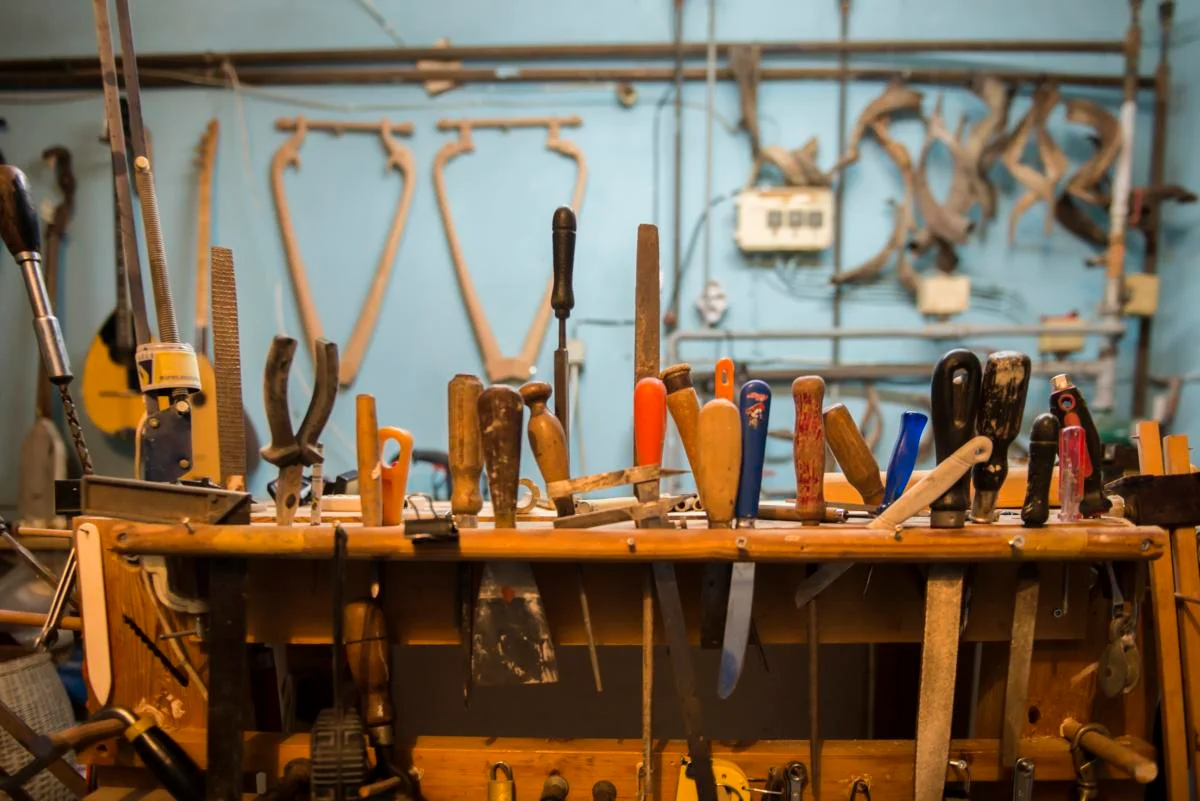
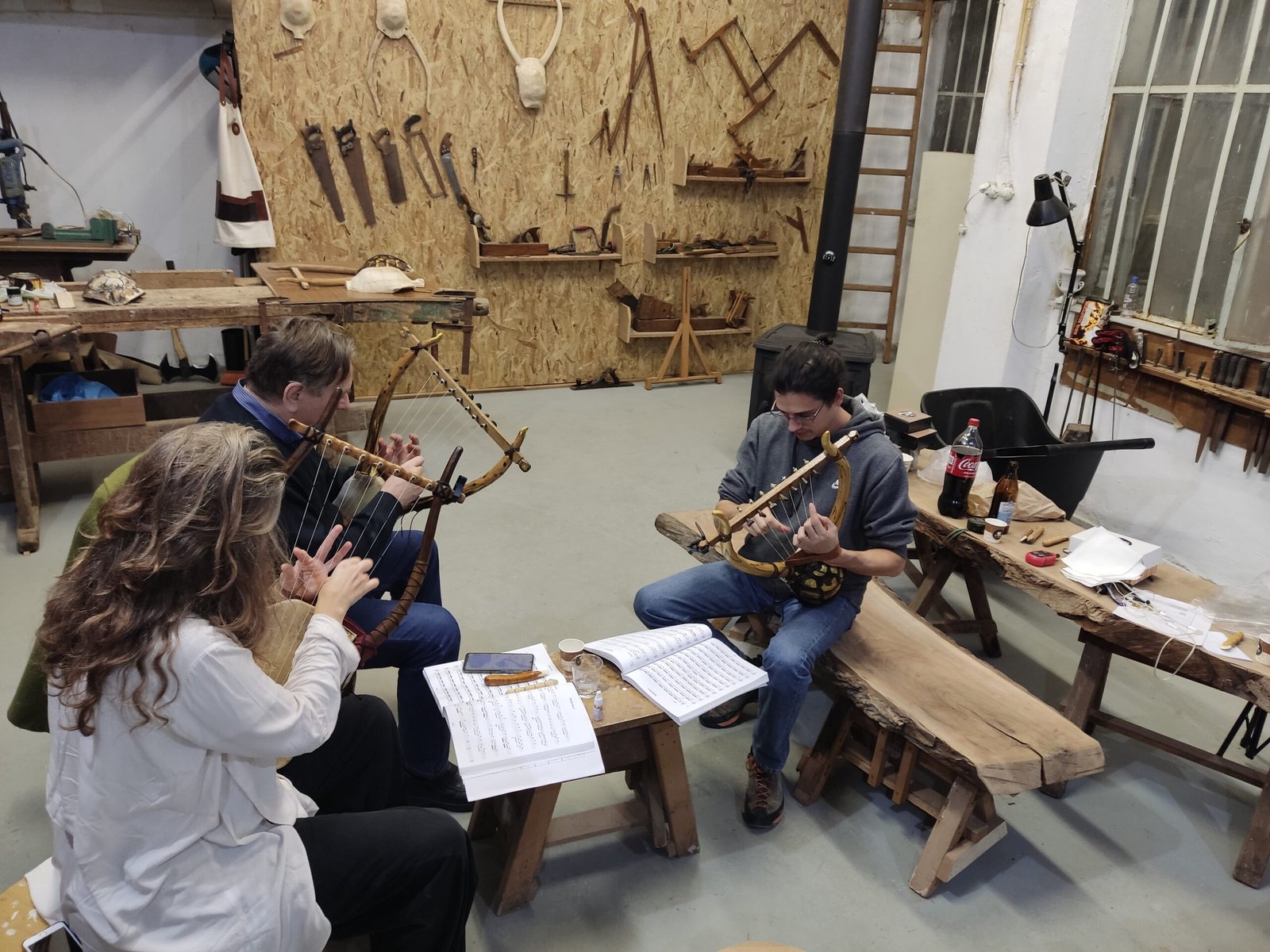
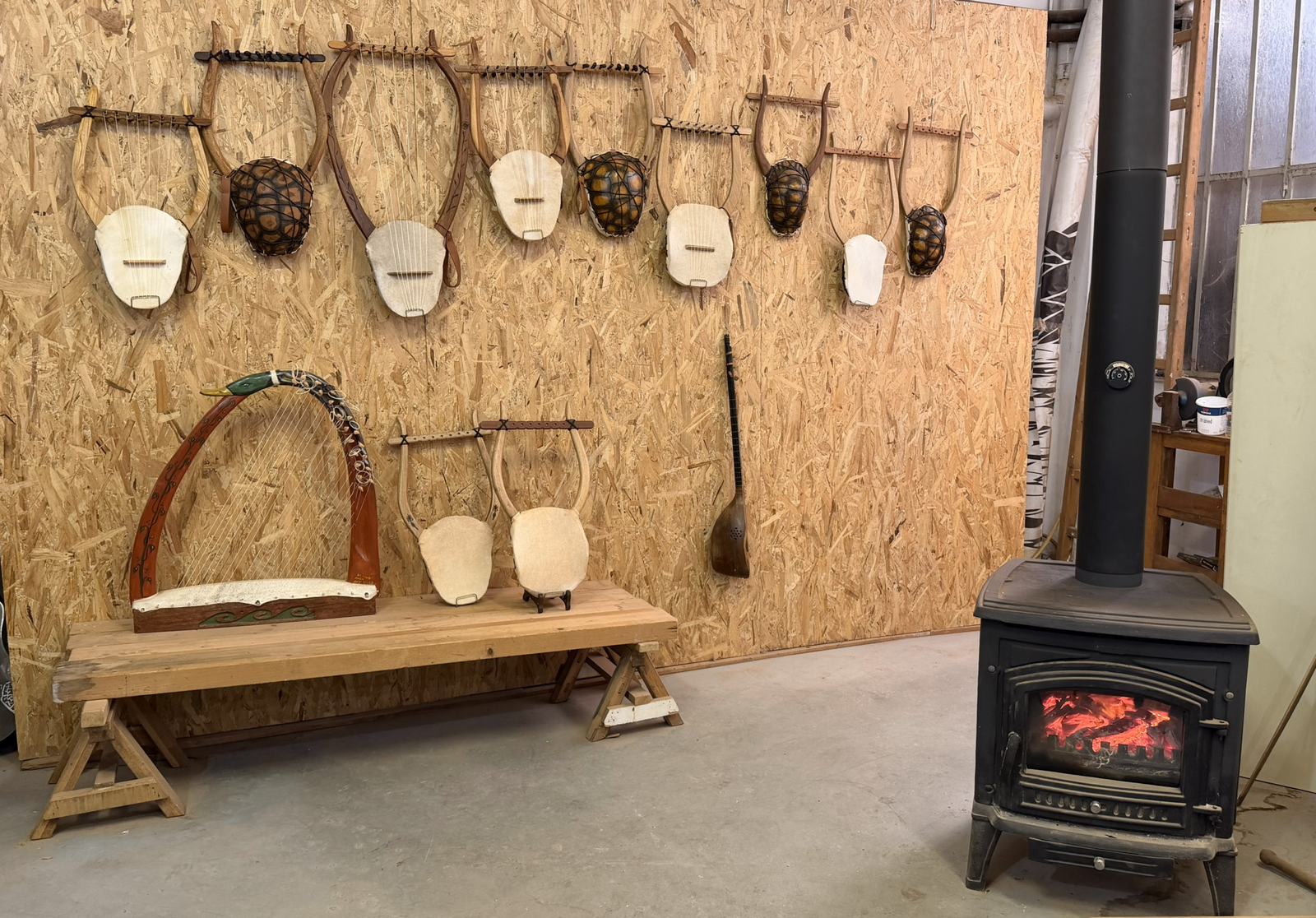
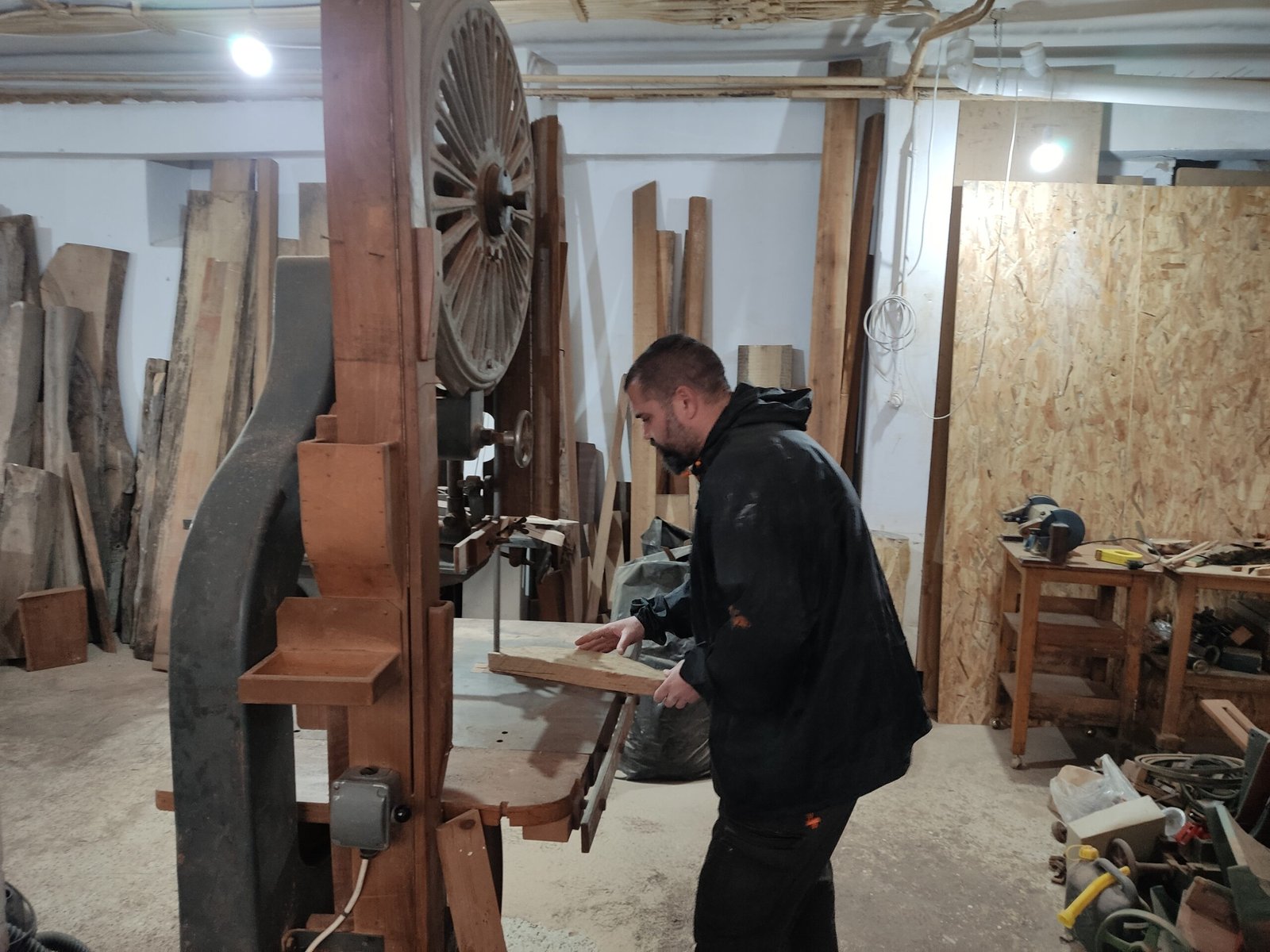
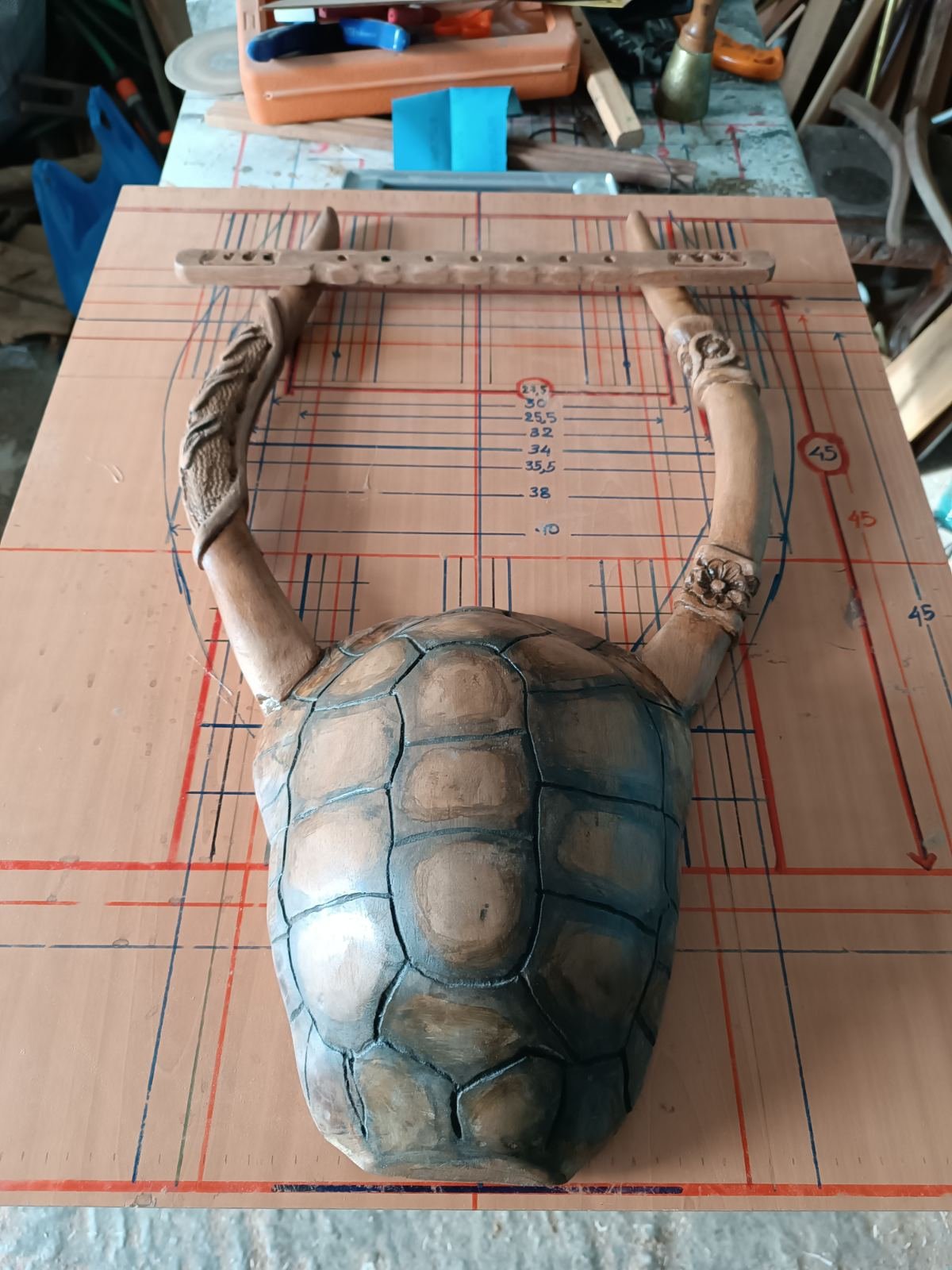
The master luthier atelier Palmos was founded in 2011 by Nikolaos and Giorgos Nikas. From the beginning, it was conceived as more than a workshop. Instead, it became an artistic space dedicated to research, preservation, and the transmission of Hellenic tradition. Rooted in ancient Greek music and philosophy, the atelier follows a continuous path of study and dedication. In this way, it presents ancient Greek instruments not as relics of the past, but as fully functional modern musical instruments that still carry the ethos of antiquity.
Silence, Study and the First Forms
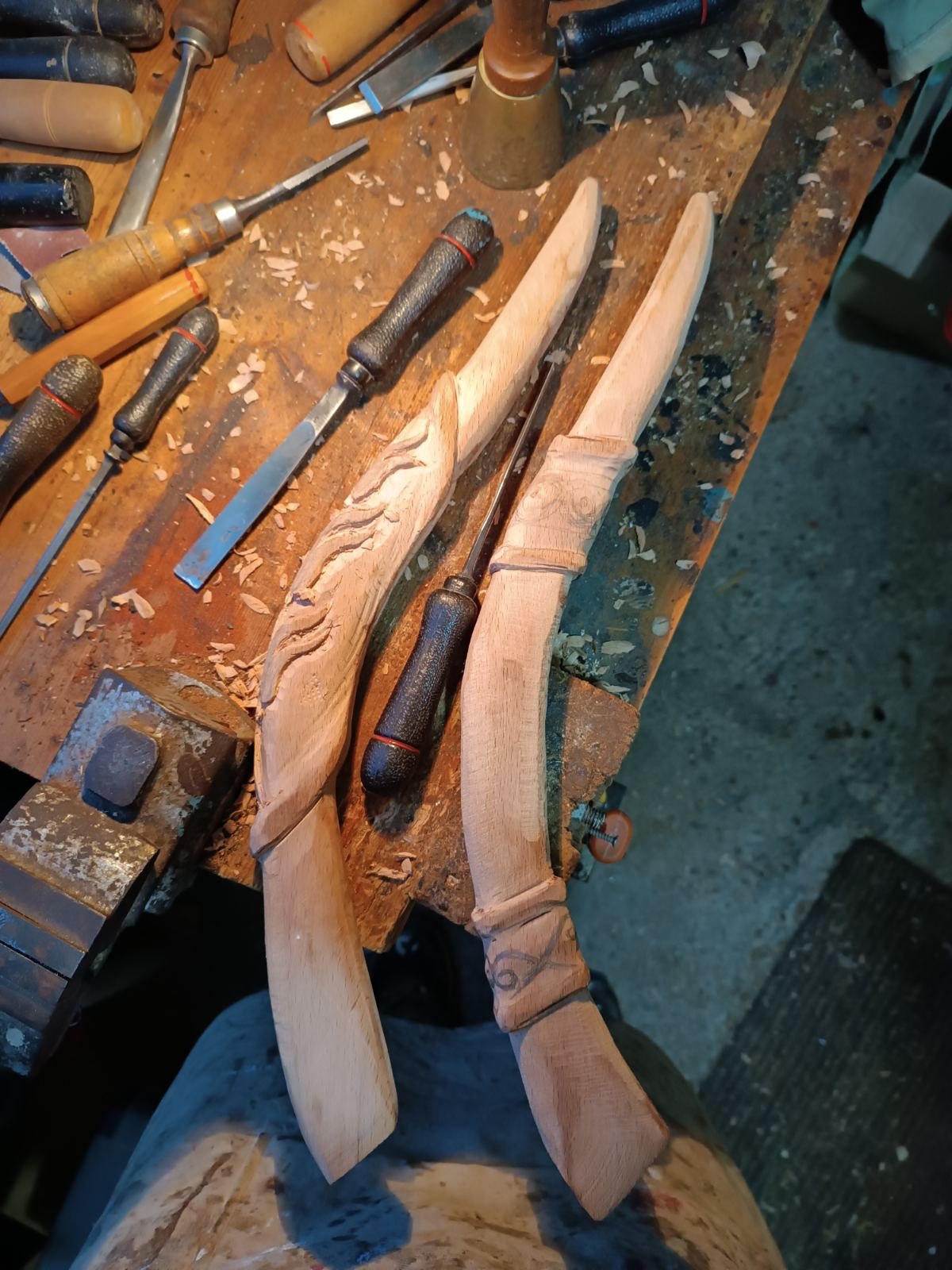
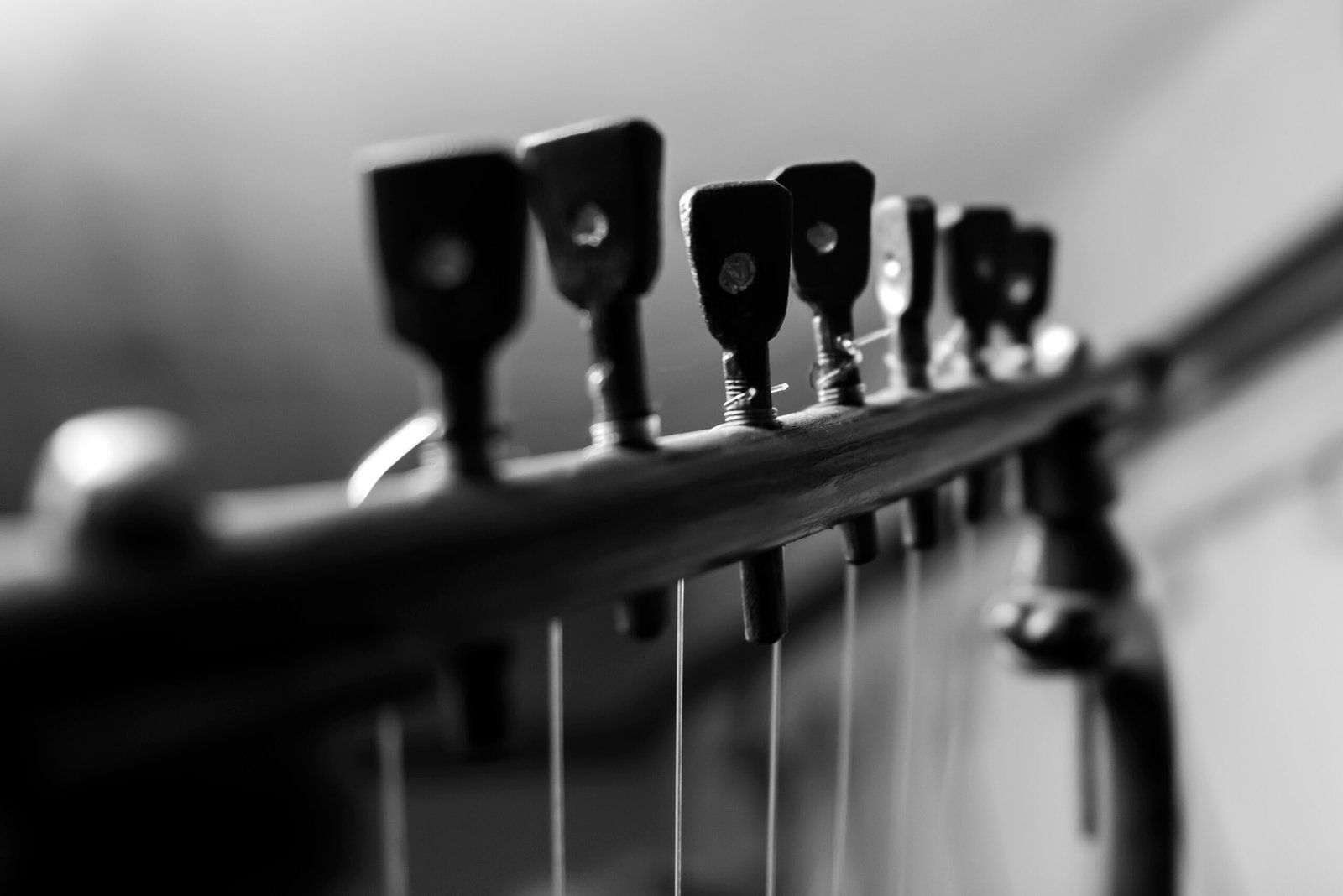
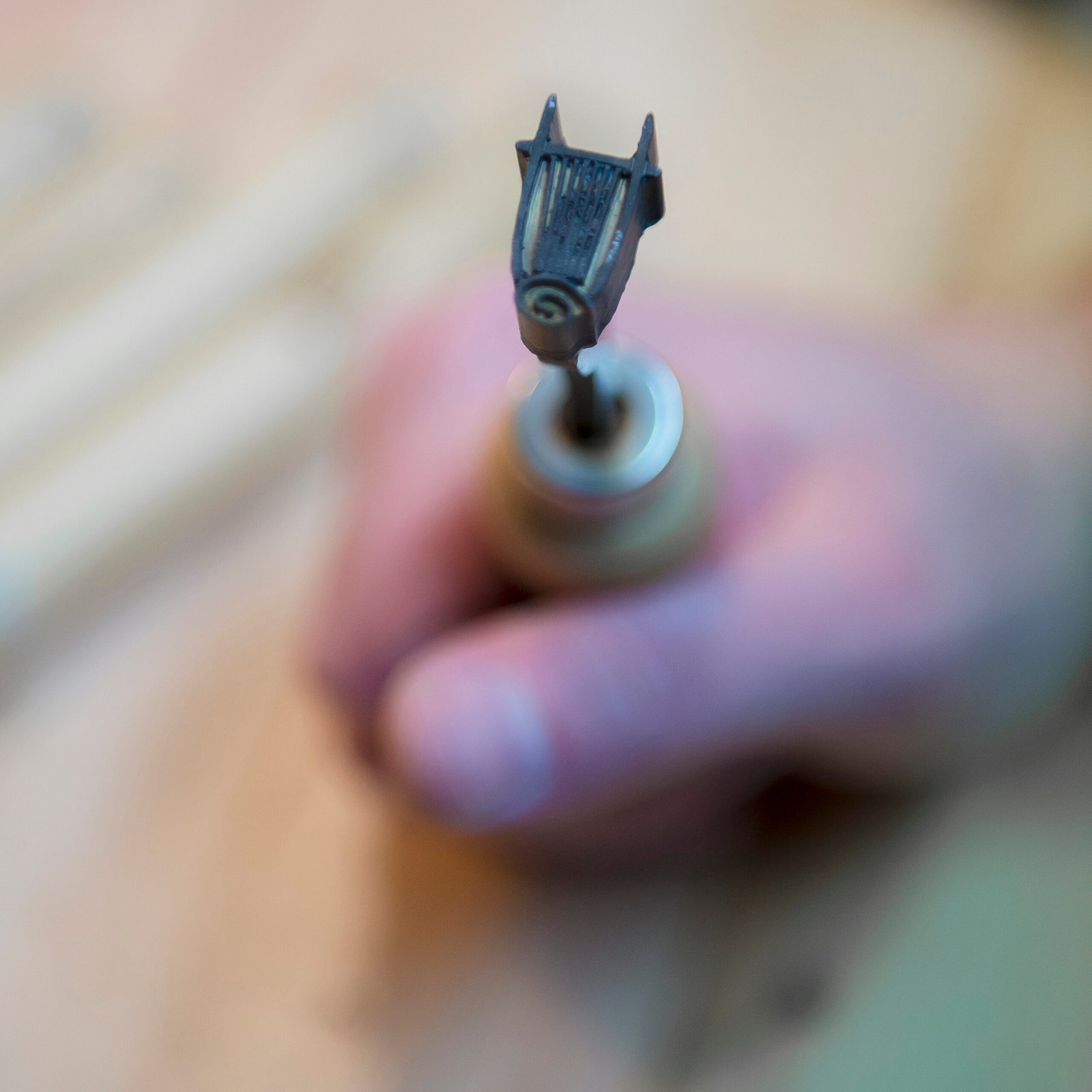
Before sound appears, there is silence. Ancient texts provide direction – mythological narratives reveal deeper meaning. Scientific musical treatises add structure, while depictions on ceramic preserve form. Together, these sources offer clues that require careful reading. From this research, our first lyres gradually took shape. Over time and through repeated trials, the instruments crossed a clear threshold. As a result, they moved from inert reconstructions to living bodies, ready to receive breath, tension, and voice.
Experimentation and the Nature of Sound
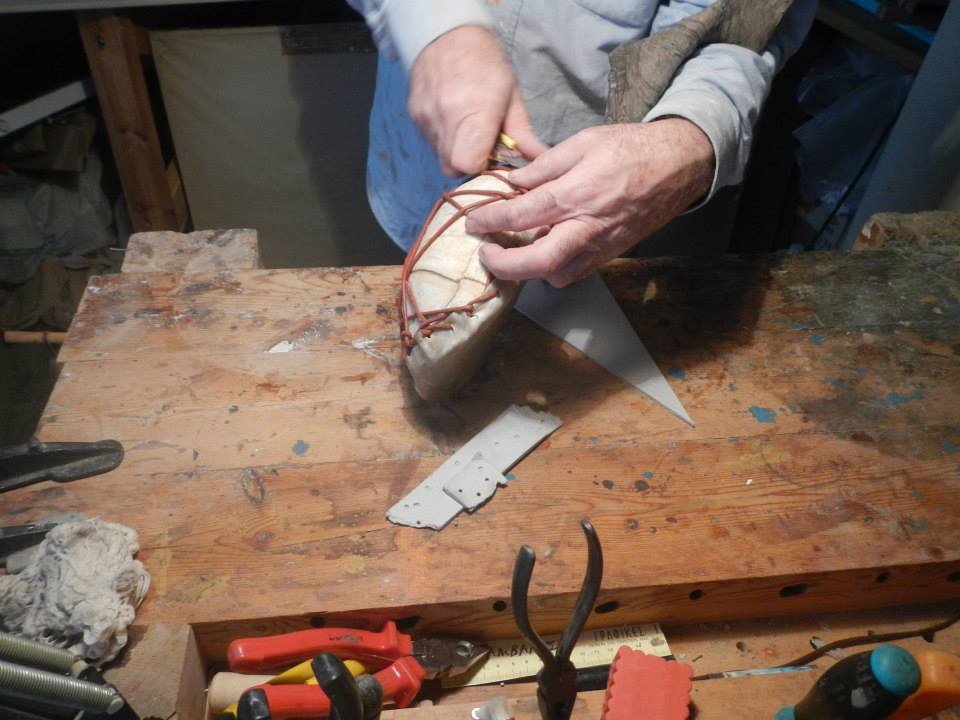
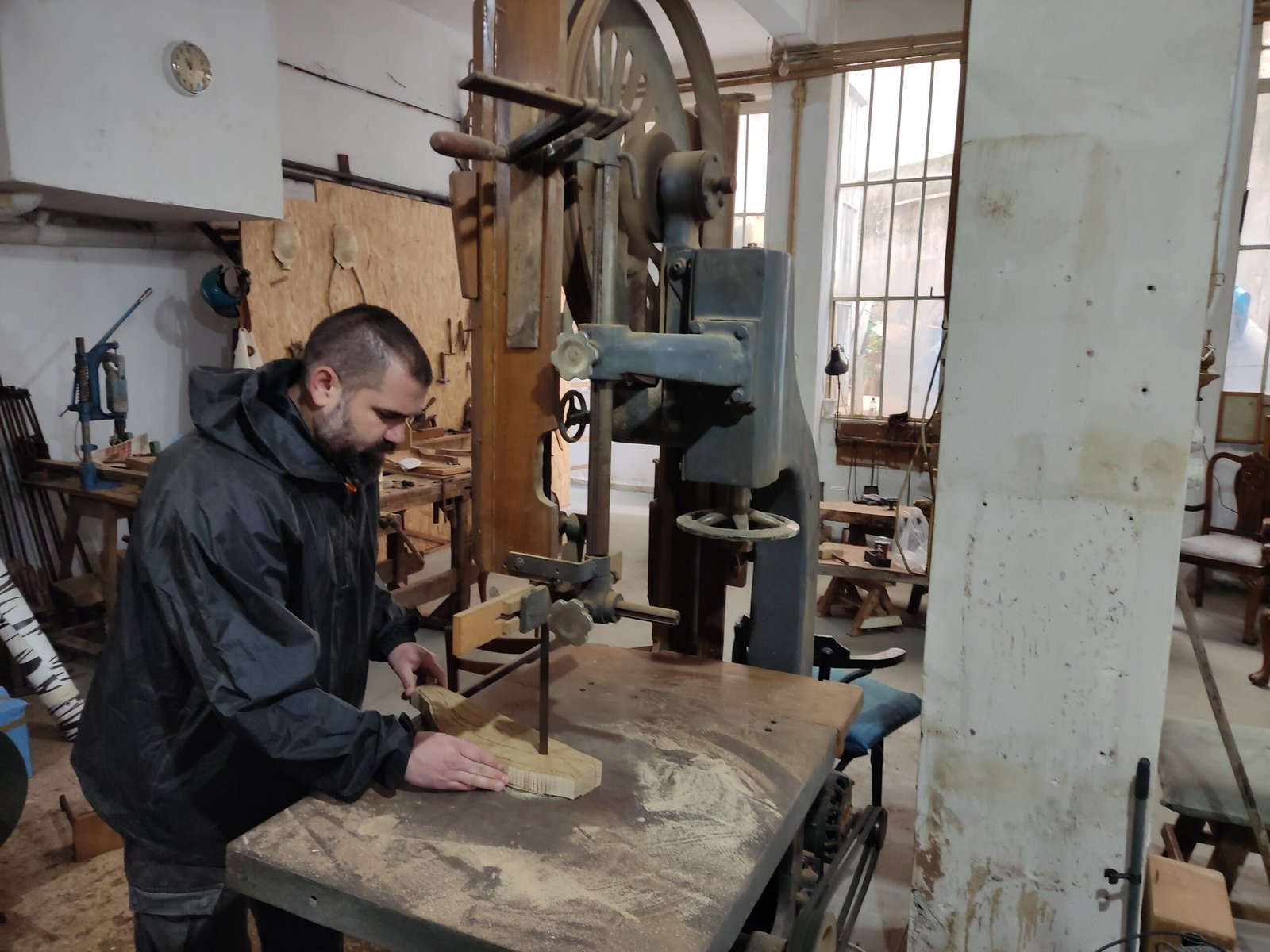
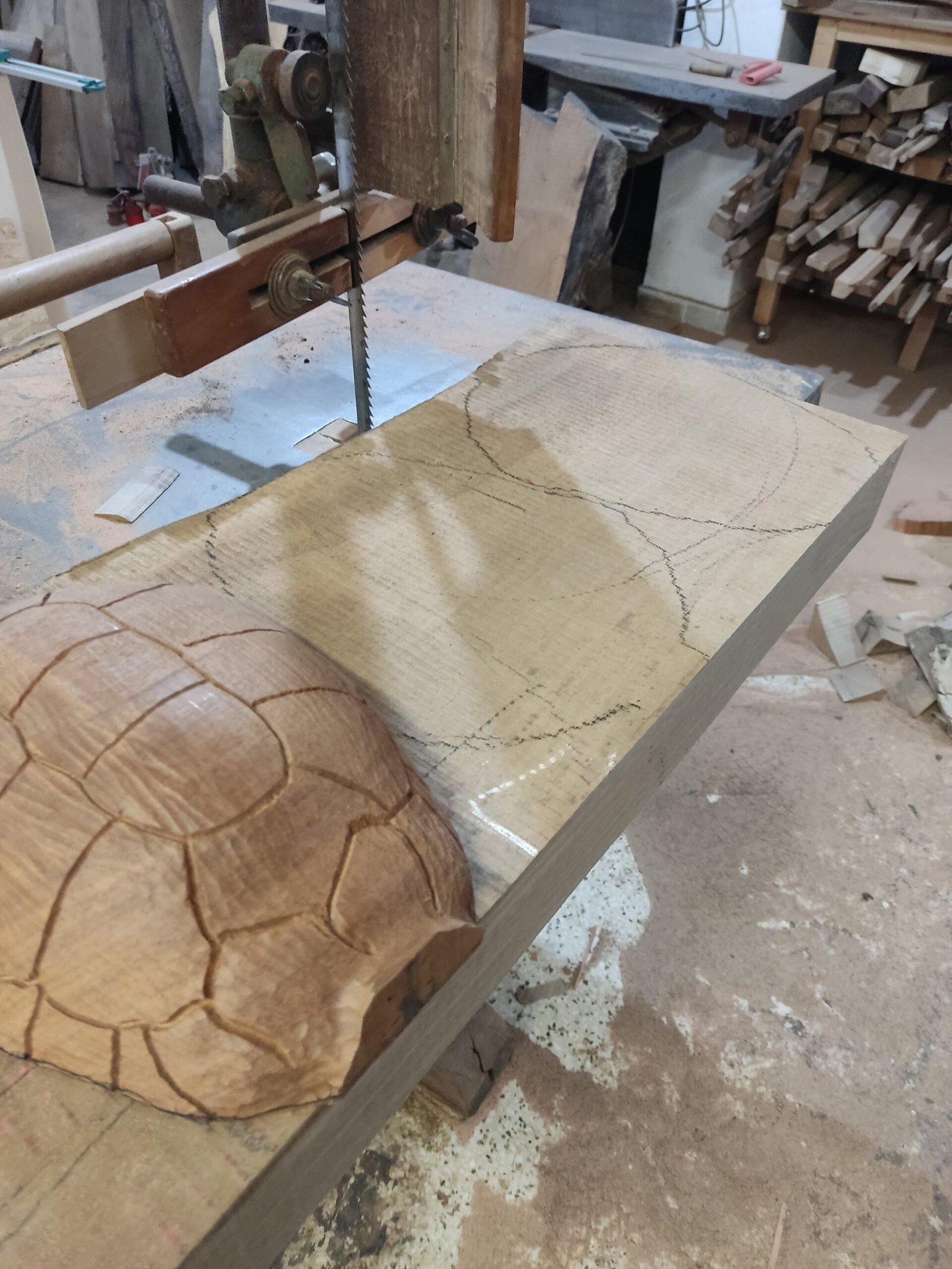
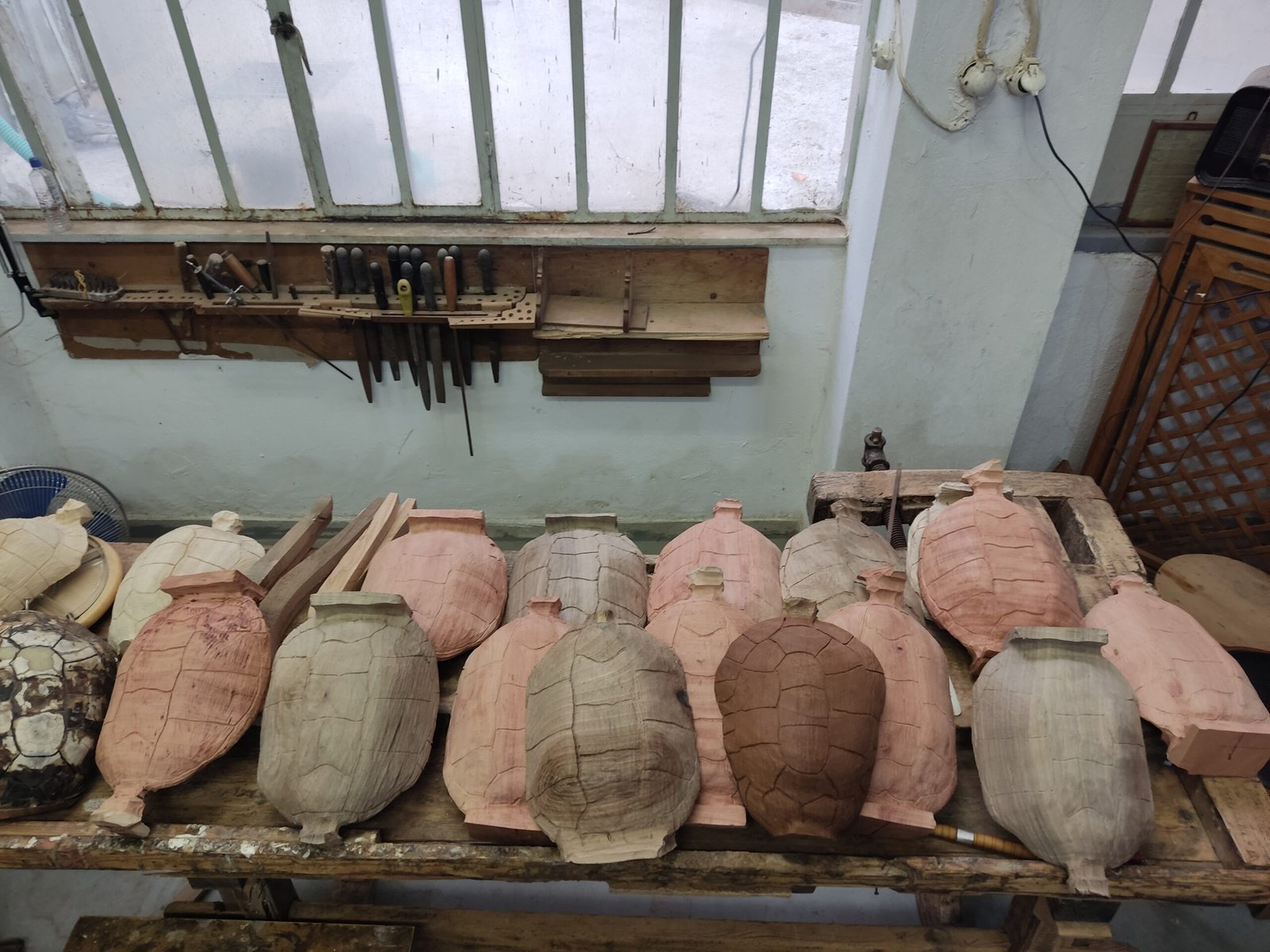
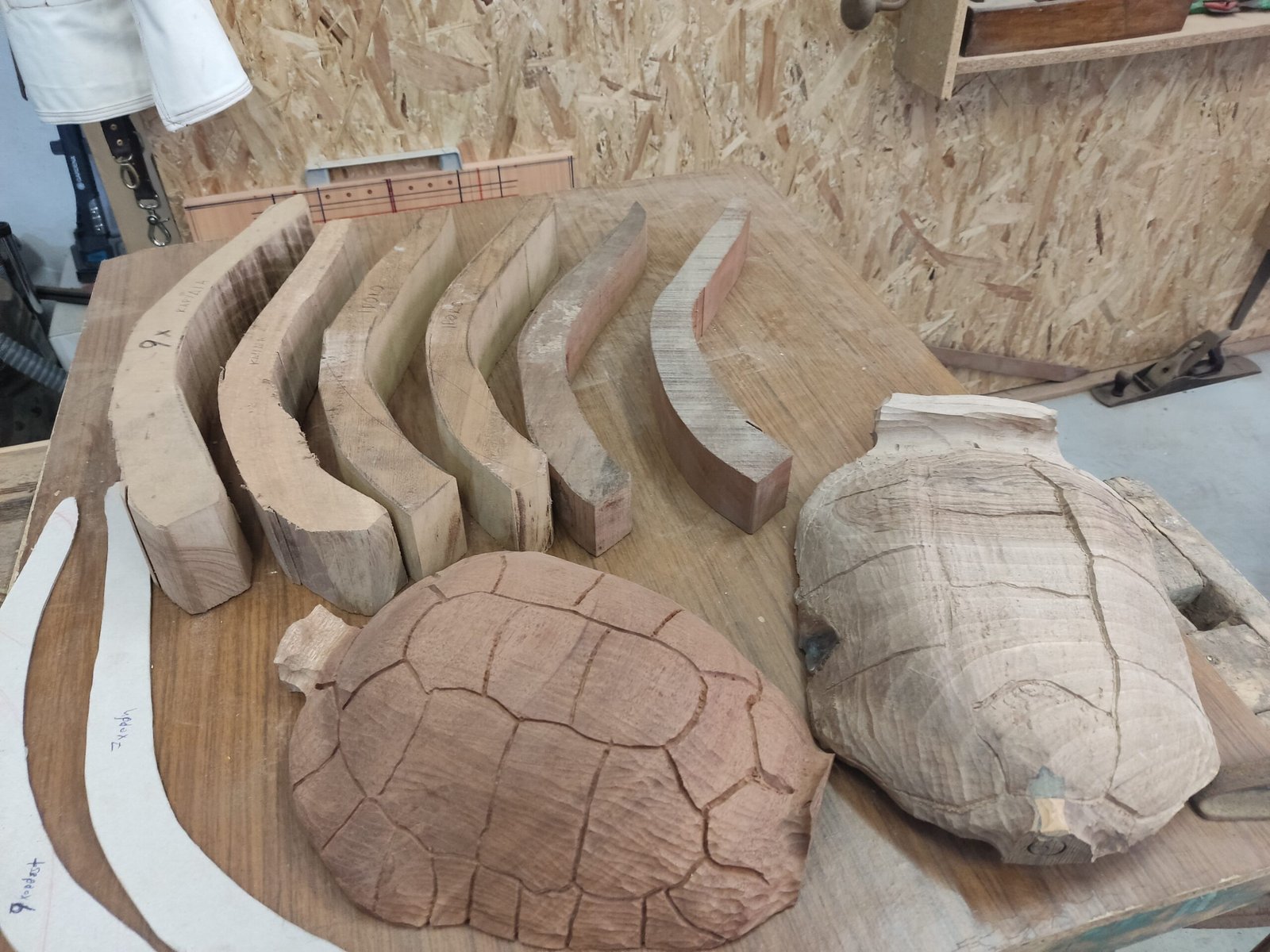
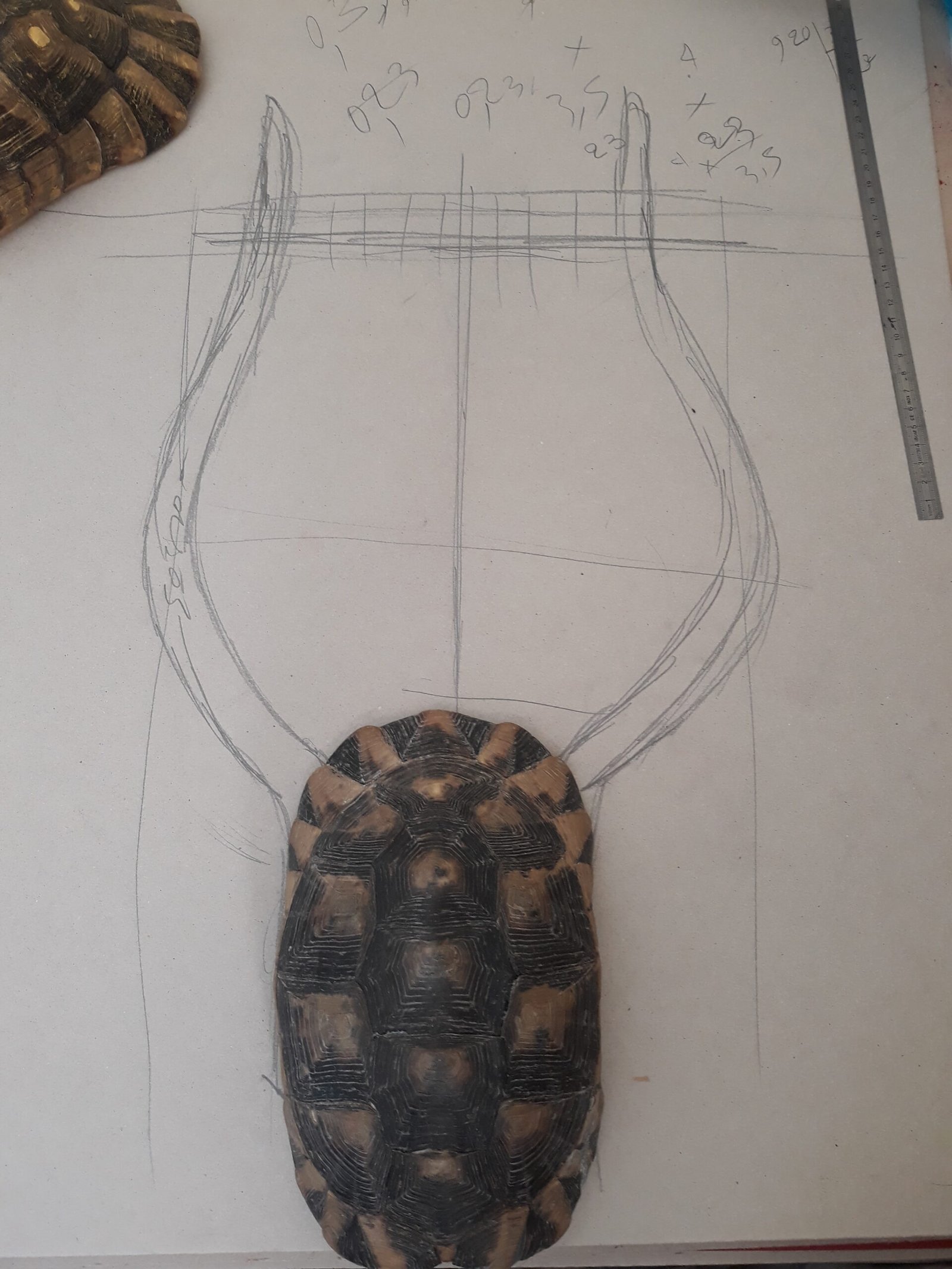
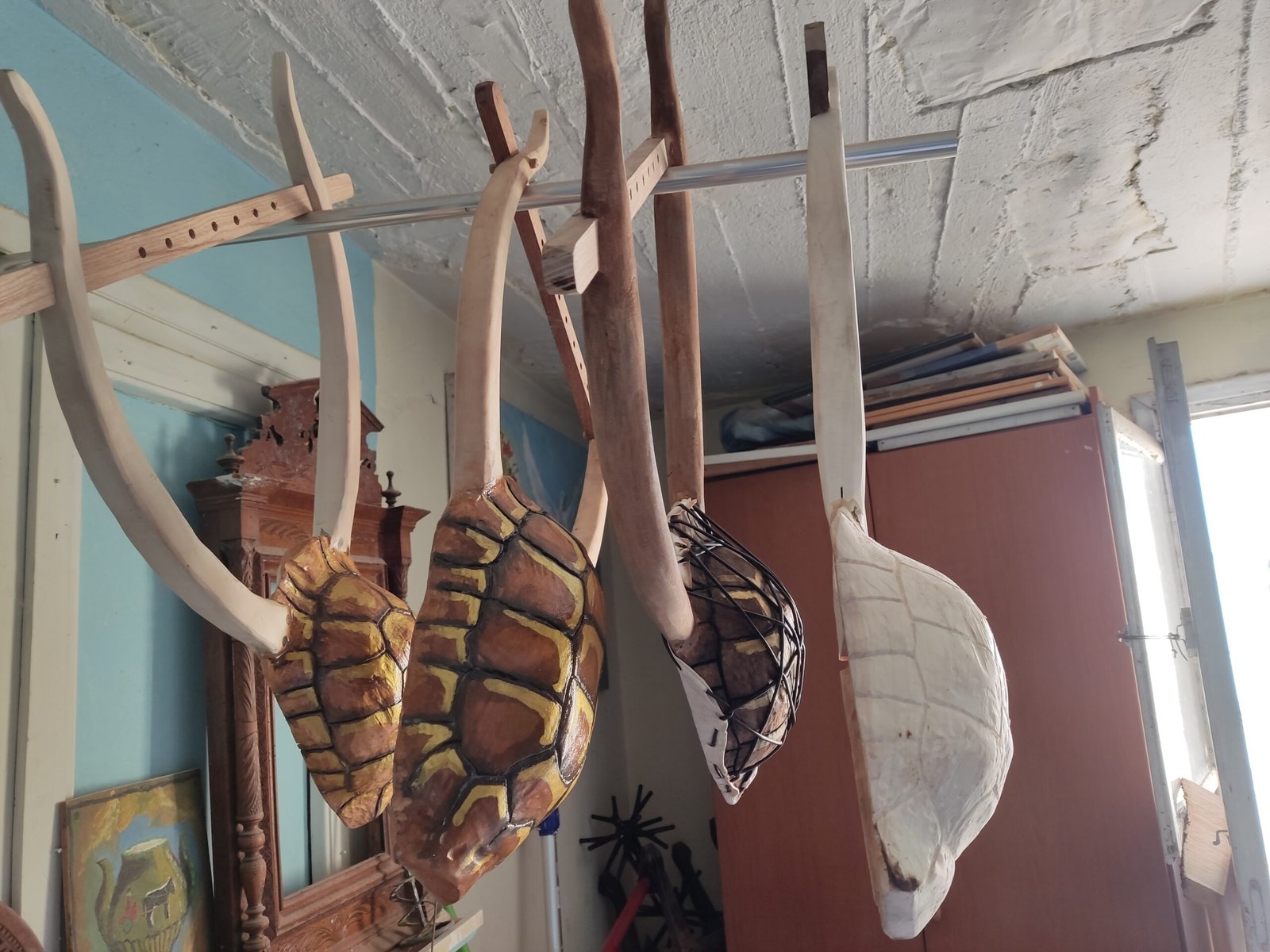
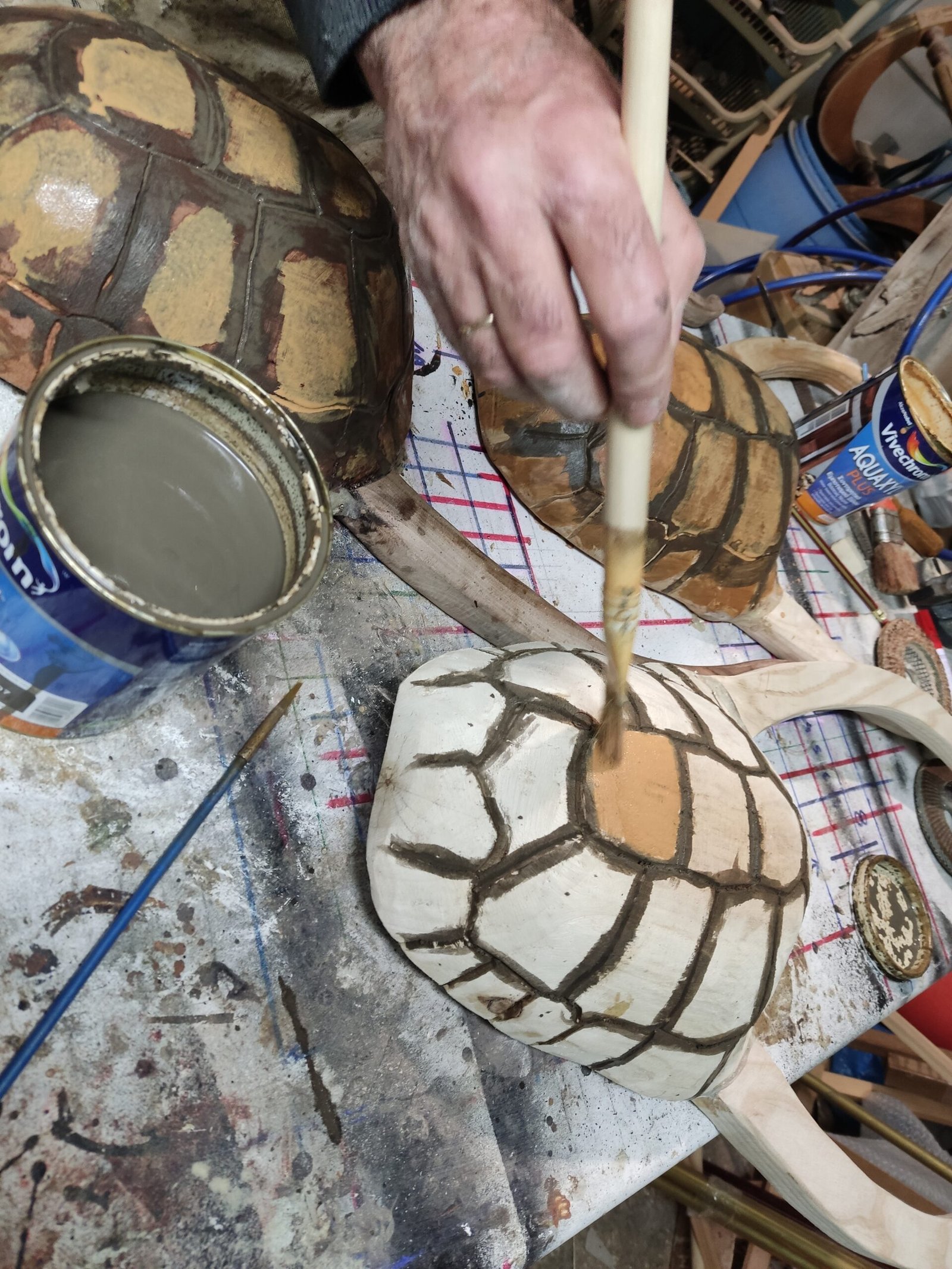
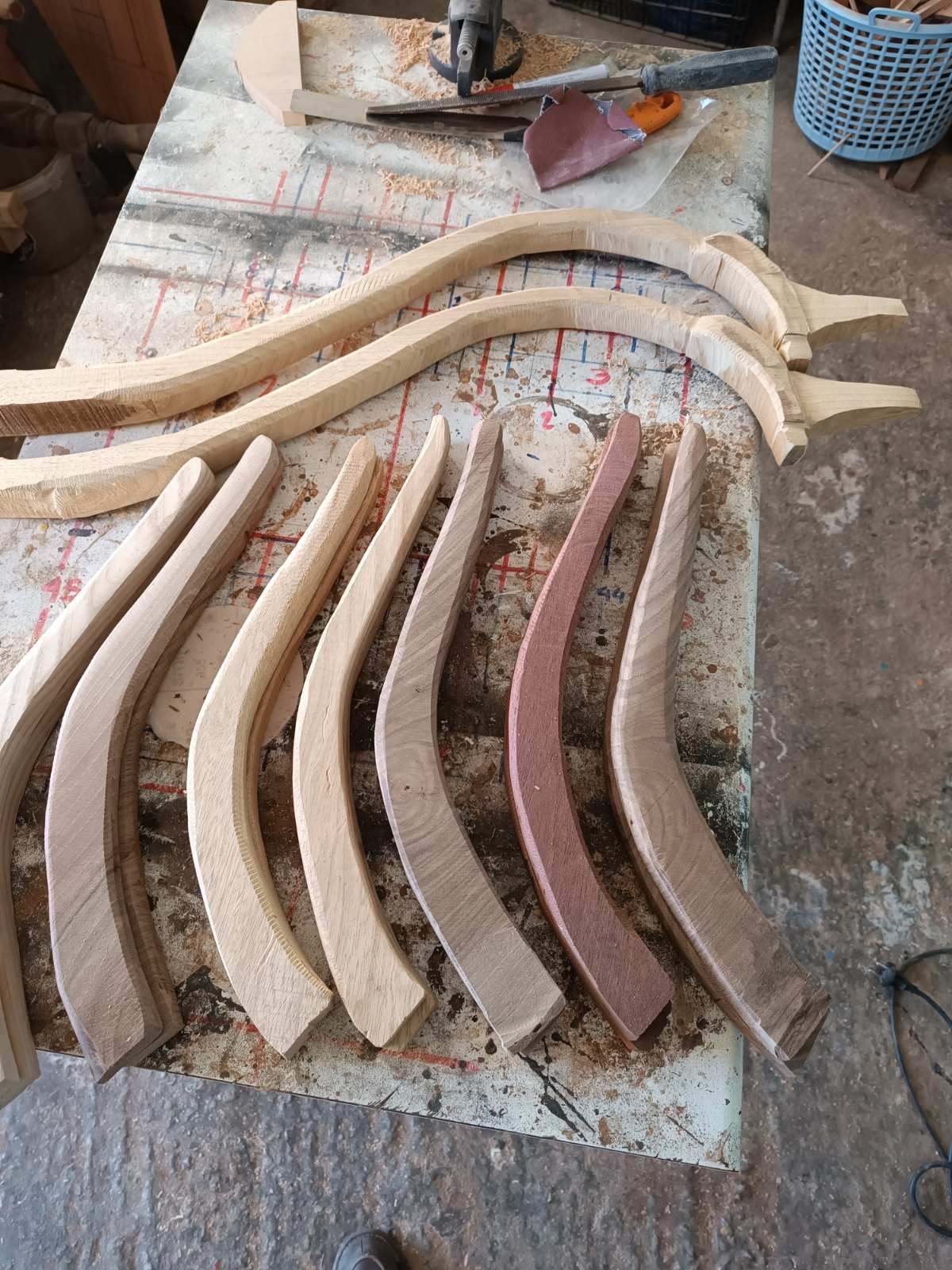
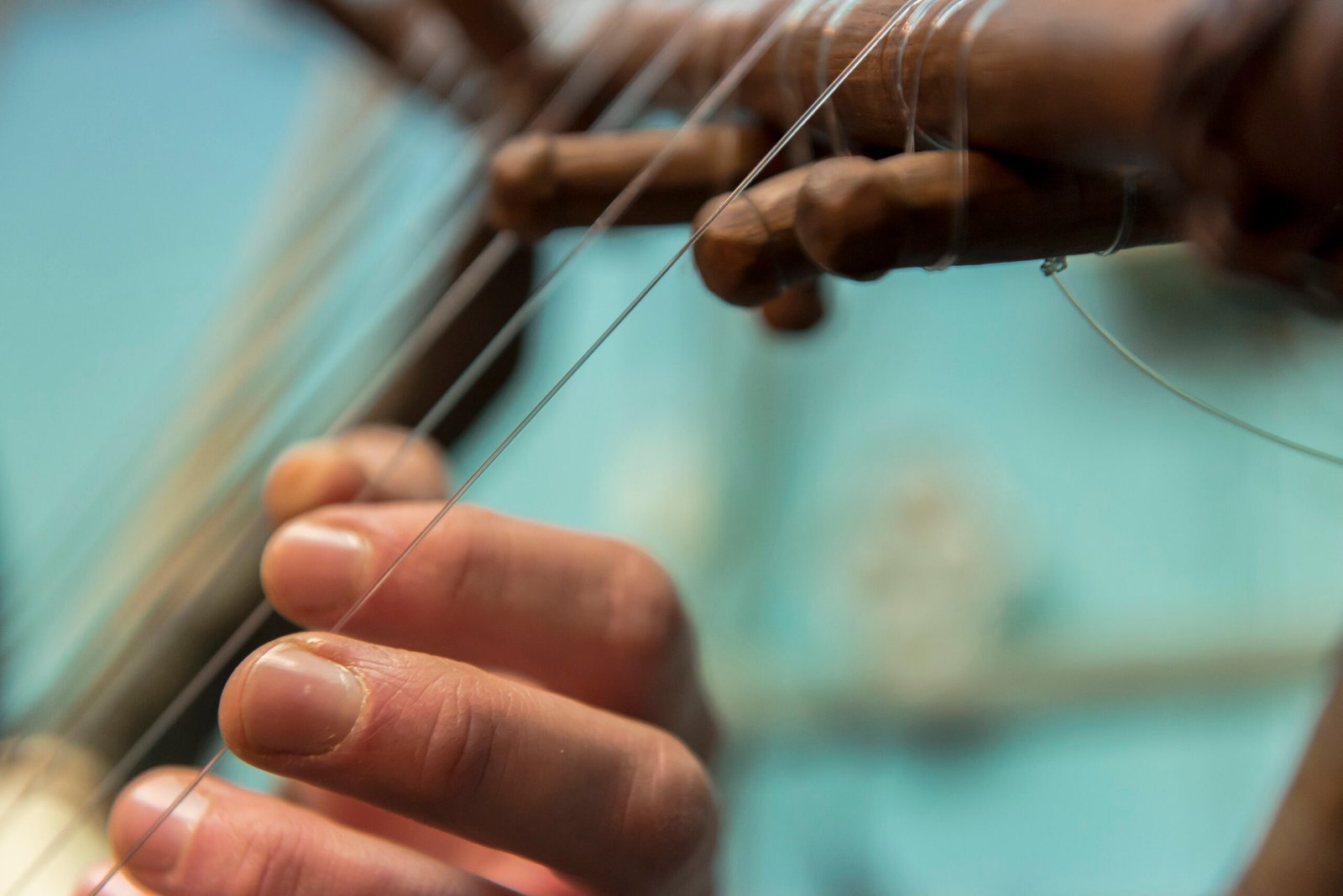
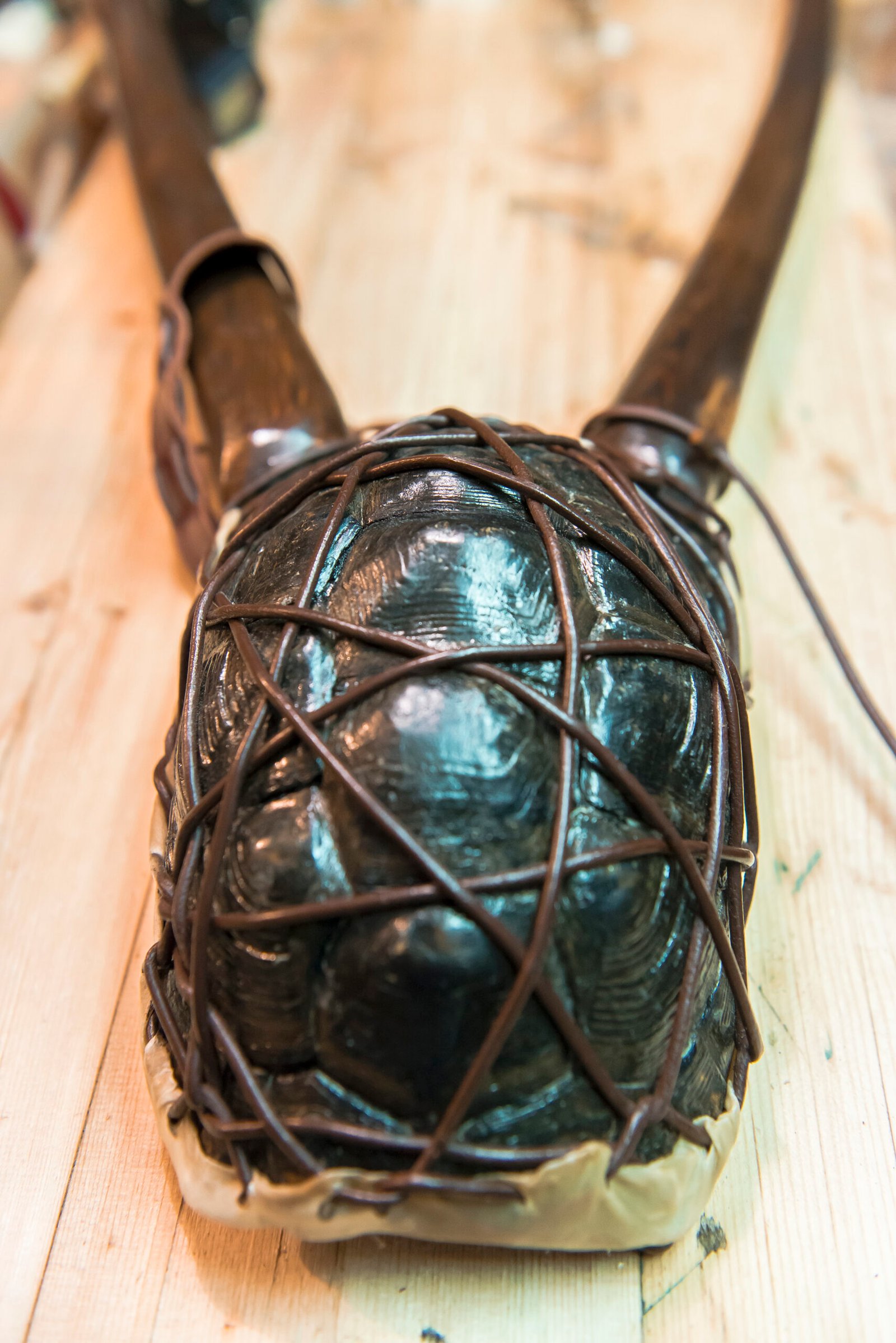
Sound does not reveal itself easily: years of experimentation preceded each form. We studied tortoise shells from land and sea turtles found lifeless in nature. Slowly, we shaped the wood, and tested and retested strings. Often, identical measurements produced different textures. Through this process, a crucial lesson emerged: Sound does not follow rules alone. Instead, it appears where attention, proportion, and listening remain in balance.
Materials and Memory of Place
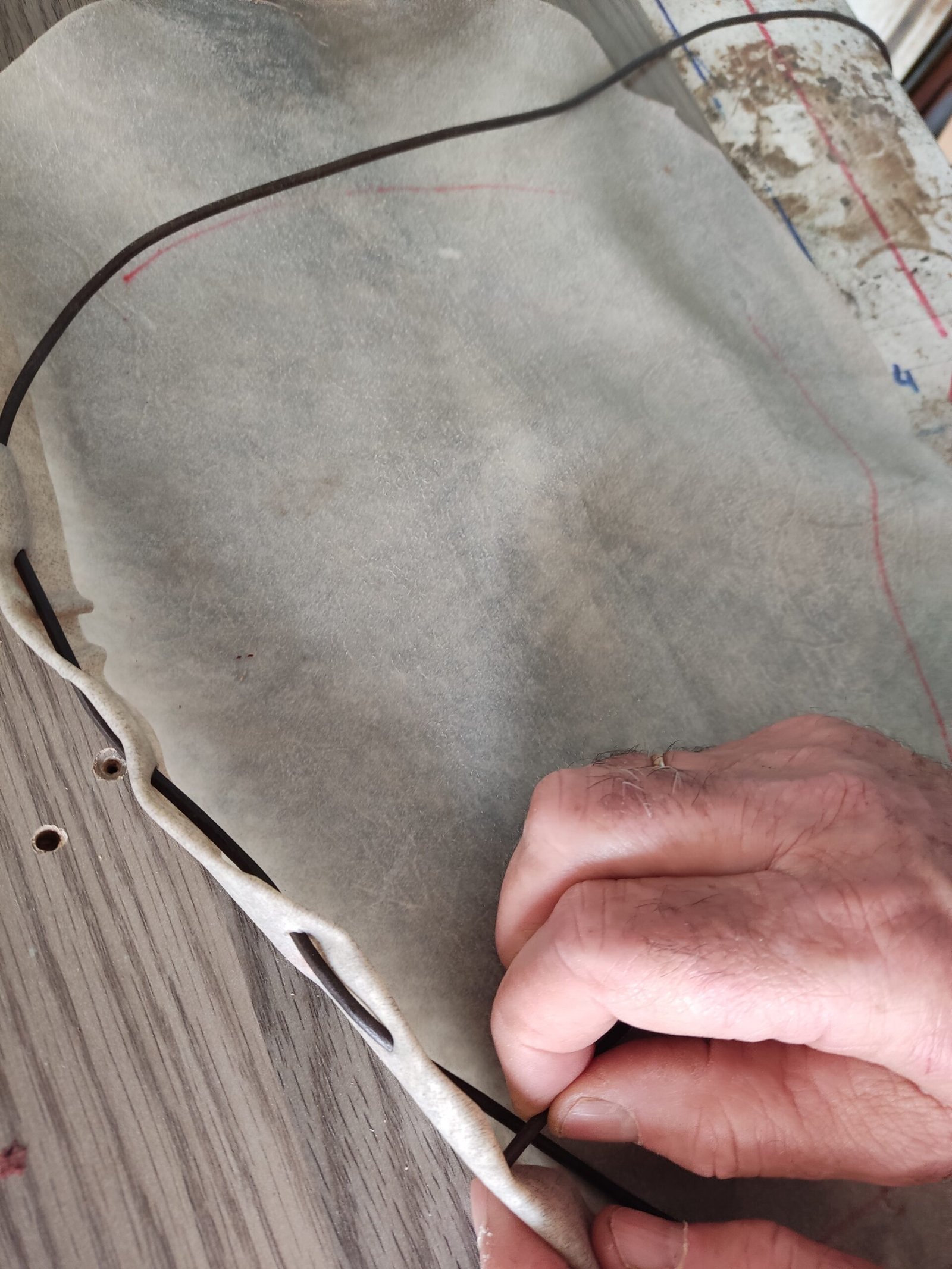
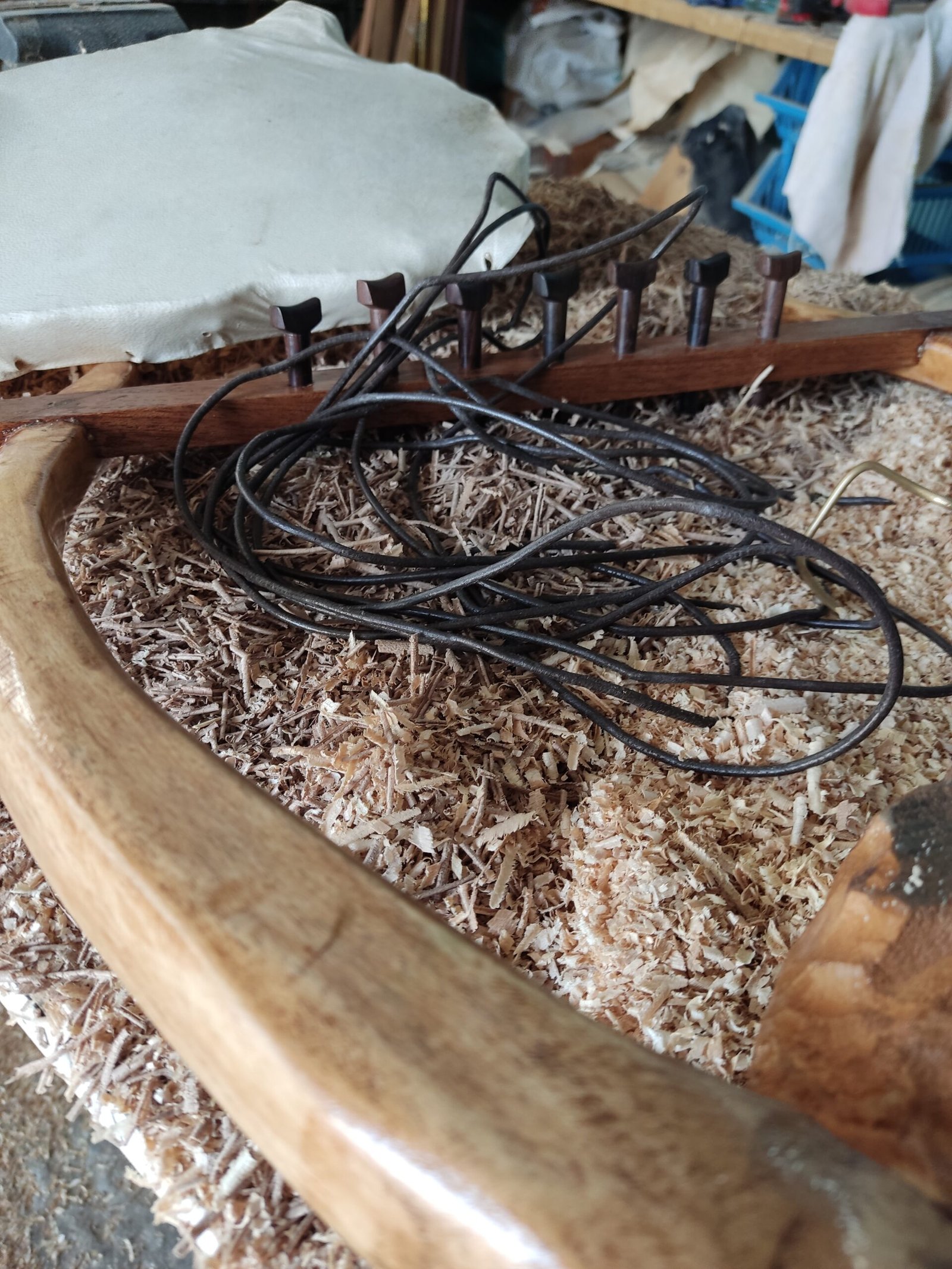
Gradually, the materials began to speak. In doing so, they led us back to the land where they lived. Woods grown on Greek soil—walnut, oak, chestnut, olive, and mulberry—carry a strong memory of place. Likewise, hides and horns from animals of our mountains carried the historical memory. These do more than produce sound. Rather, they respond. Each instrument seems to require local materials in order to awaken and speak truthfully.
Unity of Intention, Matter, and Sound
After many years devoted to ancient Greek lyres and other musical instruments of antiquity, this practice found its justification. Time-aged materials shape the work, while discipline and balance guide each decision. Most importantly, inner coherence holds everything together. Musicians who choose and play these instruments recognize this unifying bond of human intention, natural matter, and sound. Within this unity, the voice of Palmos becomes clear.
Research and Development
The First Question
The initial impulse was personal and inward. Musician and researcher George Nikas sought to approach ancient Greek music through direct experience. To that end, in 2011, he built his first ancient Greek lyre. Soon, its voice revealed clear limits: the sound lacked depth, and the instrument could not sustain virtuosic performance. From this tension, deeper questions emerged. How could such an instrument support advanced musical theory in antiquity? How could it carry refined compositions and serve education? Moreover, how could it stand as the sacred emblem of the god of music? Yet, how could it now appear restrained in modern hands? The lyre remained unchanged for centuries, a sign of inner perfection. Something essential seemed lost.
Form, Sound, and Perception
In matters of form and ergonomics, the past spoke clearly. Visual evidence preserved posture, proportion, and symbolic presence. Sound, however, remained uncertain. Could modern ears hear what ancient ears once heard? Over time, the ear itself has changed. Constant noise reshaped perception. Amplified sound altered listening habits. As a result, the questions shifted. They no longer concerned construction alone, but how the lyre was meant to be heard.
From Artifact to Living Instrument
This realization transformed the aim. The lyre could no longer remain a museum artifact. It could not stay fixed and inert. Instead, it had to become a living instrument. While preserving ancient ergonomics and symbolic form, it also needed clarity and strength for the modern ear. Only then could it stand again as a universal symbol at the foundation of Western music.
Method, Discipline, and Clarity
Years of research followed. During this time, George Nikas deepened his study of ergonomics and sound. His work drew upon the rigorous methodology of Nikos Xanthoulis and research on the ancient lyre. Throughout this process, form, sound, and function confronted each other repeatedly. Gradually, discipline and persistence brought clarity.
From this effort emerged a clear understanding. The lyre must not imitate the past. Instead, it must exist as a complete instrument in the present. It must reveal its true nature and remain worthy of its history. In this way, the lyre can return as a tool of high musical expression. Its voice can resonate once more with purpose and authority.
Testimonials
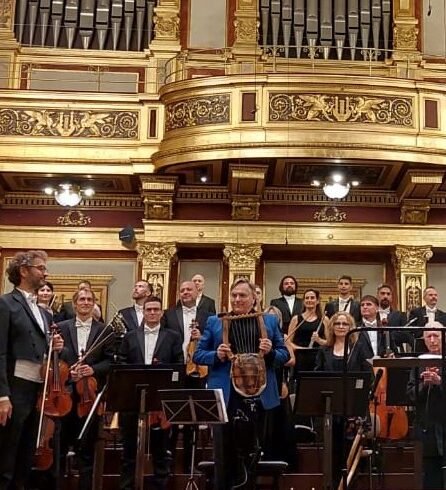
Dr. Nikos Xanthoulis, Musician & Resercher, Athens, Greece
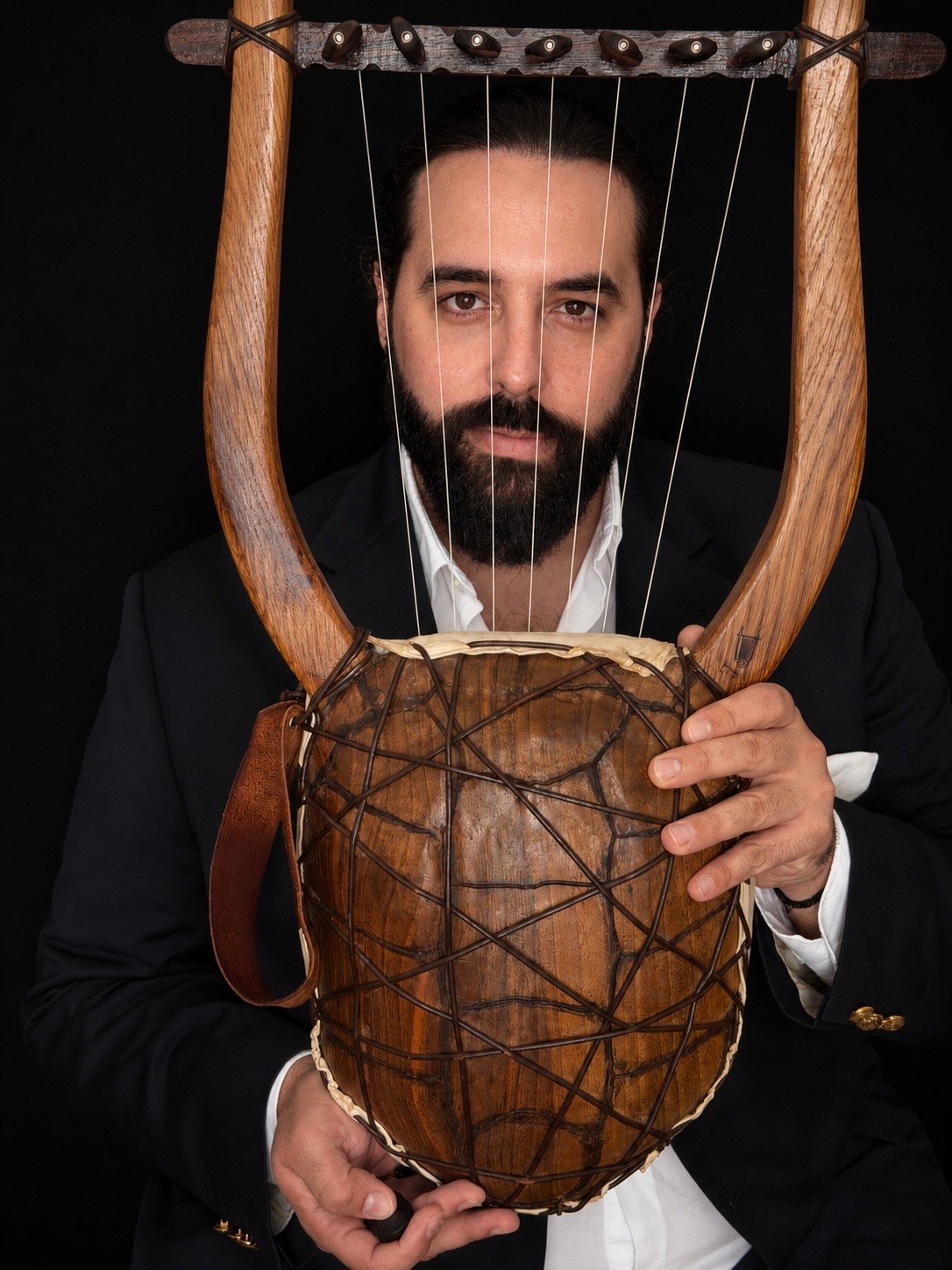
Ilias Zervas, Musician, Athens, Greece
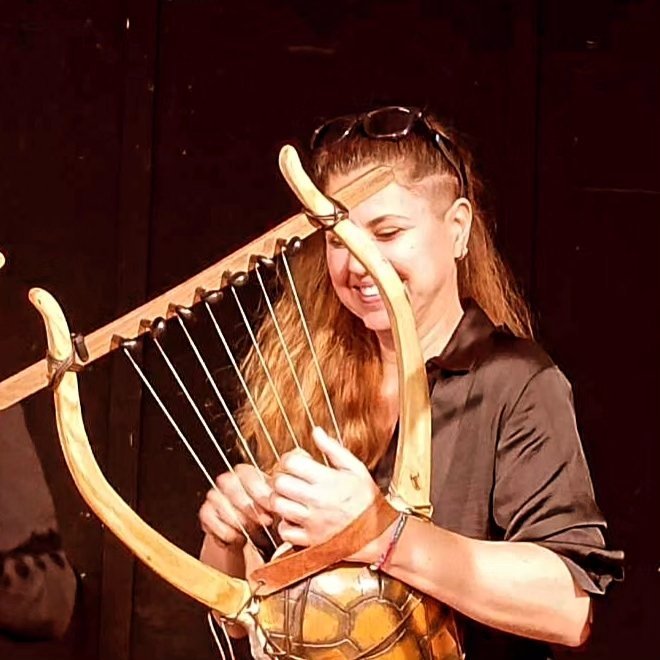
Sonia Charalampidou, Musician, Athens, Greece
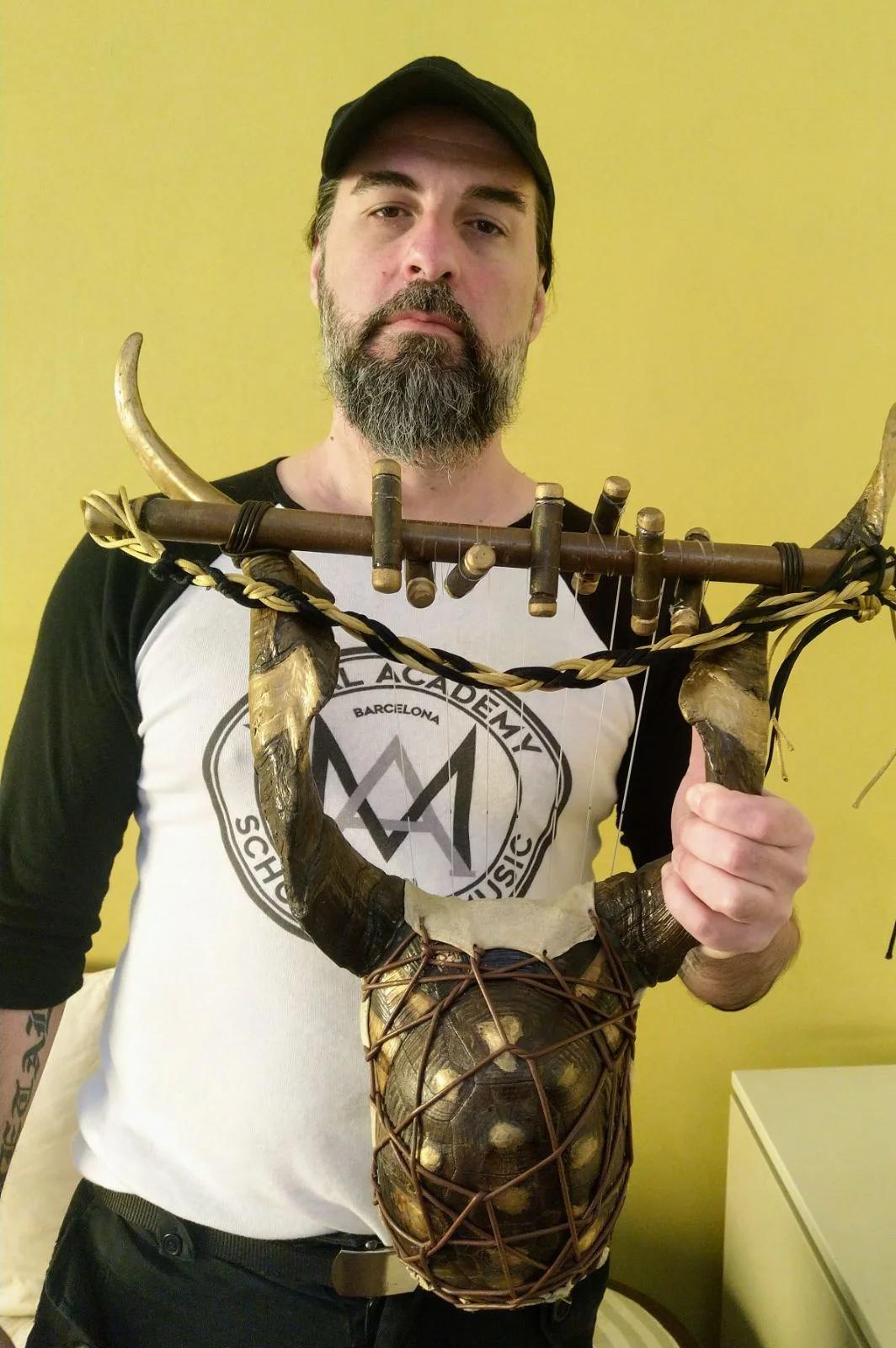
Sakis Tolis, Musician, Athens, Greece
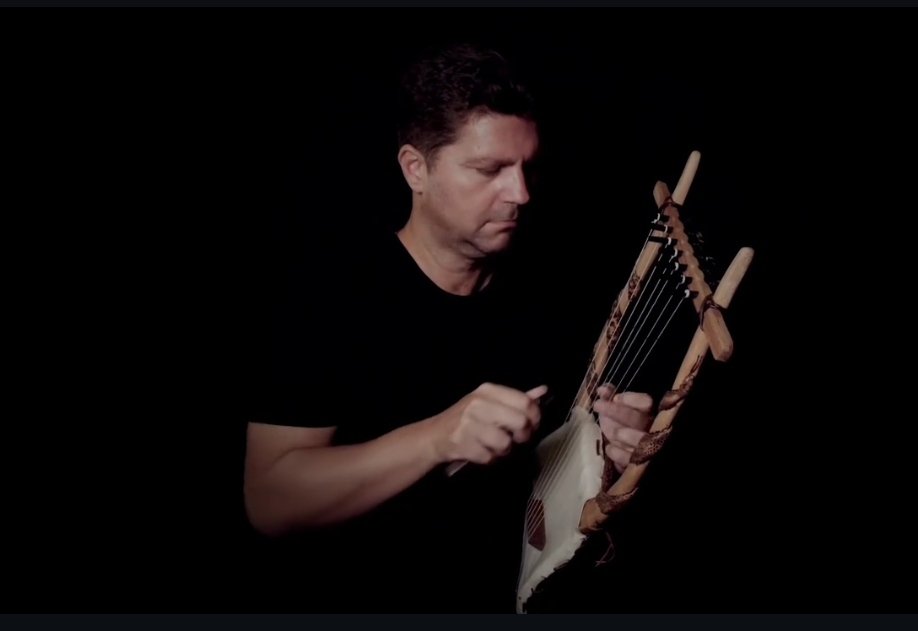
Giorgos Tabakis, Musician, Athens, Greece
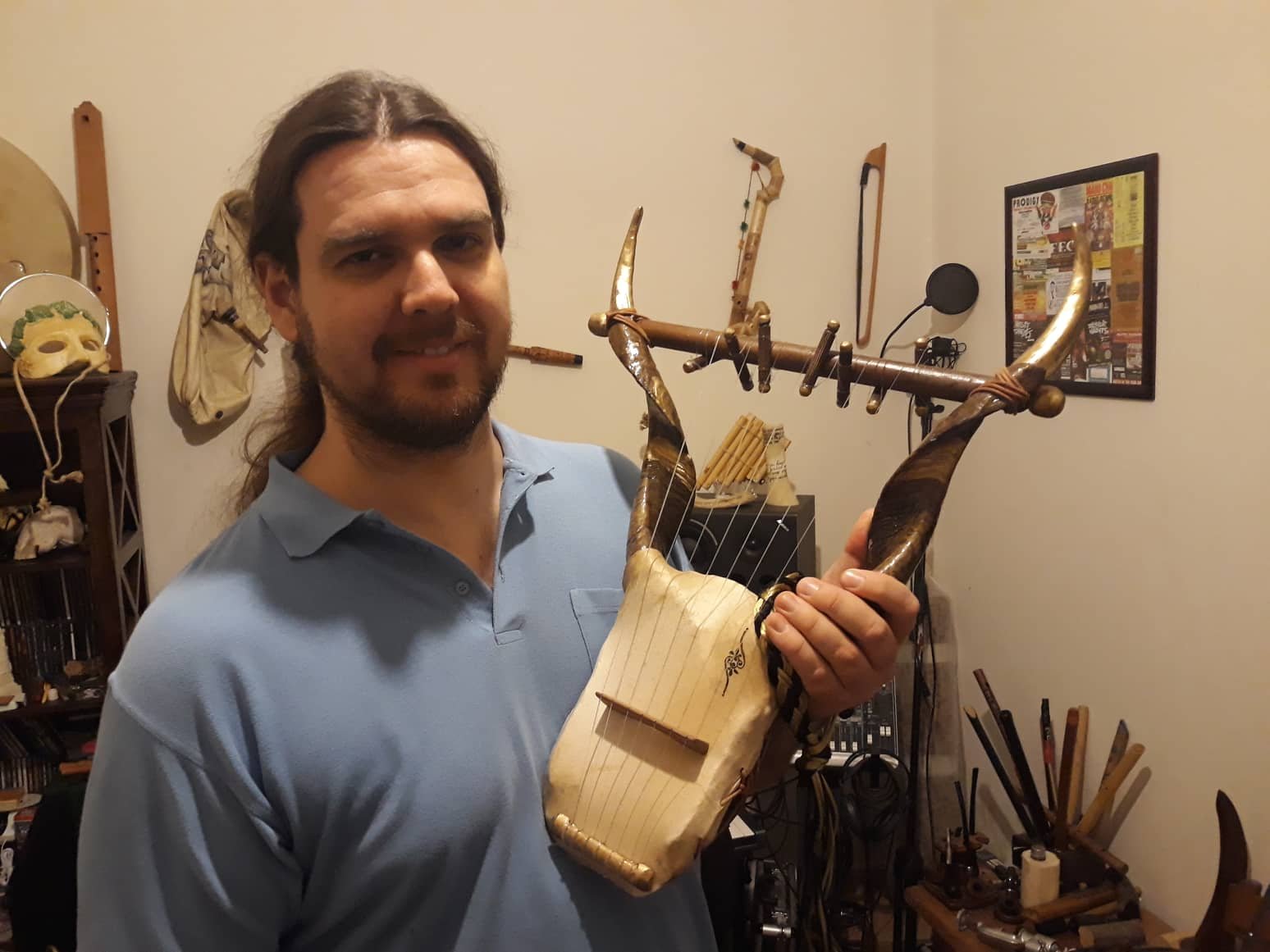
Alexandros Charalampous, Musician, Athens, Greece
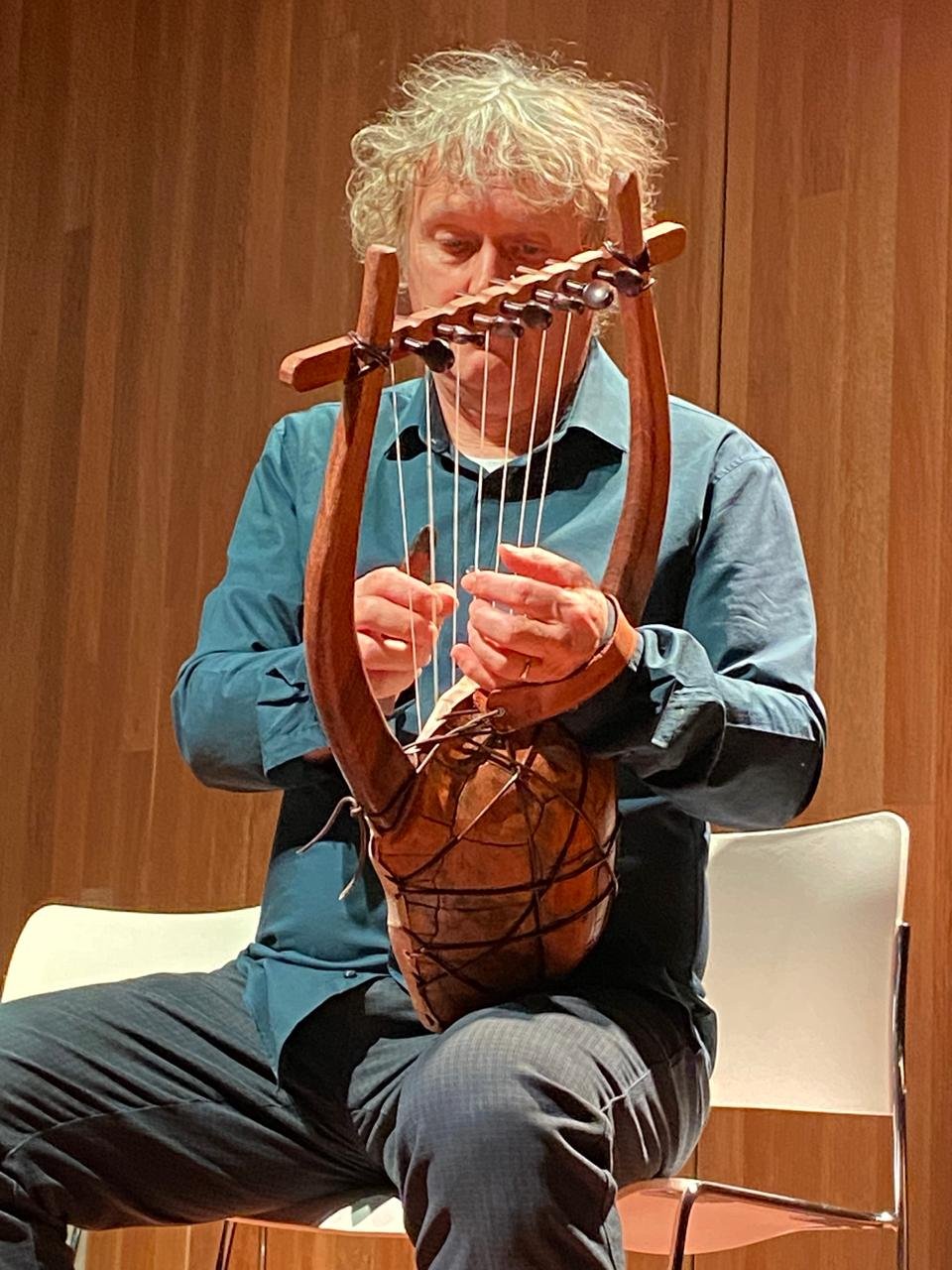
Rossano Munaretto, Musician, IT
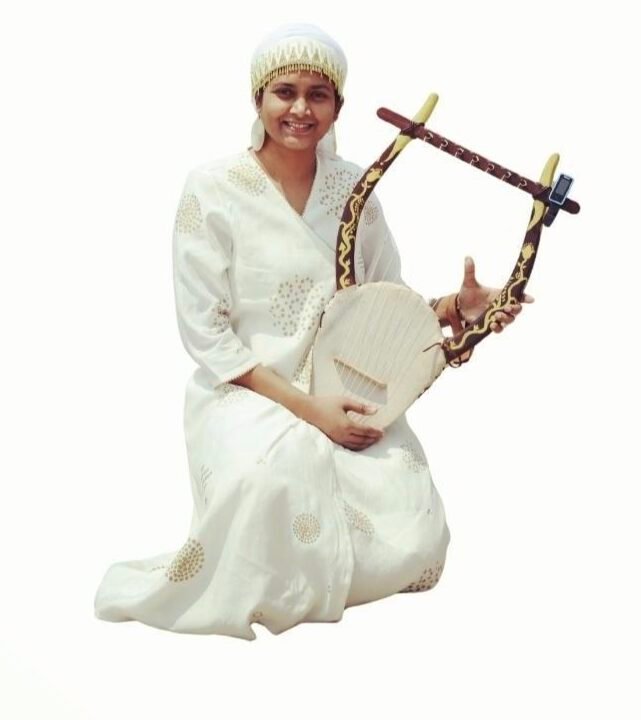
Sunitha Francis, Musician, India
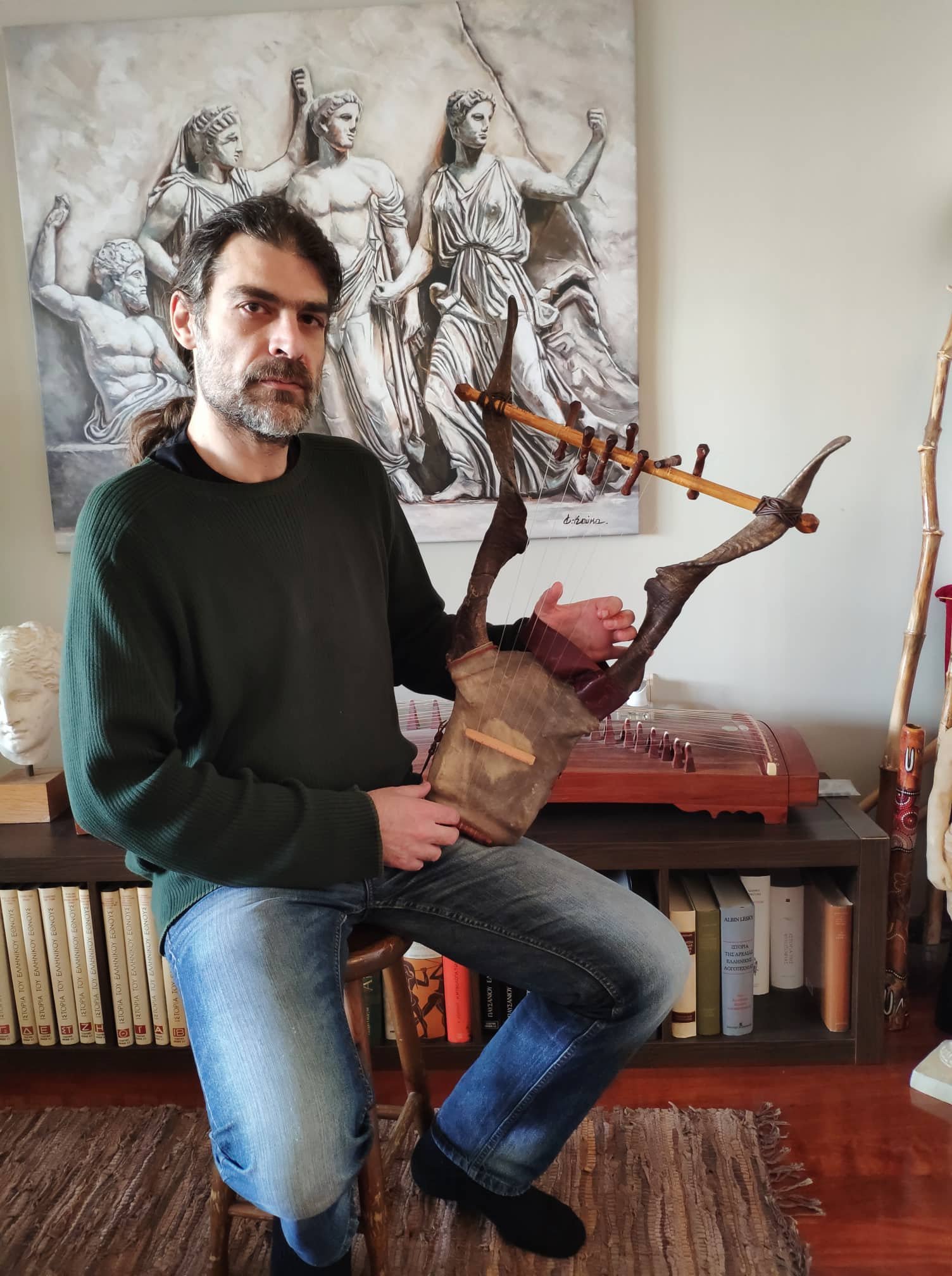
Pandion, Musician, Athens, Greece

Nicolo Manicardi, Musician, Badalona, Spain
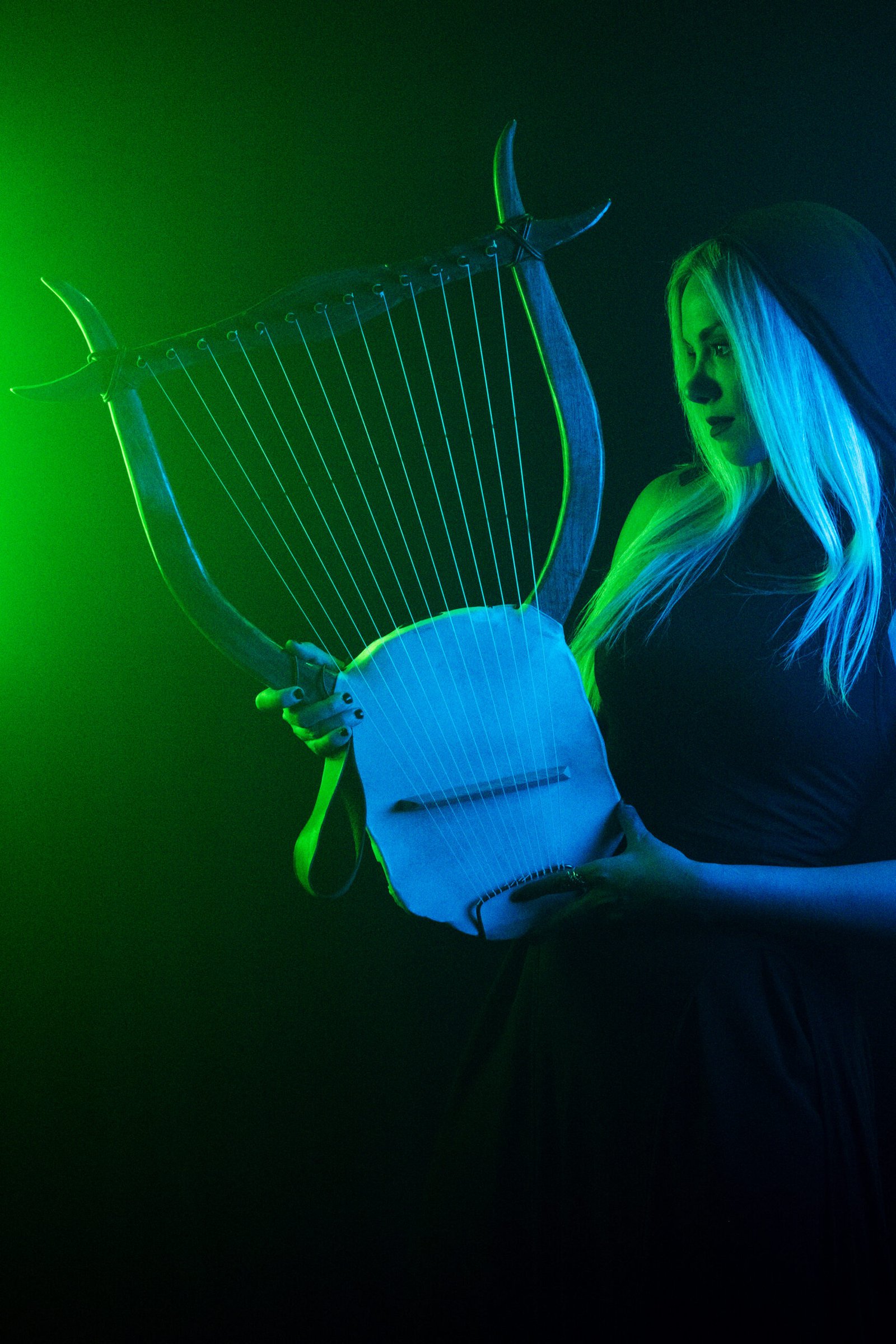
Anthi Bozoviti, Musician, Athens, Greece