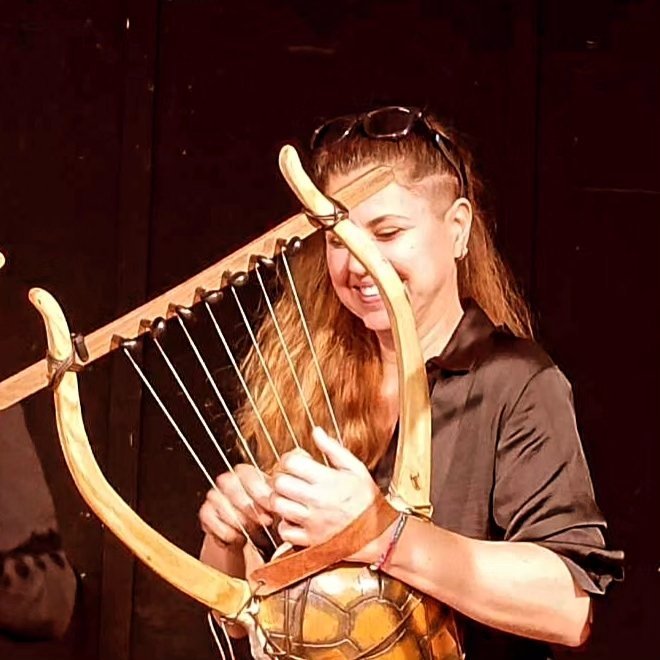
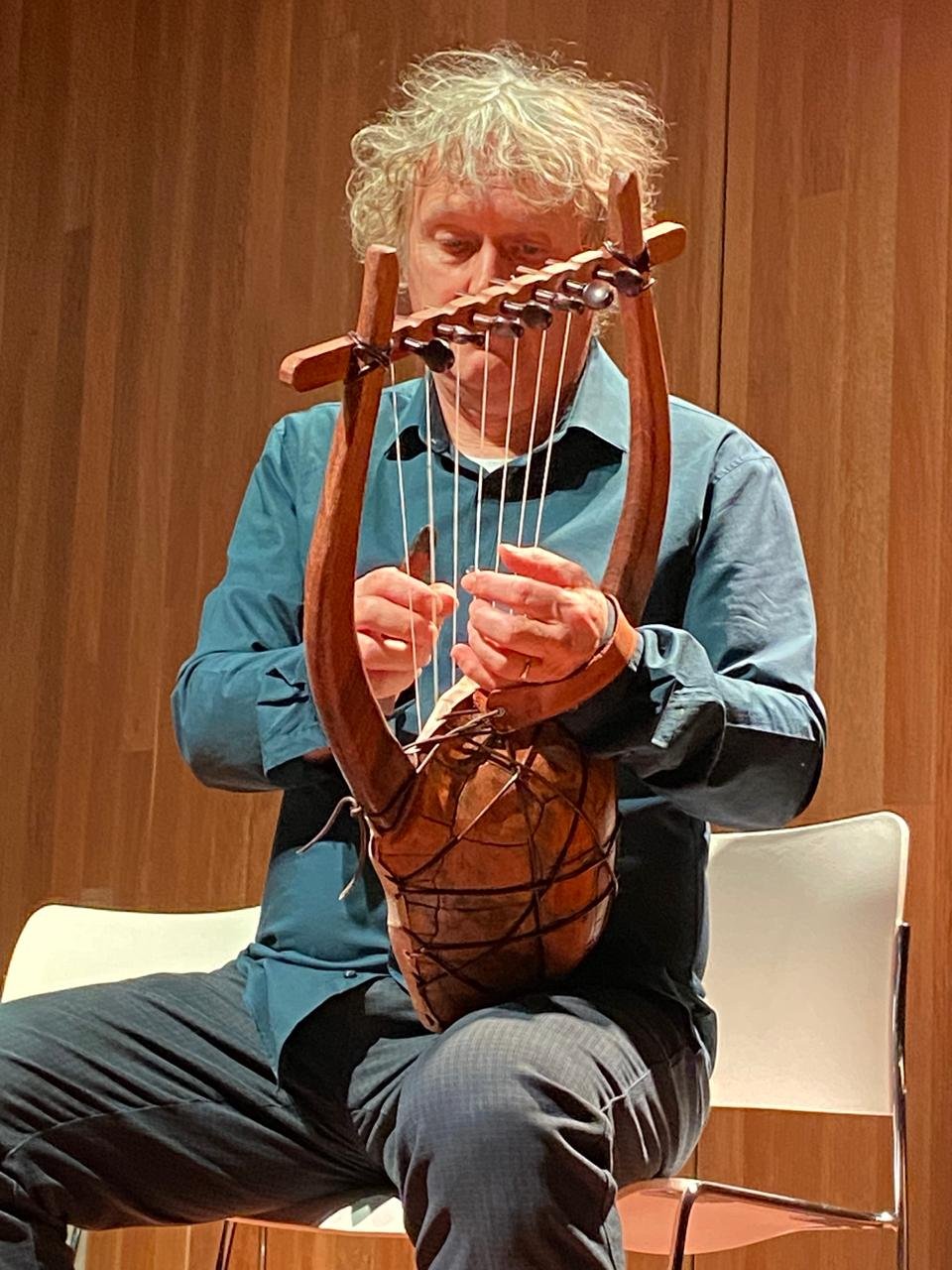
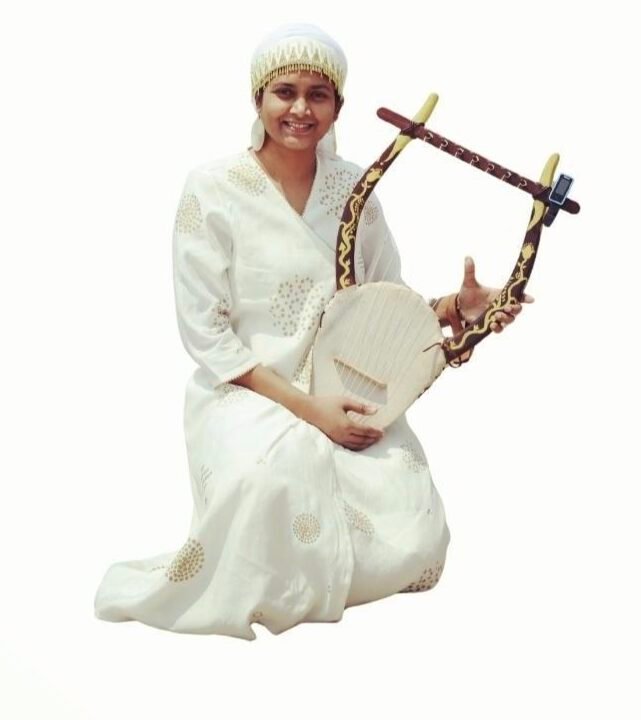
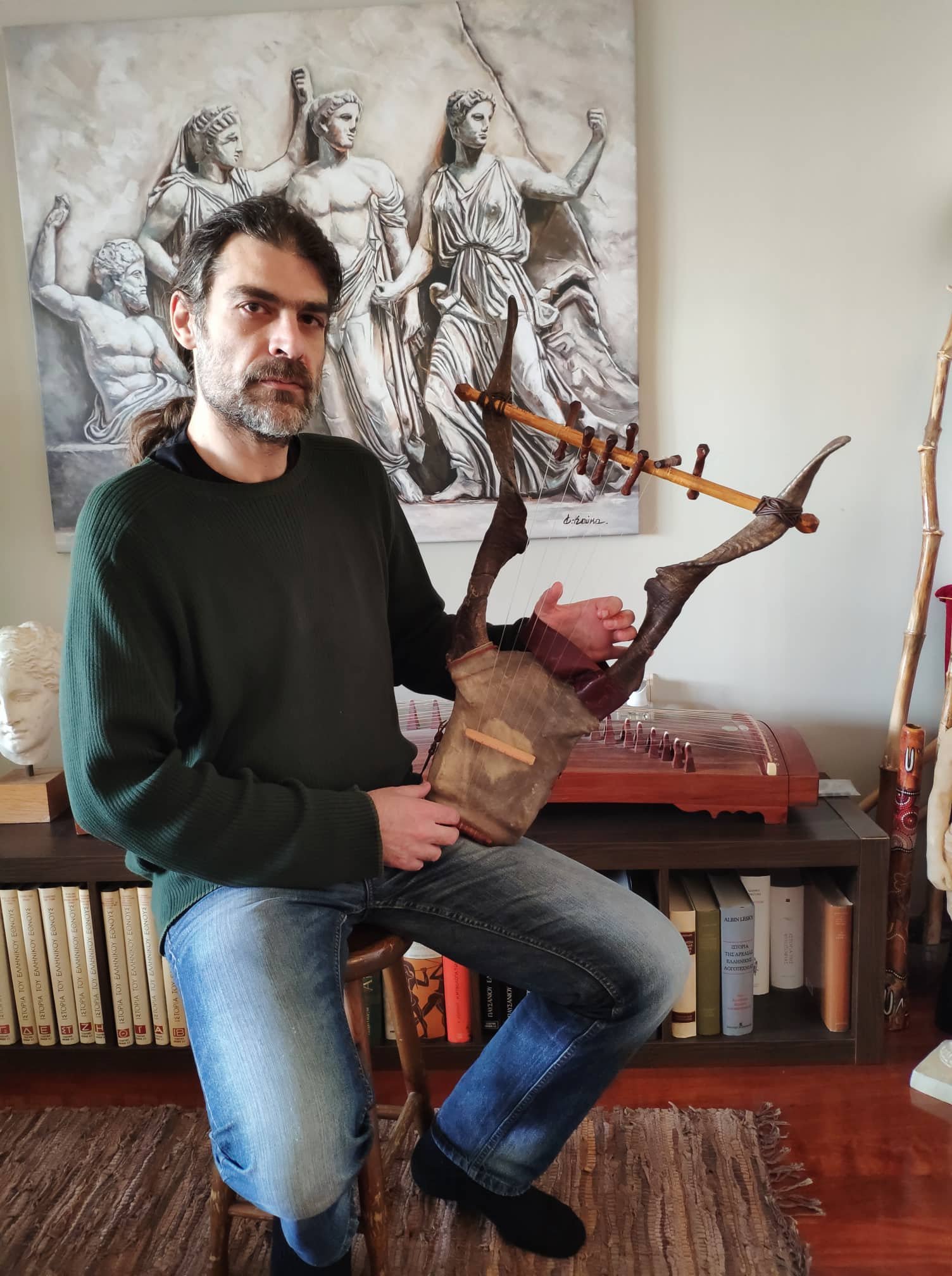
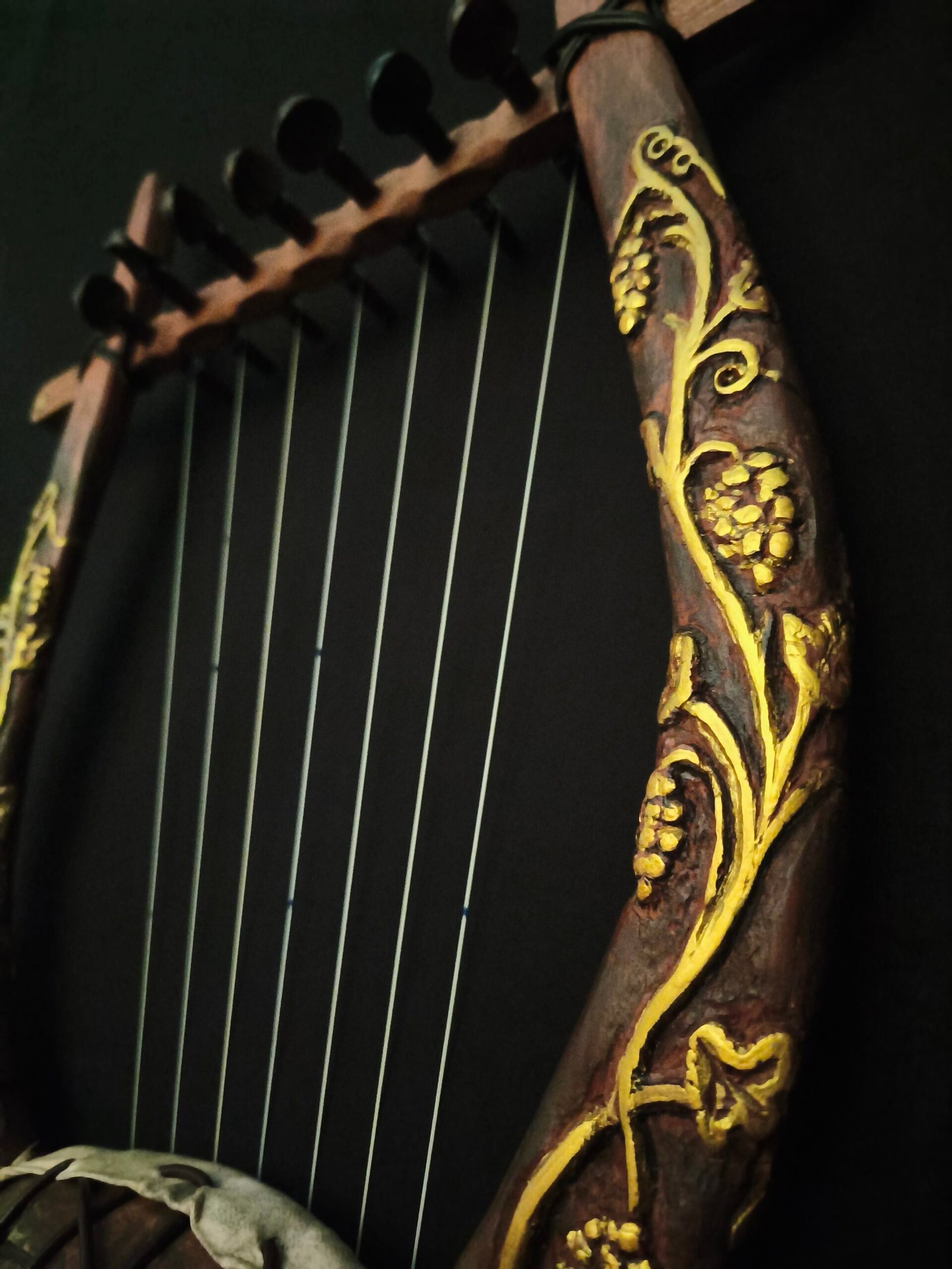
The arms are carved and bear the symbol of the vine. •Yoke: Mahogany •Tuning pegs: Ebony •Arms: Rosewood •Bridge: Black mulberry •Tailpiece: Bronze • Soundbox: Eukalyptus
The arms are carved and bear the symbol of the vine. •Yoke: Mahogany •Tuning pegs: Ebony •Arms: Rosewood •Bridge: Black mulberry •Tailpiece: Bronze • Soundbox: Eukalyptus
The arms are carved and bear the symbol of the vine. •Yoke: Mahogany •Tuning pegs: Ebony •Arms: Rosewood •Bridge: Black mulberry •Tailpiece: Bronze • Soundbox: Eukalyptus
The arms are carved and bear the symbol of the vine. •Yoke: Mahogany •Tuning pegs: Ebony •Arms: Rosewood •Bridge: Black mulberry •Tailpiece: Bronze • Soundbox: Eukalyptus
The arms are carved and bear the symbol of the vine. •Yoke: Mahogany •Tuning pegs: Ebony •Arms: Rosewood •Bridge: Black mulberry •Tailpiece: Bronze • Soundbox: Eukalyptus
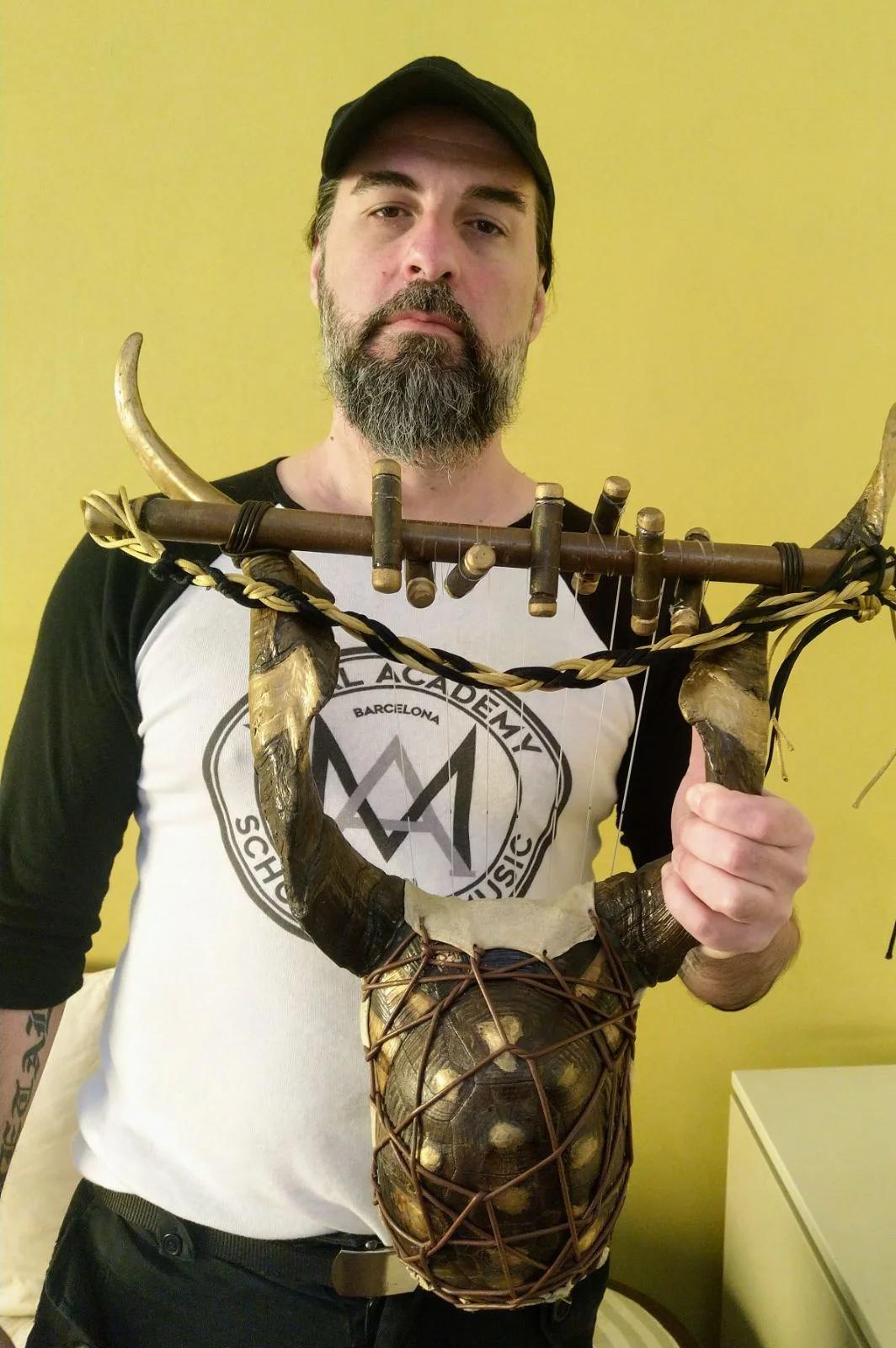
•Yoke: Walnut •Tuning pegs: Ebony •Arms: Olive Tree •Bridge: Beech • Tailpiece: Bronze • Soundbox: Beech
•Yoke: Walnut •Tuning pegs: Ebony •Arms: Olive Tree •Bridge: Beech • Tailpiece: Bronze • Soundbox: Beech
•Yoke: Walnut •Tuning pegs: Ebony •Arms: Olive Tree •Bridge: Beech • Tailpiece: Bronze • Soundbox: Beech
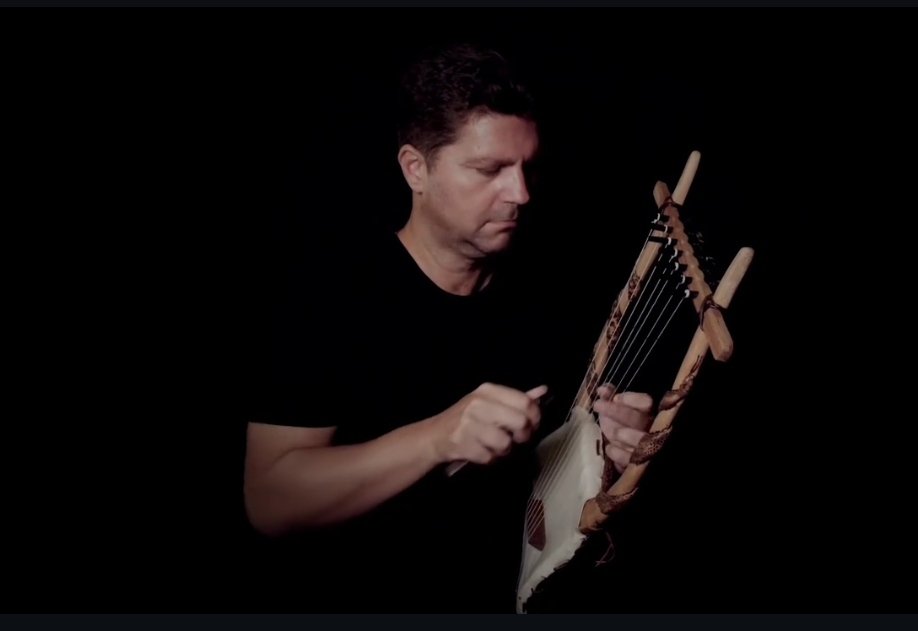
•Yoke: Walnut •Tuning pegs: Rosewood •Arms: Mahogany •Bridge: Black Mulberry •Tailpiece: Bronze •Soundbox: Mahogany
•Yoke: Walnut •Tuning pegs: Rosewood •Arms: Mahogany •Bridge: Black Mulberry •Tailpiece: Bronze •Soundbox: Mahogany
•Yoke: Walnut •Tuning pegs: Rosewood •Arms: Mahogany •Bridge: Black Mulberry •Tailpiece: Bronze •Soundbox: Mahogany
•Yoke: Walnut •Tuning pegs: Rosewood •Arms: Mahogany •Bridge: Black Mulberry •Tailpiece: Bronze •Soundbox: Mahogany
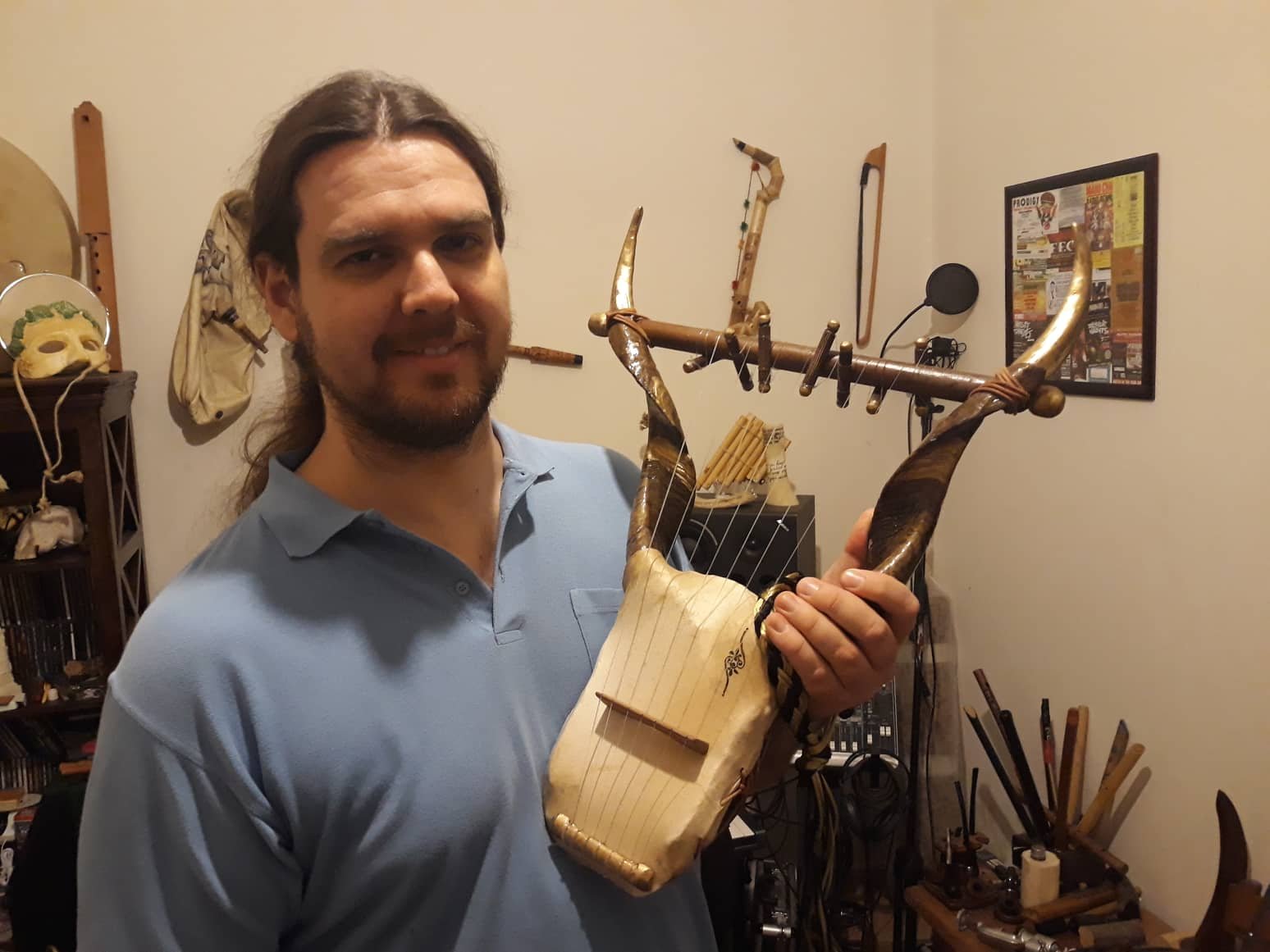
•Yoke: Walnut •Tuning pegs: Ebony •Arms: 200 year old aged cedar •Bridge: Walnut • Tailpiece: Bronze • Soundbox: Aged walnut
•Yoke: Walnut •Tuning pegs: Ebony •Arms: 200 year old aged cedar •Bridge: Walnut • Tailpiece: Bronze • Soundbox: Aged walnut
•Yoke: Walnut •Tuning pegs: Ebony •Arms: 200 year old aged cedar •Bridge: Walnut • Tailpiece: Bronze • Soundbox: Aged walnut
•Yoke: Walnut •Tuning pegs: Ebony •Arms: 200 year old aged cedar •Bridge: Walnut • Tailpiece: Bronze • Soundbox: Aged walnut
•Yoke: Red Beech •Tuning pegs: Boxwood •Arms: Oak •Bridge: Pine •Tailpiece: Bronze •Soundbox: Poplar
•Yoke: Red Beech •Tuning pegs: Boxwood •Arms: Oak •Bridge: Pine •Tailpiece: Bronze •Soundbox: Poplar
•Yoke: Red Beech •Tuning pegs: Boxwood •Arms: Oak •Bridge: Pine •Tailpiece: Bronze •Soundbox: Poplar
•Yoke: Red Beech •Tuning pegs: Boxwood •Arms: Oak •Bridge: Pine •Tailpiece: Bronze •Soundbox: Poplar
•Yoke: Red Beech •Tuning pegs: Boxwood •Arms: Oak •Bridge: Pine •Tailpiece: Bronze •Soundbox: Poplar
•Yoke: Red Beech •Tuning pegs: Boxwood •Arms: Oak •Bridge: Pine •Tailpiece: Bronze •Soundbox: Poplar
•Yoke: Mahogany •Tuning pegs: Ebony •Arms: Oak •Bridge: Walnut •Tailpiece: Bronze •Soundbox: Iroko
•Yoke: Mahogany •Tuning pegs: Ebony •Arms: Oak •Bridge: Walnut •Tailpiece: Bronze •Soundbox: Iroko
•Yoke: Red Beech •Tuning pegs: Ebony •Arms: Oak •Bridge: Walnut •Tailpiece: Bronze •Soundbox: Iroko
•Yoke: Red Beech •Tuning pegs: Ebony •Arms: Oak •Bridge: Walnut •Tailpiece: Bronze •Soundbox: Iroko
•Yoke: Mahogany •Tuning pegs: Ebony •Arms: Oak •Bridge: Black Mulberry •Tailpiece: Bronze •Soundbox: Walnut
•Yoke: Mahogany •Tuning pegs: Ebony •Arms: Oak •Bridge: Black Mulberry •Tailpiece: Bronze •Soundbox: Walnut
•Yoke: Beech •Tuning pegs: Ebony •Arms: Cherry •Bridge: Black Mulberry •Tailpiece: Bronze •Soundbox: Walnut
•Yoke: Beech •Tuning pegs: Ebony •Arms: Cherry •Bridge: Black Mulberry •Tailpiece: Bronze •Soundbox: Walnut
•Yoke: Beech •Tuning pegs: Ebony •Arms: Cherry •Bridge: Black Mulberry •Tailpiece: Bronze •Soundbox: Walnut
•Yoke: Beech •Tuning pegs: Ebony •Arms: Cherry •Bridge: Black Mulberry •Tailpiece: Bronze •Soundbox: Walnut
•Yoke: Beech •Tuning pegs: Ebony •Arms: Oak •Bridge: Black Mulberry •Tailpiece: Bronze •Soundbox: Poplar
•Yoke: Beech •Tuning pegs: Ebony •Arms: Oak •Bridge: Black Mulberry •Tailpiece: Bronze •Soundbox: Poplar
•Yoke: Beech •Tuning pegs: Ebony •Arms: Oak •Bridge: Black Mulberry •Tailpiece: Bronze •Soundbox: Poplar
•Yoke: Beech •Tuning pegs: Ebony •Arms: Oak •Bridge: Black Mulberry •Tailpiece: Bronze •Soundbox: Poplar
•Yoke: Beech •Tuning pegs: Ebony •Arms: Oak •Bridge: Black Mulberry •Tailpiece: Bronze •Soundbox: Poplar
•Yoke: Beech •Tuning pegs: Ebony •Arms: Beech •Bridge: Black Mulberry •Tailpiece: Bronze •Soundbox: Poplar
•Yoke: Beech •Tuning pegs: Ebony •Arms: Beech •Bridge: Black Mulberry •Tailpiece: Bronze •Soundbox: Poplar
•Yoke: Beech •Tuning pegs: Ebony •Arms: Beech •Bridge: Black Mulberry •Tailpiece: Bronze •Soundbox: Poplar
•Yoke: Beech •Tuning pegs: Ebony •Arms: Beech •Bridge: Black Mulberry •Tailpiece: Bronze •Soundbox: Poplar
•Yoke: Beech •Tuning pegs: Ebony •Arms: Beech •Bridge: Black Mulberry •Tailpiece: Bronze •Soundbox: Poplar
•Yoke: Beech •Tuning pegs: Boxwood •Arms: Walnut •Bridge: Walnut •Tailpiece: Bronze •Soundbox: Walnut
•Yoke: Beech •Tuning pegs: Boxwood •Arms: Walnut •Bridge: Walnut •Tailpiece: Bronze •Soundbox: Walnut
•Yoke: Beech •Tuning pegs: Boxwood •Arms: Walnut •Bridge: Walnut •Tailpiece: Bronze •Soundbox: Walnut
•Yoke: Beech •Tuning pegs: Boxwood •Arms: Walnut •Bridge: Walnut •Tailpiece: Bronze •Soundbox: Walnut
•Yoke: Beech •Tuning pegs: Boxwood •Arms: Walnut •Bridge: Walnut •Tailpiece: Bronze •Soundbox: Walnut
•Yoke: Walnut •Tuning pegs: Ebony •Arms: Mahogany •Bridge: Mulberry •Tailpiece: Bronze •Soundbox: Eukalyptus
•Yoke: Walnut •Tuning pegs: Ebony •Arms: Mahogany •Bridge: Mulberry •Tailpiece: Bronze •Soundbox: Eukalyptus
•Yoke: Walnut •Tuning pegs: Ebony •Arms: Mahogany •Bridge: Mulberry •Tailpiece: Bronze •Soundbox: Eukalyptus
•Yoke: Walnut •Tuning pegs: Ebony •Arms: Mahogany •Bridge: Mulberry •Tailpiece: Bronze •Soundbox: Eukalyptus
•Yoke: Walnut •Tuning pegs: Rosewood •Arms: Cherry •Bridge: Mahogany •Tailpiece: Bronze •Soundbox: Iroko
•Yoke: Walnut •Tuning pegs: Rosewood •Arms: Cherry •Bridge: Mahogany •Tailpiece: Bronze •Soundbox: Iroko
•Yoke: Walnut •Tuning pegs: Rosewood •Arms: Cherry •Bridge: Mahogany •Tailpiece: Bronze •Soundbox: Iroko
•Yoke: Walnut •Tuning pegs: Rosewood •Arms: Cherry •Bridge: Mahogany •Tailpiece: Bronze •Soundbox: Iroko
•Yoke: Walnut •Tuning pegs: Rosewood •Arms: Mahogany •Bridge: Mahogany •Tailpiece: Bronze •Soundbox: Iroko
•Yoke: Walnut •Tuning pegs: Rosewood •Arms: Mahogany •Bridge: Mahogany •Tailpiece: Bronze •Soundbox: Iroko
•Yoke: Walnut •Tuning pegs: Rosewood •Arms: Mahogany •Bridge: Mahogany •Tailpiece: Bronze •Soundbox: Iroko
•Yoke: Walnut •Tuning pegs: Rosewood •Arms: Mahogany •Bridge: Mahogany •Tailpiece: Bronze •Soundbox: Iroko
•Yoke: Walnut •Tuning pegs: Rosewood •Arms: Mahogany •Bridge: Mahogany •Tailpiece: Bronze •Soundbox: Iroko
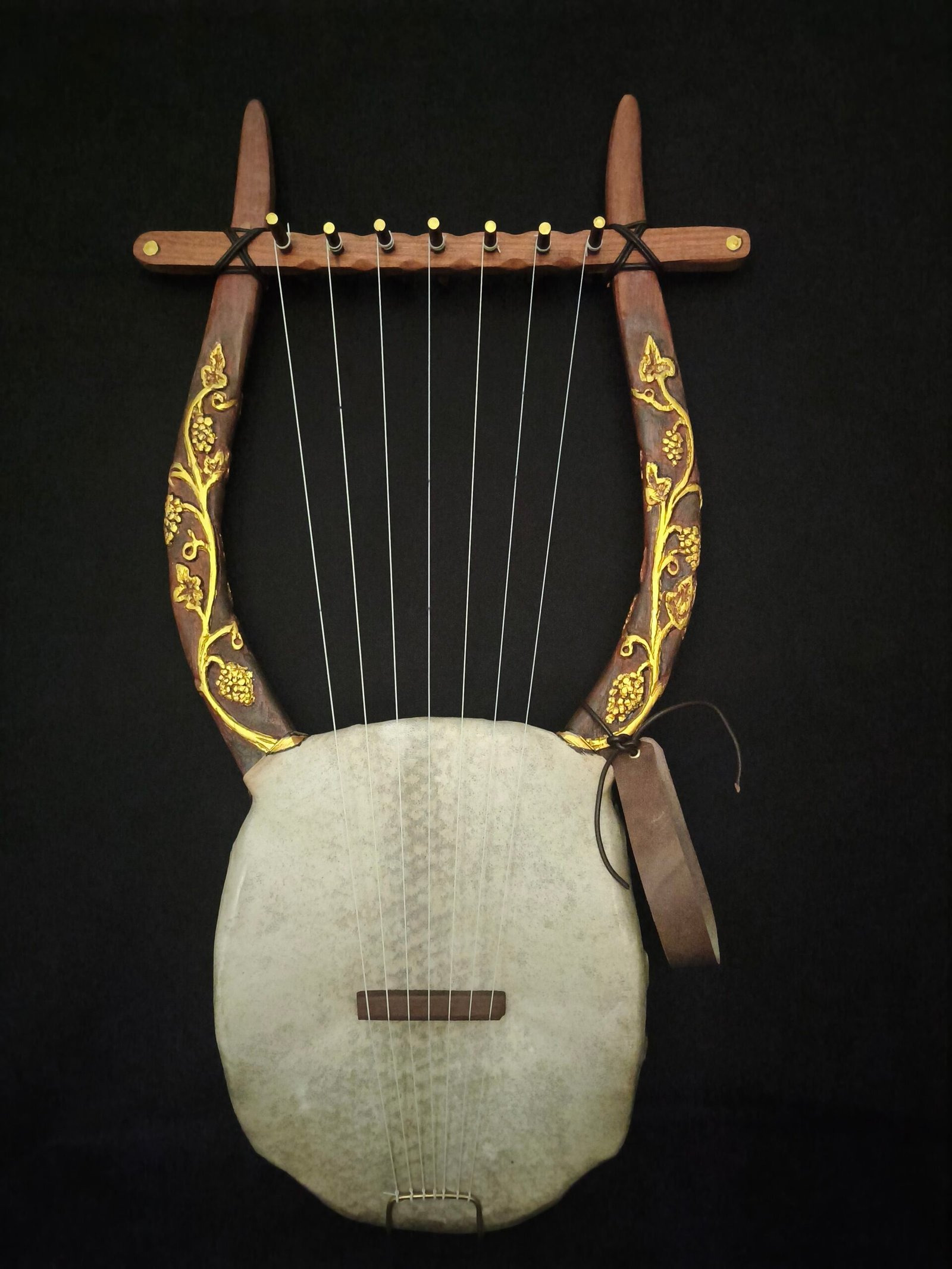
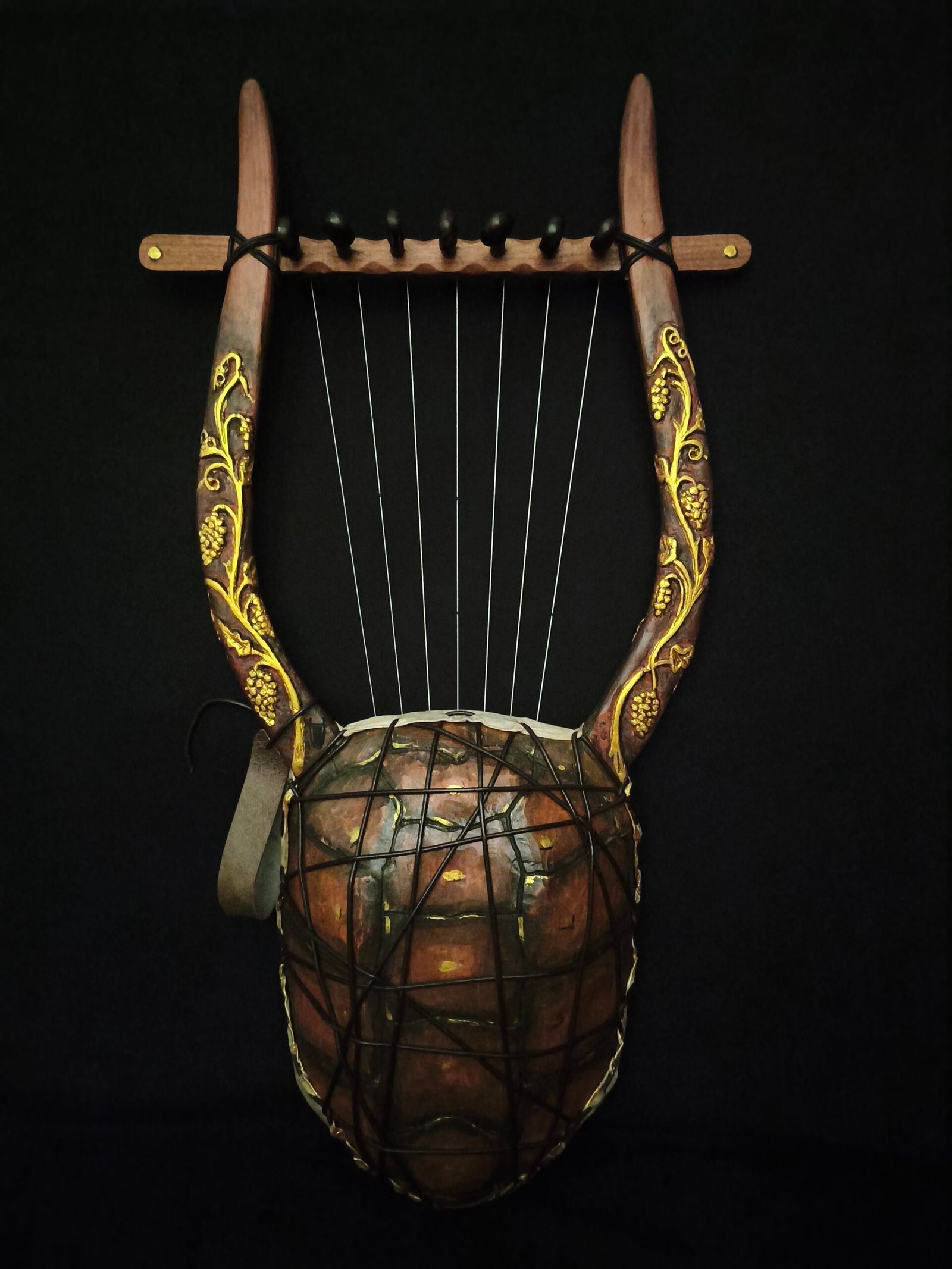
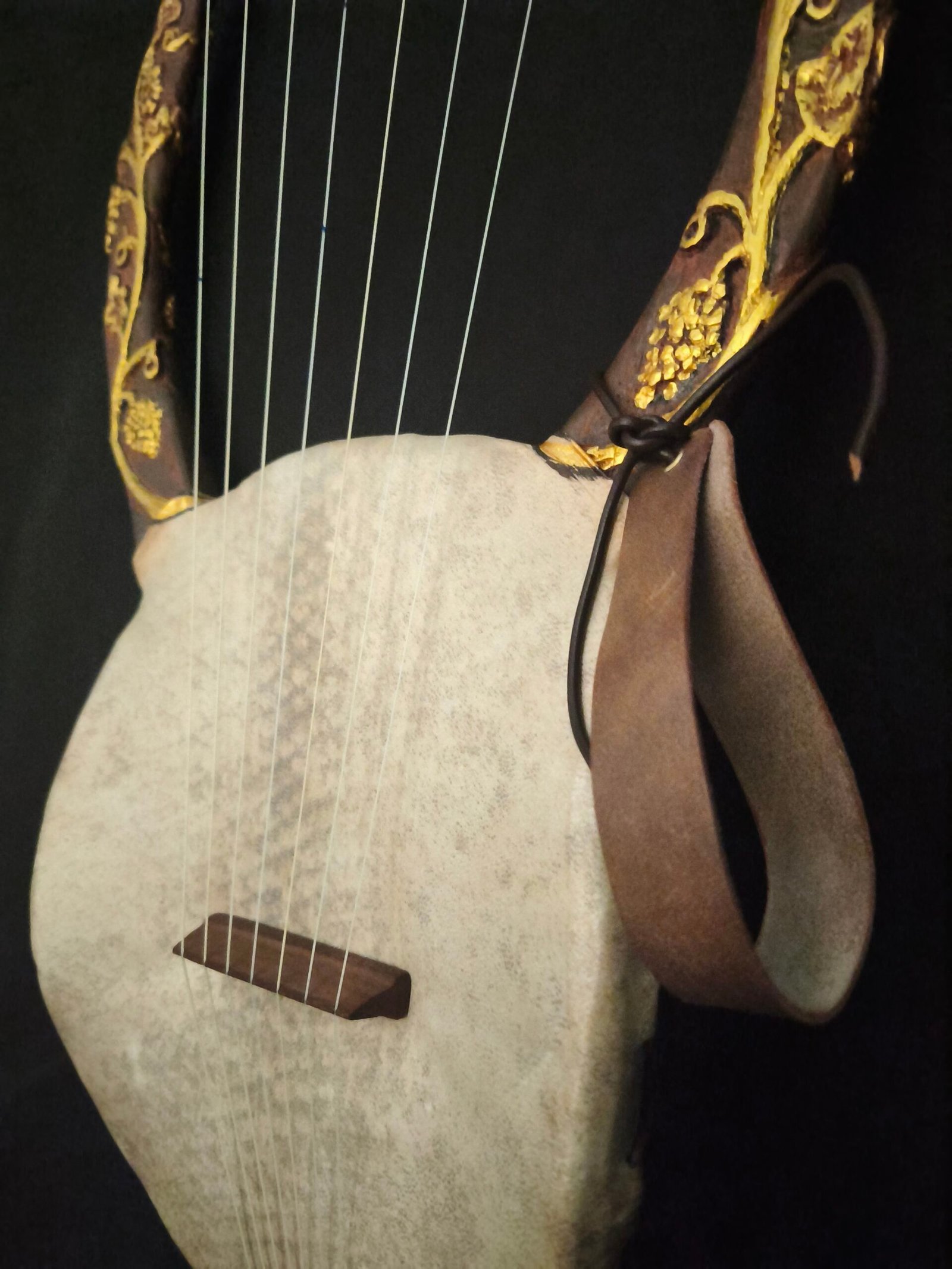
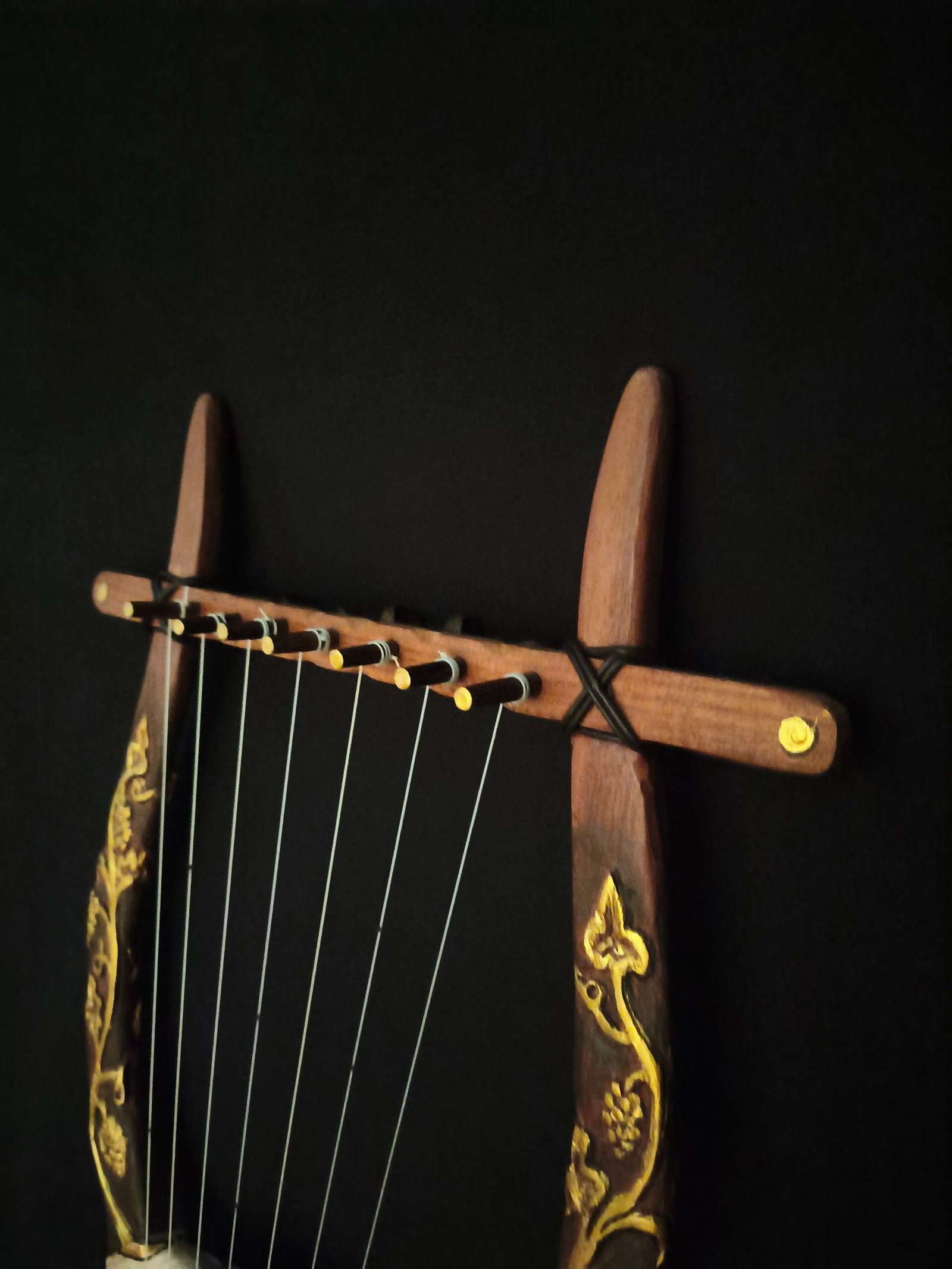
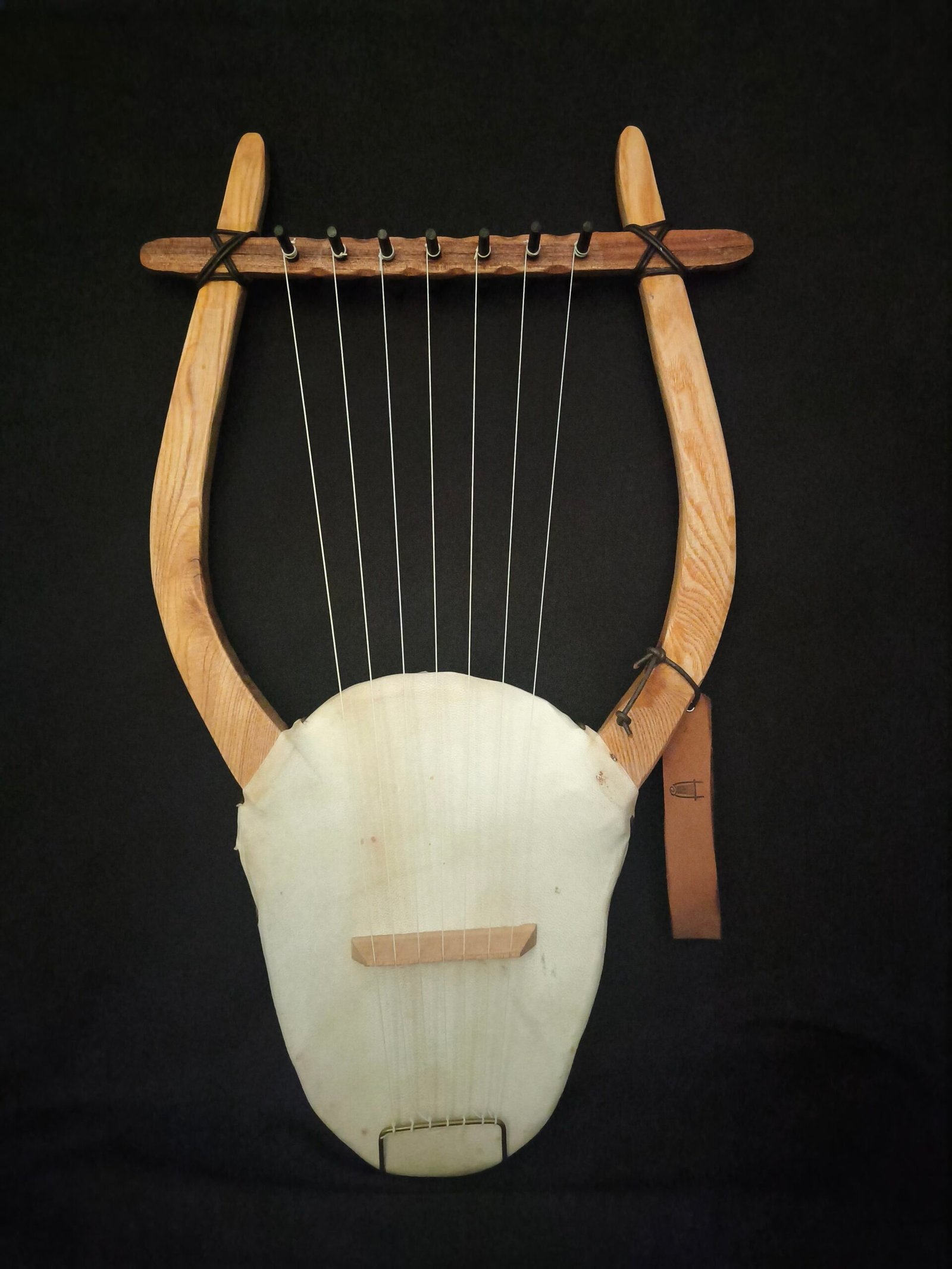
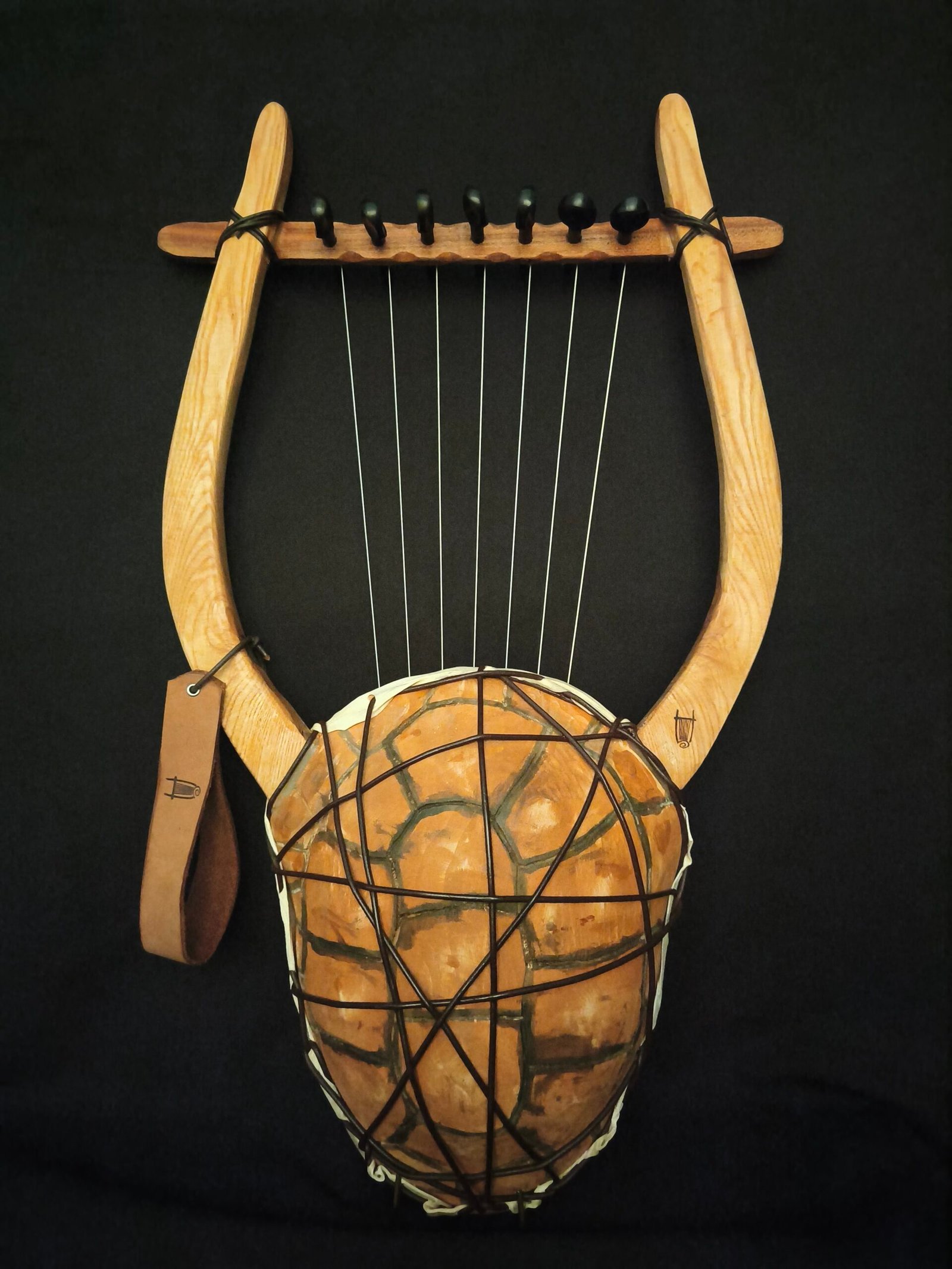
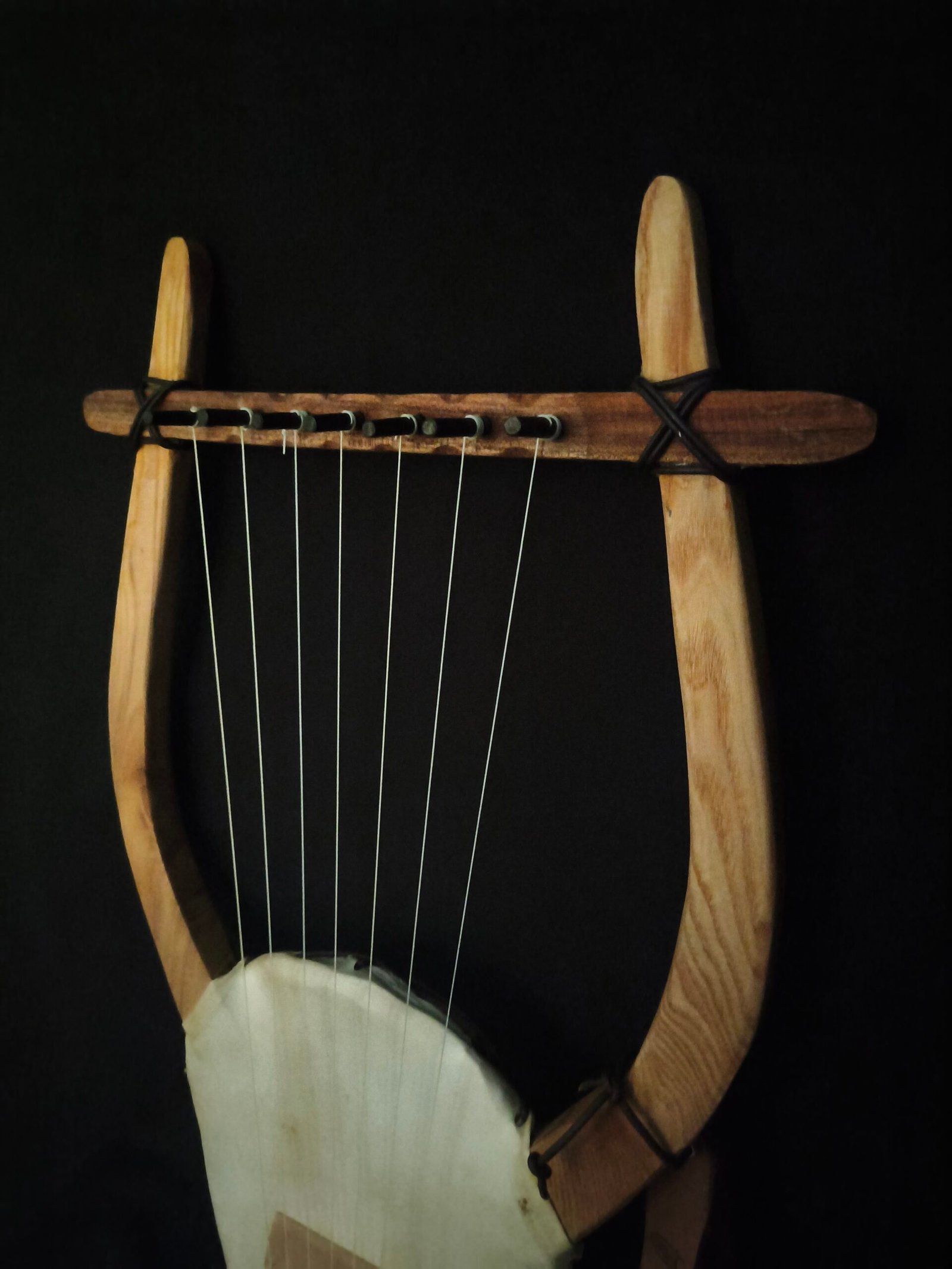
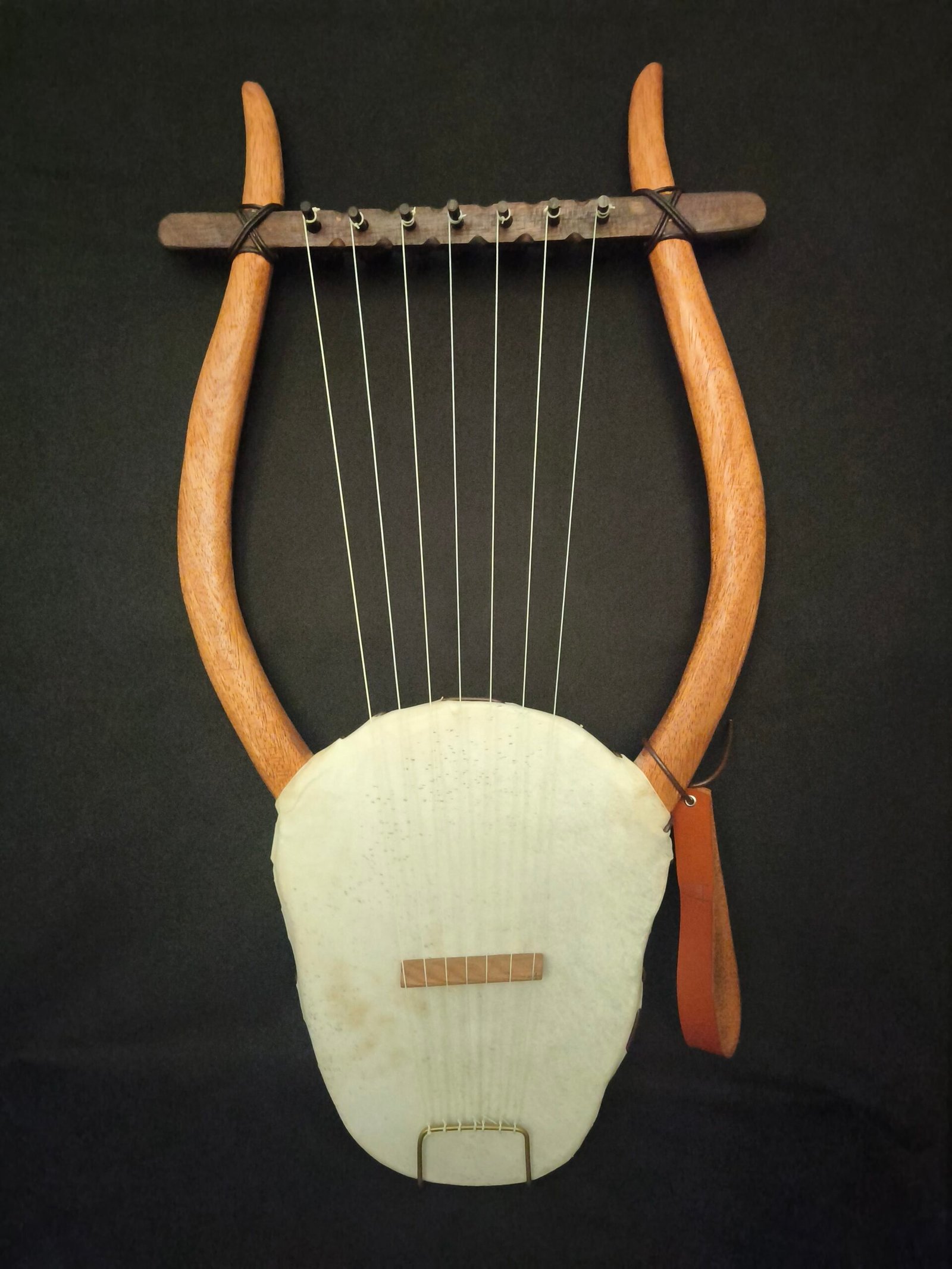
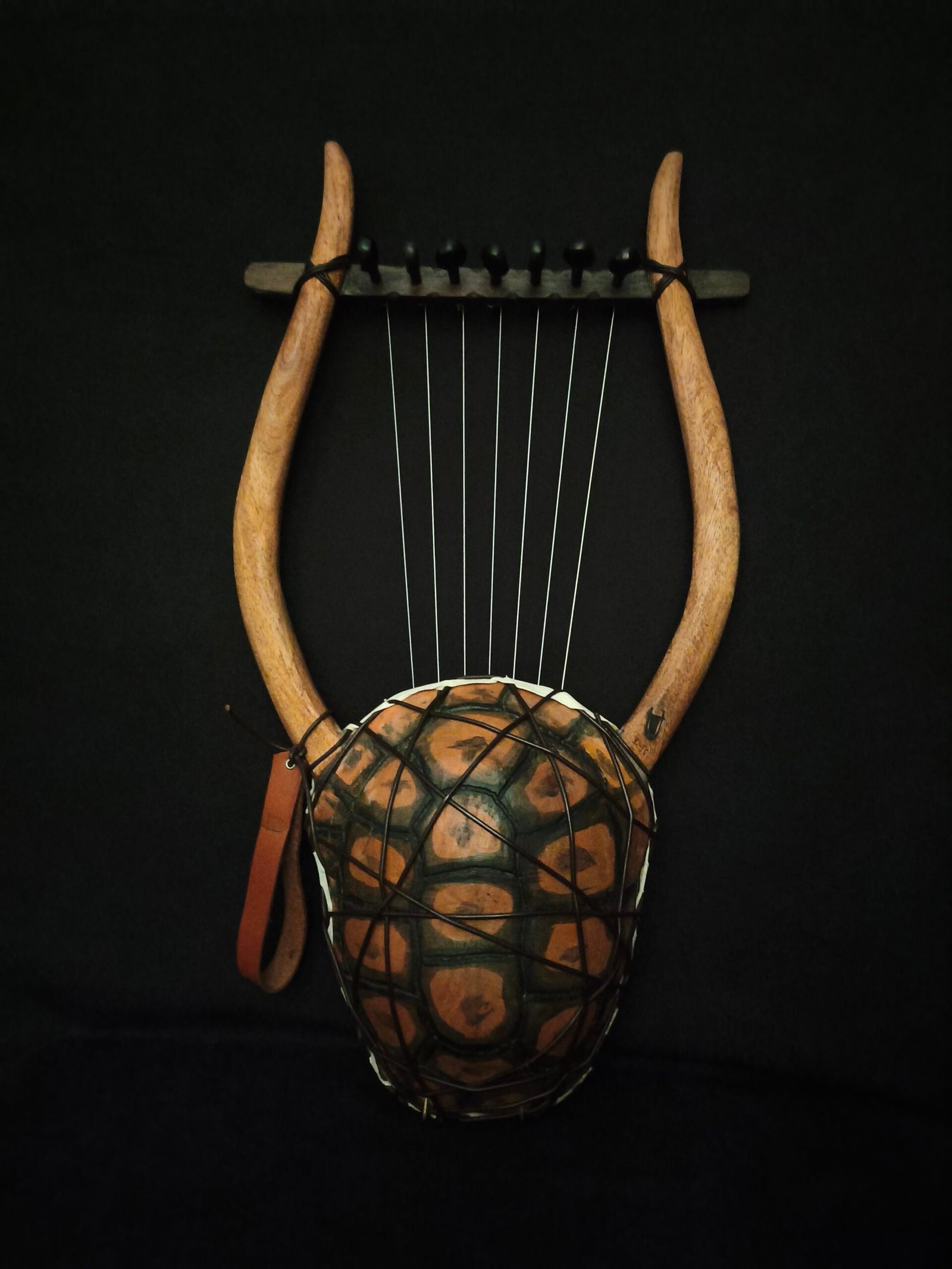
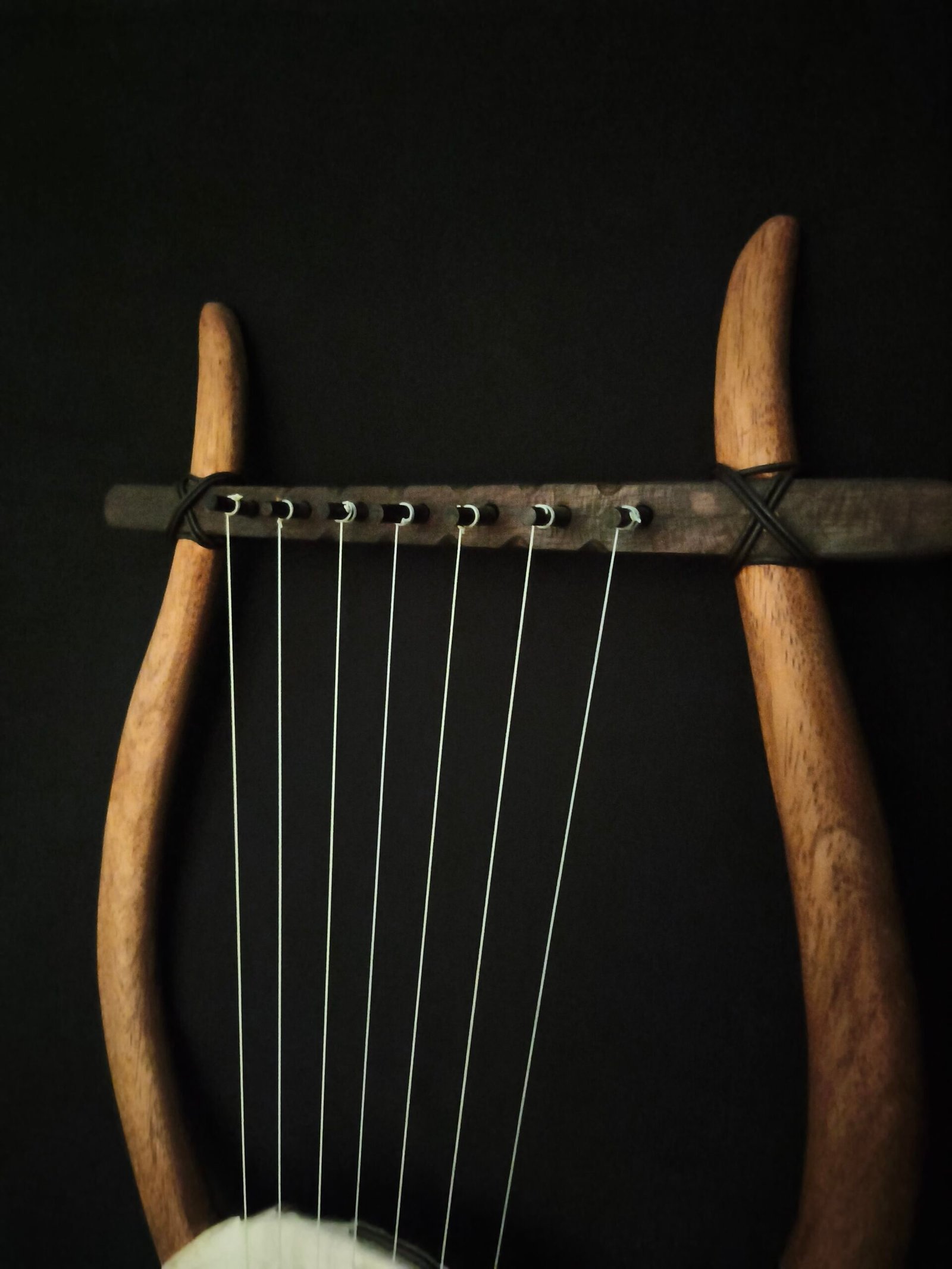
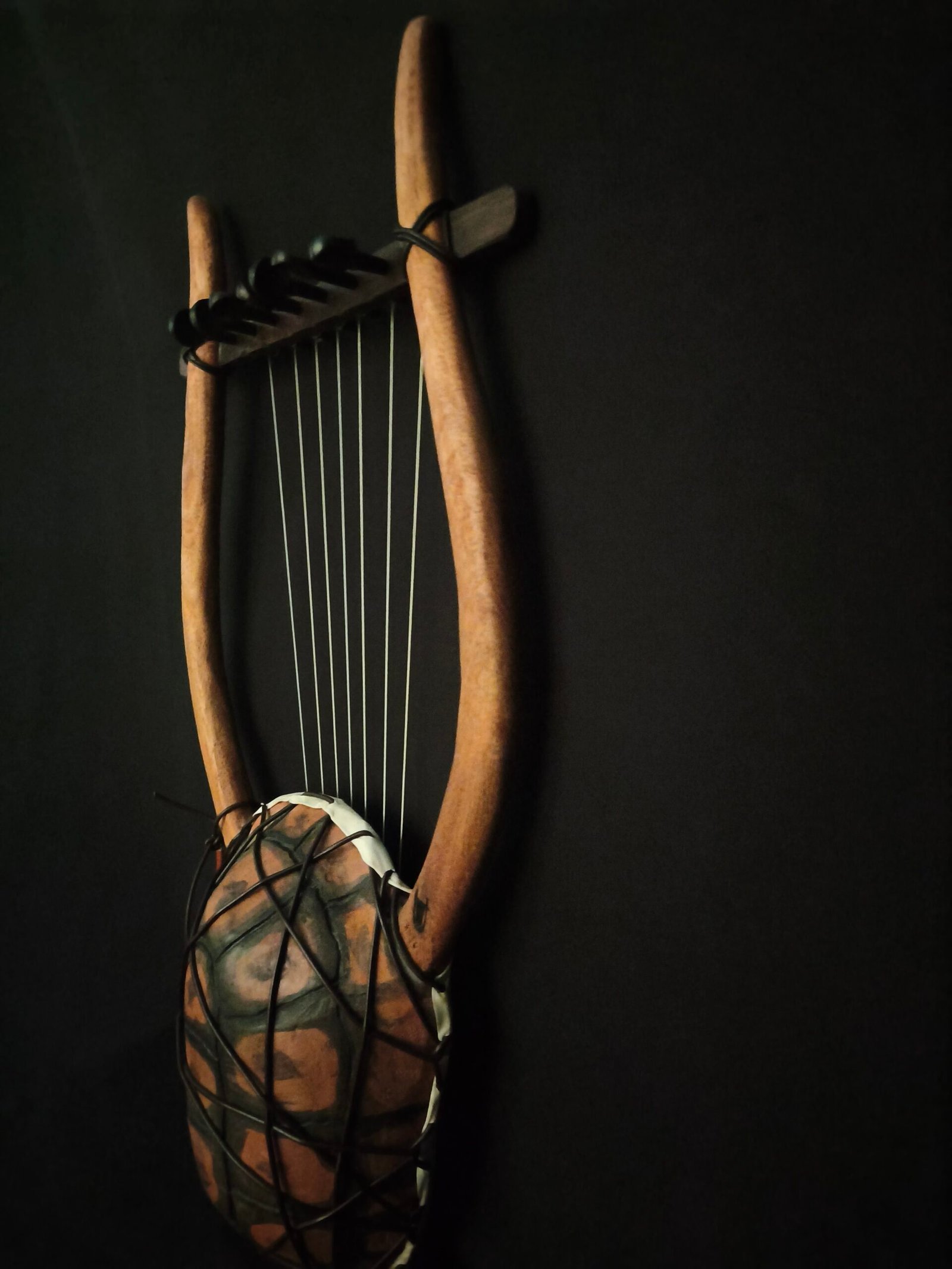
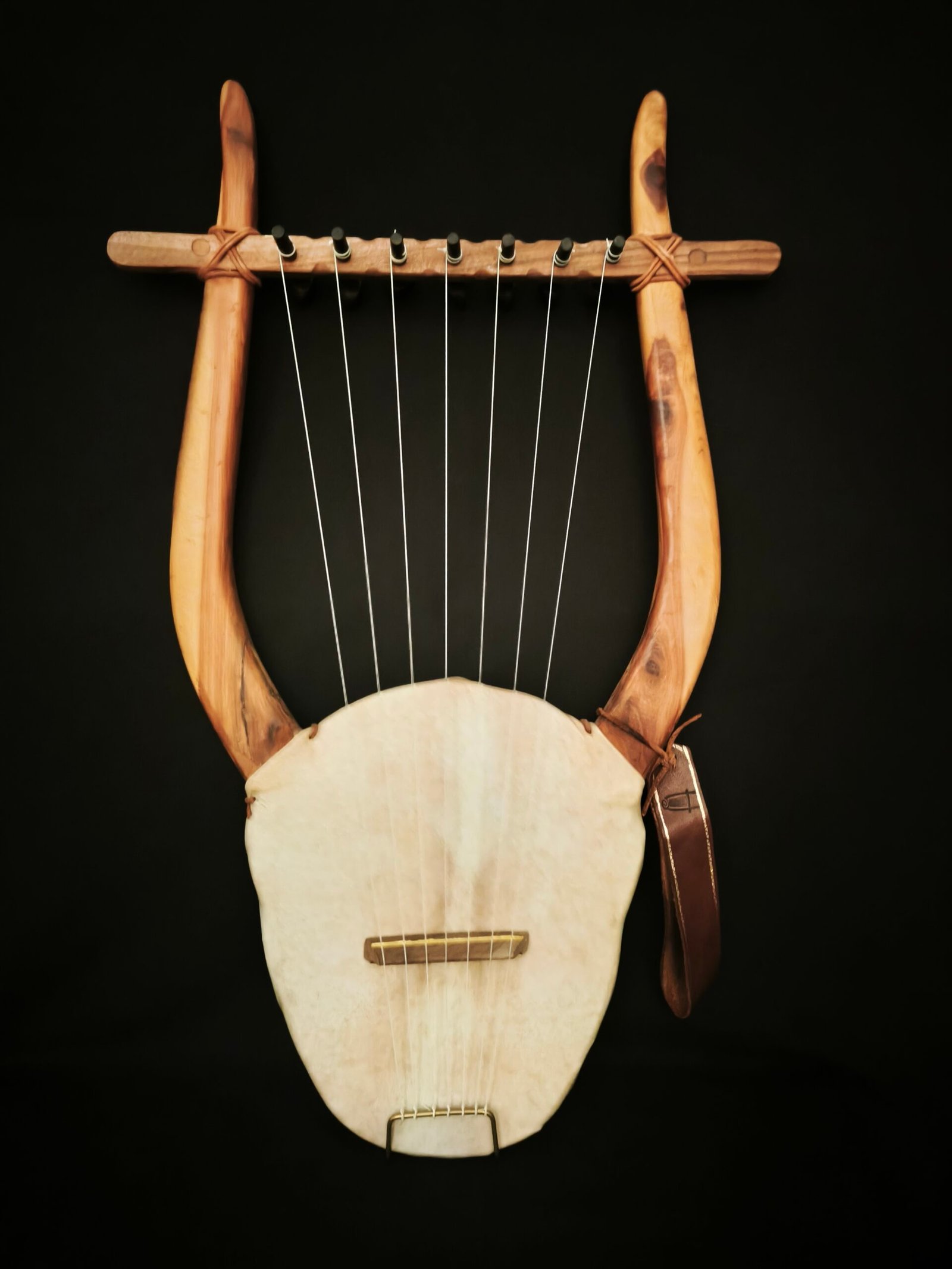
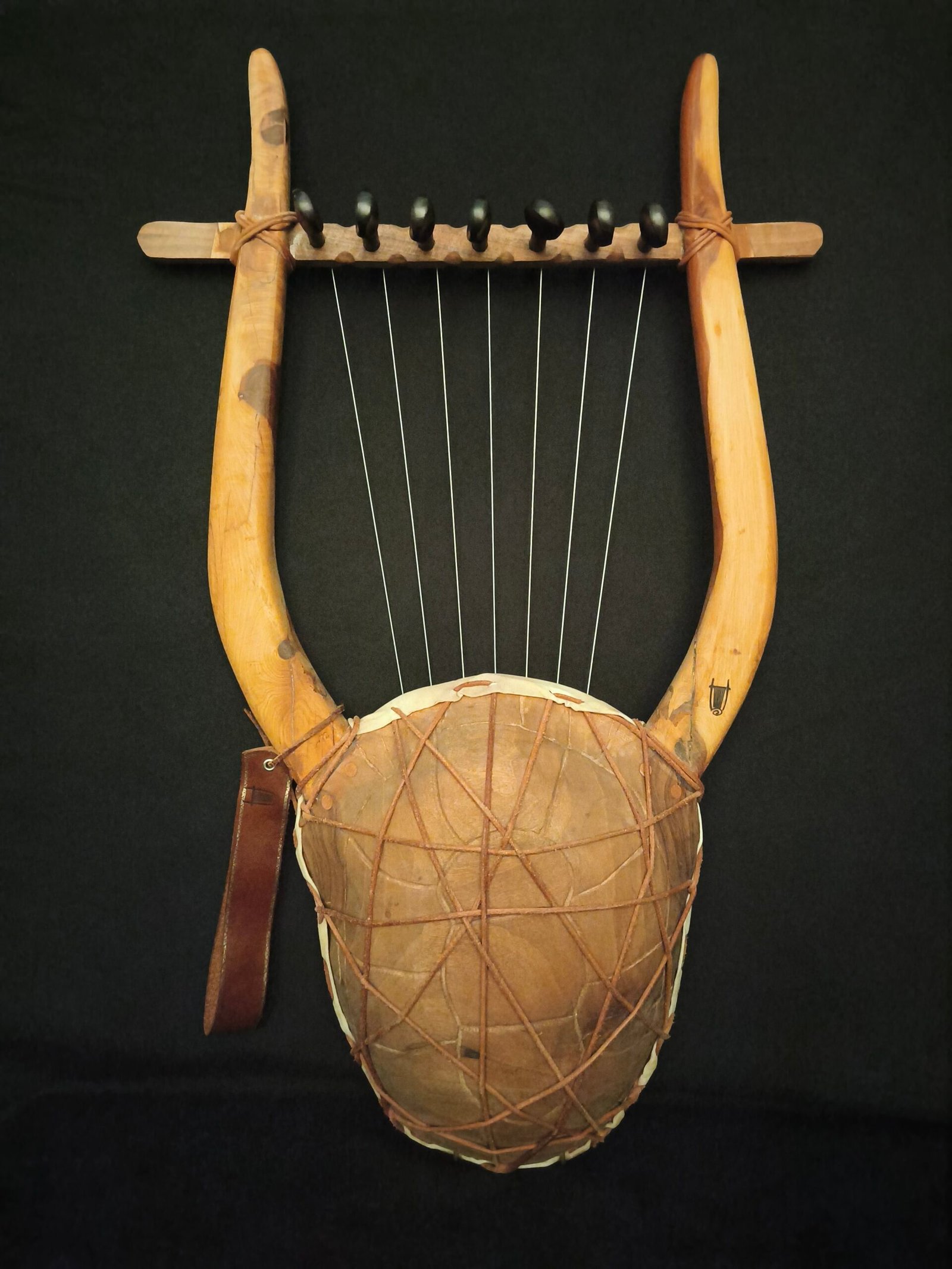
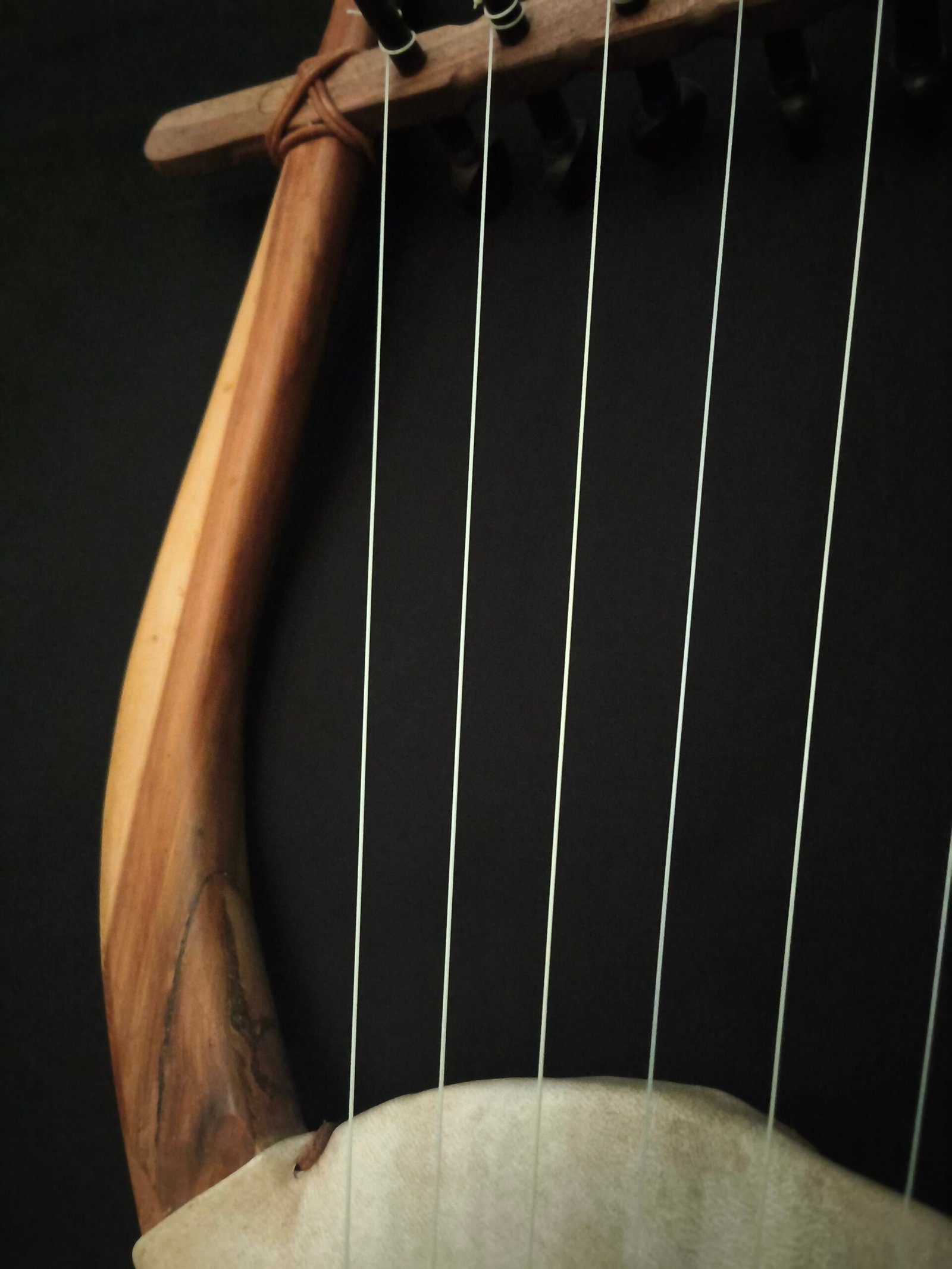
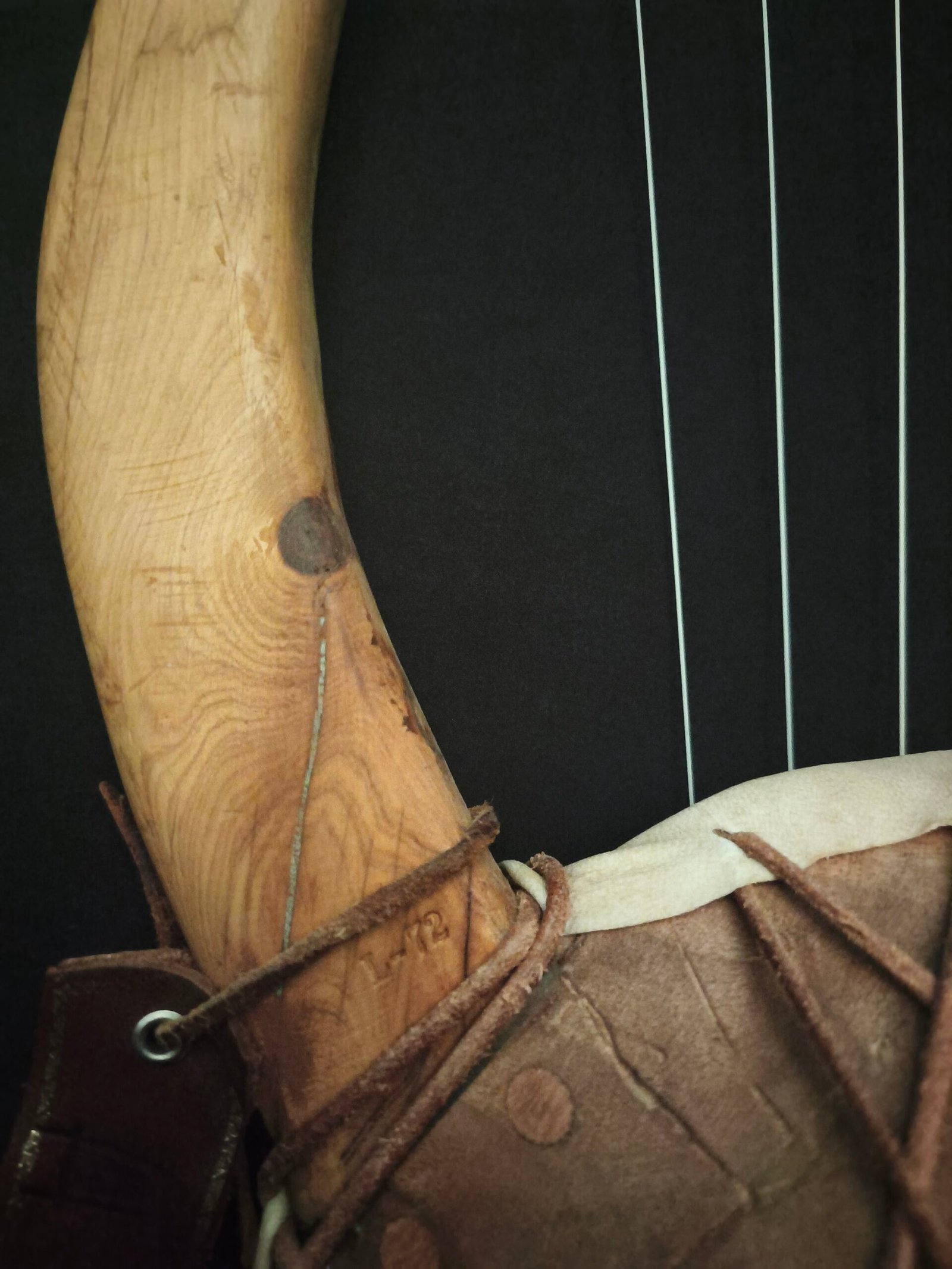
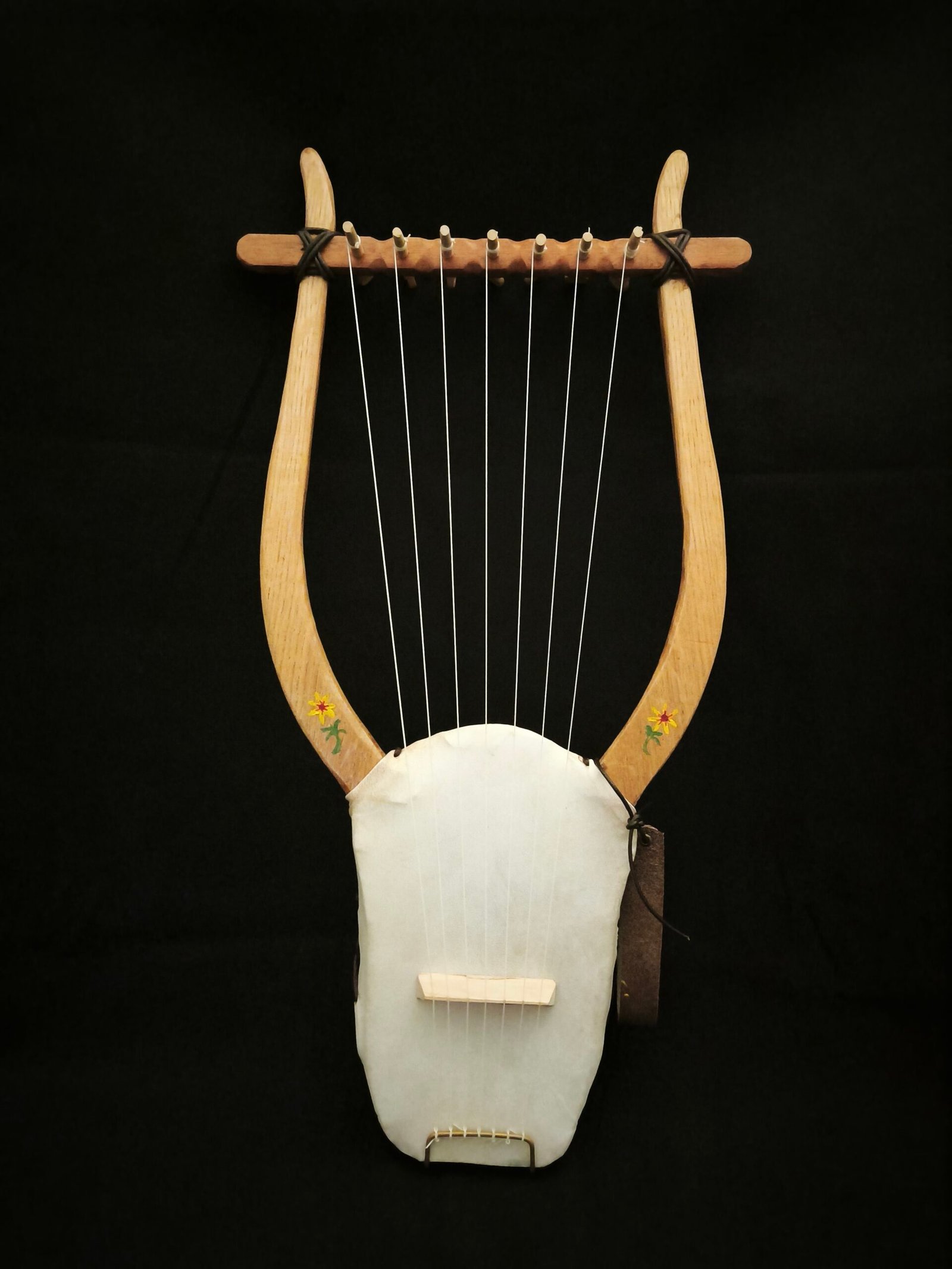
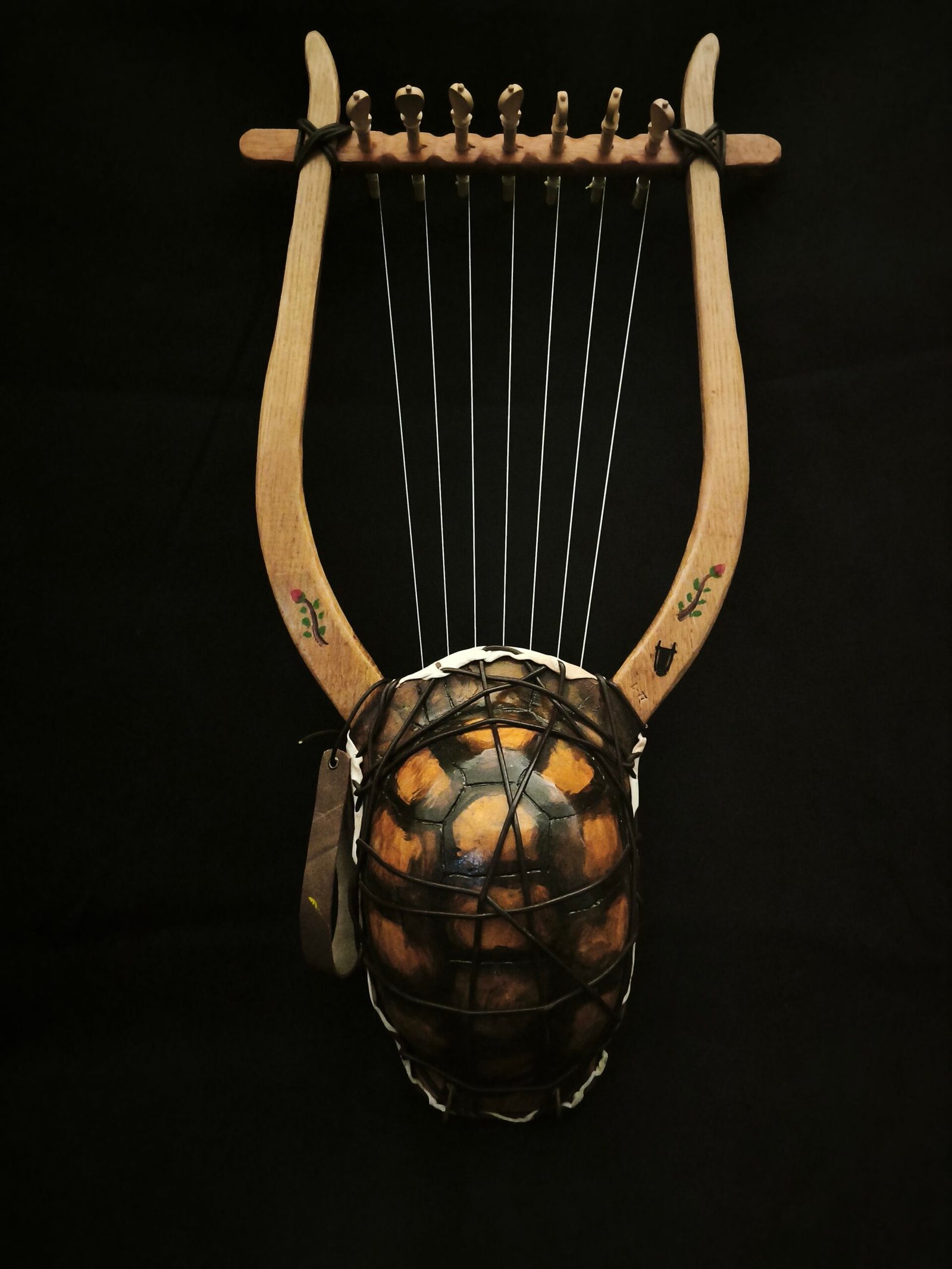
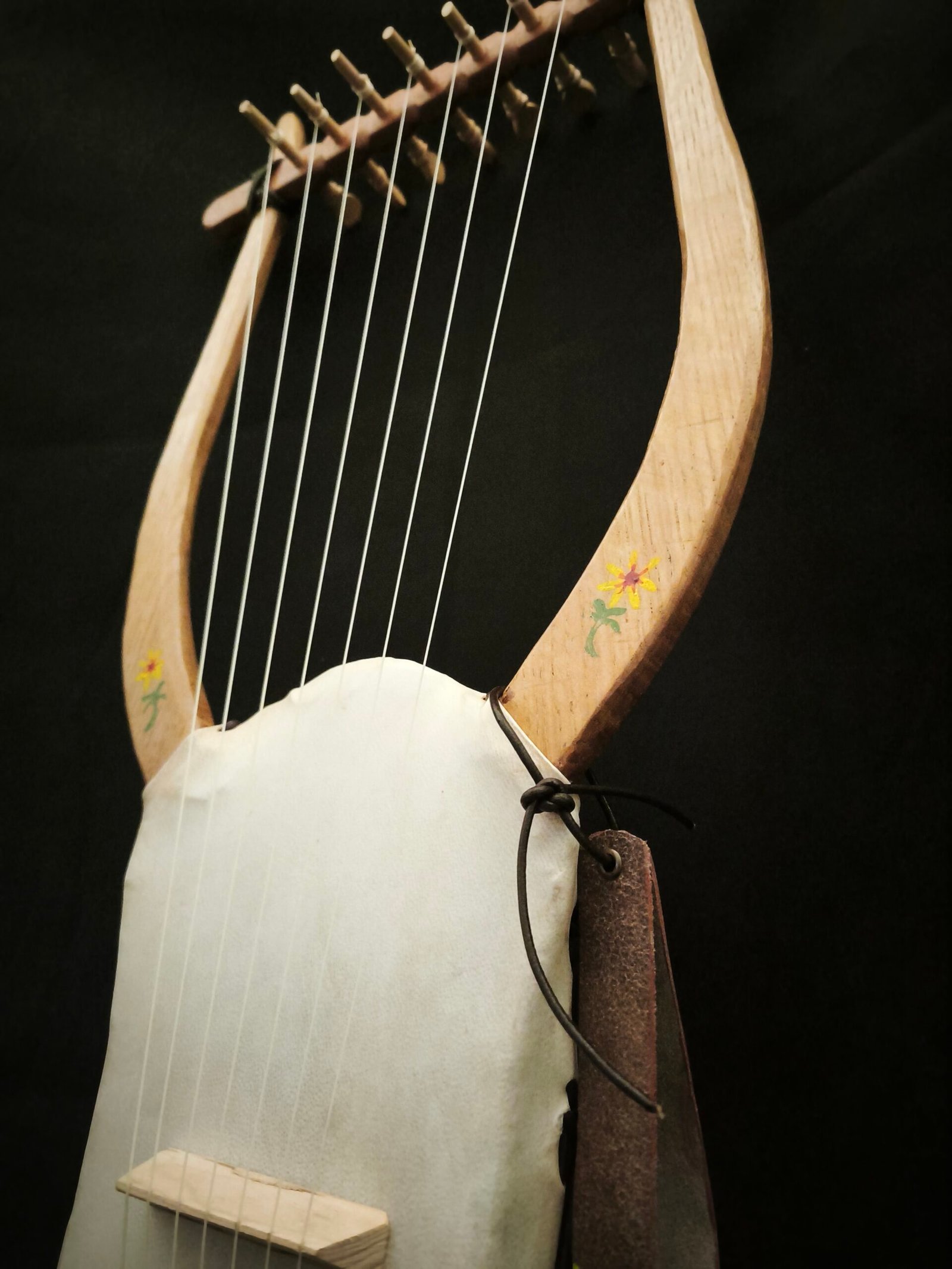
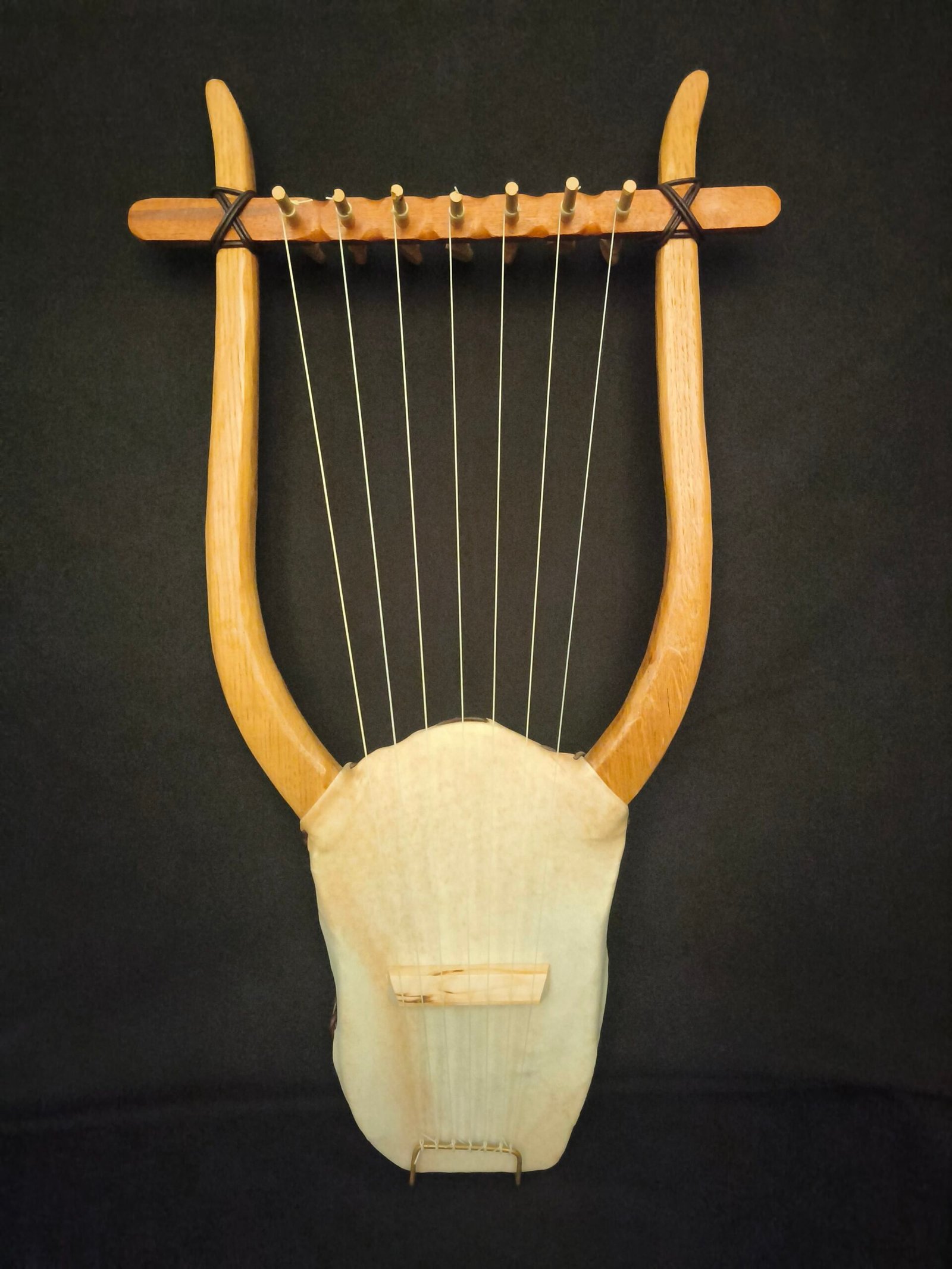
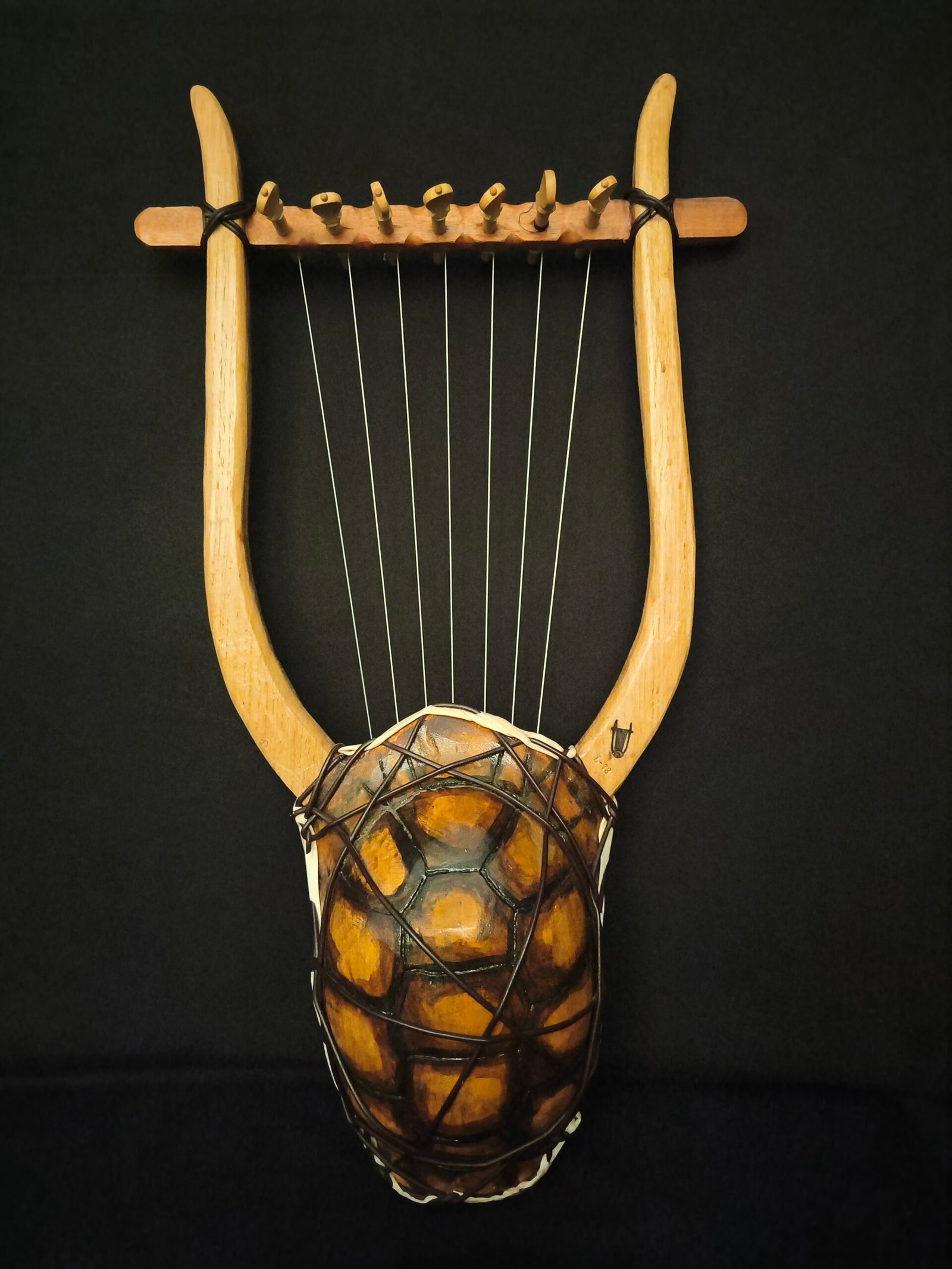
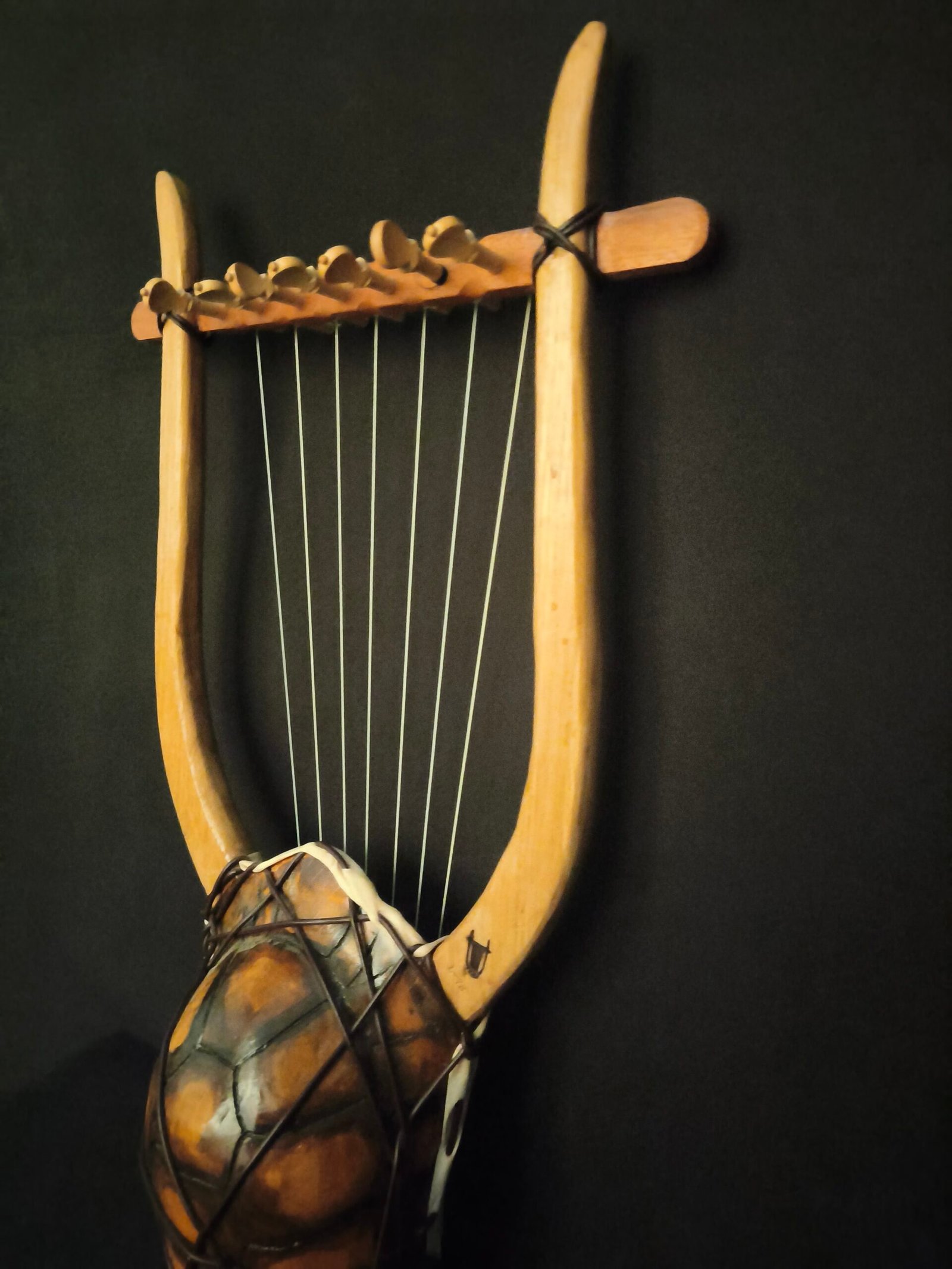
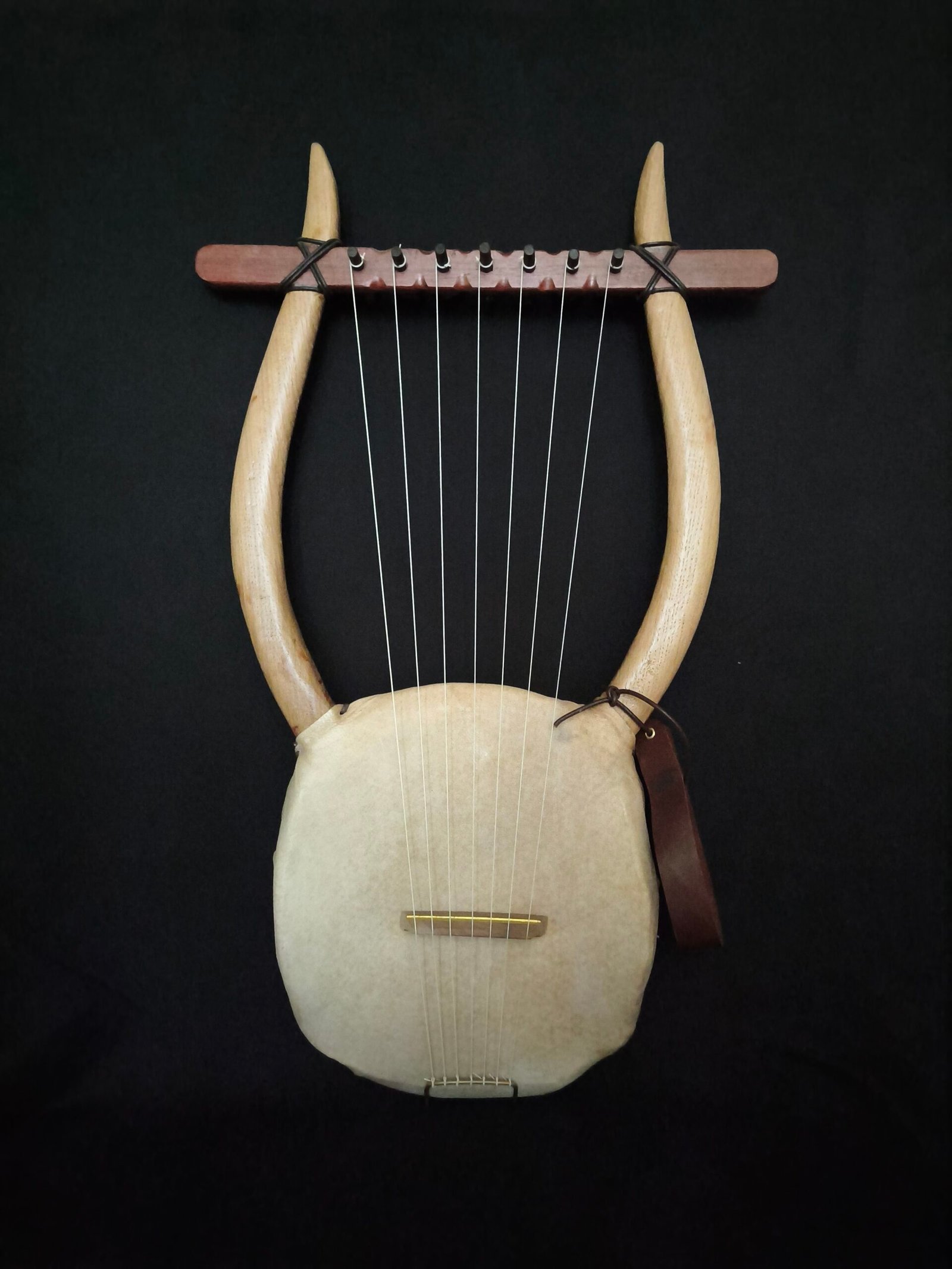
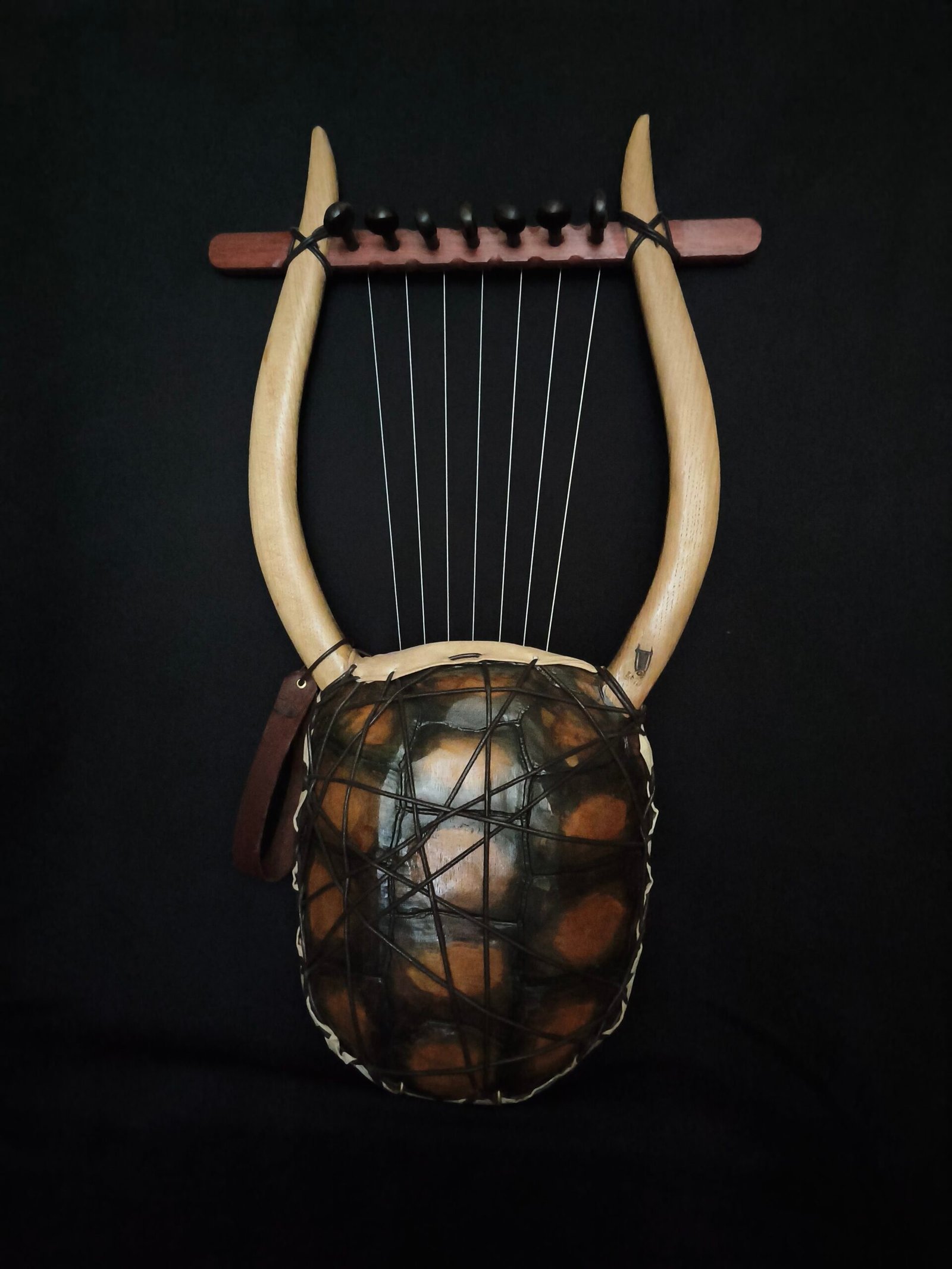
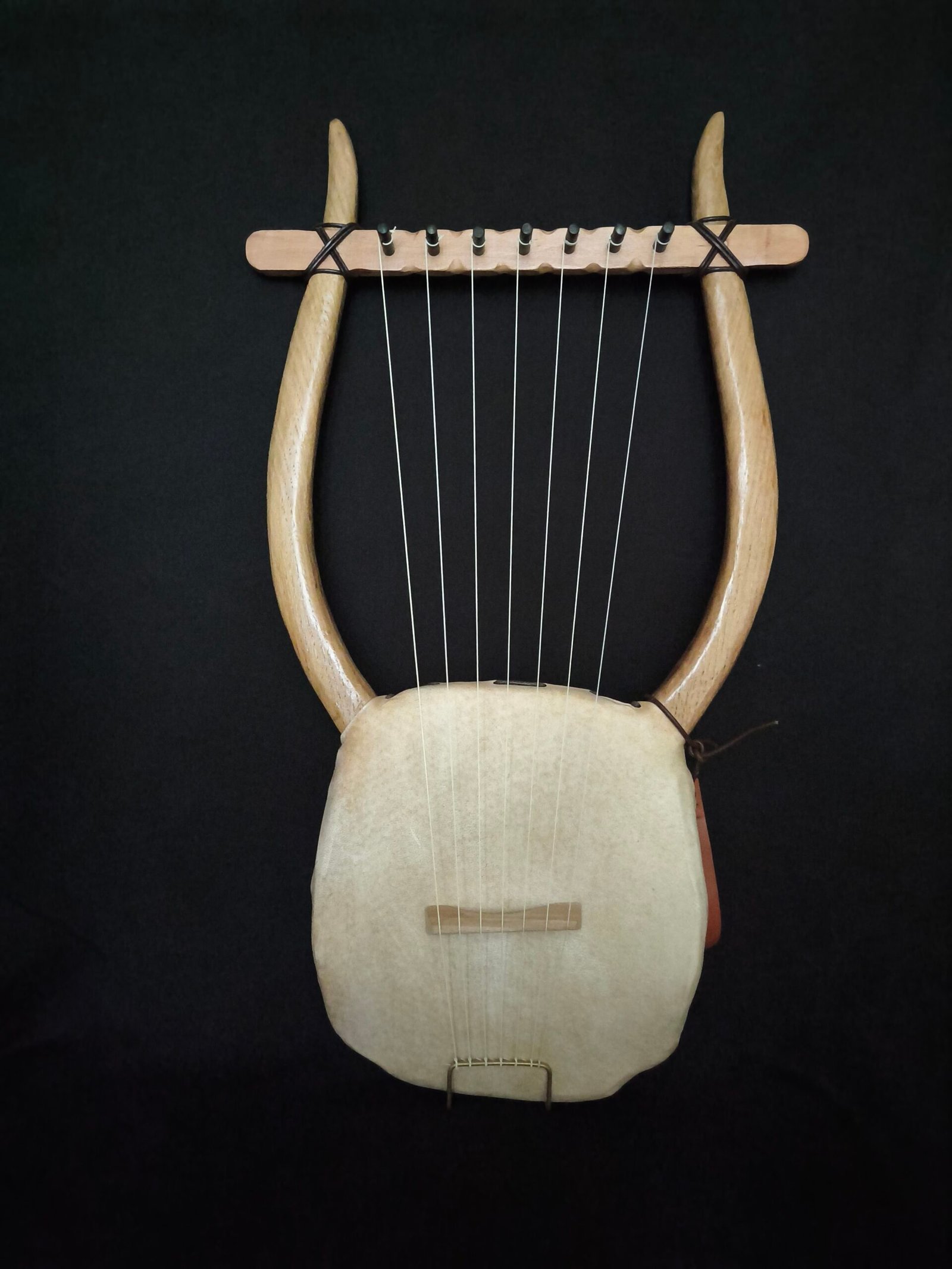

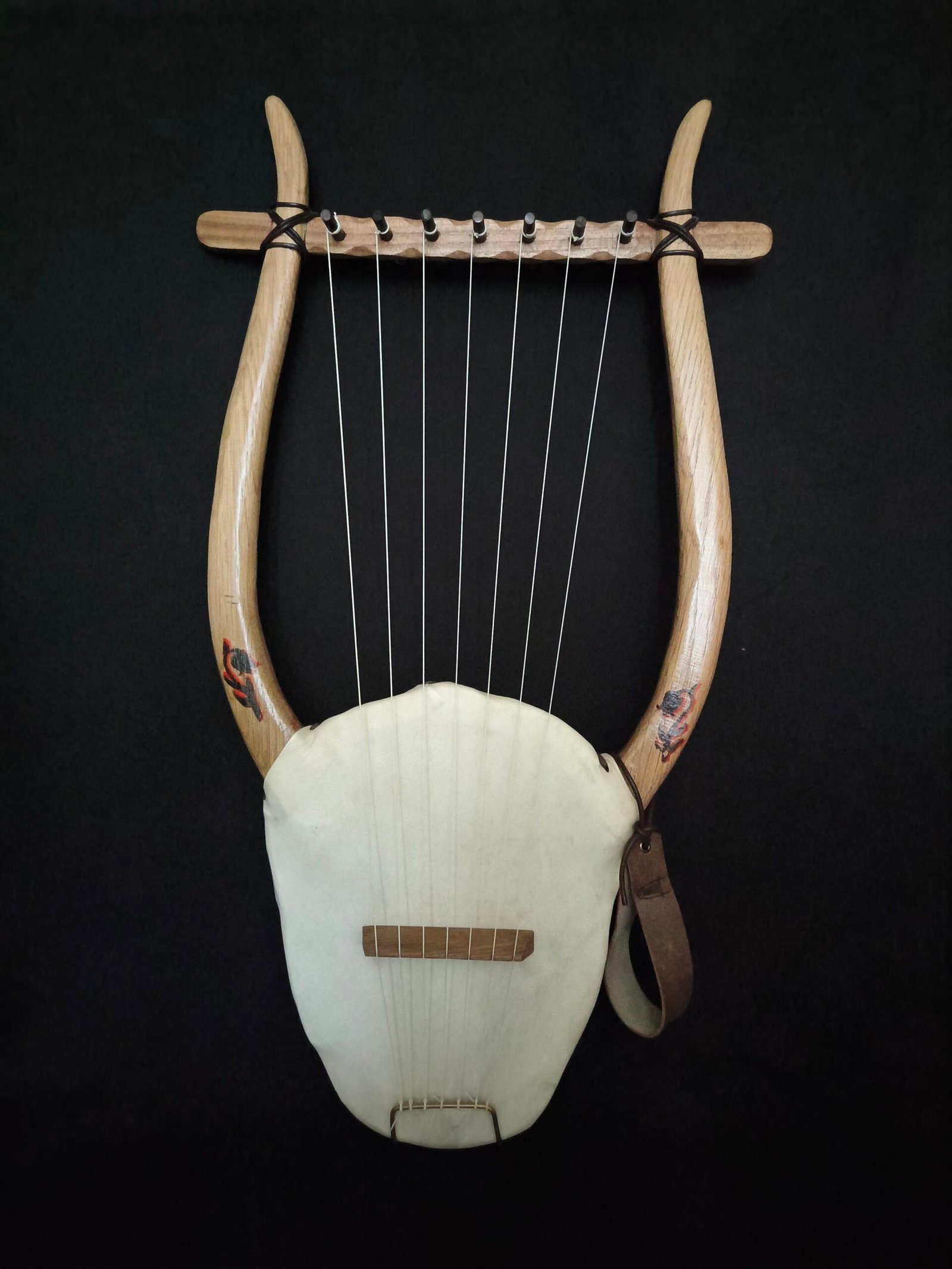
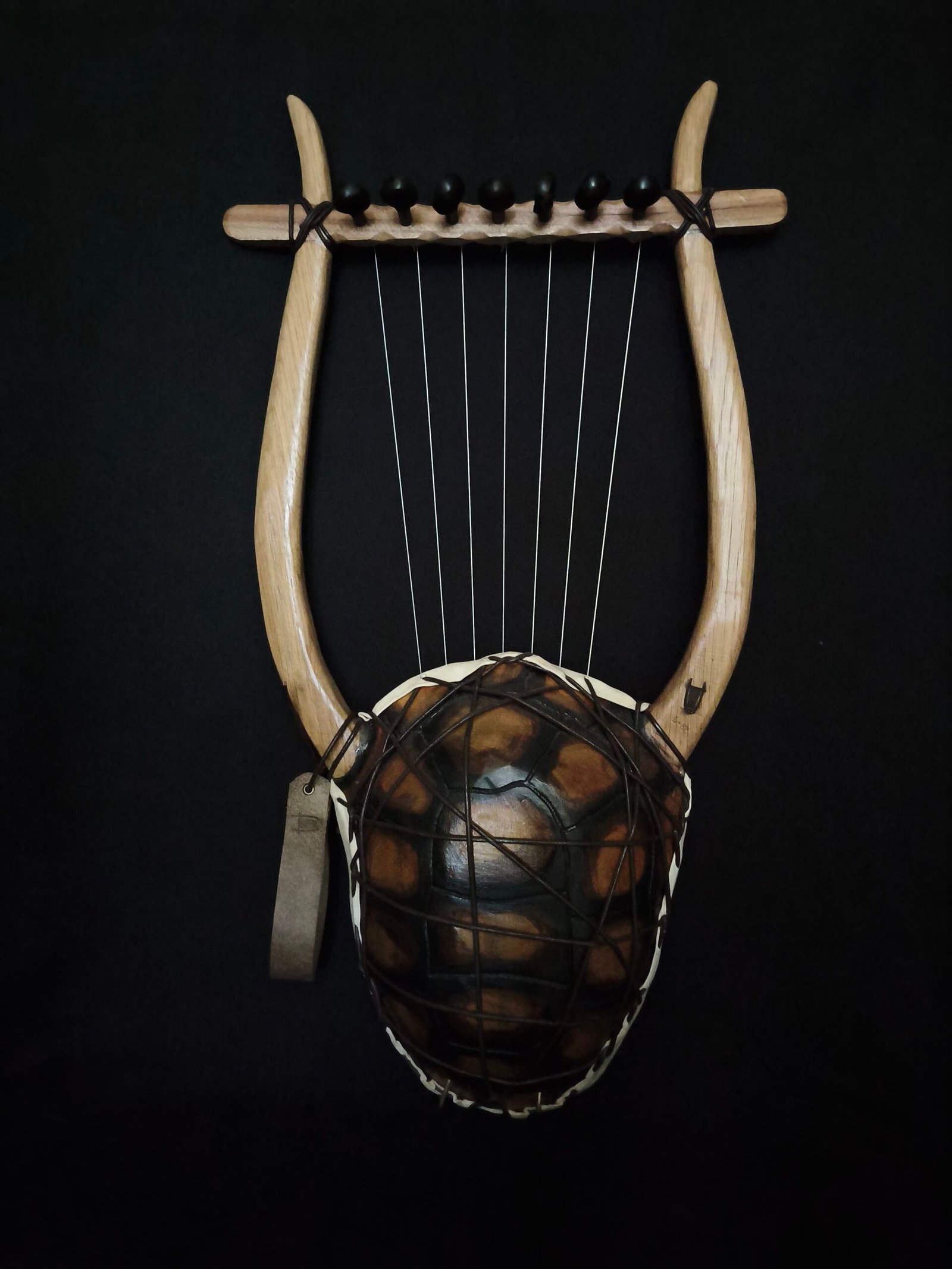
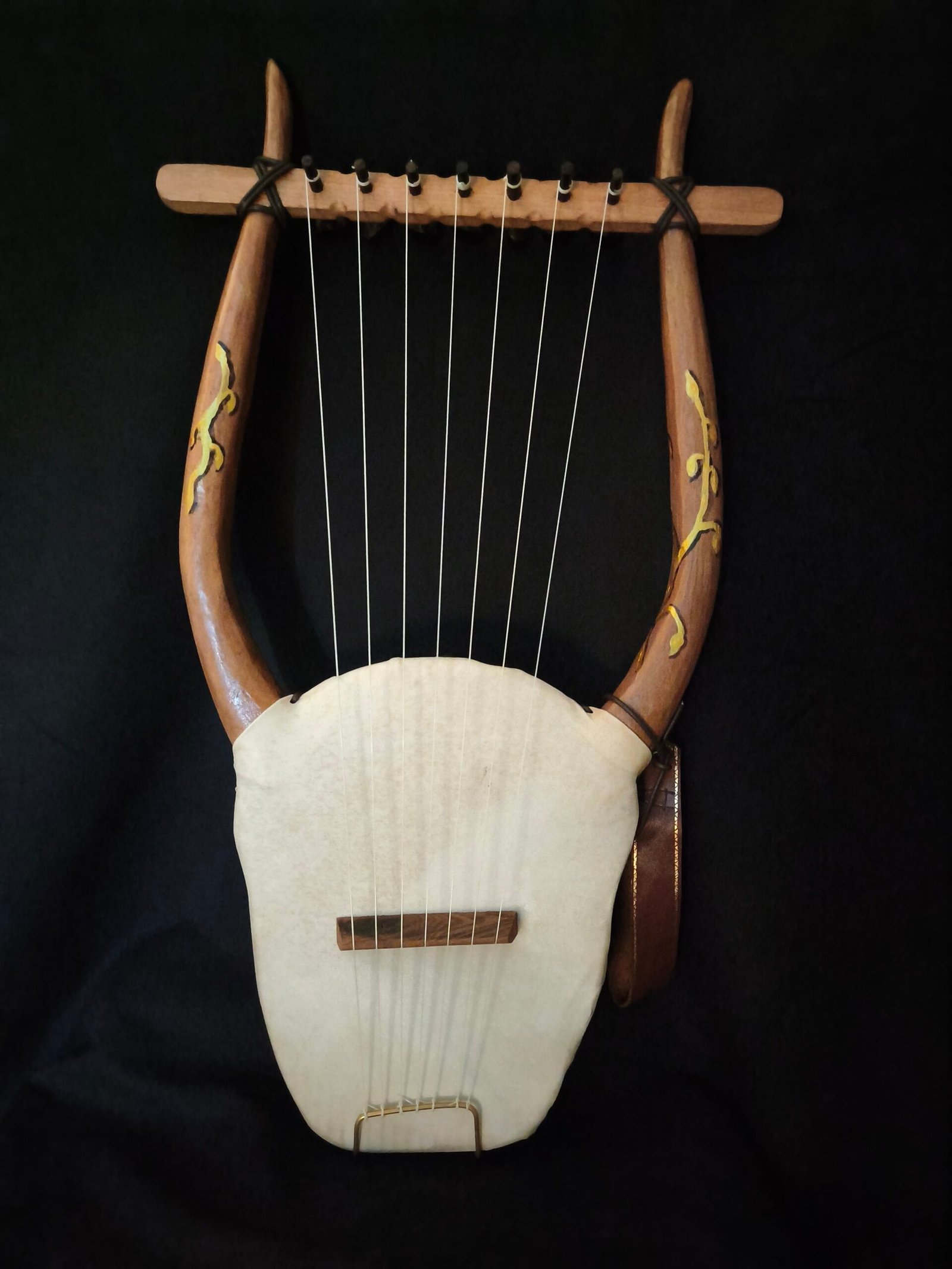
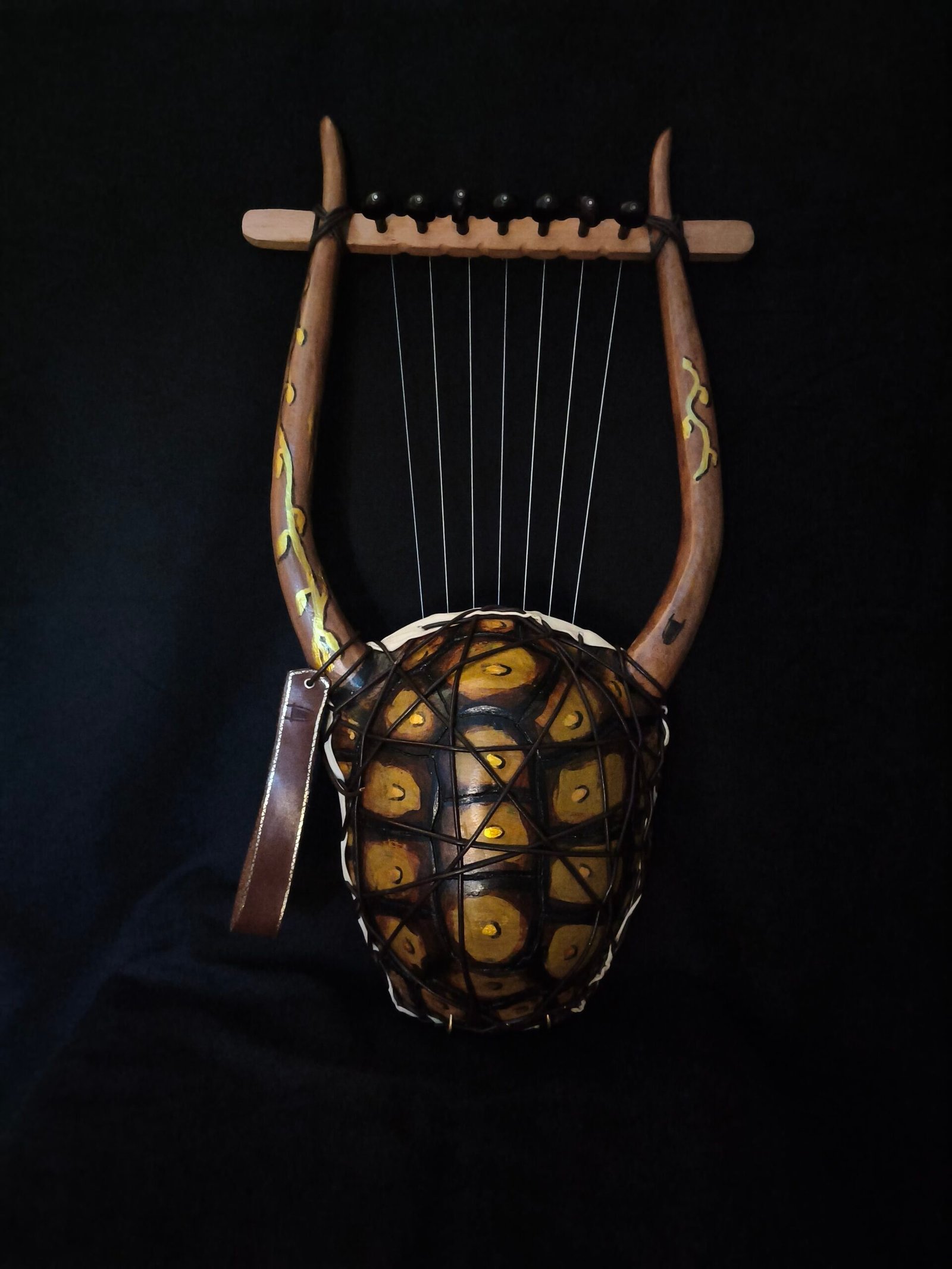
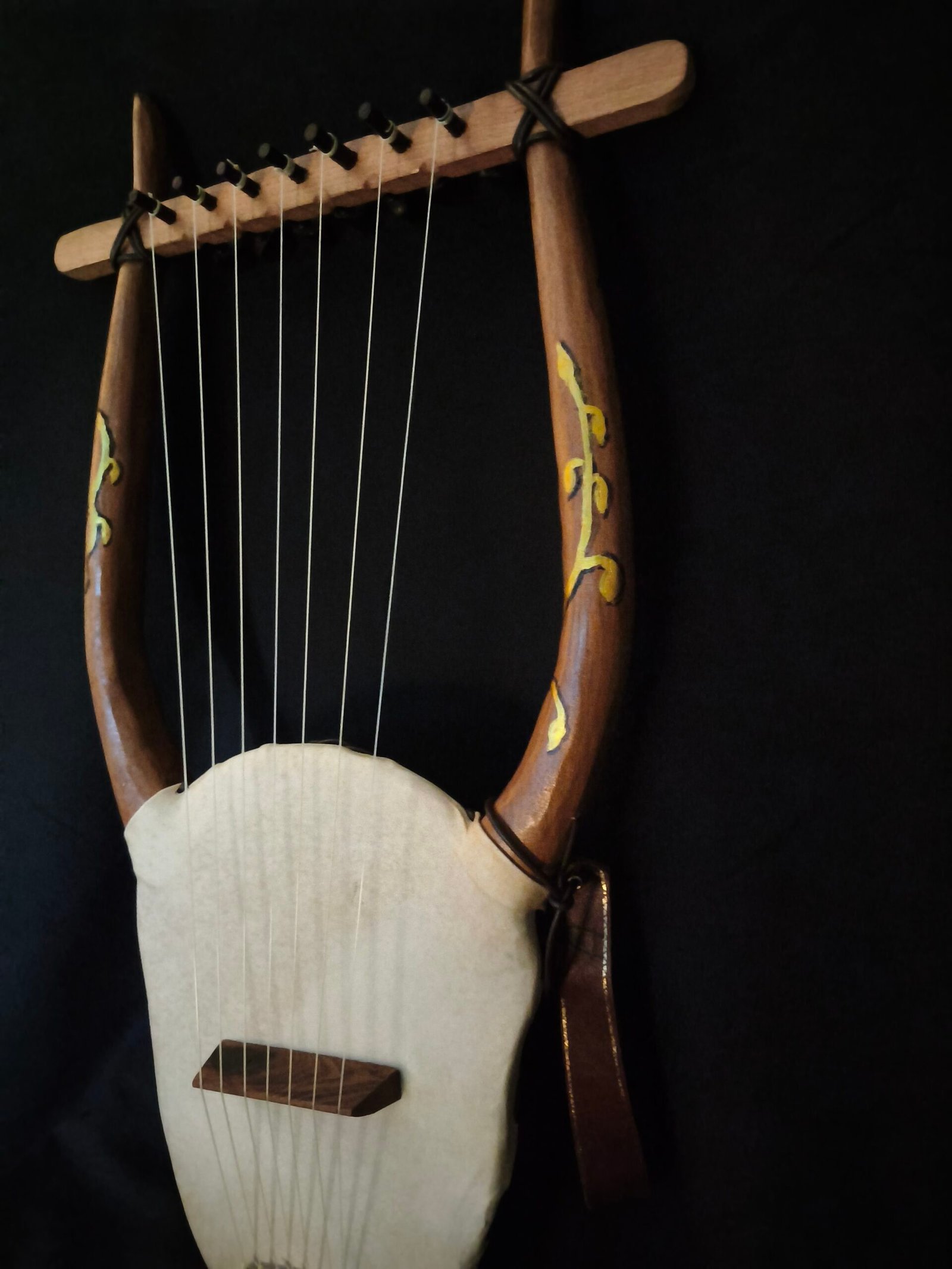
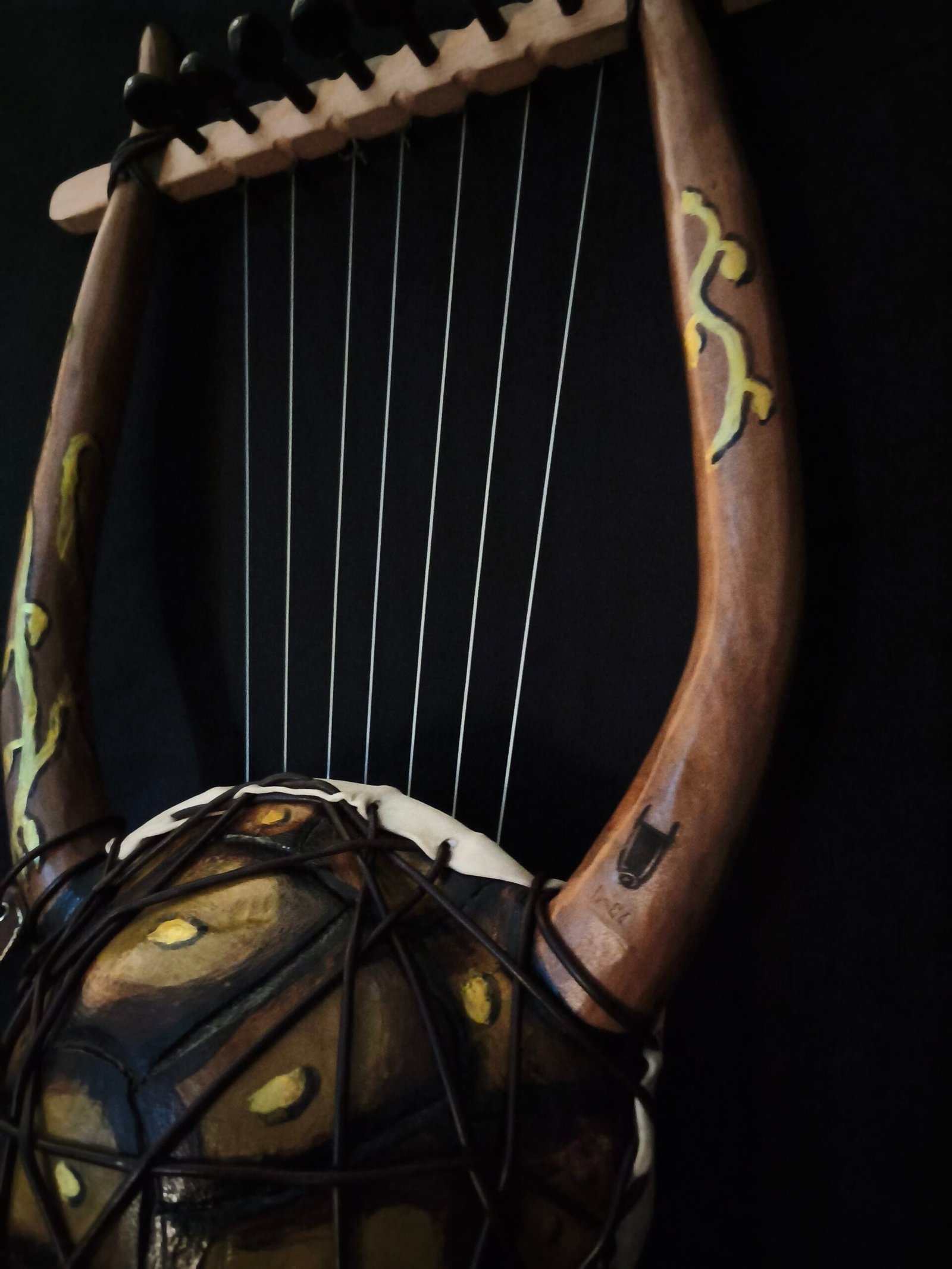
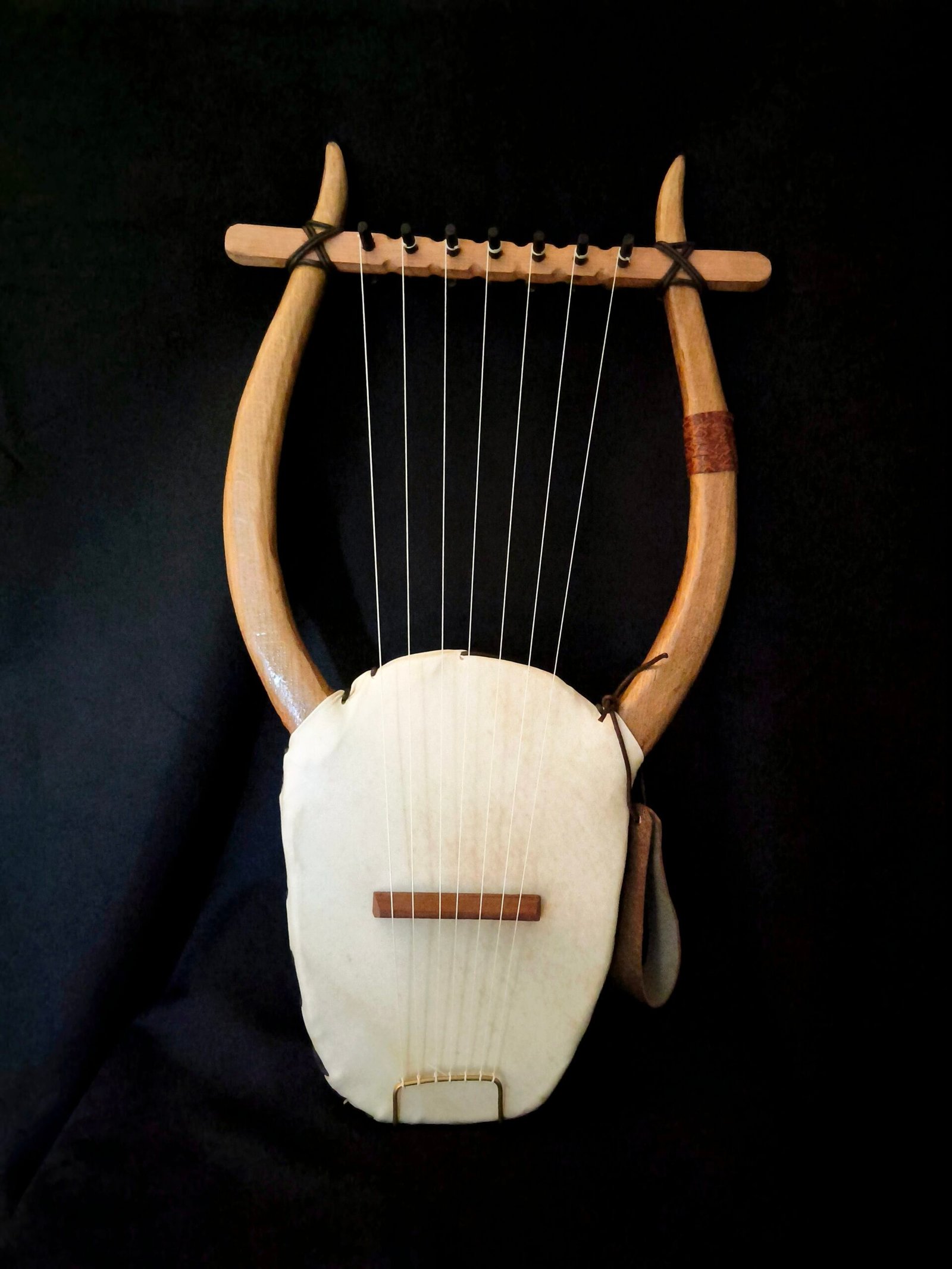
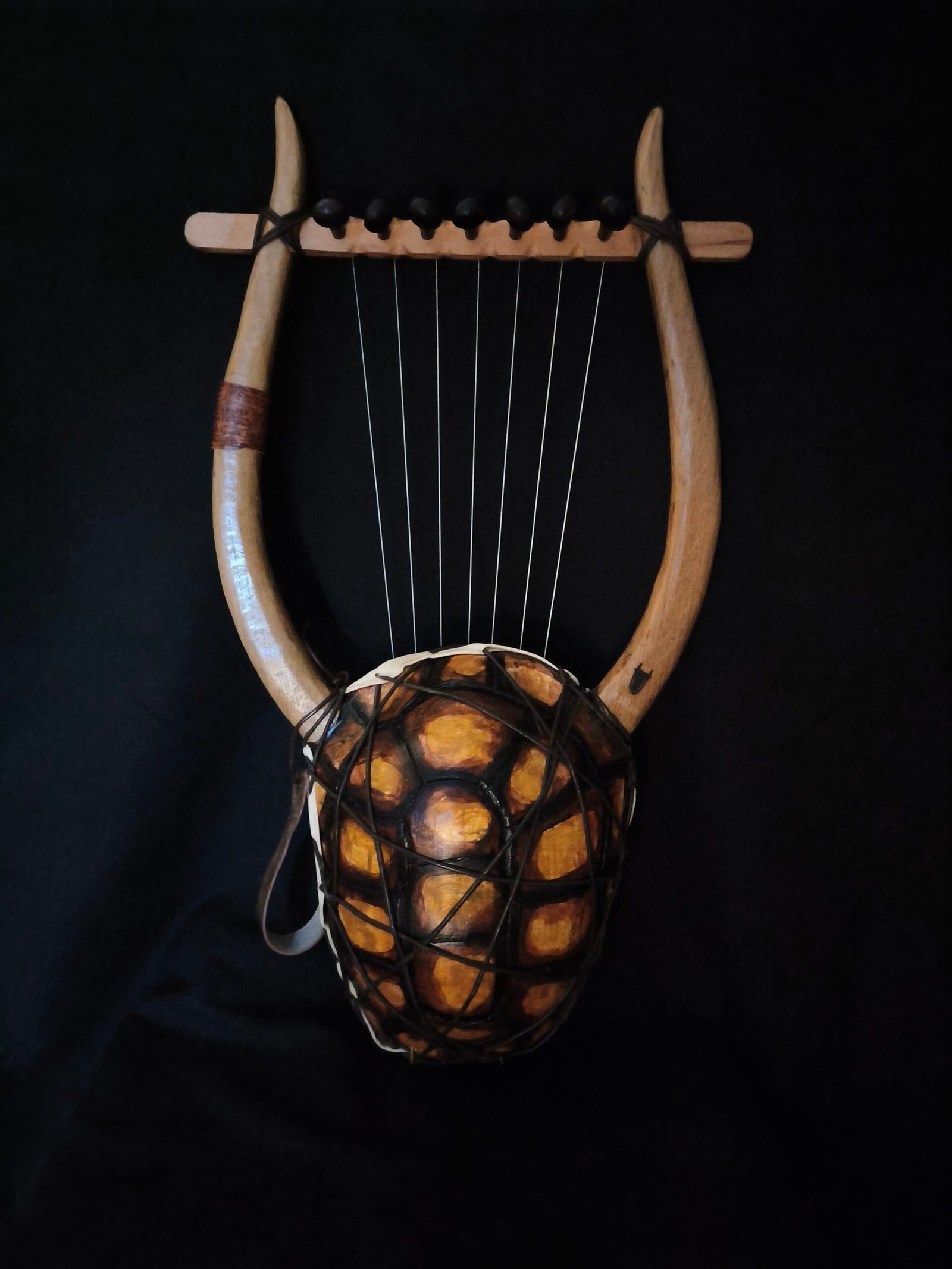
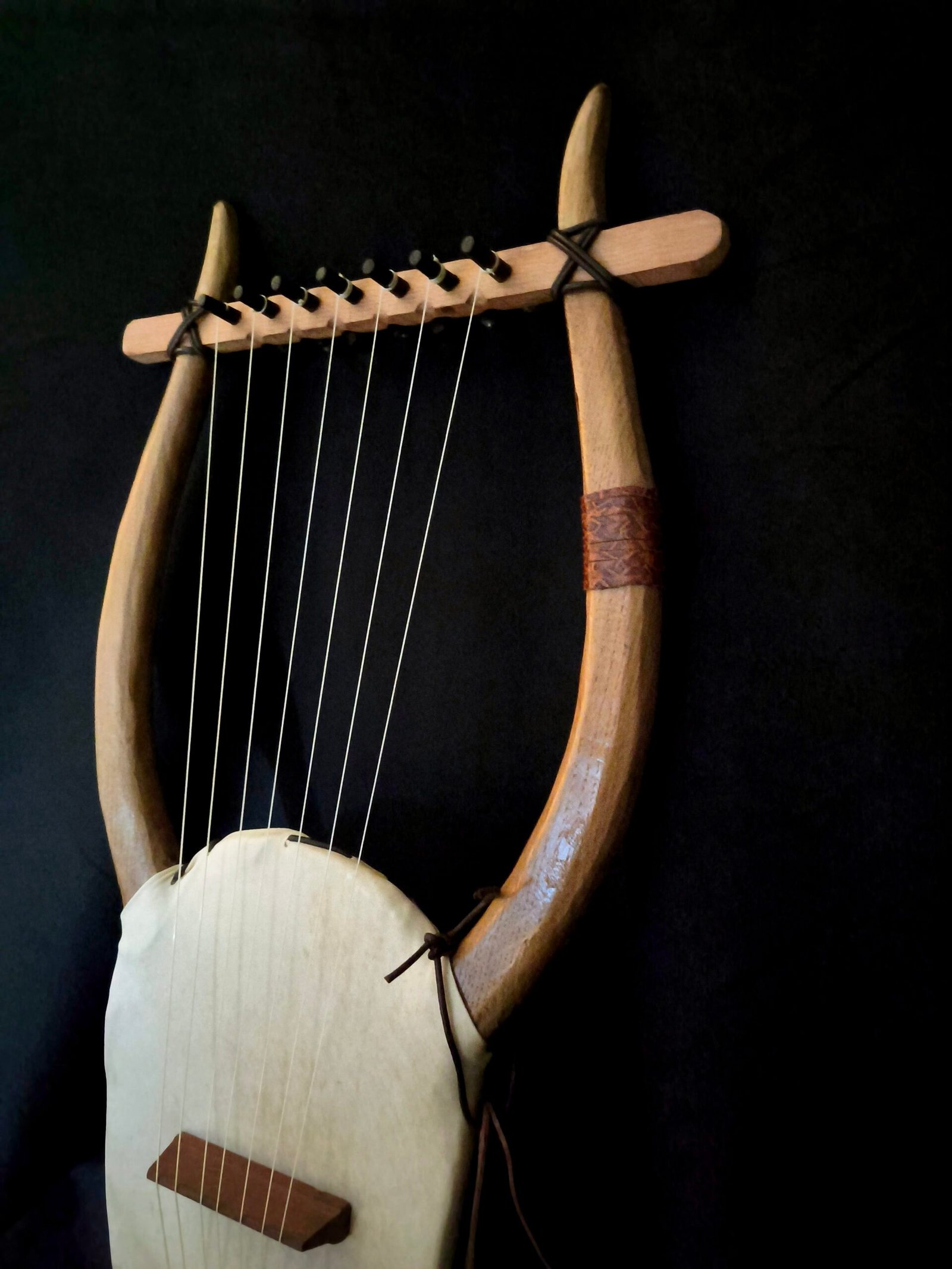
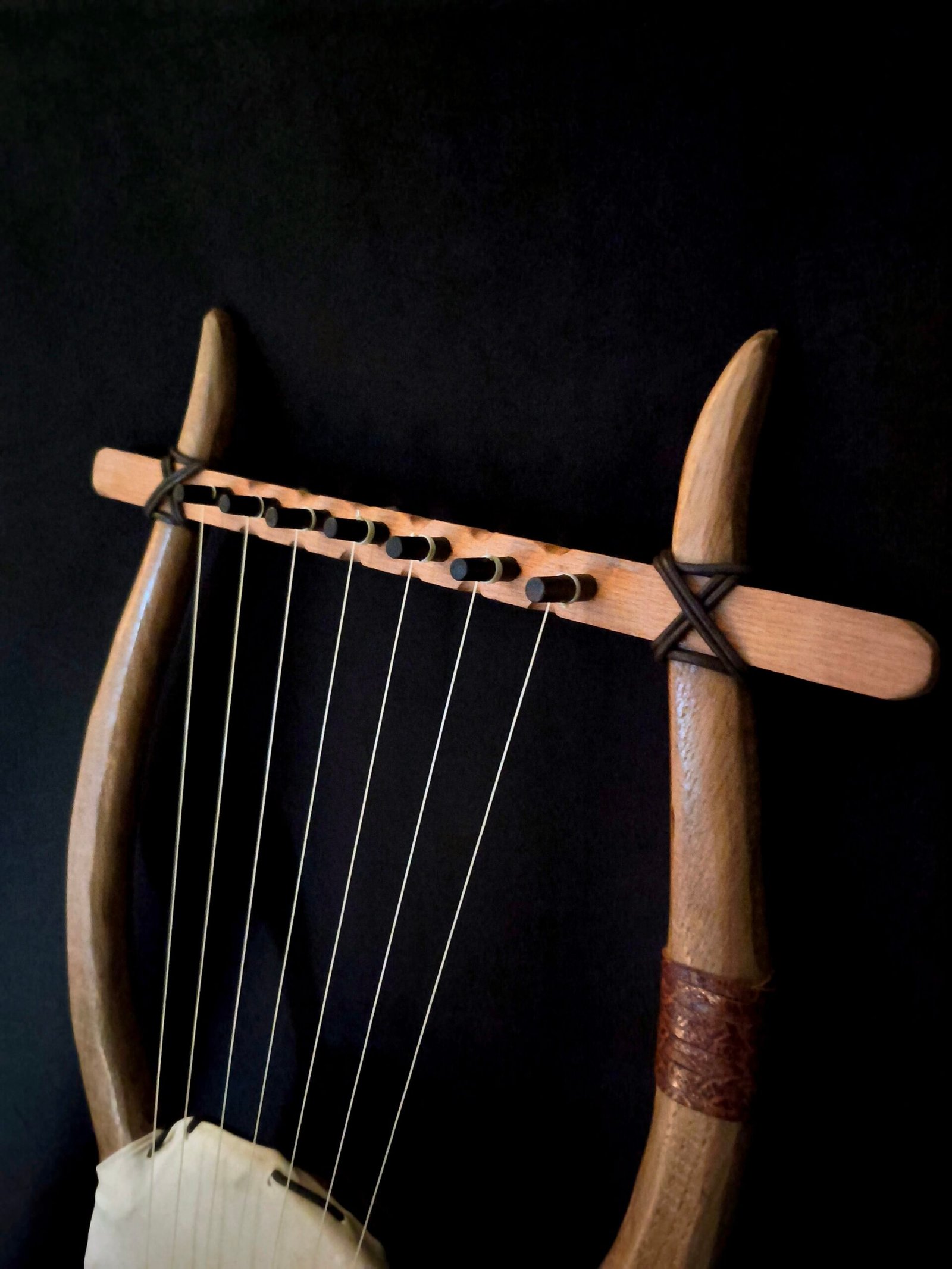
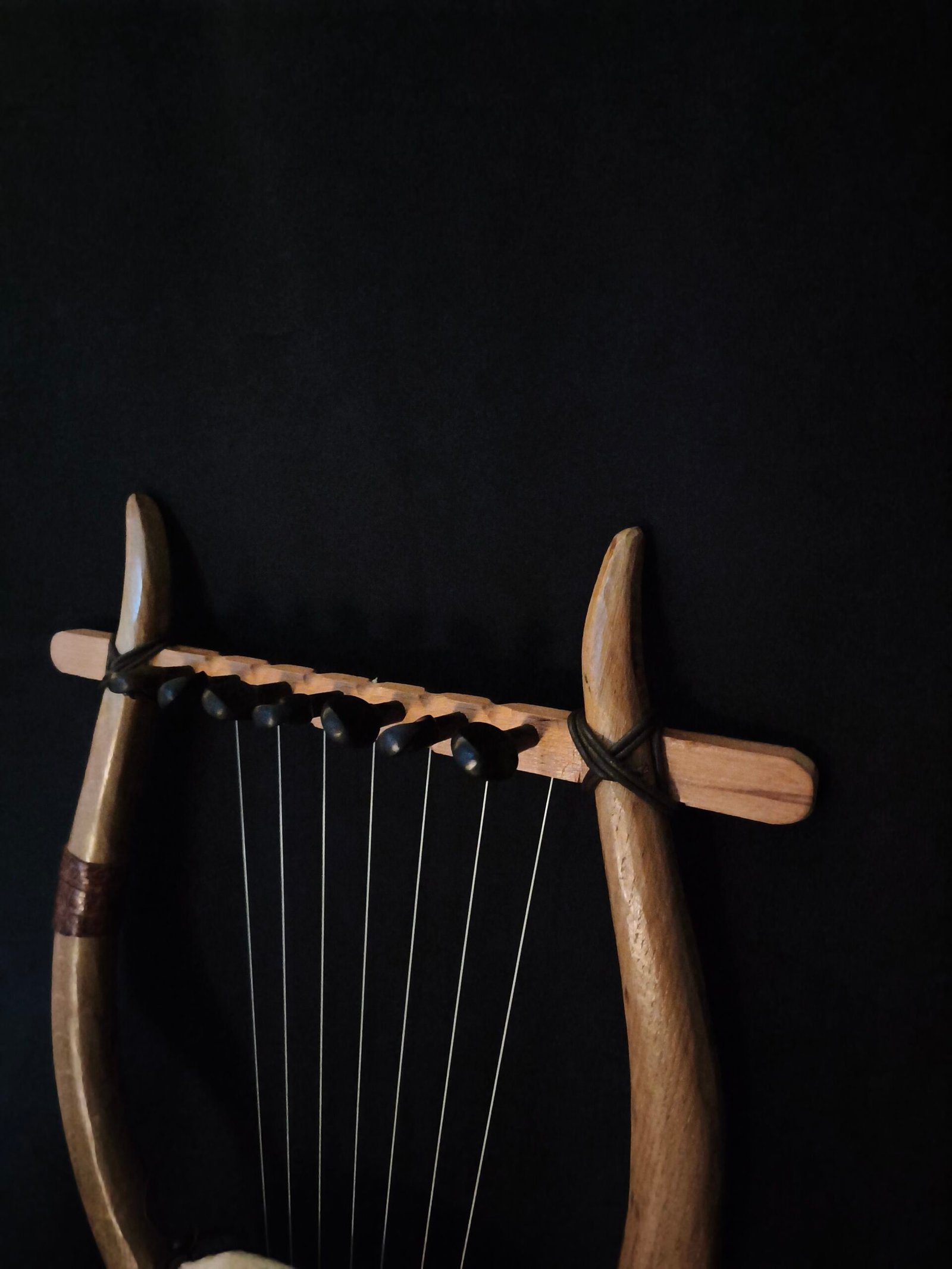
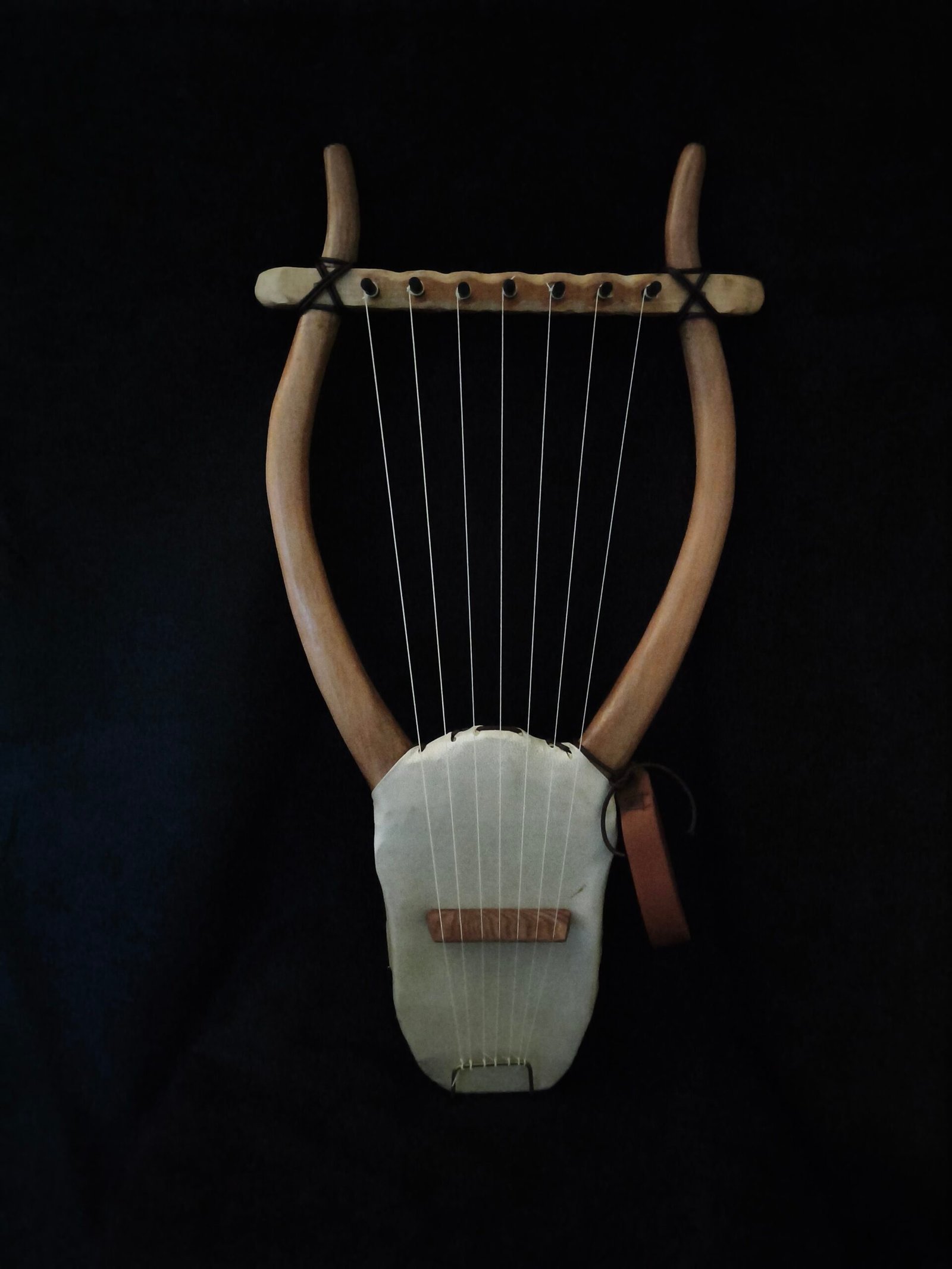
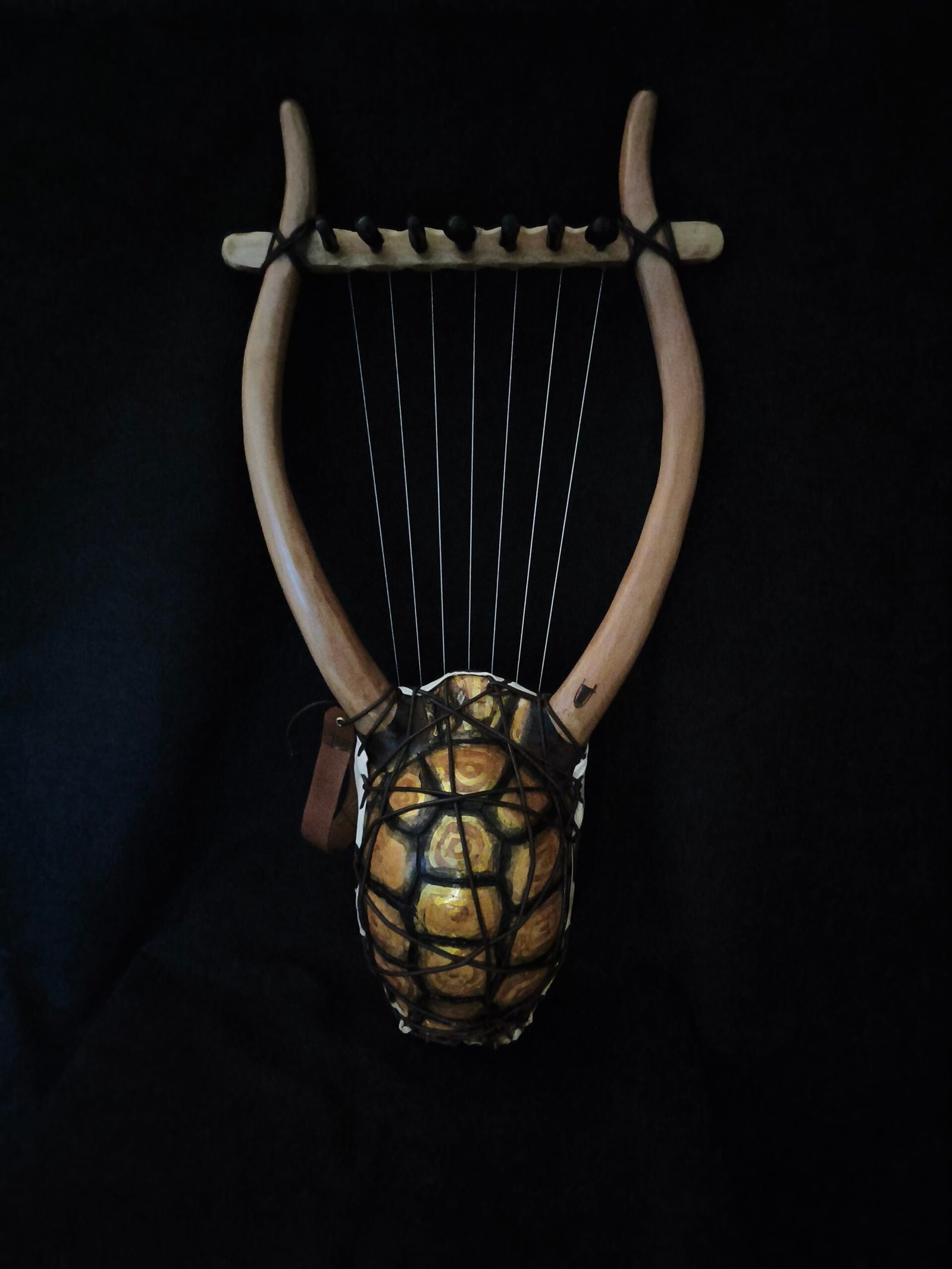
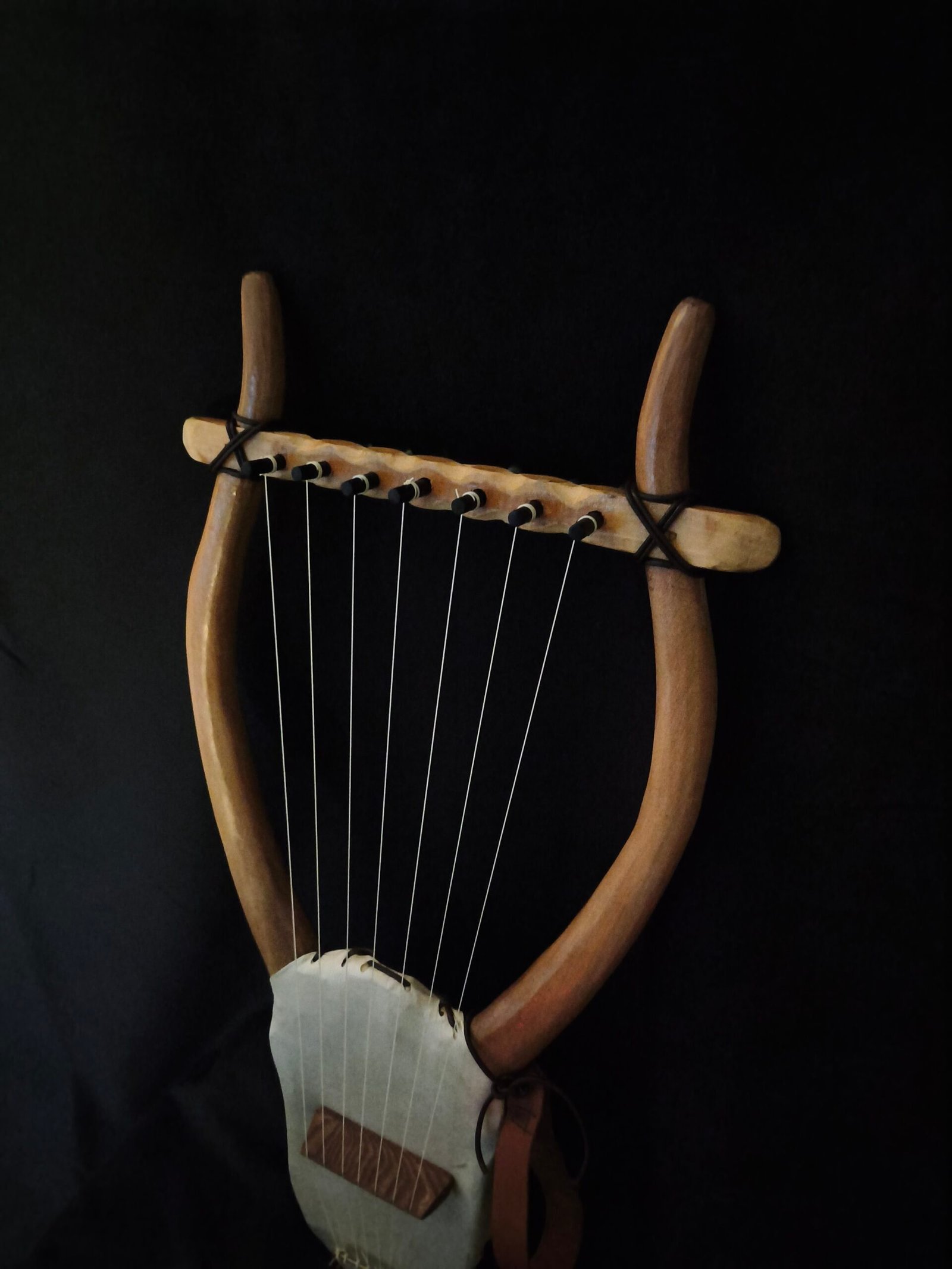
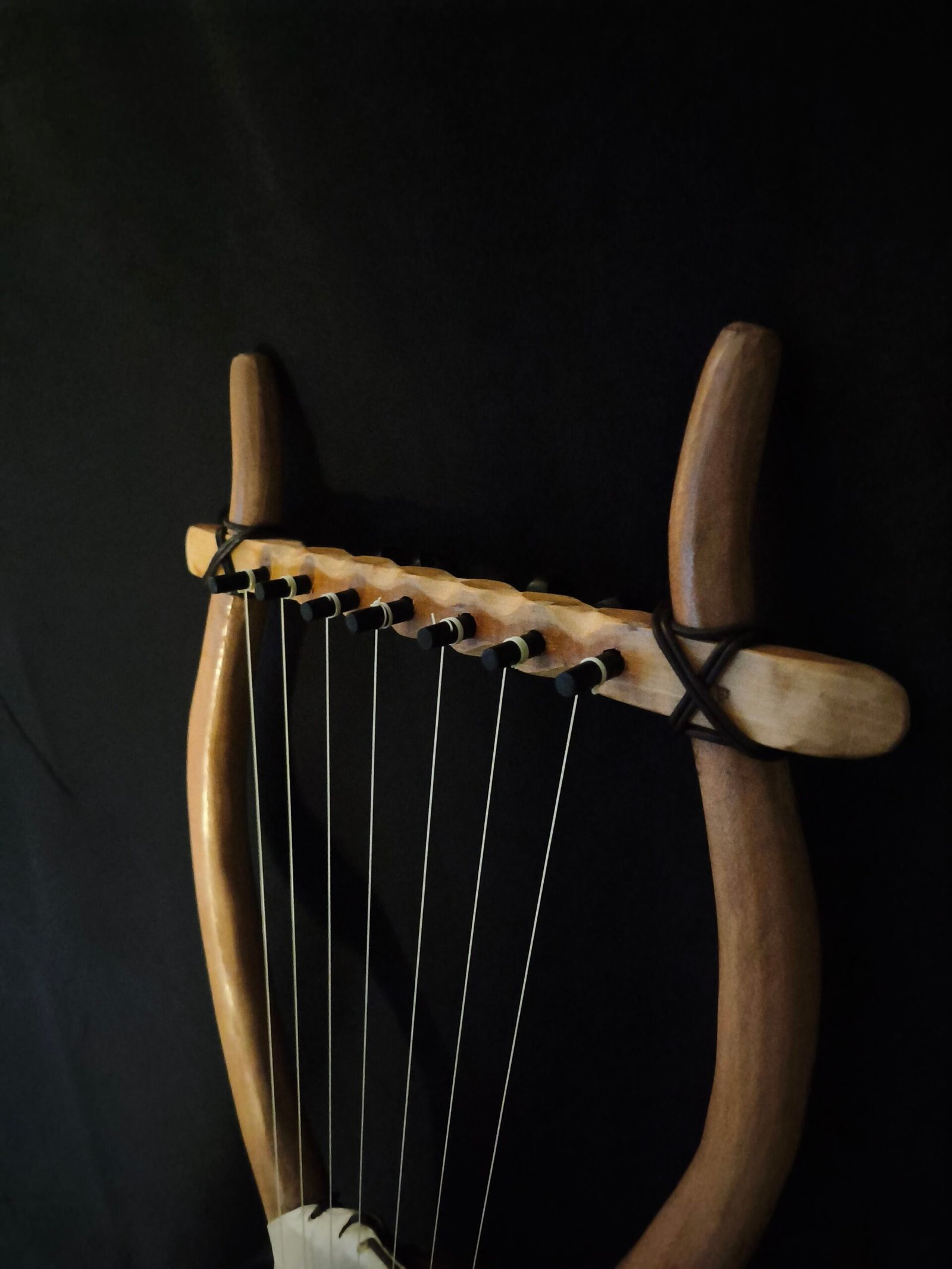
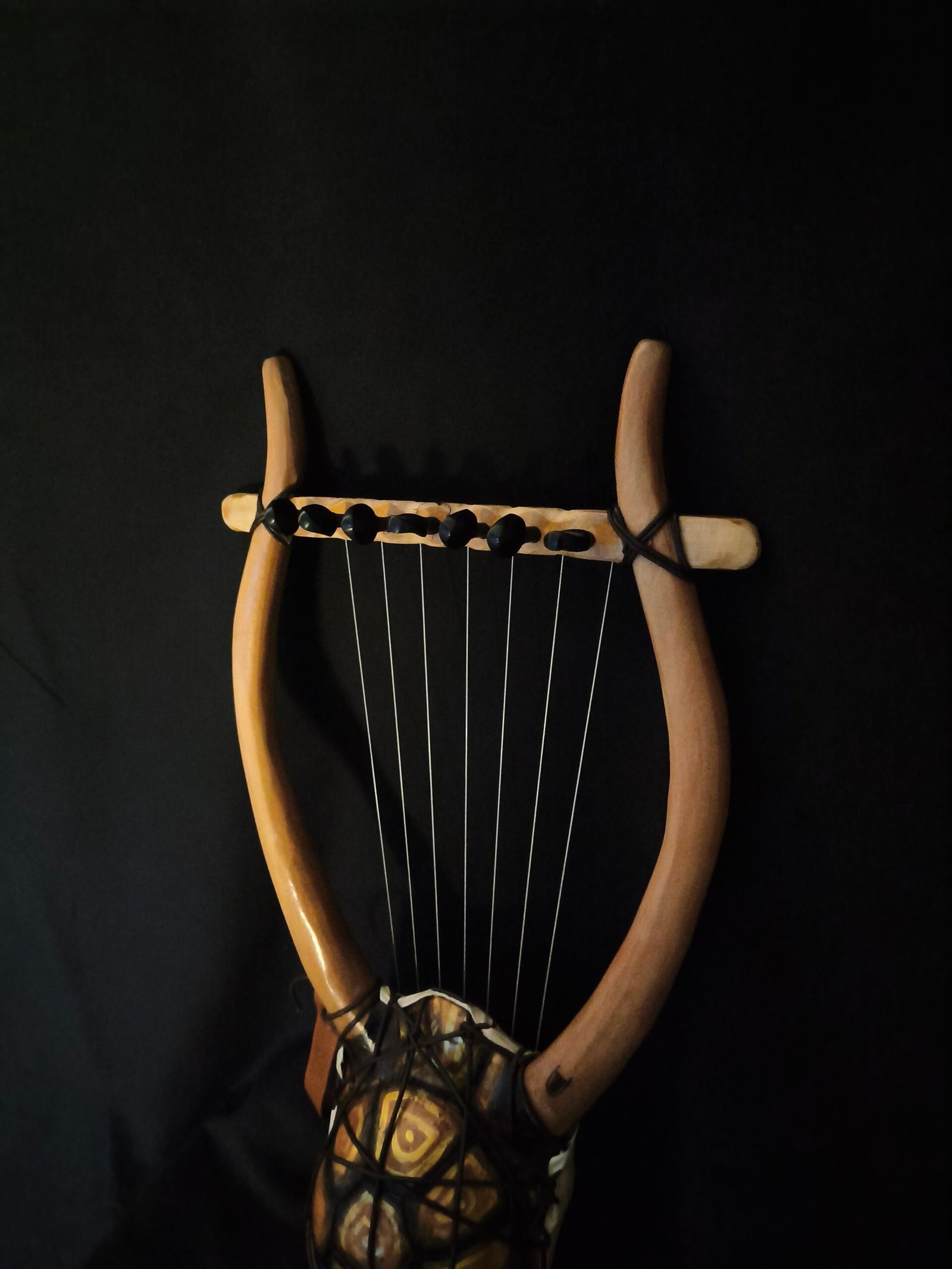
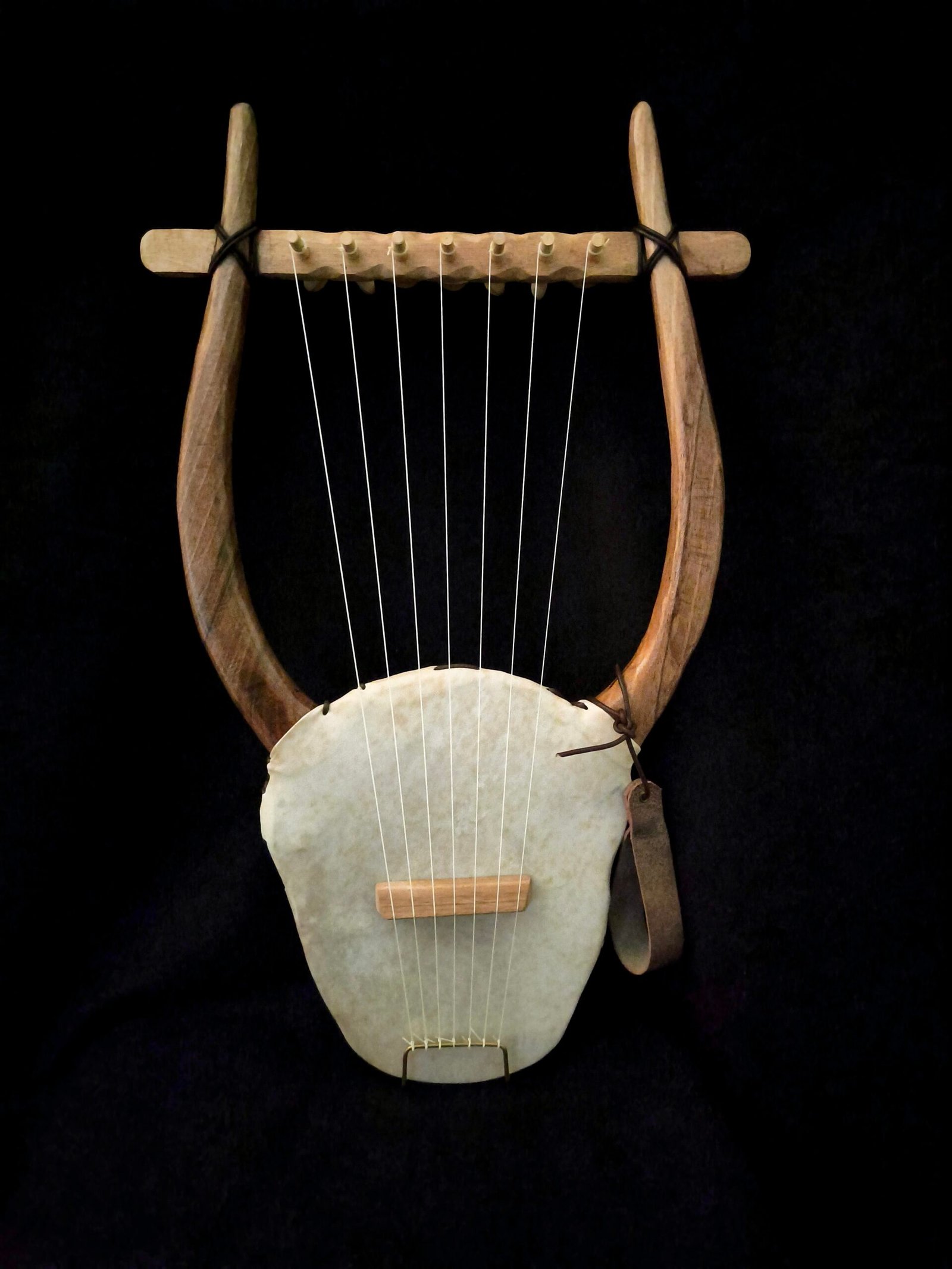
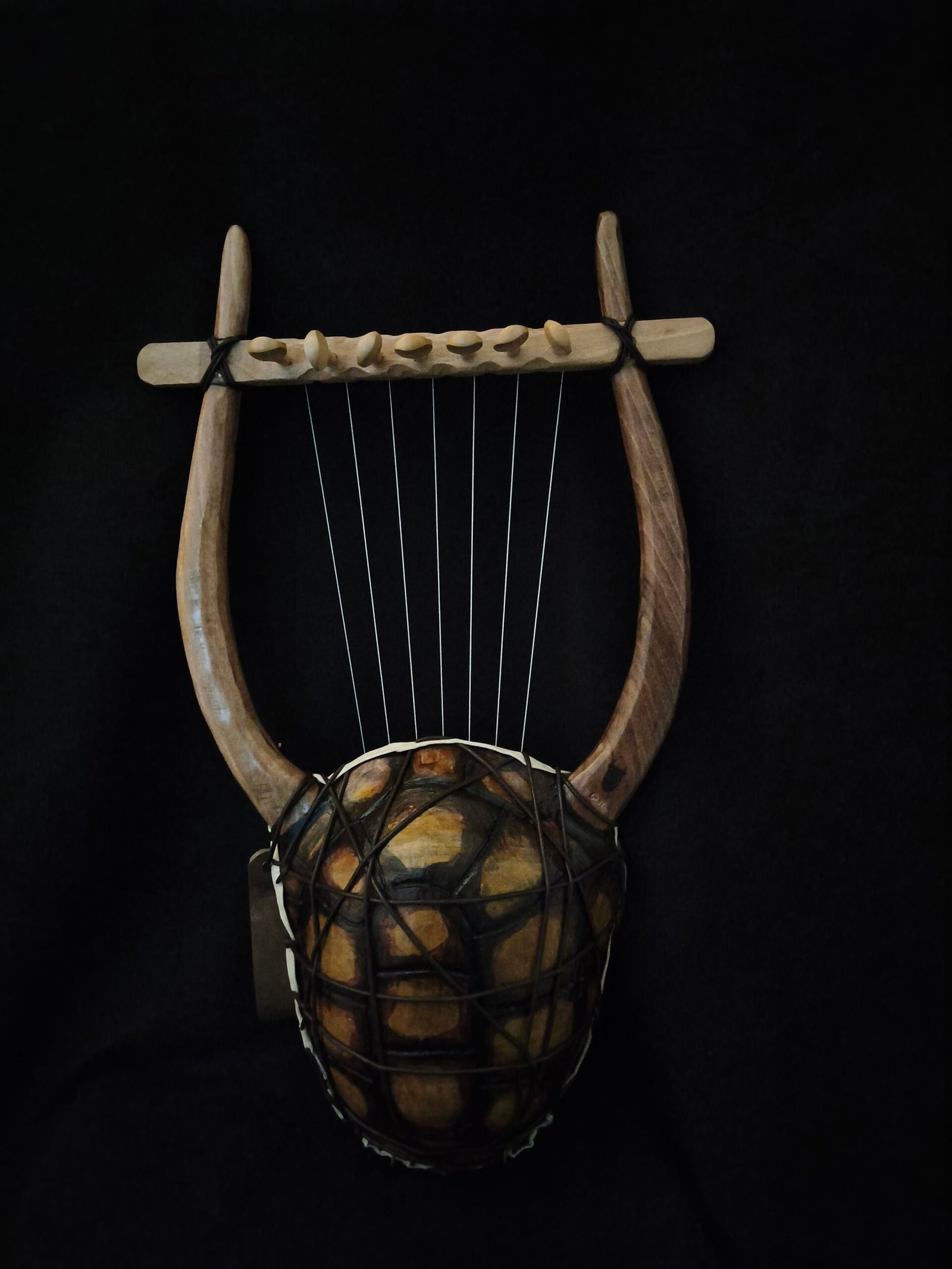
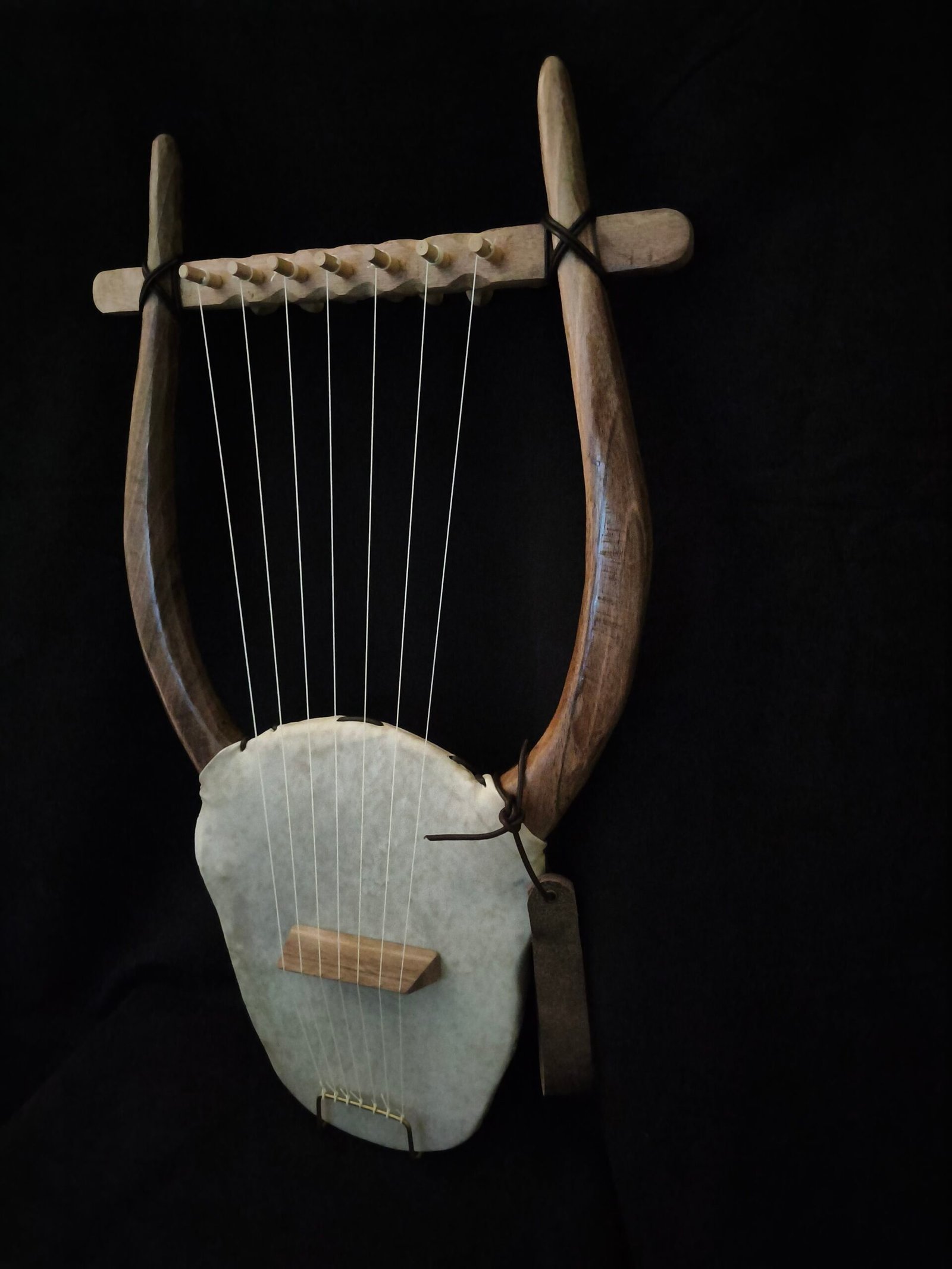
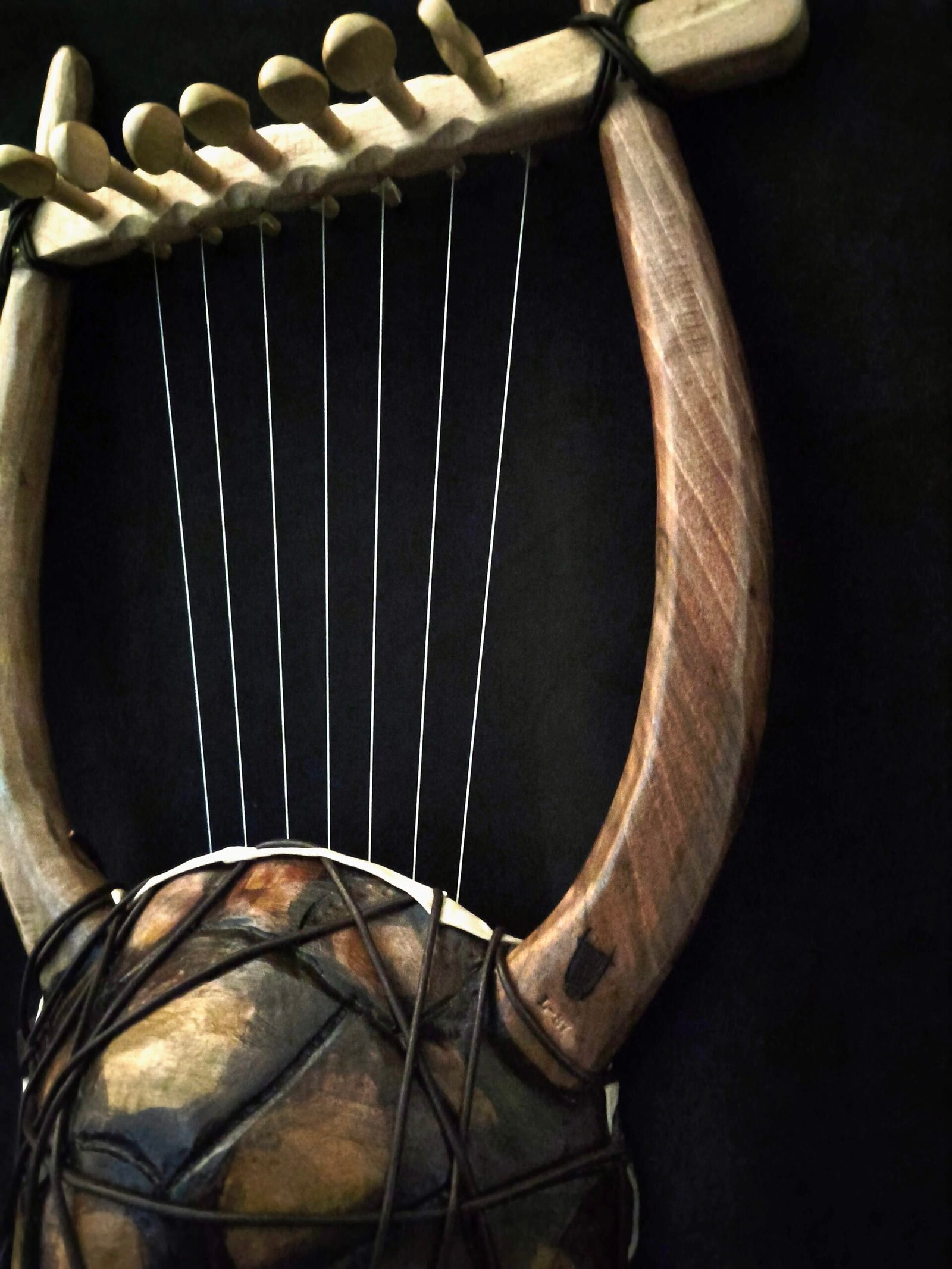
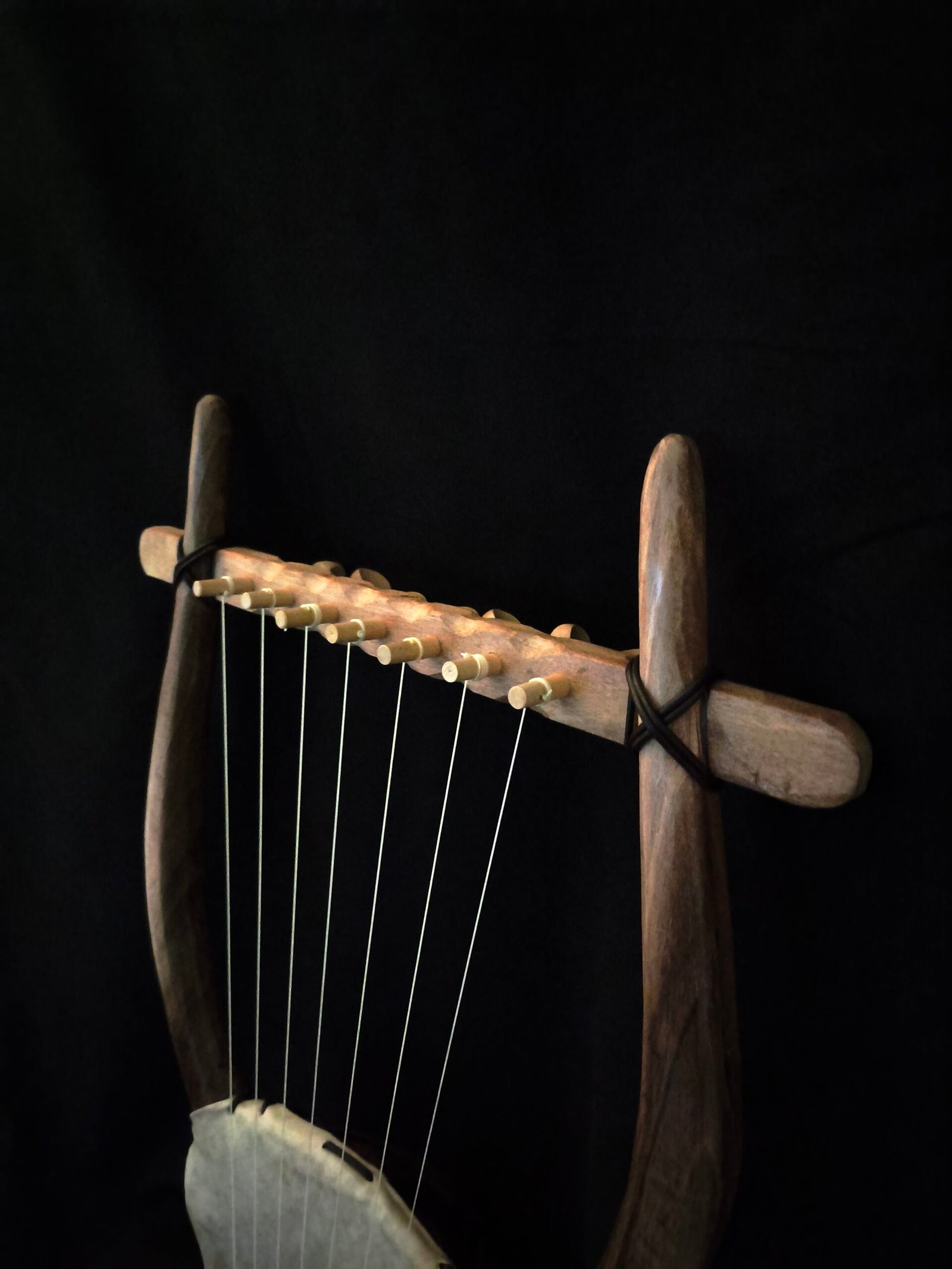
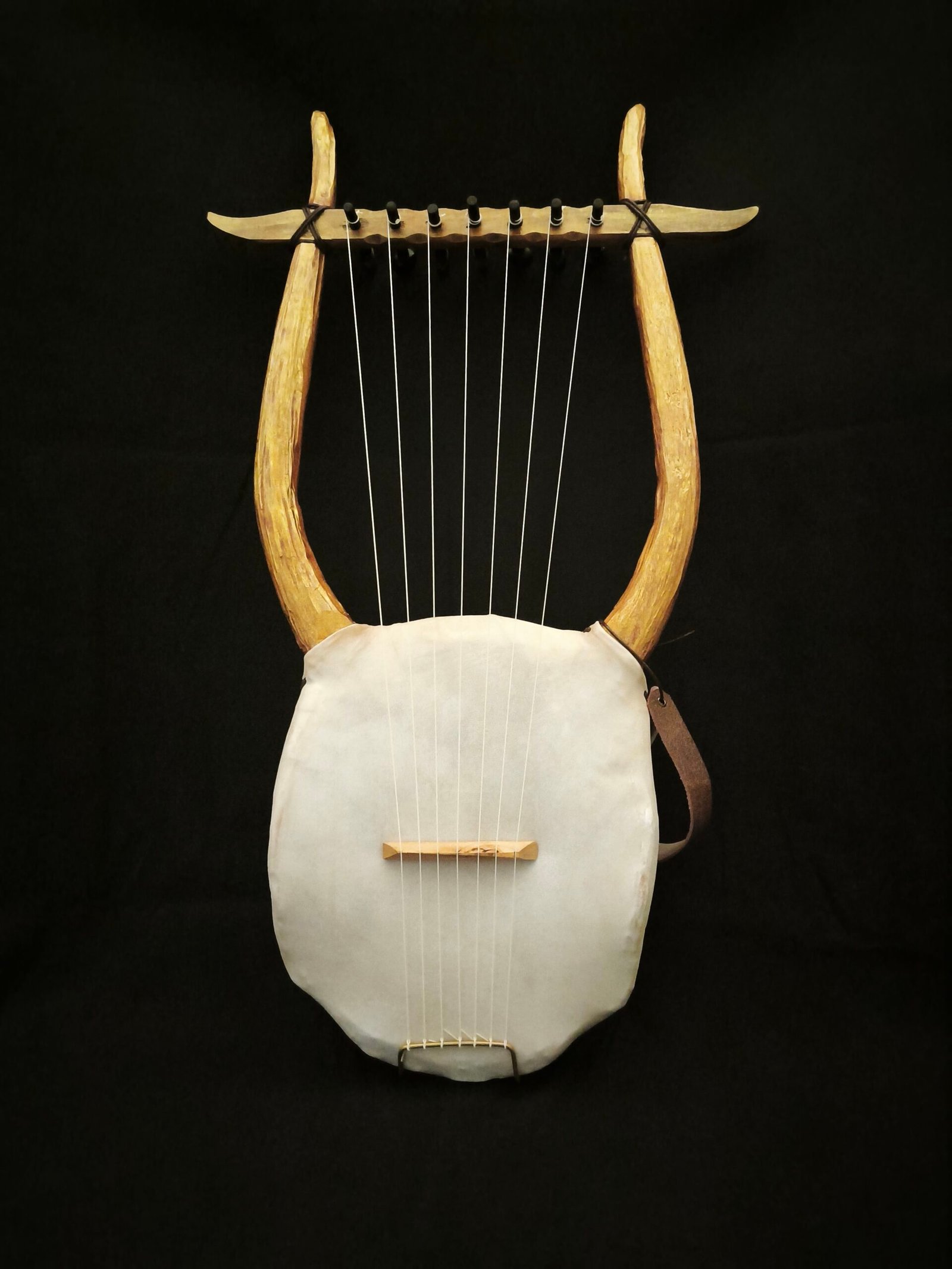
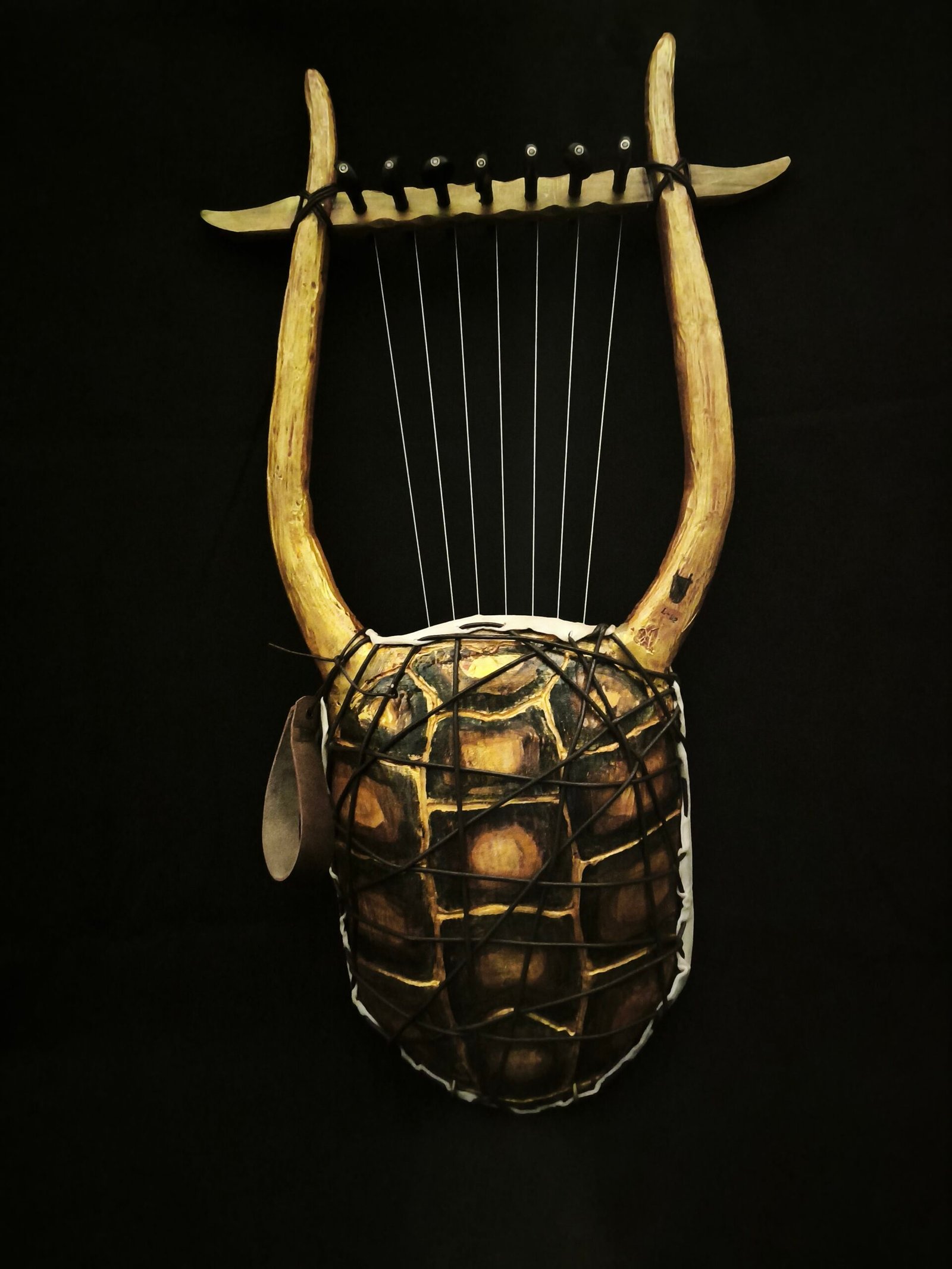
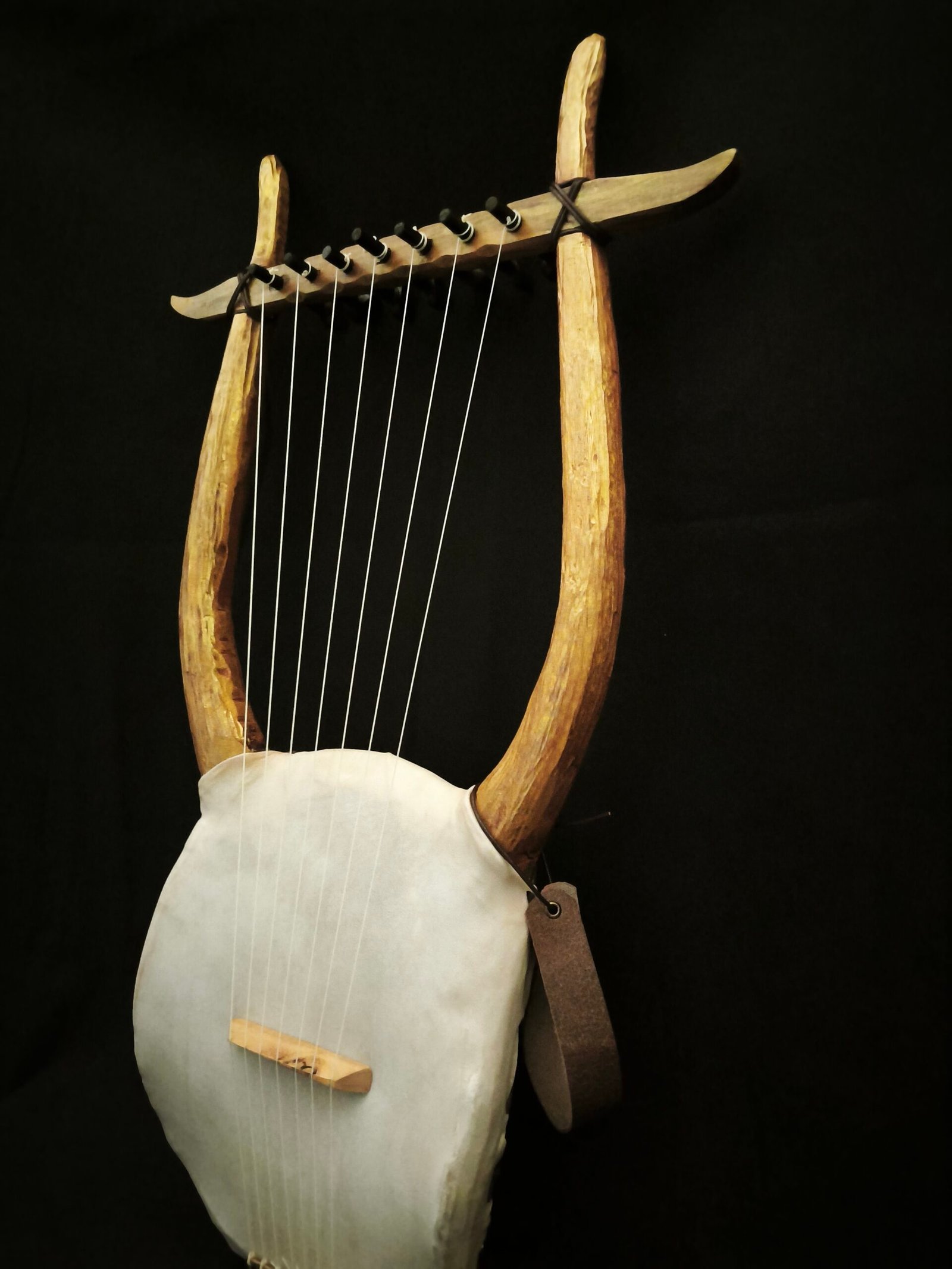
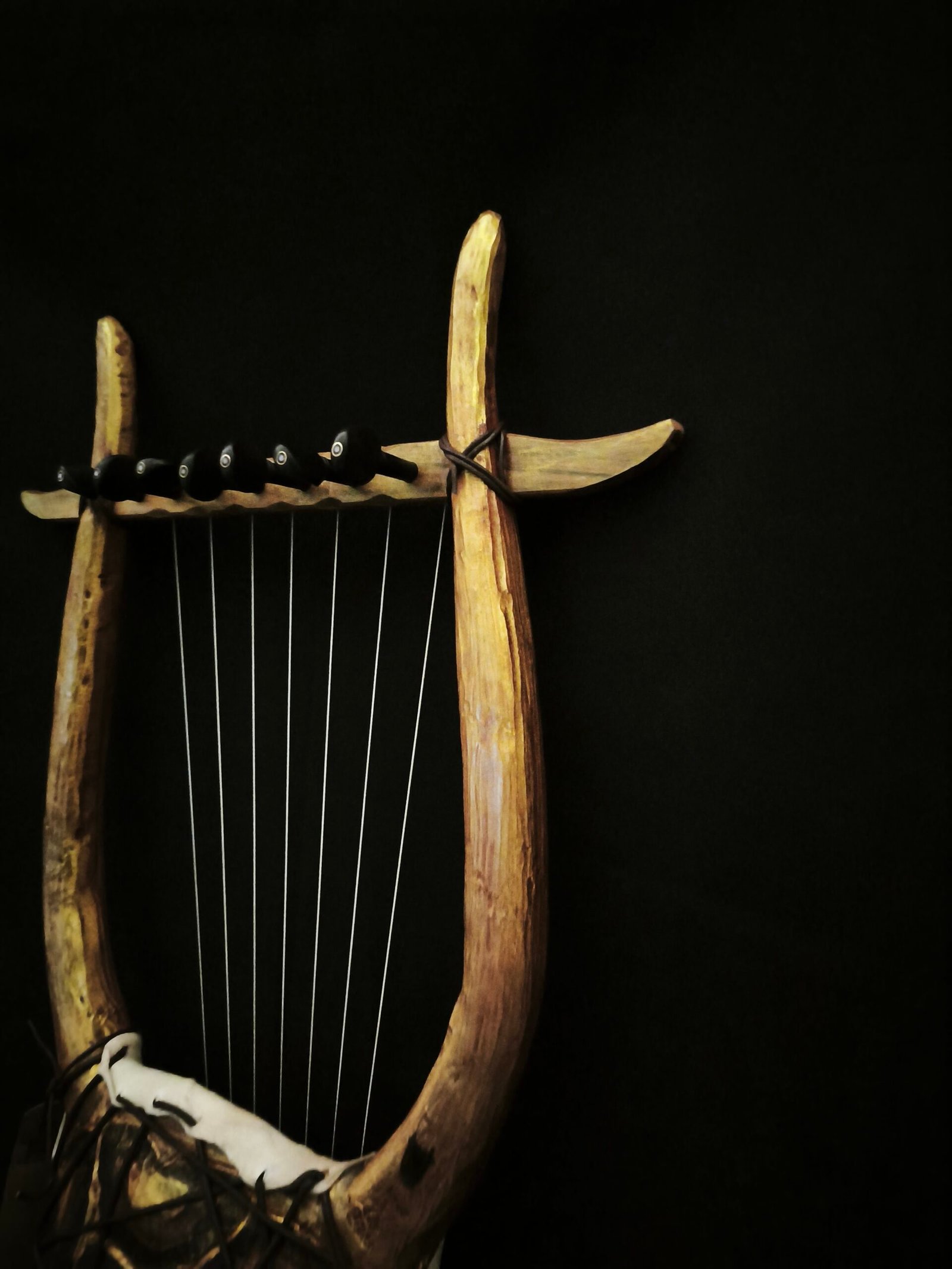
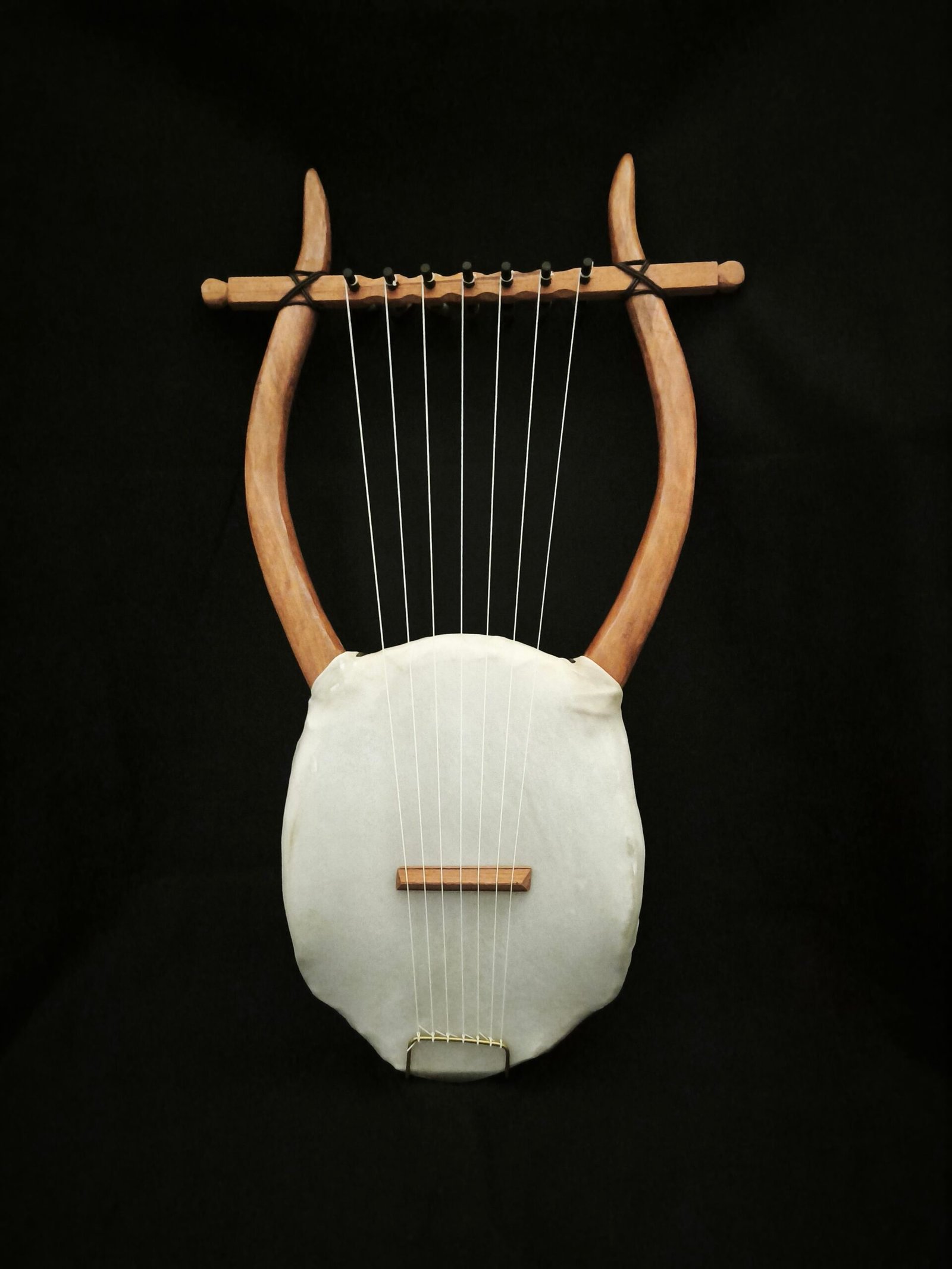
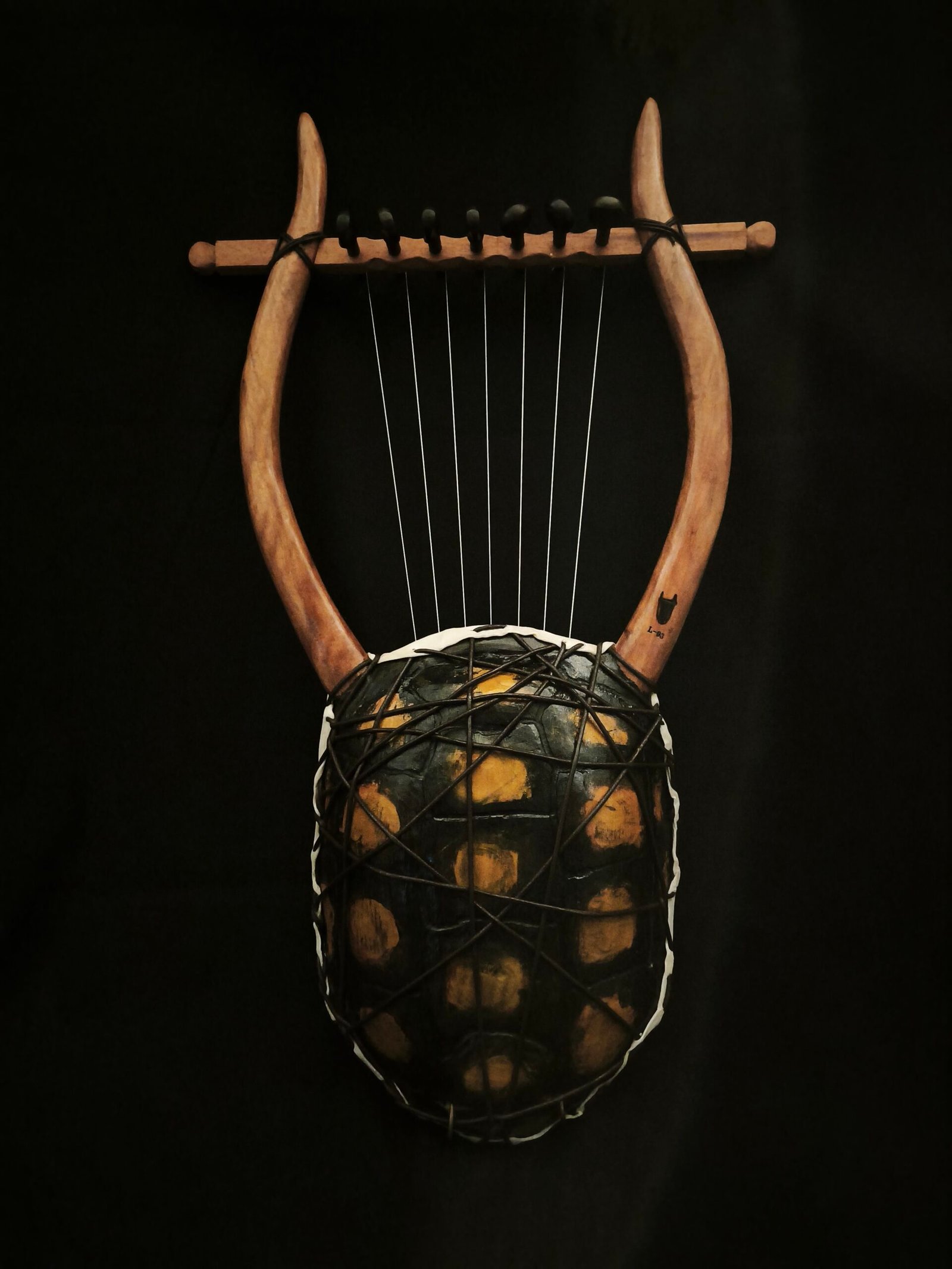
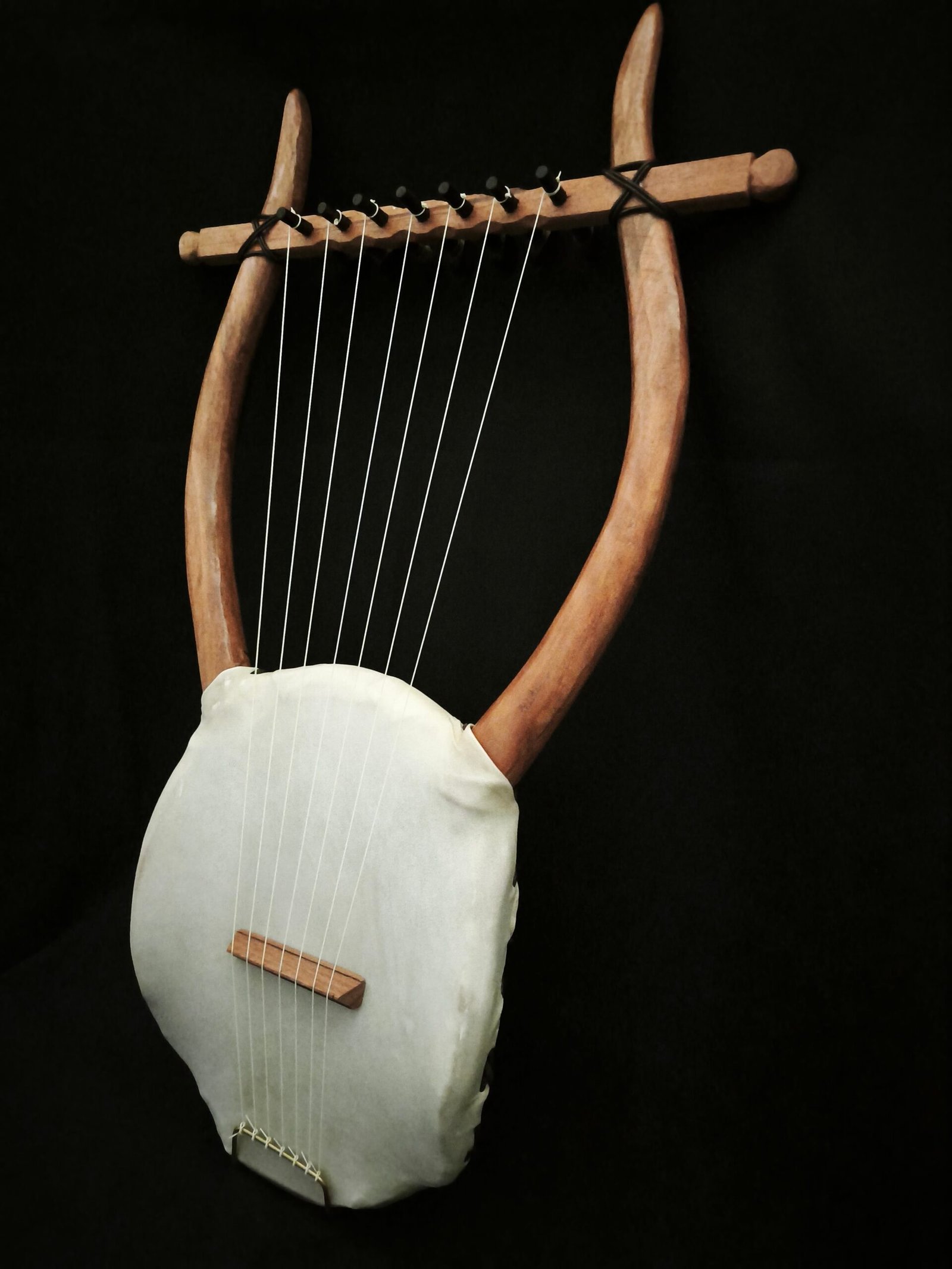
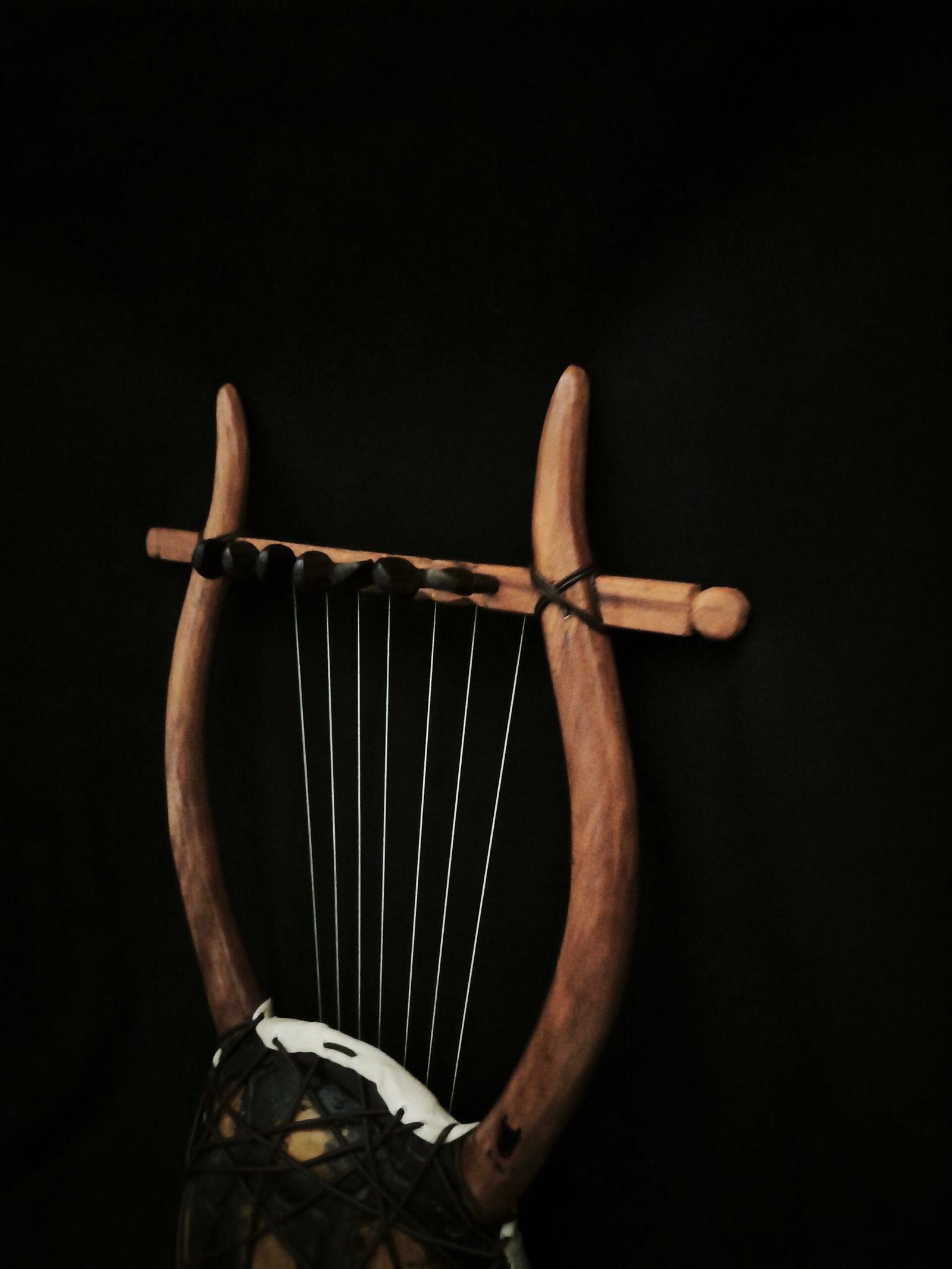
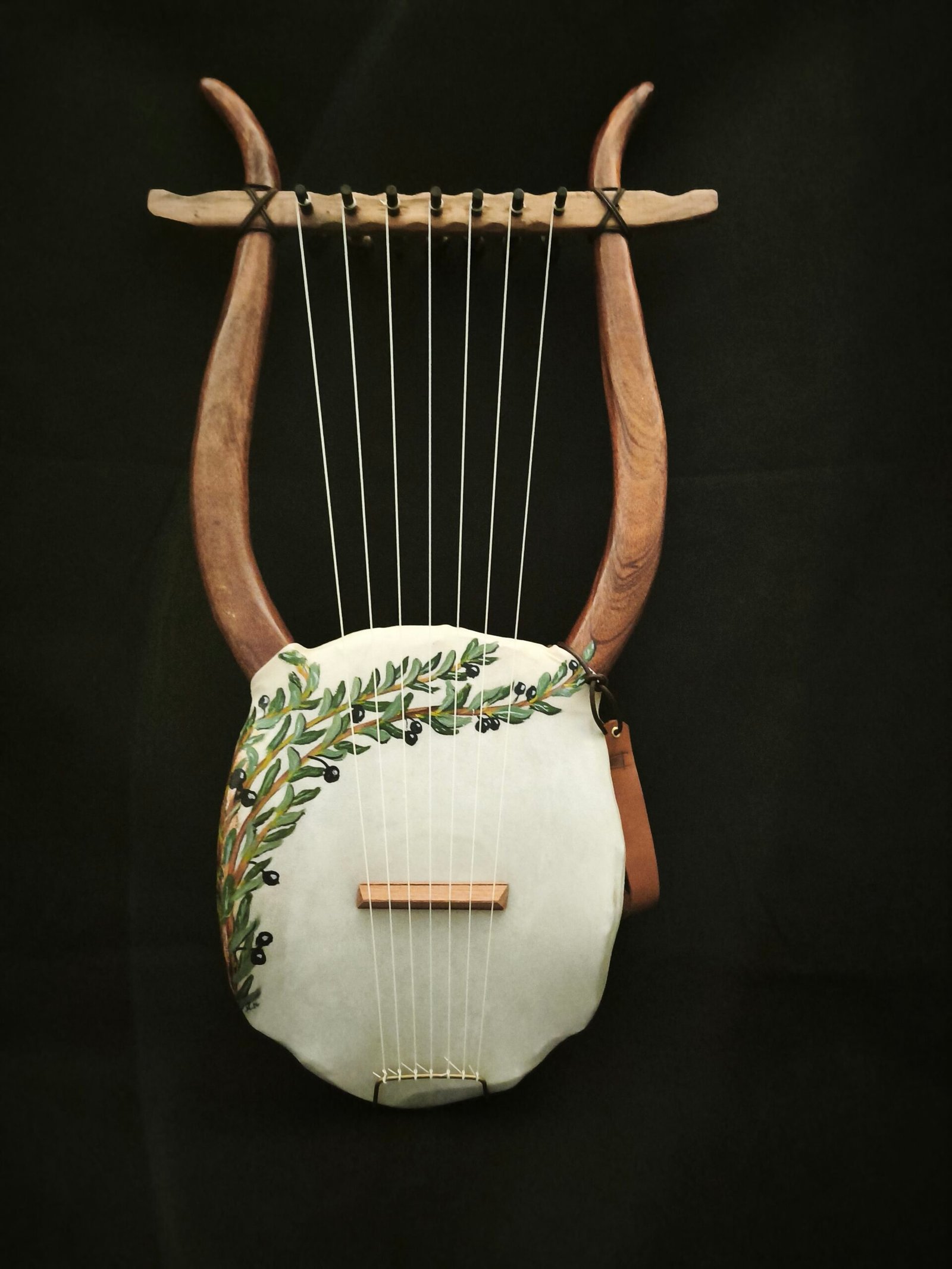
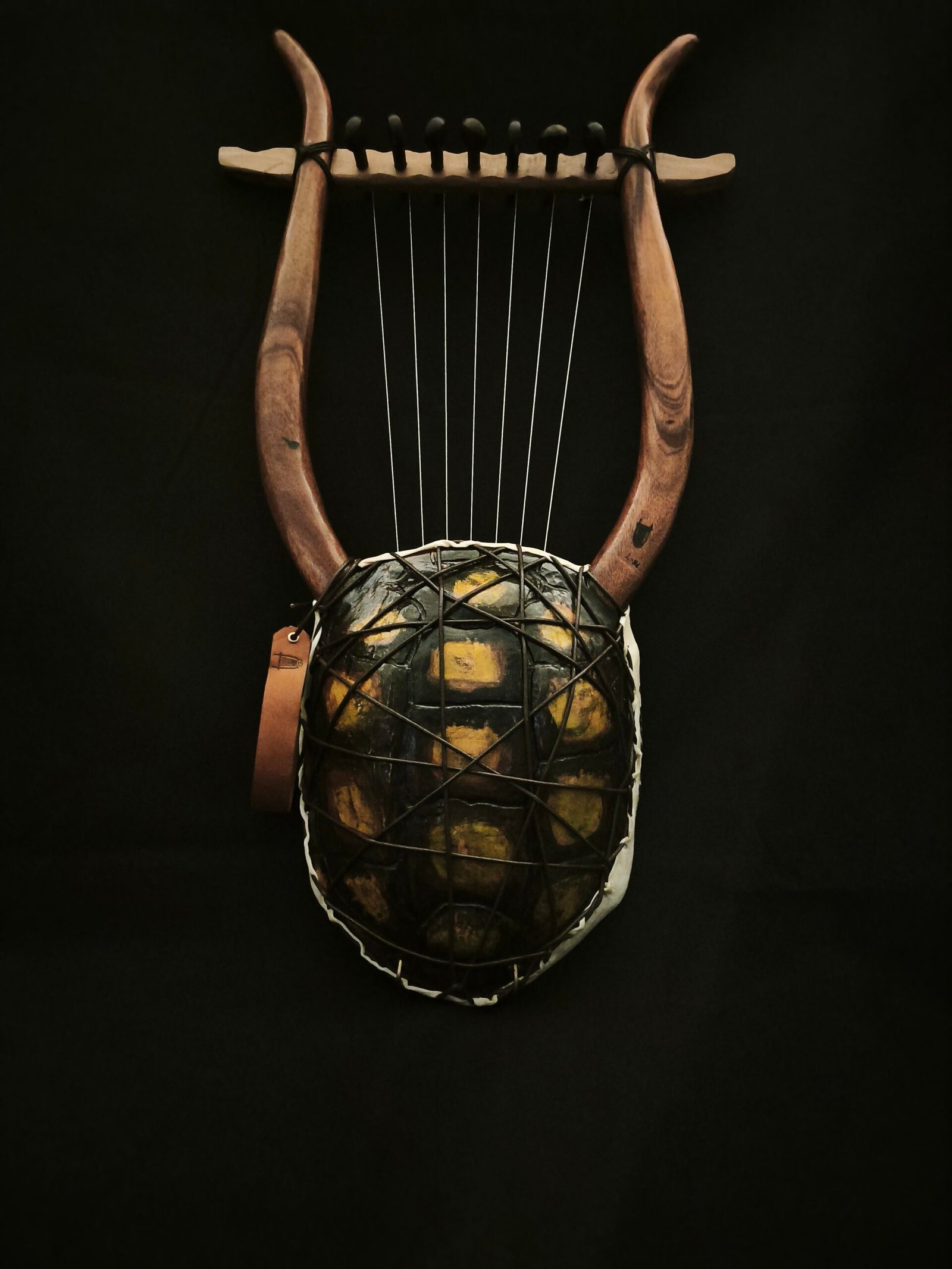
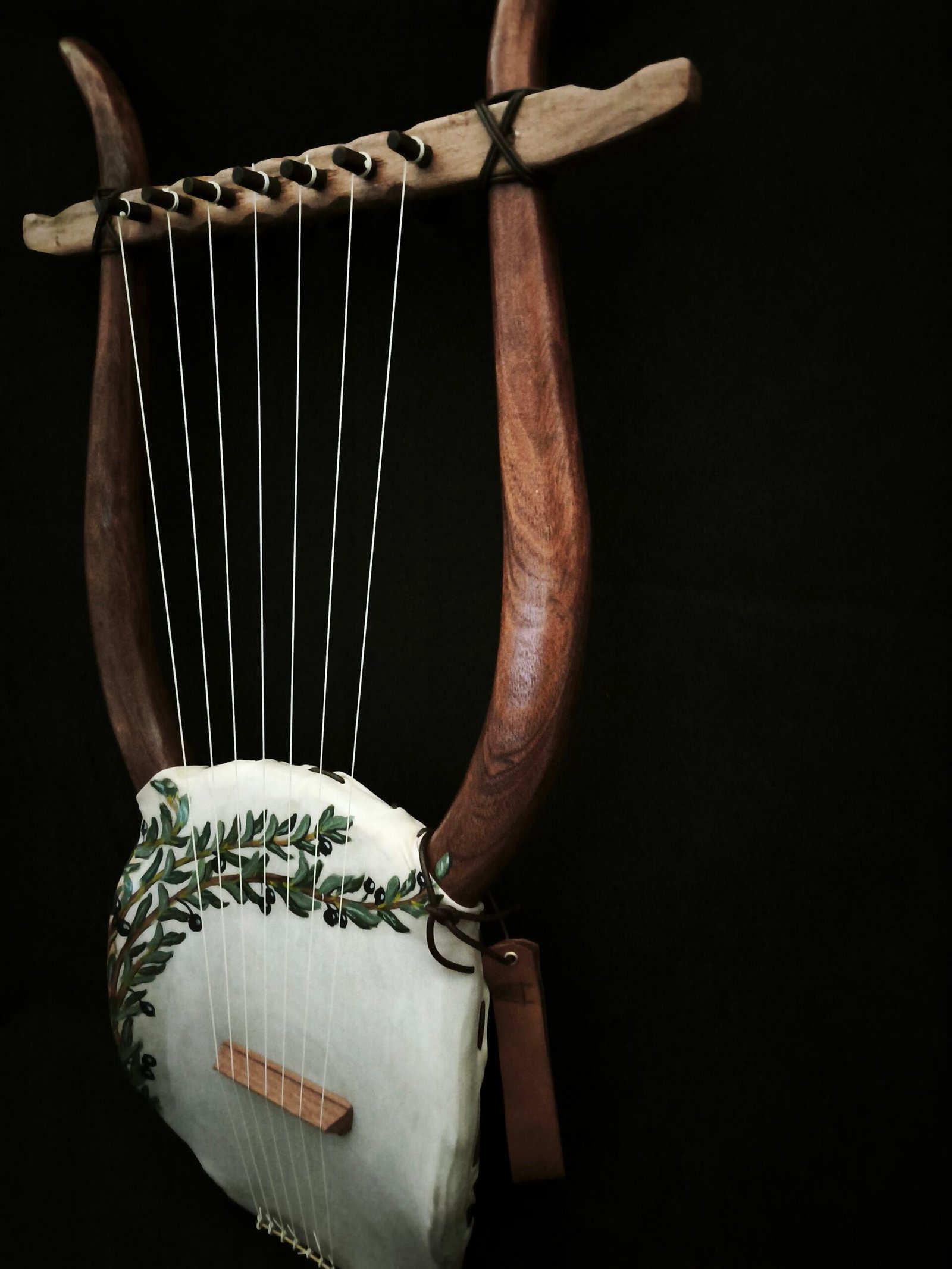
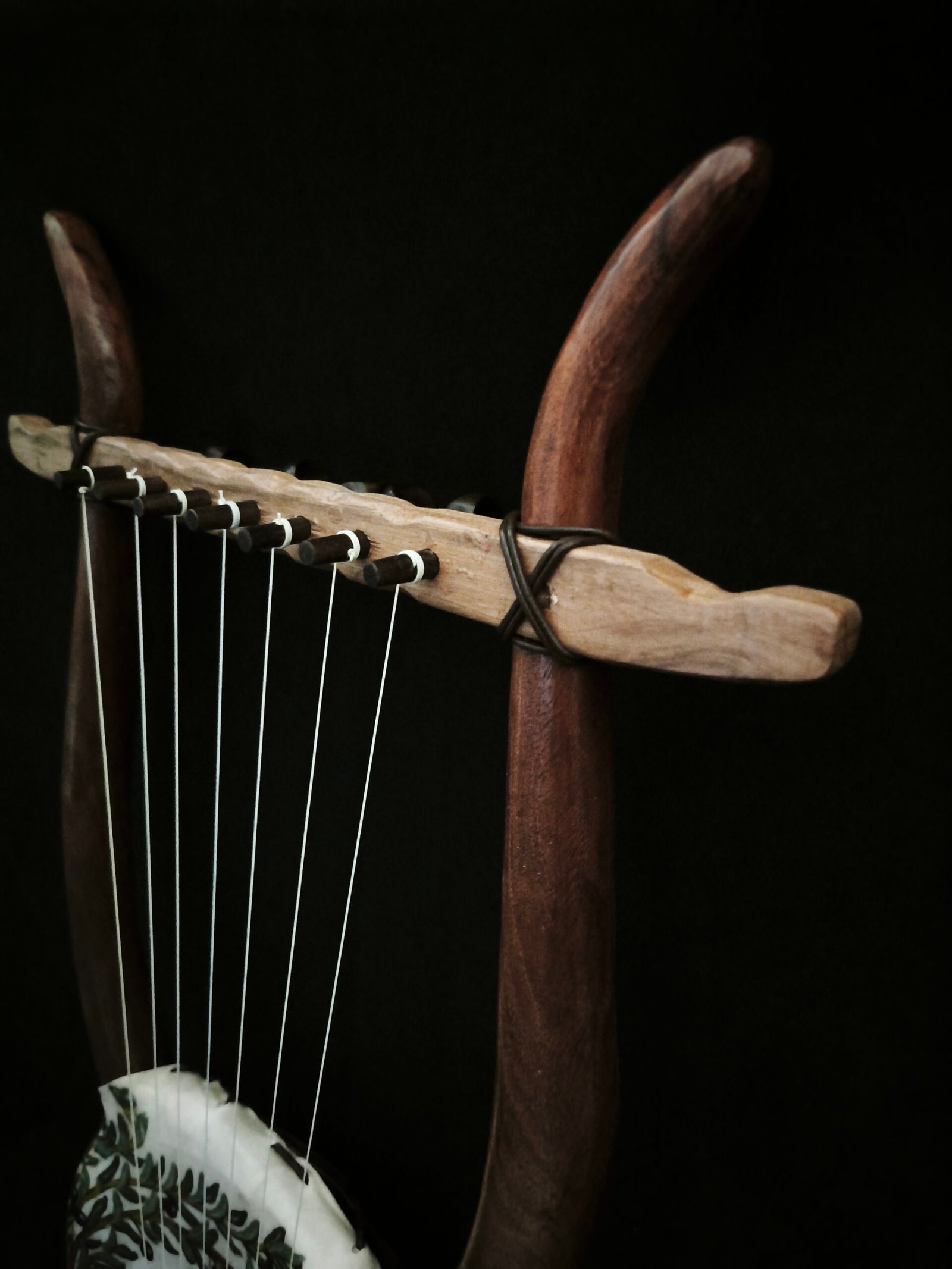
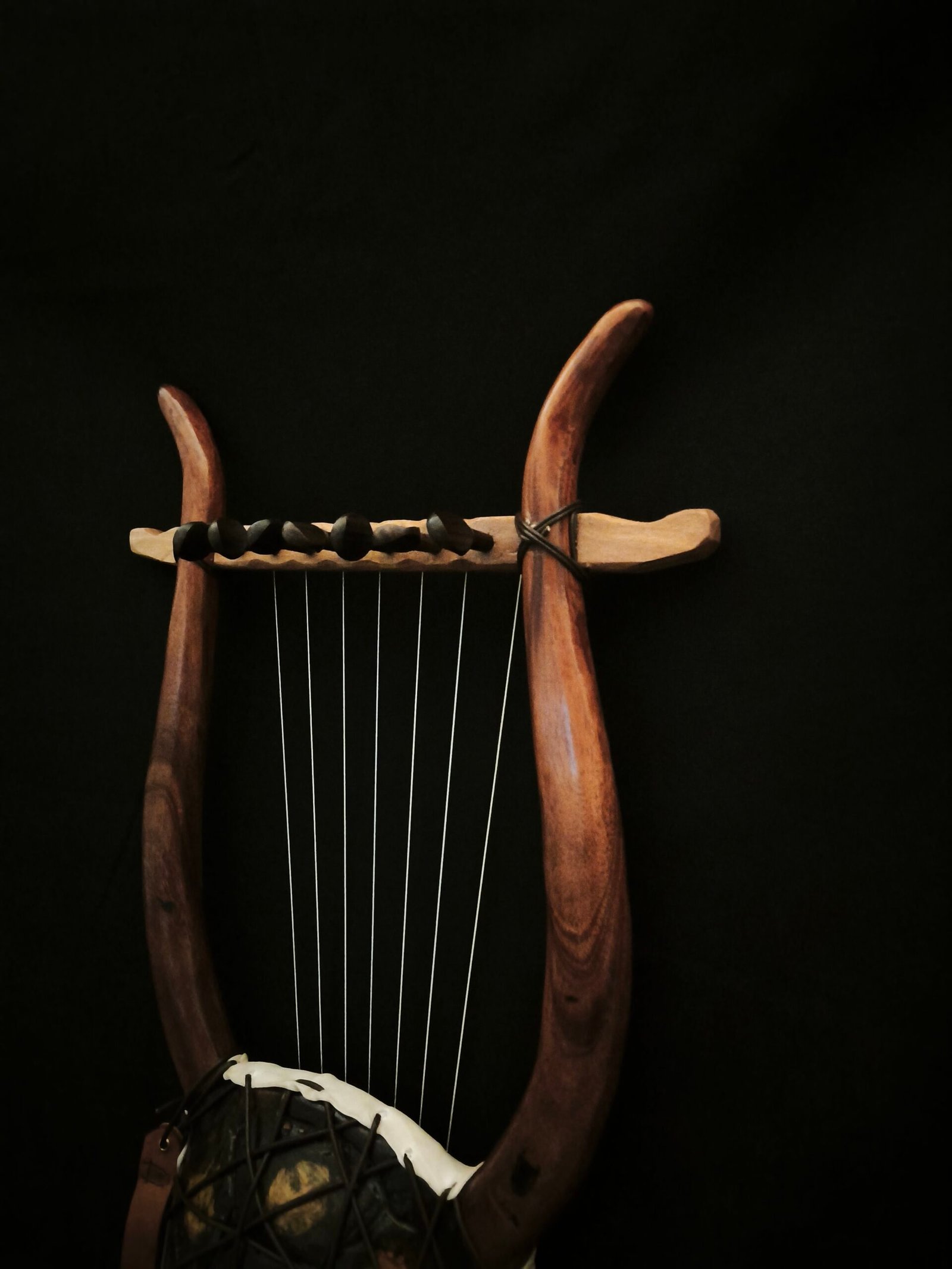
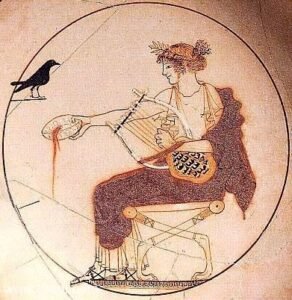 Ancient Greek Lyre is the most important instrument of the ancient Greeks and was highly respected, as it was associated with the worship of the god Apollo, the god of music. According to the mythology, it was built by Hermes and given as a gift to Apollo. For the construction of the resonator of the instrument, they used a tortoise shell, which is why the instrument is often called the Chelys (in ancient Greek, Chelys means turtle). It is the musical instrument that all free citizens in ancient Greece were required to learn, as it introduced young people to the science of music, but also more generally to the study of philosophy, mathematics, and even astronomy. The lyre is characterized by Plato as an instrument that develops the masculine and heroic ethos, and he refers to it as a musical instrument, suitable for the education of the soul, which was permitted within the framework of his “Republic”, in contrast to polyphonic instruments that were considered harmful to ethos.