
Pandoura
Ancient Greek Pandoura (Pandourida / Trichordon)
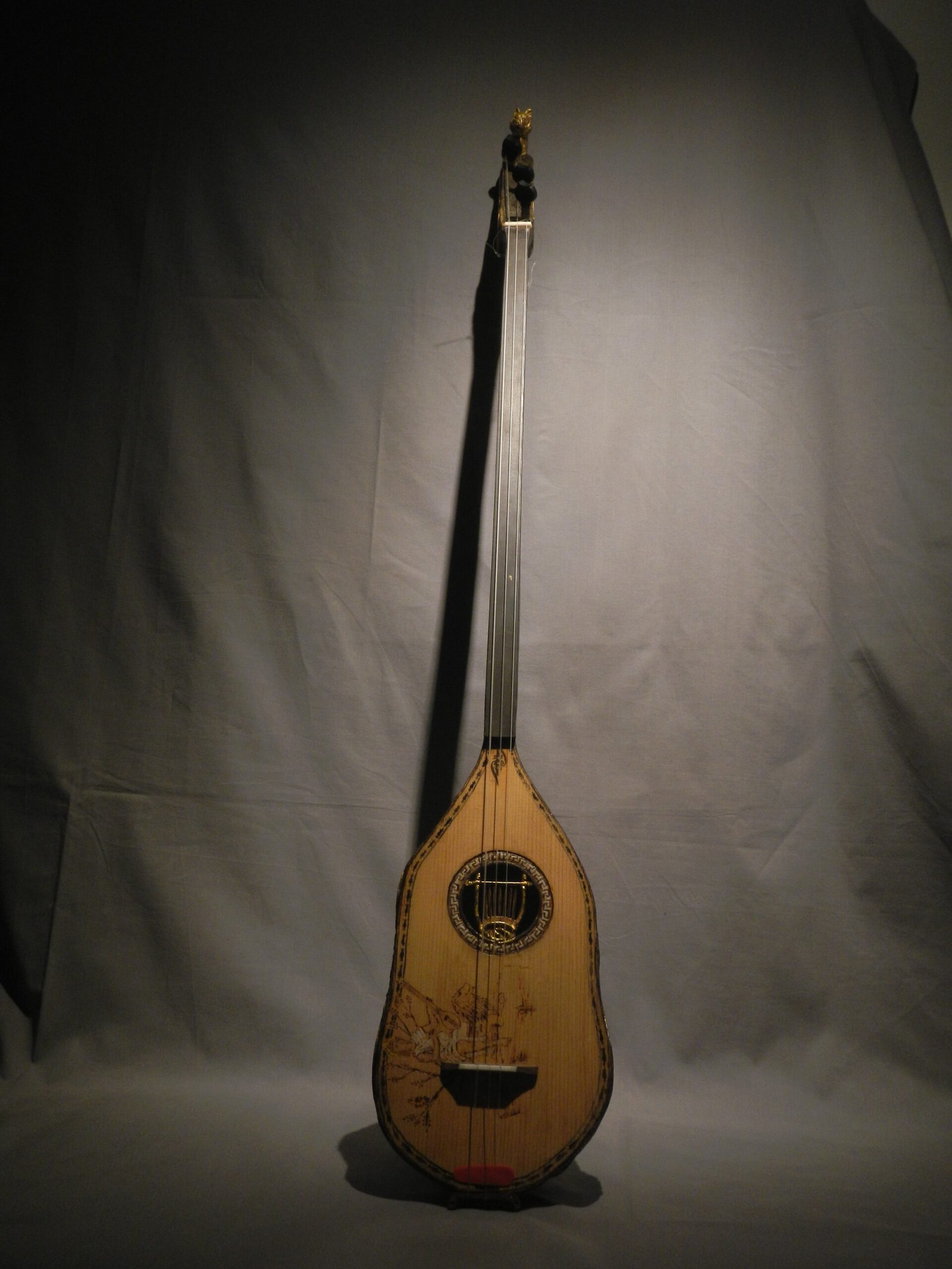
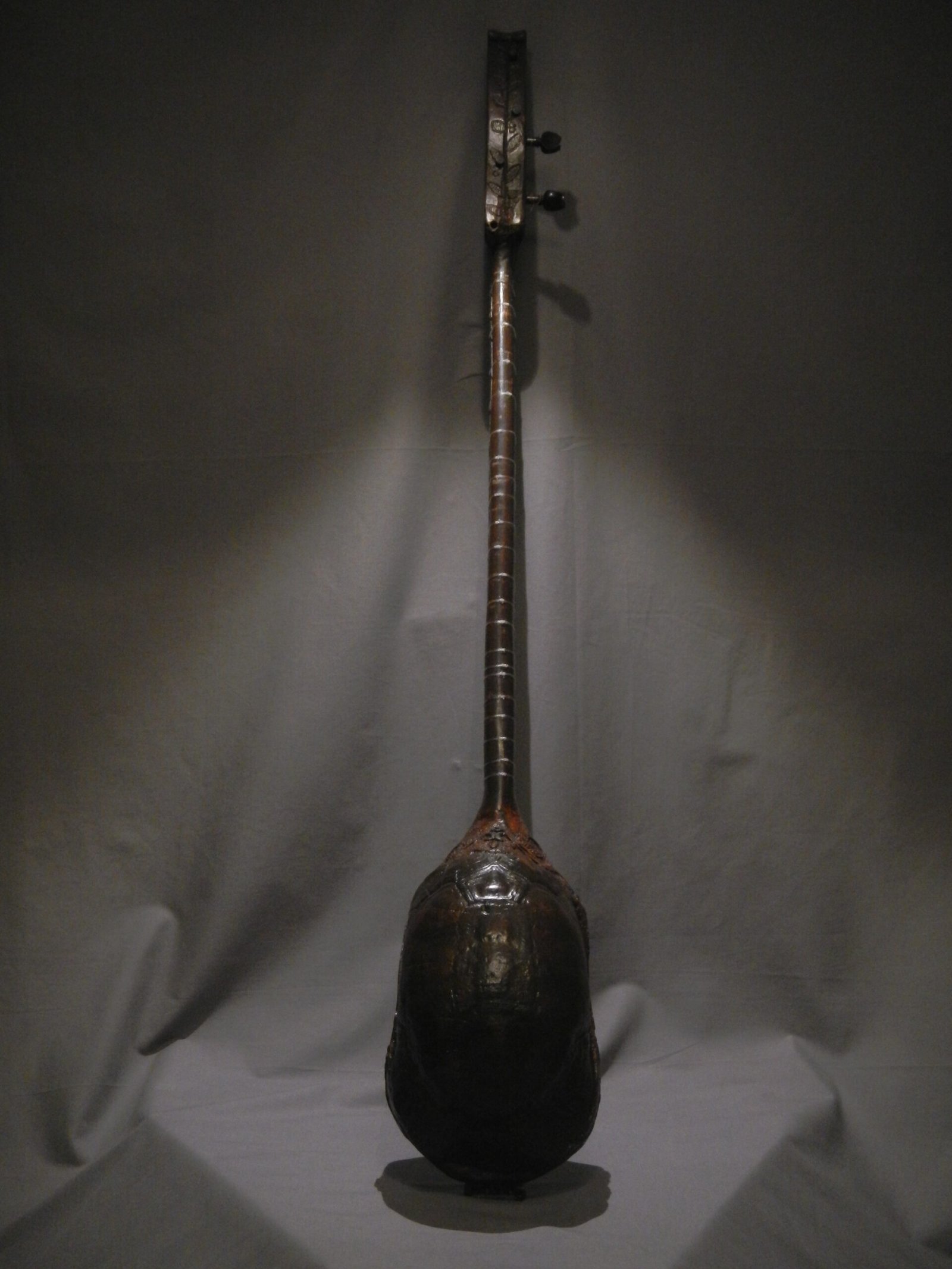
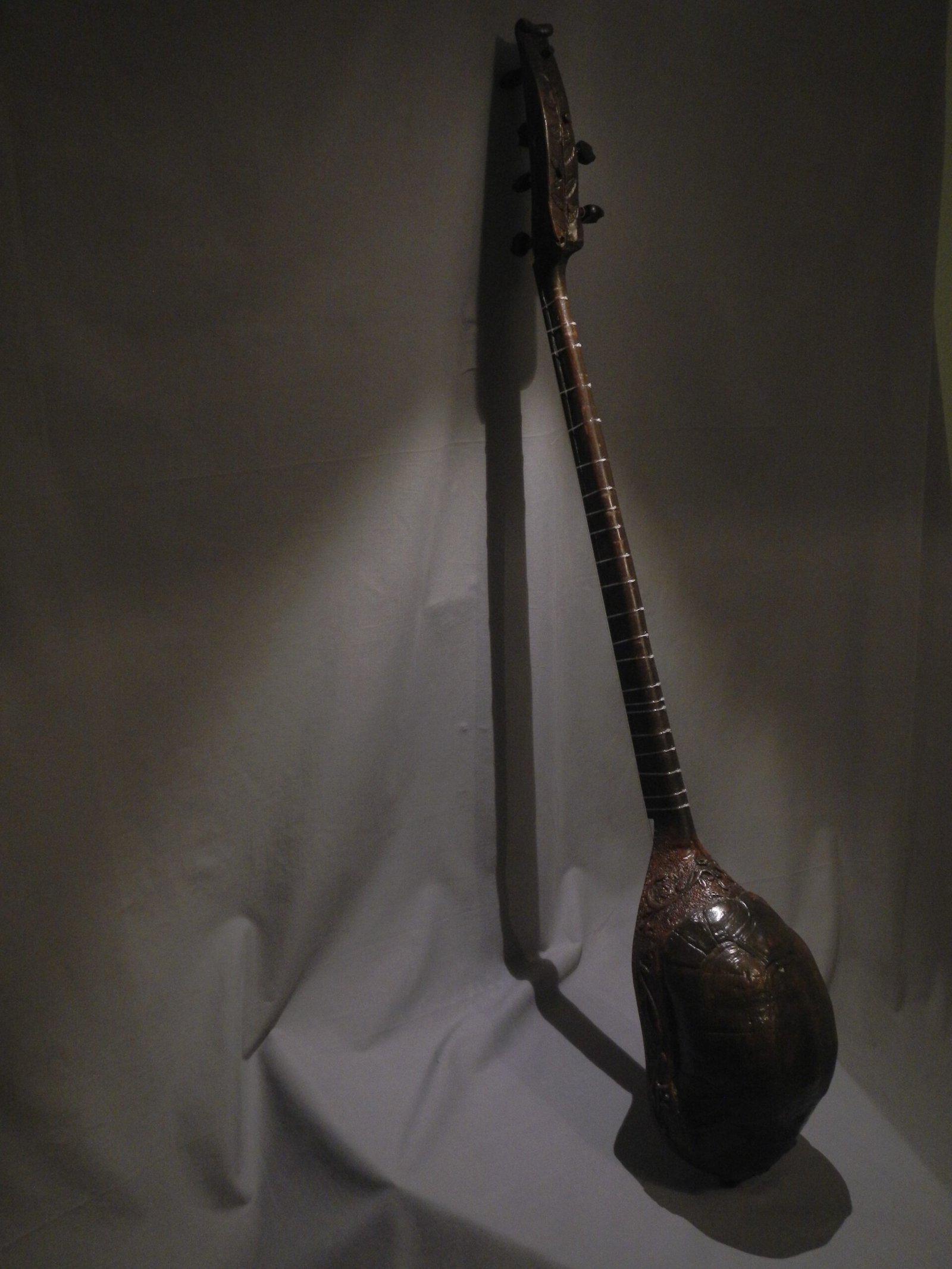
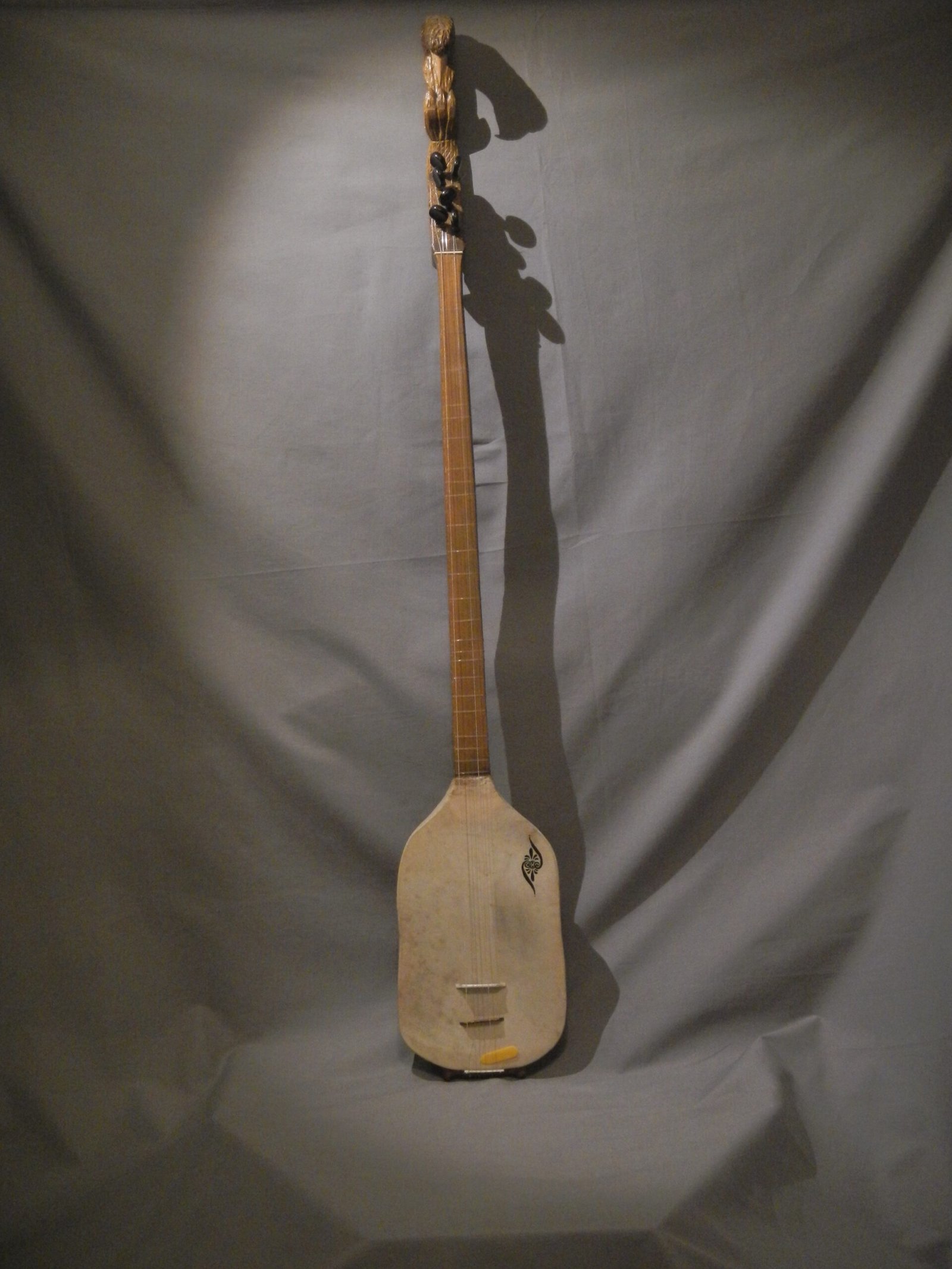
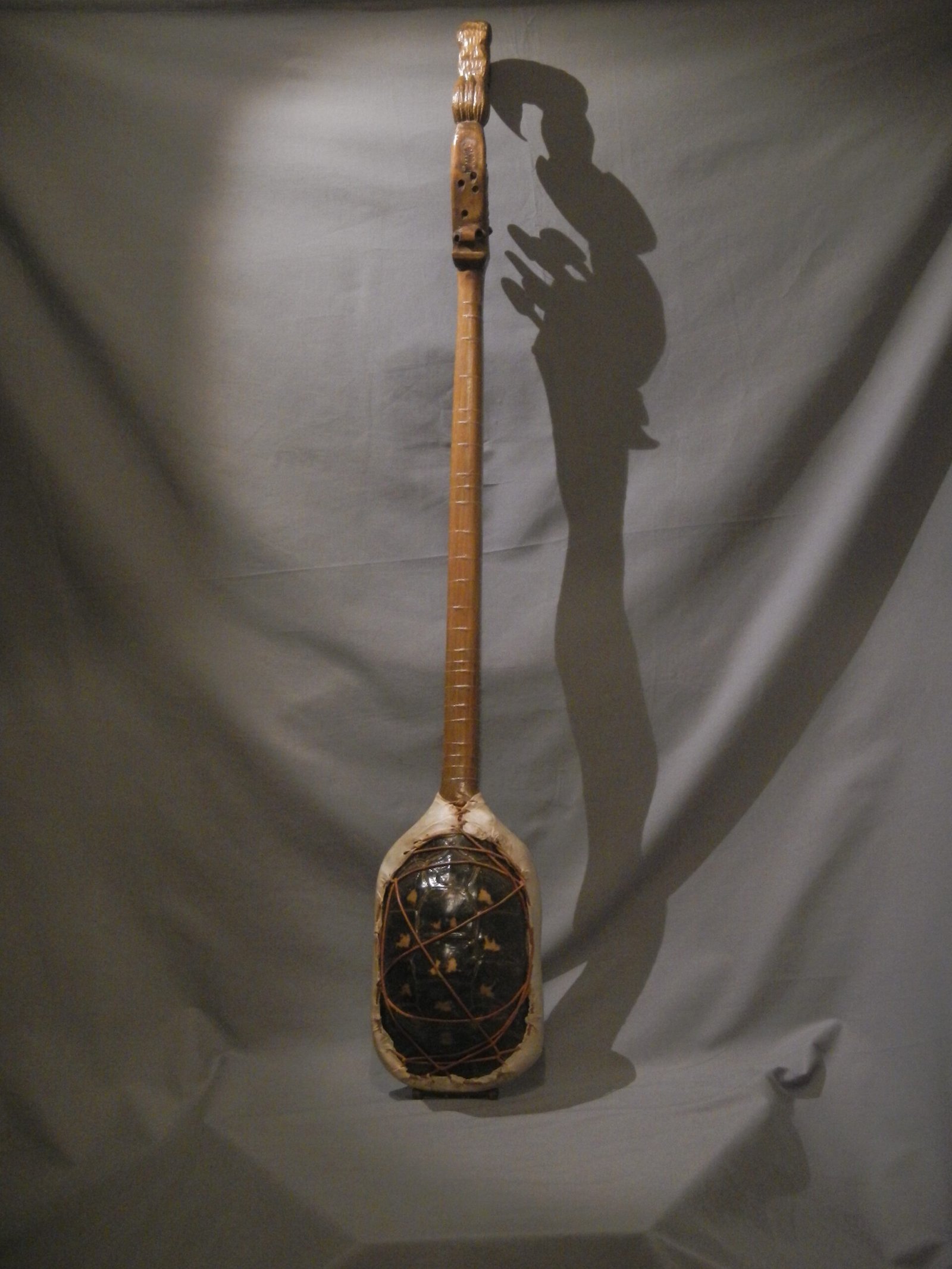
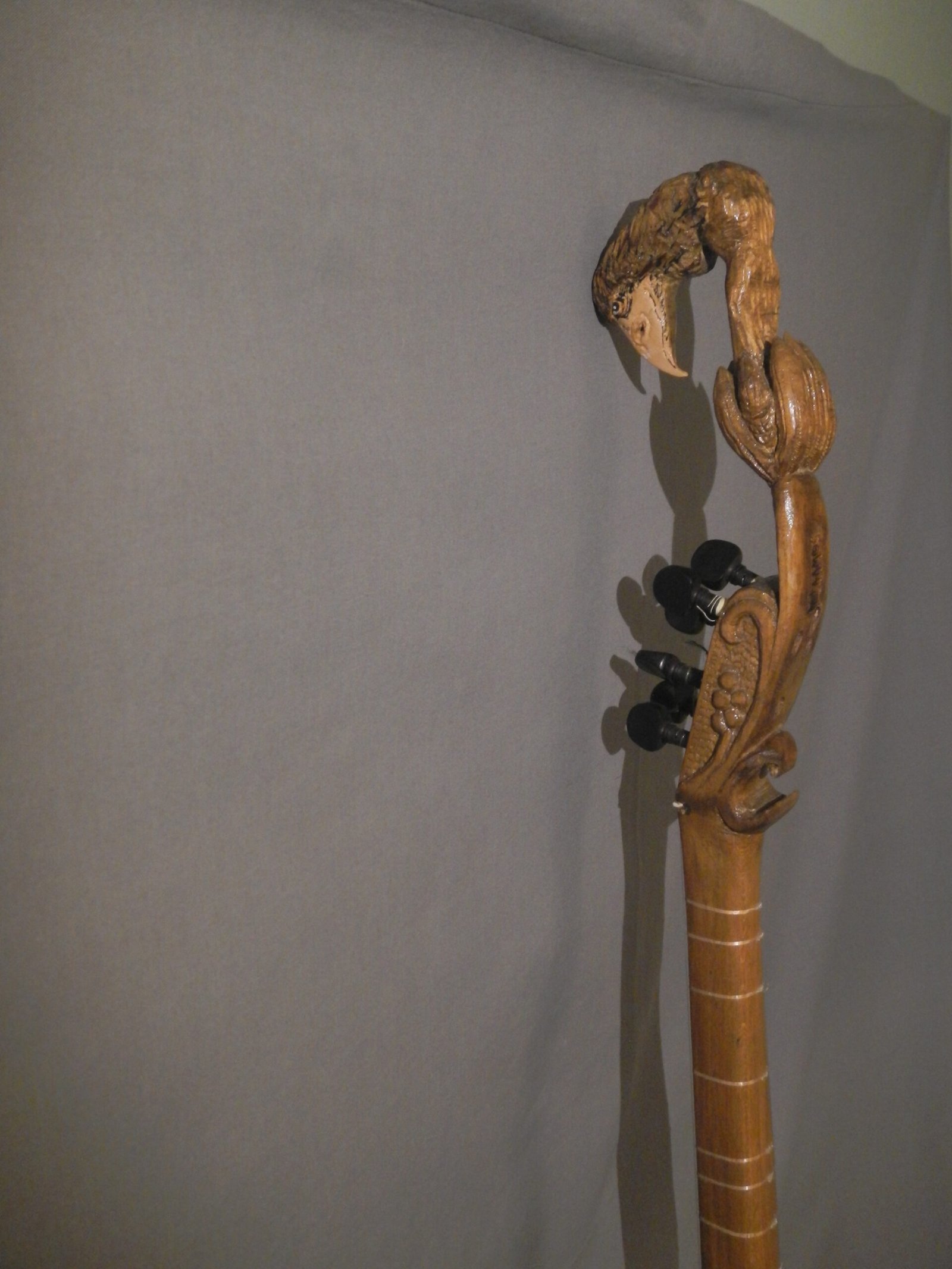
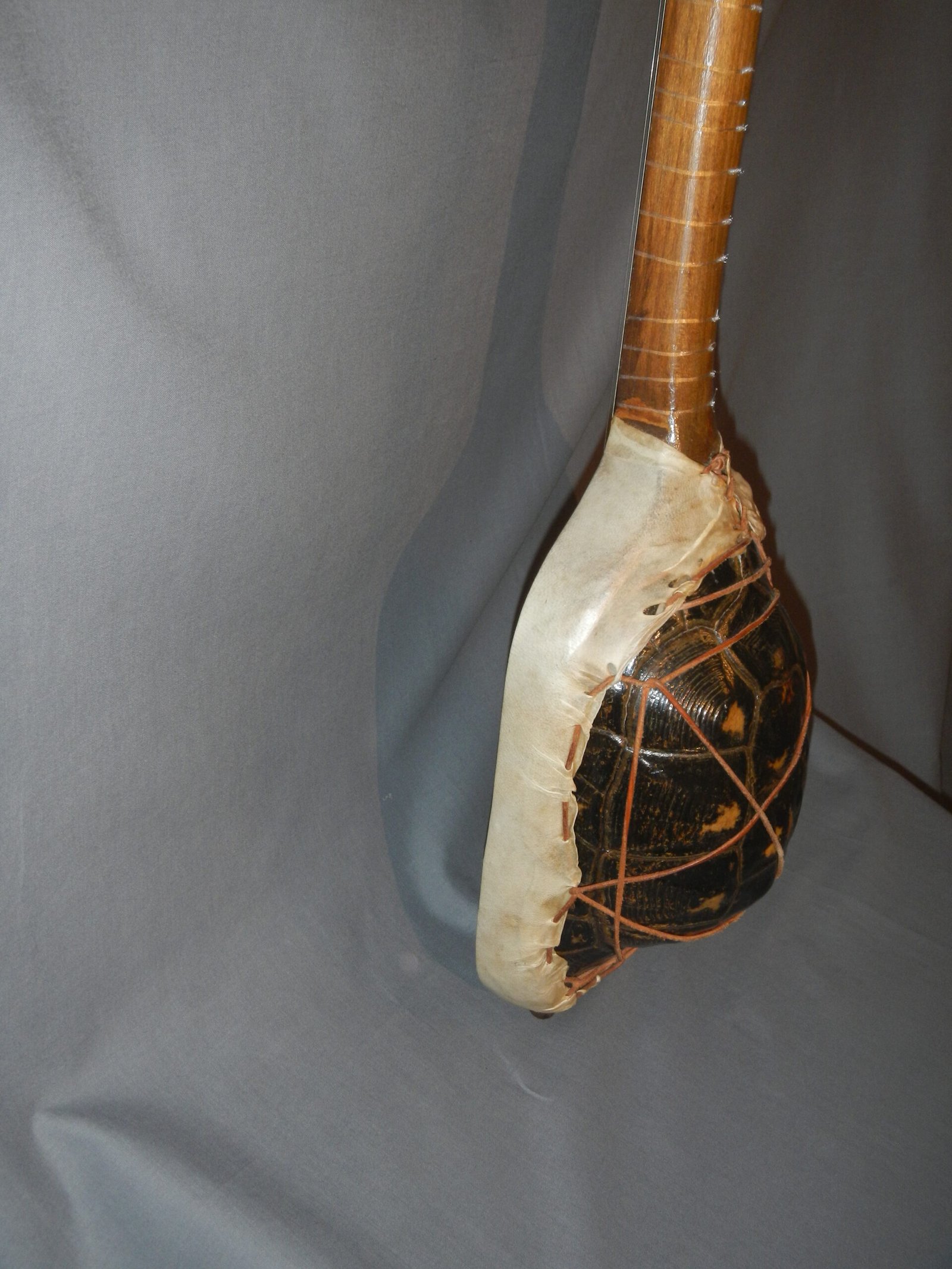
The ancient Greek Pandoura, also known as pandourida or trichordon, belongs to the lute family. In Ancient Greece, it appears as the only known long-necked lute-type instrument; however, limited information about it has survived. The term trichordon comes from the Greek words τρεῖς (three) and χορδή (string), directly referring to the instrument’s three strings.
Scholars have long debated the origin of the name pandoura. Some researchers view it as a purely Greek word. They connect it to pan and dory, meaning “entirely made of wood.” Other scholars suggest an eastern origin. In this view, the name relates to the Sumerian words pandur or pantur, which mean “small bow.” As a result, the instrument may reflect cultural exchange between the Aegean and Mesopotamian worlds.
In our atelier, we build pandouras with wooden or goatskin soundboards. We follow principles drawn from historical sources and organological study. The body is carved from a single piece of wood, and the soundbox is hollowed from the back. One feature of the pandouras is that the instrument uses movable frets, which follows the practice of later Byzantine instruments, such as the tambouras. As a result, performers can produce natural intervals and shape modal structures with flexibility.
While the open strings usually tune in intervals of a fifth, musicians can apply other tunings according to musical context. Overall, the pandouras presented here goes beyond historical reconstruction. Instead, it stands as a fully functional ancient Greek musical instrument, serving both scholarly research and the demands of contemporary musical performance.
Historical data of the pandoura
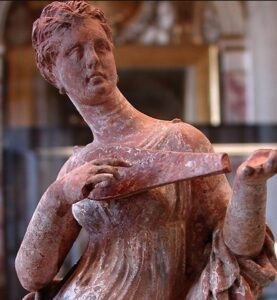
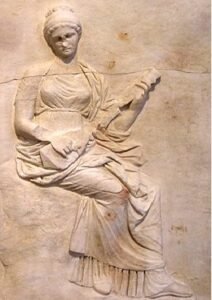 Pandoura (Trichordon), it is the ancestor of all the lute style instruments we encounter today and, as its name suggests, it had three strings. Trichordon in Greek language means three strings. It is a musical instrument that was mainly played by women although the bibliography and iconography regarding the pandoura are very poor and the information is minimal. This fact shows that lute-style instruments in Greece were not widespread at all and were even more considered to be completely popular and marginalized instruments. The pandoura presented novelties, which scandalously violated the strict rules of classical education, resulting the pandoura players being marginalized both musically and socially. However, the melismatic character of the instrument, which was often held in the hands of courtesans at festivals and wine drinking, helped hedonistic and lustful pleasure, which also certainly exceeded the solid rules of morality.
Testimonials

Dr. Nikos Xanthoulis, Musician & Resercher, Athens, GR
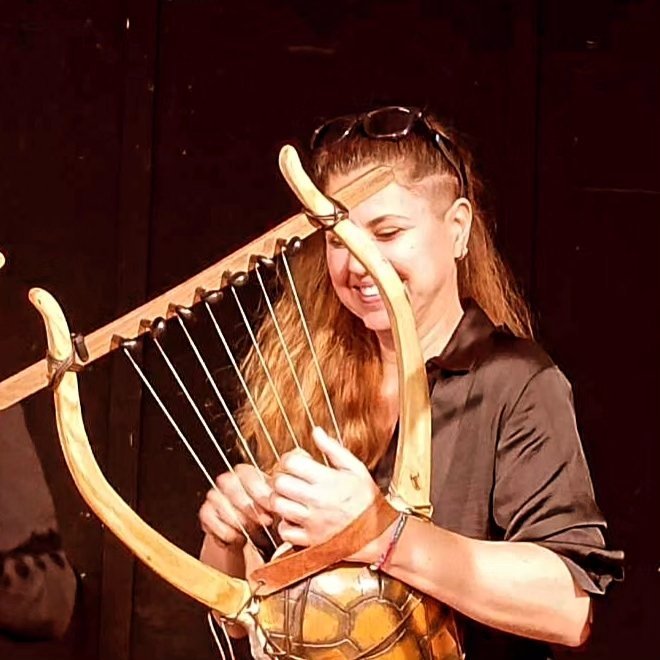
Sonia Charalampidou, Musician, Athens GR
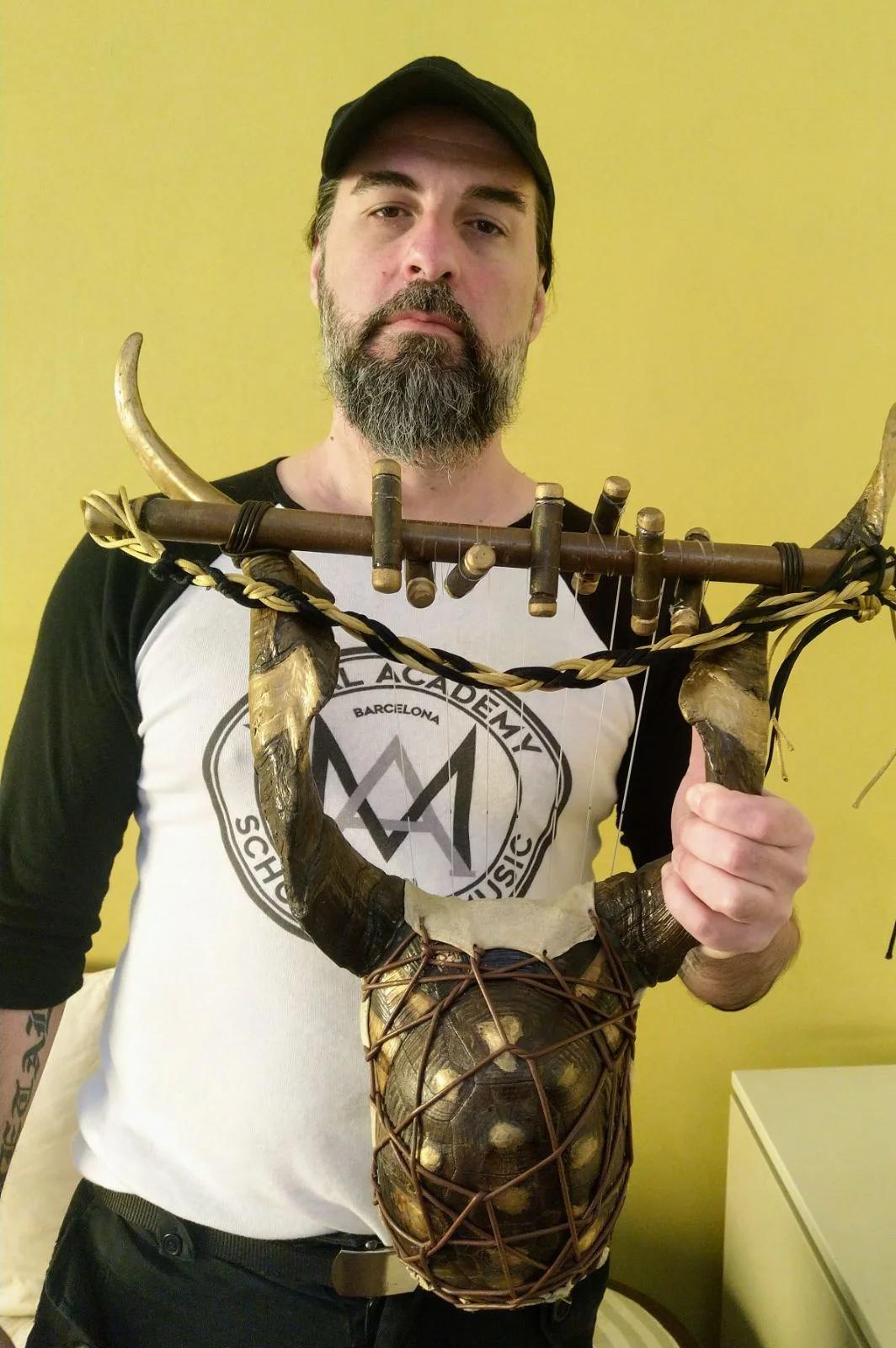
Sakis Tolis, Musician, Athens GR
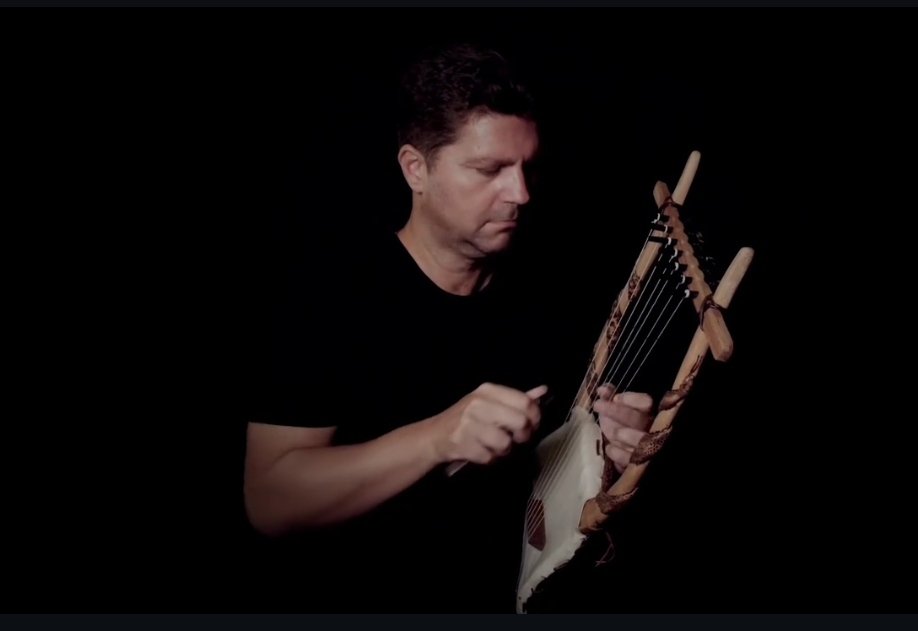
Giorgos Tabakis, Musician, Athens GR
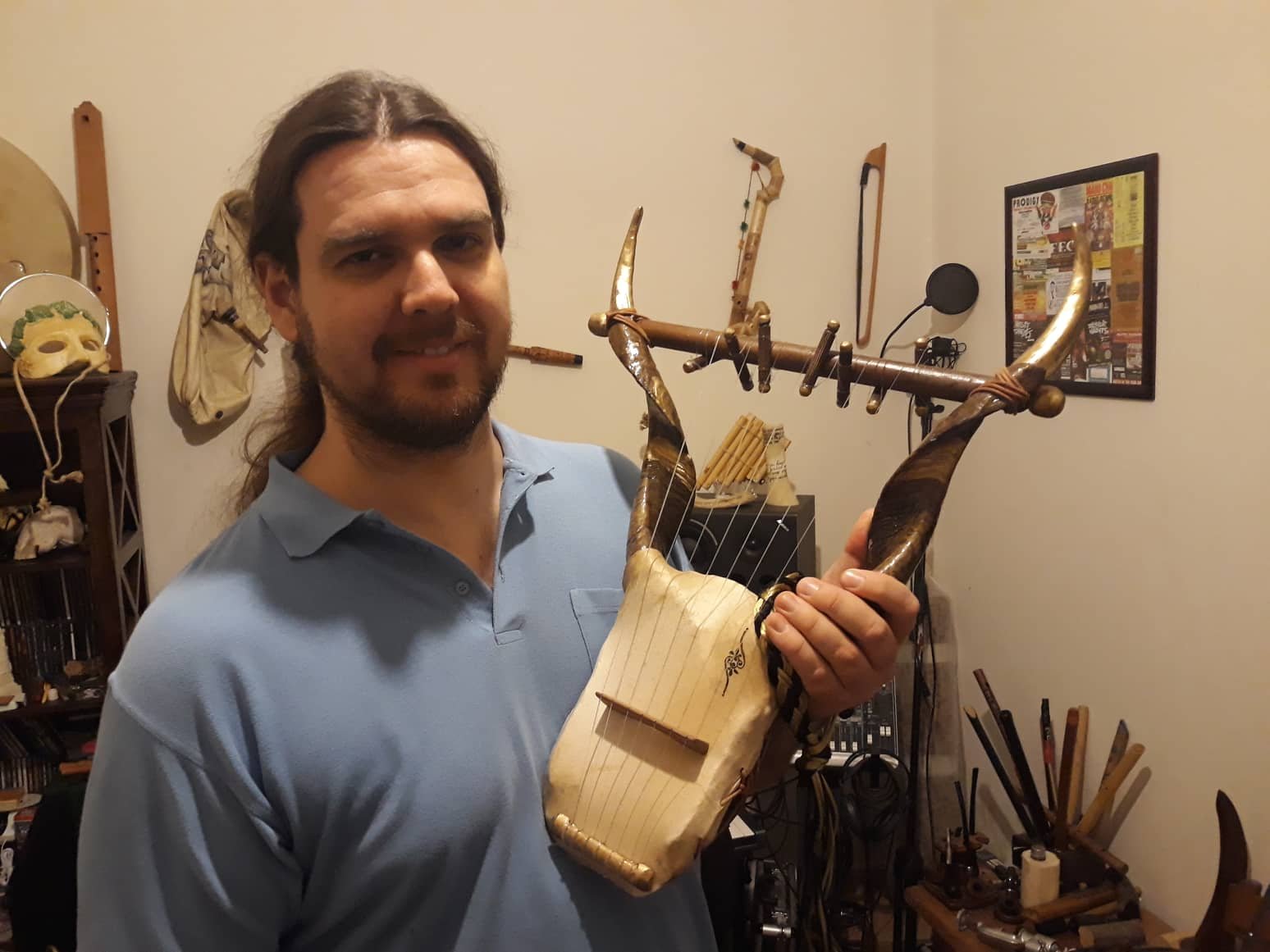
Alexandros Charalampous, Musician Athens GR
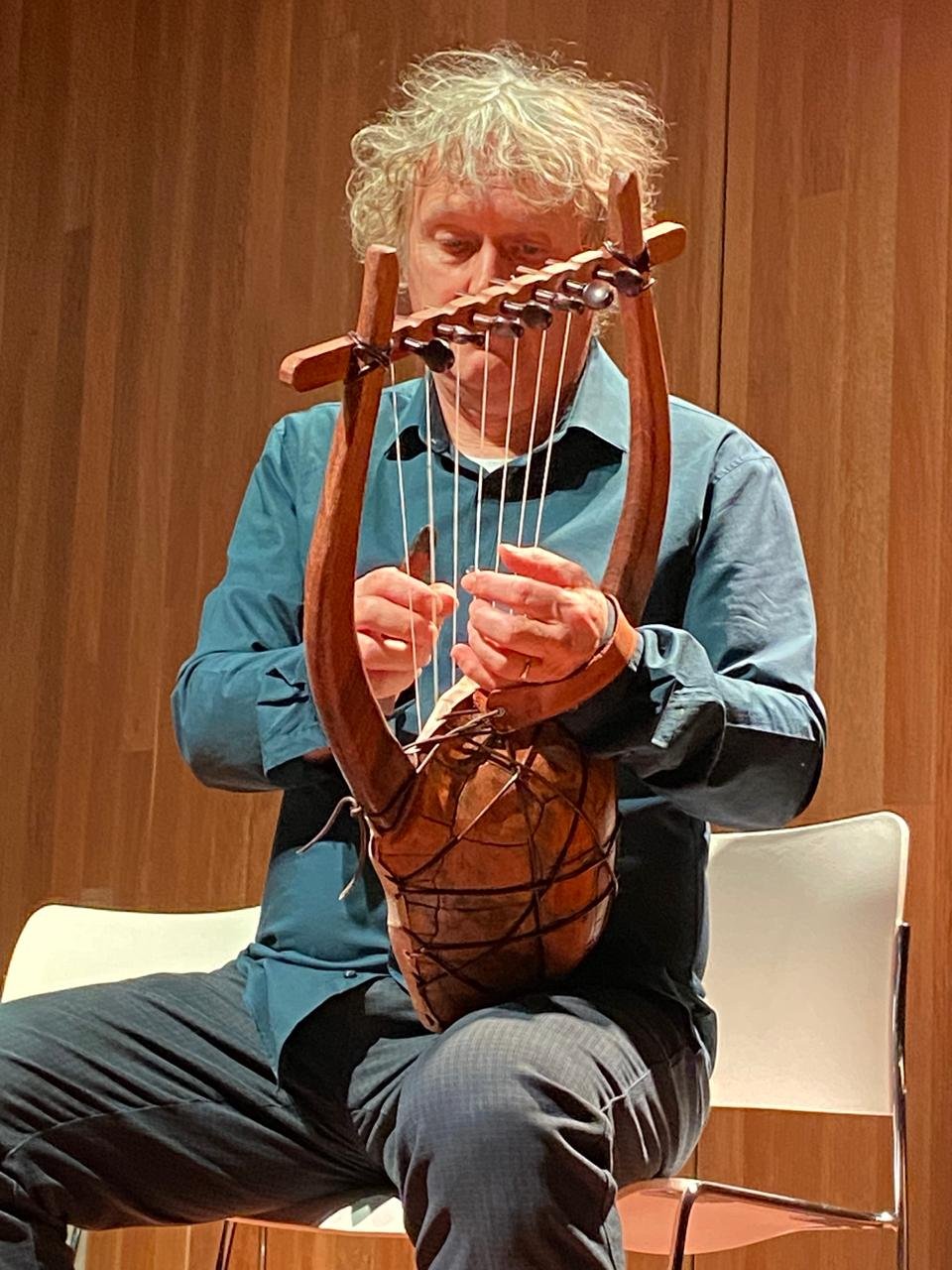
Rossano Munaretto, Musician, IT
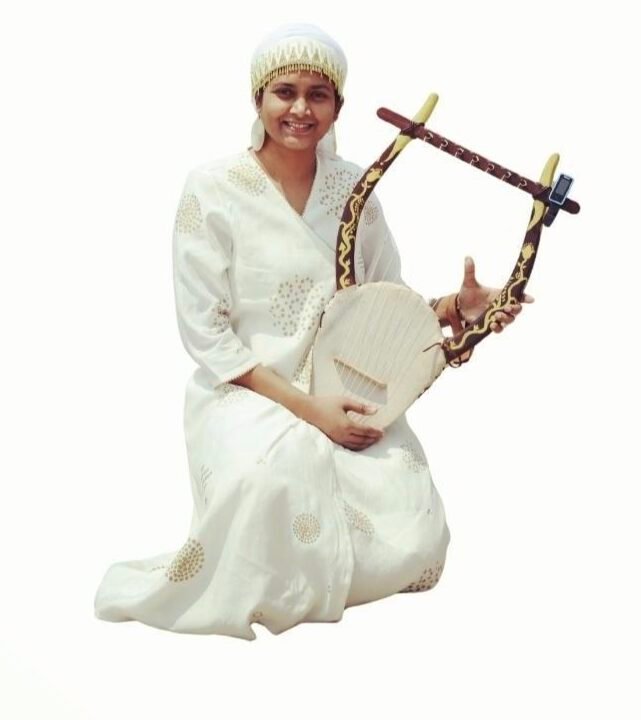
Sunitha Francis,Musician, India
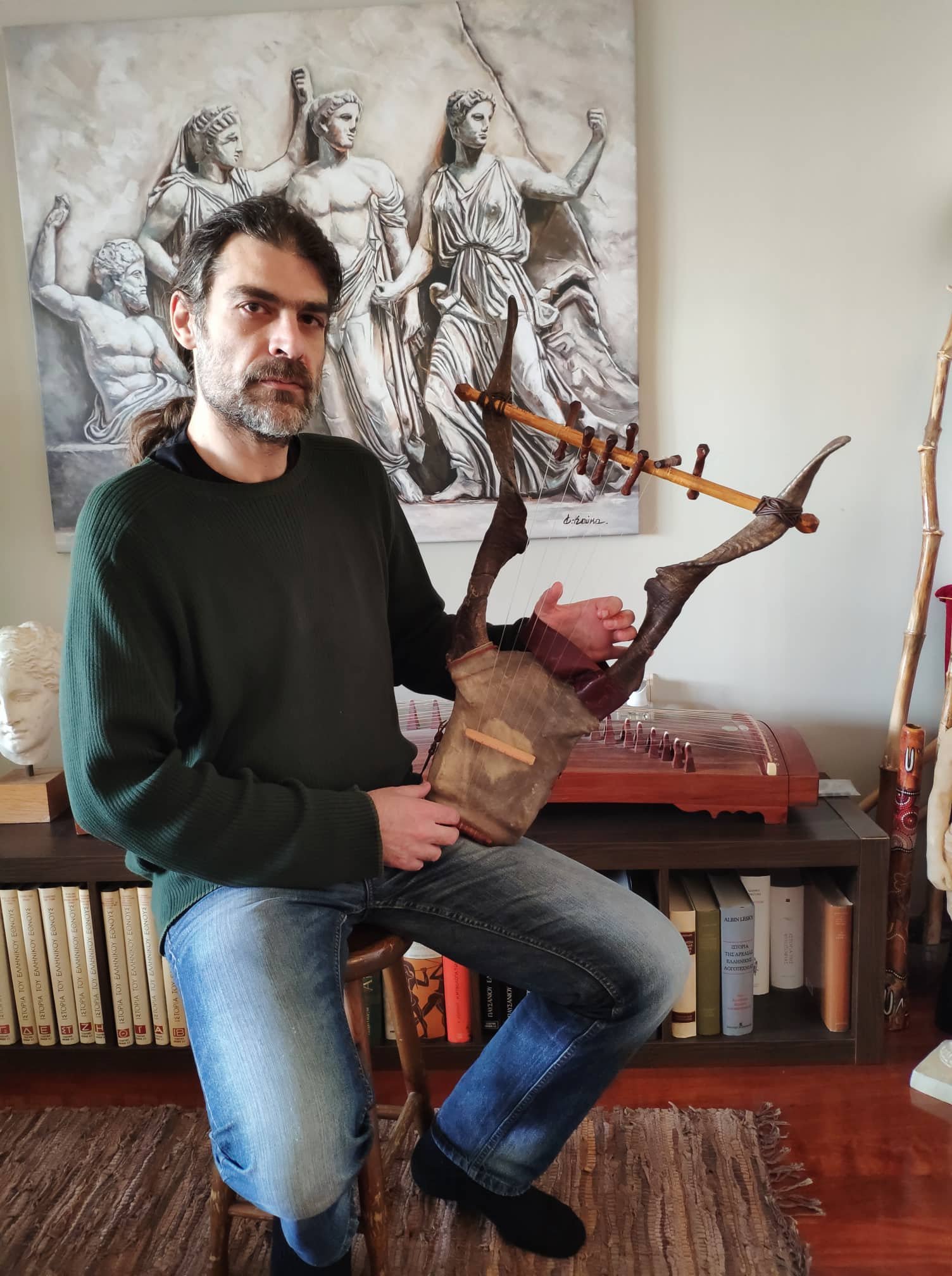
Pandion, Musician, Athens GR
